

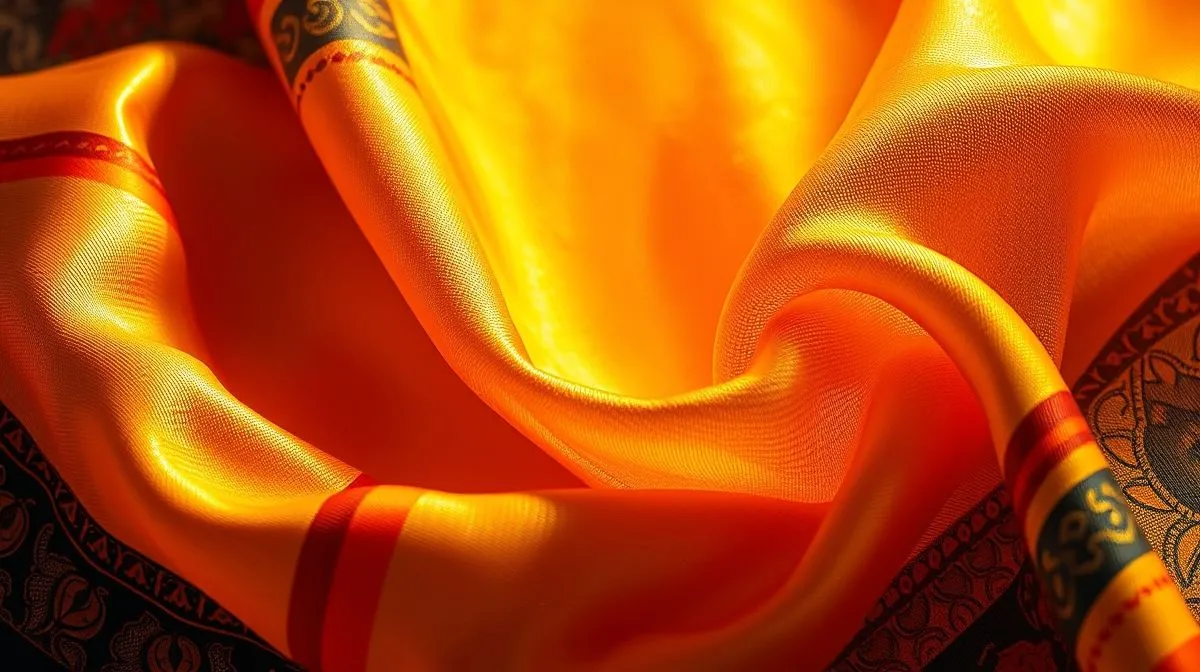
How to Clean and Care for Luxury Silk Scarves: The Definitive Guide
Imagine unwrapping a truly exquisite silk scarf – perhaps a vibrant Hermès carré, a delicate vintage piece inherited from a loved one, or a bespoke design that speaks directly to your soul. These aren't just accessories; they are wearable art, investments in style, and often, cherished mementos. Yet, the sheer beauty and delicate nature of silk can often leave us hesitant, wondering how to preserve their pristine condition without causing irreparable damage. The fear of ruining a beloved silk treasure is a common one, leading many to either avoid wearing them or to simply hope for the best when it comes to cleaning.
This apprehension is entirely understandable. Silk, renowned for its luxurious feel, natural sheen, and remarkable strength-to-weight ratio, is also incredibly delicate. Unlike more robust fabrics, it demands a nuanced approach to cleaning and maintenance. Without proper knowledge, a simple wash can transform a lustrous masterpiece into a dull, shrunken shadow of its former self. Therefore, understanding how to clean and care for luxury silk scarves is not just about maintenance; it's about safeguarding an heirloom, extending its lifespan, and ensuring it continues to bring joy and elegance for years to come.
Fear not, for this comprehensive guide will equip you with everything you need to know about how to clean and care for luxury silk scarves. From understanding the unique properties of silk to mastering the gentle art of hand washing, drying, and storing, you will learn the expert techniques that professional conservators and luxury brands swear by. By the end of this reading, you'll be confident in preserving the exquisite beauty and longevity of your cherished silk treasures.
Understanding Silk: The Queen of Fabrics
Before delving into the 'how-to,' it's crucial to appreciate 'what' you're working with. Silk is a natural protein fiber, primarily produced by the larvae of the mulberry silkworm (Bombyx mori) in the process of creating their cocoons. This unique biological origin imbues silk with properties unlike any other fabric, making it both highly desirable and uniquely challenging to care for.
What Makes Silk Special?
- Natural Luster: The triangular, prism-like structure of silk fibers allows light to refract at different angles, giving silk its characteristic shimmer and iridescence.
- Softness and Smoothness: Silk's smooth surface contributes to its luxurious feel against the skin, reducing friction and making it incredibly comfortable to wear.
- Strength: Despite its delicate appearance, silk is one of the strongest natural fibers, though its strength can be significantly diminished when wet.
- Breathability and Temperature Regulation: Silk is naturally breathable, wicking moisture away from the body, making it cool in summer and warm in winter.
- Hypoallergenic Properties: Its natural protein structure makes it resistant to dust mites, mold, and fungi, ideal for sensitive skin.
Why Does Silk Need Special Care?
Silk's protein structure is similar to human hair, making it susceptible to damage from harsh chemicals, high temperatures, and excessive friction. Strong alkalis (found in many common detergents) can degrade the protein, leading to dullness, shrinkage, and loss of strength. Heat can scorch or yellow the fibers, while rough handling can cause pulls, snags, or even tears. Understanding these vulnerabilities is the first step towards proper care.
The Golden Rules of Silk Scarf Care
Before any washing or treatment begins, there are fundamental principles that apply to all luxury silk items. Adhering to these 'golden rules' can prevent damage and extend the life of your scarves significantly.
Always Check the Label
Manufacturers' care labels are your primary guide. While most luxury silk scarves can be hand-washed, some intricate designs, those with embellishments (beads, sequins), or very delicate vintage pieces may be 'dry clean only.' Always defer to the label first.
Avoid Direct Sunlight and Heat
Prolonged exposure to direct sunlight can cause silk to fade and weaken its fibers over time. Similarly, excessive heat from radiators, tumble dryers, or even very hot irons can damage the protein structure, leading to brittleness or yellowing. Always dry and store silk away from direct light and heat sources.
Handle with Clean Hands
Oils, lotions, and dirt from your hands can transfer to the delicate silk, leaving stains or residue. Always ensure your hands are clean and free of products before handling your luxury silk scarves, especially before washing.
Pre-Washing Preparation: Setting the Stage for Success
Proper preparation can make all the difference in achieving a successful clean and preventing damage. This stage is crucial for addressing specific concerns before a full wash.
Spot Treating Stains
Address any visible stains before a full wash. For most fresh, water-soluble stains (like light food spills), a gentle dab with a clean, damp cloth (using cool water) might suffice. For oil-based stains, a tiny amount of silk-specific stain remover or a very diluted solution of mild soap can be gently applied with a cotton swab, then blotted. Never rub the stain aggressively, as this can spread it or damage the fibers. Always work from the outside of the stain inwards.
Testing for Colorfastness
Before washing any new or unfamiliar silk scarf, especially those with vibrant or multiple colors, perform a colorfastness test. Dampen a small, inconspicuous area (like a corner or hem) with a cotton swab dipped in cool water and a tiny amount of your chosen silk detergent. Gently blot the area with a white cloth. If any color transfers to the cloth, the scarf is not colorfast and should only be dry cleaned professionally.
The Art of Hand Washing Luxury Silk Scarves
Hand washing is by far the safest and most recommended method for cleaning most luxury silk scarves. It allows for gentle control and minimizes stress on the delicate fibers. This process should be treated with the care and attention it deserves.
Choose the Right Detergent
This is arguably the most critical step. Use a pH-neutral, mild detergent specifically formulated for silk or delicates. Harsh detergents, bleach, or enzyme-based cleaners will damage silk's protein fibers, leading to dullness, shrinkage, and reduced lifespan. Baby shampoo or a gentle wool wash can also be suitable alternatives if they are pH-neutral. Avoid anything with brightening agents or strong perfumes. For a deeper understanding of fabric care, resources like the Textile Affairs website offer valuable insights into different fabric types and their requirements.
The Washing Process: A Gentle Ballet
- Prepare Your Basin: Fill a clean basin or sink with cool or lukewarm water (never hot!). Ensure the water is not too deep – just enough to fully submerge the scarf.
- Add Detergent: Add a very small amount of your chosen silk detergent to the water. Swirl it gently to dissolve the detergent completely.
- Submerge the Scarf: Carefully place your silk scarf into the water, ensuring it is fully submerged. Do not overcrowd the basin if washing multiple scarves; wash one at a time if possible.
- Gentle Agitation: Gently swish the scarf around in the soapy water for no more than 3-5 minutes. The key here is gentle movement, not scrubbing or rubbing. Think of it as a delicate dance, allowing the water and detergent to lift away dirt.
- Address Soiled Areas: If there are specific soiled areas not removed by swishing, you can gently press or lightly squeeze the fabric around that spot. Avoid any harsh rubbing or twisting.
Rinsing Thoroughly
Once you feel the scarf is clean, carefully lift it from the soapy water. Drain the basin and refill it with clean, cool water. Submerge the scarf again and gently swish it to rinse out the detergent. Repeat this rinsing process 2-3 times, or until the water runs completely clear and no suds remain. Do not wring or twist the scarf at any point, as this can stretch or damage the delicate fibers.
Drying Your Silk Scarf: Patience is a Virtue
The drying process is just as critical as the washing. Improper drying can lead to wrinkles, shrinkage, or even permanent damage to the silk's shape and texture.
The Towel Roll Method
This is the safest and most effective way to remove excess water. After rinsing, gently press the scarf against the side of the basin to let some water drip off. Then, lay a clean, dry, absorbent towel (preferably white to avoid color transfer) flat on a clean surface. Carefully place the wet silk scarf flat on one half of the towel. Gently roll the towel up, with the scarf inside, applying light pressure to absorb the water. You'll feel the towel becoming damp. Unroll the towel; your scarf will be damp but no longer dripping wet.
Air Drying: Lay Flat or Hang?
Once the excess water is removed, the scarf is ready for air drying. The best method depends on the scarf's weight and size:
- Lay Flat: For heavier or larger scarves, lay them flat on a clean, dry towel or a mesh drying rack. This prevents stretching and helps maintain the scarf's original shape. Ensure it's in a well-ventilated area, away from direct sunlight or heat sources.
- Hang (with caution): Lighter scarves can be hung on a padded hanger or draped over a clean, smooth drying rack. Avoid using clip hangers, which can leave marks. Again, ensure it's away from direct heat or sun.
Allow the scarf to air dry completely. This can take several hours, depending on humidity. Resist the urge to tumble dry, as the high heat will almost certainly damage or shrink the silk.
Ironing and Steaming: Restoring Silk's Luster
Once dry, your silk scarf might appear a little wrinkled. Ironing or steaming can restore its smooth, lustrous appearance, but it must be done with extreme care.
Ironing Silk Safely
- Check for Dampness: Silk is best ironed when it's still slightly damp, or by using a spray bottle to lightly mist it with cool water.
- Low Heat Setting: Set your iron to the lowest heat setting, typically labeled 'silk' or 'cool.'
- Iron Inside Out: Turn your scarf inside out to prevent any potential scorching or marks on the visible side.
- Use a Press Cloth: Place a thin, clean cotton cloth (like a handkerchief or pillowcase) between the iron and the silk. This provides an extra layer of protection.
- Iron Quickly: Move the iron quickly and smoothly over the fabric. Do not let the iron sit in one spot for too long.
The Benefits of Steaming
Steaming is often a gentler alternative to ironing, especially for delicate or embellished silk. A handheld garment steamer works wonders for removing wrinkles without direct contact or pressure. Hold the steamer a few inches away from the fabric and allow the steam to relax the fibers. This method is excellent for refreshing silk between washes as well. For general guidelines on fabric care, the Wikipedia page on Fabric Care Symbols can provide useful context.
Proper Storage: Protecting Your Investment
How you store your silk scarves when not in use is just as important as how you clean them. Proper storage protects them from damage, dust, and environmental factors.
Folding vs. Rolling vs. Hanging
- Folding: For most scarves, careful folding is suitable. Fold along existing creases or create new, soft folds. Avoid sharp creases that can weaken fibers over time. Store folded scarves flat in drawers.
- Rolling: Rolling scarves can minimize creasing and prevent pressure marks. Roll them around an acid-free cardboard tube or simply roll them loosely.
- Hanging: For large, heavy silk scarves or those you wear frequently, hanging can be an option. Use a padded hanger or a hanger specifically designed for scarves to prevent stretching or creasing. Ensure the hanger is smooth and free of any snags.
Avoiding Pests and Humidity
Silk is a natural fiber and can be attractive to pests like moths. Store your scarves in a cool, dry, dark place, away from direct sunlight and humidity. Consider using breathable garment bags made of cotton or muslin. Acid-free tissue paper can be used between folds to prevent creasing and protect against environmental factors. Avoid plastic bags, which can trap moisture and cause yellowing or mildew.
Separating Colors
If you have scarves with highly contrasting colors, especially if they are new or have not been tested for colorfastness, it's wise to store them separately to prevent any potential color bleeding, especially in humid conditions.
Common Mistakes to Avoid When Caring for Silk
Knowing what to do is important, but knowing what NOT to do can be equally crucial in preserving your luxury silk scarves. Many common laundry habits are detrimental to silk.
Using Harsh Chemicals
Never use bleach, enzyme-based detergents, or strong stain removers on silk. These will break down the protein fibers, leading to irreversible damage, discoloration, and loss of integrity. Always opt for silk-specific or pH-neutral cleaners.
Machine Washing
Even on a 'delicate' or 'hand wash' cycle, washing machines can be too aggressive for luxury silk. The agitation and spinning can cause stretching, snags, and significant shrinkage. Hand washing is always the safest bet.
Wringing or Twisting
The fibers of wet silk are significantly weaker than dry silk. Wringing or twisting can easily stretch, distort, or break the delicate threads, leading to irreversible damage and loss of shape. Always gently press out excess water.
Drying in a Dryer
High heat from a tumble dryer is one of the quickest ways to ruin silk. It will cause severe shrinkage, dullness, and make the fabric brittle. Always air dry silk scarves.
Ignoring Stains
Allowing stains to set can make them much harder, if not impossible, to remove. Address stains as soon as possible, following the spot-treating guidelines. The longer a stain sits, the more it bonds with the silk fibers.
Storing Improperly
Crushing silk in a drawer, exposing it to direct sunlight, or storing it in damp conditions can lead to permanent creases, fading, or mildew. Invest in proper storage solutions to protect your valuable pieces.
When to Seek Professional Help (Dry Cleaning)
While hand washing is often preferred, there are instances where professional dry cleaning is the most prudent choice to ensure the longevity and integrity of your luxury silk scarves.
Complex Stains or Embellishments
If your scarf has stubborn, set-in stains that you're unsure how to tackle, or if it features delicate embellishments like beads, sequins, embroidery, or hand-rolled edges that could be damaged by water, professional dry cleaning is recommended. Expert cleaners have the tools and knowledge to handle these delicate situations without causing harm. For more detailed information on delicate fabric care, resources like The Spruce's guide on delicate fabrics can be helpful.
Vintage or Heirloom Pieces
Extremely old, fragile, or highly valuable vintage and heirloom silk scarves should almost always be entrusted to a professional dry cleaner specializing in delicate textiles. Their expertise can ensure these irreplaceable items are handled with the utmost care, preserving their historical and sentimental value.
Finding a Reputable Dry Cleaner
If you opt for dry cleaning, choose a reputable cleaner with experience handling luxury fabrics. Ask about their process for silk, and ensure they use gentle, non-toxic solvents. Don't hesitate to ask for references or reviews, especially for high-value items. A good cleaner will inspect your scarf thoroughly and discuss the best approach with you.
Frequently Asked Questions (FAQ)
Can I machine wash silk on a delicate cycle? No, it is strongly advised against machine washing luxury silk scarves, even on a delicate cycle. The agitation and spin can stretch, snag, or shrink the delicate fibers. Hand washing is always the safest method.
How often should I clean my silk scarf? Clean your silk scarf only when necessary. If it's simply been worn a few times and isn't visibly dirty or stained, a simple air out might suffice. Over-washing can diminish silk's natural luster over time.
Can I use regular laundry detergent on silk? No, regular laundry detergents often contain harsh chemicals, enzymes, or brighteners that can damage silk's protein fibers, leading to dullness, shrinkage, or discoloration. Always use a pH-neutral detergent specifically for silk or delicates.
What if my silk scarf shrinks after washing? Shrinkage usually occurs due to high heat or aggressive agitation. Unfortunately, significant shrinkage in silk is often irreversible. Prevention through careful hand washing and air drying is key.
How do I remove wrinkles from silk without an iron? You can use a garment steamer for a gentle, contact-free way to remove wrinkles. Alternatively, hanging the scarf in a steamy bathroom for 15-20 minutes can help relax the fibers and reduce creases.
Recommended Reading
- Unlock Your Sparkle: How to Choose Jewelry Trends for Your Personal Style
- Mastering Elegance: Your Ultimate Guide to a Thorough Luxury Fashion Review
- Unlock the Secret: How to Care for Delicate Artisan Jewelry Pieces
- Unmasking Souls: What Costume Details Reveal Character Backstory?
- Unveiling the True Value: What Makes a Luxury Designer Brand Worth Buying?
Conclusion
Your luxury silk scarves are more than just fabric; they are expressions of artistry, elegance, and personal style. By understanding the unique properties of silk and committing to a few gentle, yet effective, care practices, you can ensure these exquisite pieces remain vibrant and beautiful for decades. From choosing the right pH-neutral detergent and mastering the art of hand washing to meticulous drying and proper storage, every step contributes to the longevity and allure of your cherished collection. Remember, patience, gentleness, and attention to detail are your best allies in this endeavor. By following these detailed steps on how to clean and care for luxury silk scarves, you're not just maintaining an accessory; you're preserving a legacy of beauty and sophistication, ensuring that each scarf continues to tell its story for generations to come. Embrace the responsibility with confidence, and let your silk treasures shine brightly.




Your email address will not be published. Required fields are marked *