

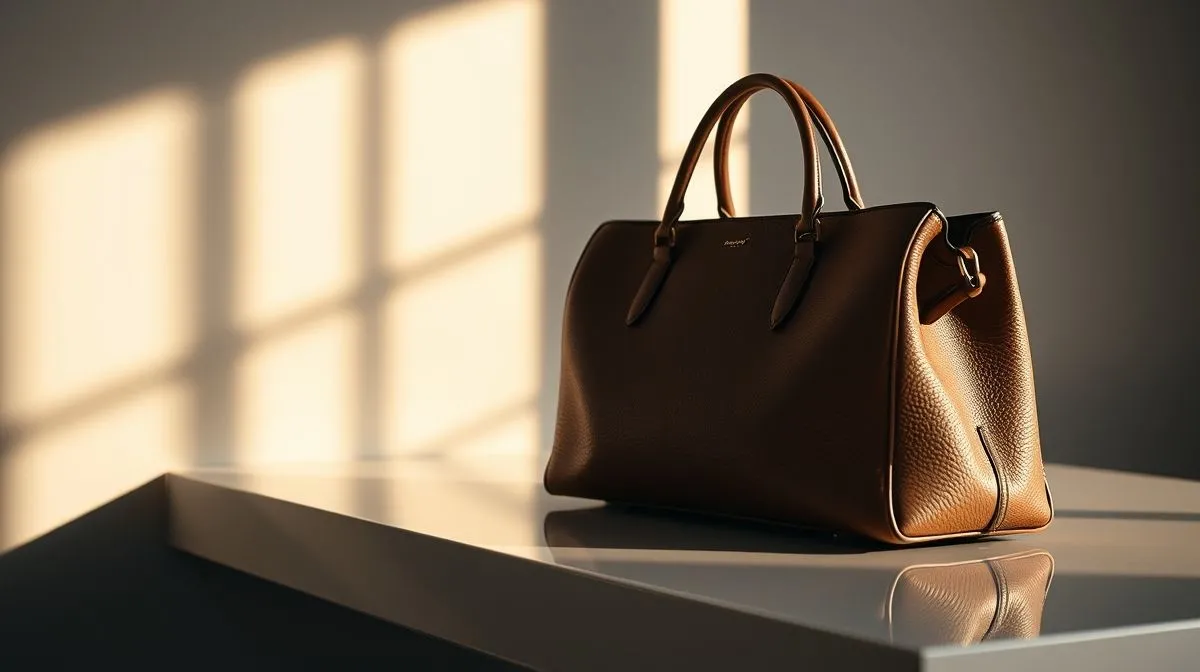
Decoding Luxury: What Makes a Luxury Designer Brand Worth Buying?
Have you ever paused to wonder why some brands command prices that seem to defy logic, while others, seemingly similar, remain within reach? What is it about a designer label that transforms a simple item into a coveted treasure, an object of desire that transcends mere utility? Is it just a name, a fleeting trend, or something far more profound?
The allure of luxury designer brands is undeniable, yet the true value proposition often remains opaque to the casual observer. Many question whether the exorbitant cost truly translates into a superior product or if it's simply a clever marketing ploy designed to appeal to our aspirational selves. This article delves deep into this very question, dissecting the multifaceted layers that contribute to the perceived and actual worth of high-end designer goods.
By the end of this comprehensive guide, you will gain a profound understanding of the intricate factors that elevate certain brands to iconic status, from their storied heritage and unparalleled craftsmanship to their exclusivity and enduring investment potential. You will learn precisely what makes a luxury designer brand worth buying, empowering you to make informed decisions and appreciate the artistry behind these esteemed creations.
The Unseen Tapestry: Heritage and Brand Story
At the heart of every truly valuable luxury brand lies a compelling story, a rich heritage woven through decades, sometimes centuries, of innovation, tradition, and artistry. This narrative isn't just marketing fluff; it's the very foundation upon which a brand's identity and perceived value are built.
More Than Just a Label: The Power of Legacy
Consider brands like Hermès, Chanel, or Louis Vuitton. Their names evoke images not just of products, but of a particular era, a specific aesthetic, and a lineage of master artisans. This legacy provides a sense of authenticity and timelessness that mass-produced items simply cannot replicate. It’s the assurance that you are not just buying an item, but a piece of history, a continuation of a grand tradition.
The stories of their founders, their early struggles, their breakthroughs, and their iconic designs become part of the product itself. For instance, the Chanel 2.55 flap bag isn't just a bag; it's a symbol of Coco Chanel's rebellion against restrictive fashion and her vision for liberated women. This narrative adds an intangible value that no price tag can fully capture.
Crafting Narratives: Emotional Connection
Luxury brands are masters of storytelling. They don't just sell products; they sell dreams, aspirations, and a lifestyle. Through meticulous branding, advertising, and curated experiences, they forge a deep emotional connection with their clientele. This connection transforms a transactional purchase into an emotional investment.
When you buy a luxury item, you are often buying into a dream—a dream of elegance, success, adventure, or sophistication. This emotional resonance is a powerful driver of perceived worth and loyalty, making customers willing to pay a premium for something that resonates so deeply with their personal values and aspirations.
The Pinnacle of Craftsmanship and Quality Materials
Perhaps the most tangible reason for the elevated cost and enduring appeal of luxury goods is the unparalleled commitment to craftsmanship and the use of the finest materials available. This is where the true intrinsic value often lies, setting these items apart from their high-street counterparts.
Artisan Mastery: Hand-Finished Perfection
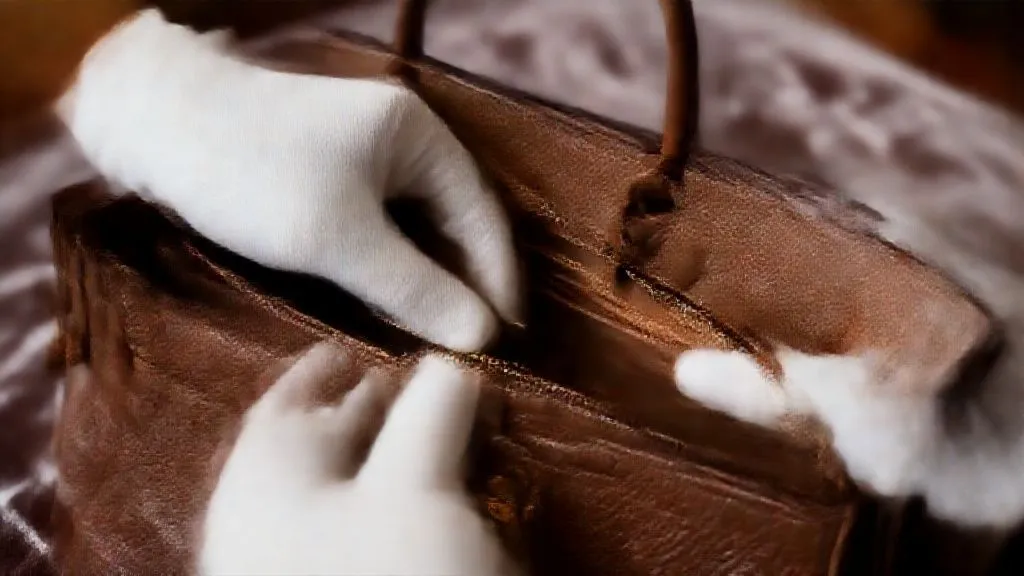
Many luxury items are not mass-produced on assembly lines. Instead, they are often handcrafted by highly skilled artisans who have dedicated years, sometimes decades, to mastering their trade. This artisanal approach ensures meticulous attention to detail, precision, and a level of finish that automated processes cannot achieve.
For example, a single Birkin bag can take a skilled artisan over 18 hours to create, using techniques passed down through generations. This human touch, the imperfections that signify its handmade nature, and the sheer dedication involved, contribute significantly to its worth. It’s the difference between a mass-produced print and an original oil painting.
Beyond Durability: The Sourcing of Excellence
The materials used in luxury goods are typically of the highest possible grade. This includes ethically sourced, full-grain leathers that age beautifully, precious metals and gemstones, rare fabrics like cashmere and silk from specific regions, and innovative technical textiles developed exclusively for the brand.
These materials are chosen not just for their aesthetic appeal but for their durability, longevity, and how they feel and perform over time. While a cheaper item might quickly show wear and tear, a well-made luxury piece is designed to last for generations, becoming an heirloom rather than a disposable commodity. This commitment to superior raw materials is a core component of what makes a luxury designer brand worth buying.
Exclusivity, Rarity, and the Allure of Scarcity
In a world of mass consumption, luxury brands thrive on the principle of scarcity. Exclusivity isn't just a marketing tactic; it's a fundamental aspect of their business model and a powerful driver of demand and perceived value.
Limited Editions and Bespoke Creations
Many luxury brands intentionally limit production runs, create special limited editions, or offer bespoke services. This strategy creates a sense of urgency and desirability, as consumers know that these items are not readily available to everyone. The fear of missing out (FOMO) is a potent psychological trigger in the luxury market.
Bespoke services, where an item is custom-made to a client's exact specifications, represent the pinnacle of exclusivity. This personalized approach transforms a product into a unique piece of art, tailored to the individual, further justifying its premium price tag and enhancing its emotional value.
The Status Symbol: A Mark of Distinction
For many, owning a luxury item is also about signaling status, taste, and achievement. In a society where material possessions often reflect success, luxury goods serve as powerful symbols of distinction. They communicate a certain lifestyle and adherence to specific aesthetic values.
This social aspect of luxury consumption is a significant part of its appeal. It's not just about owning something beautiful; it's about belonging to an exclusive club, demonstrating one's discernment, and enjoying the recognition that comes with possessing an item that signifies quality and prestige. According to a report by Bain & Company, the desire for status and self-expression remains a key motivator for luxury consumers, especially in emerging markets.
The Enduring Value: Investment and Resale Potential
Unlike fast fashion, which depreciates rapidly, certain luxury items, particularly those from heritage brands, can maintain or even increase their value over time. This makes them not just purchases, but potential investments.
Luxury as an Asset: Holding Its Worth
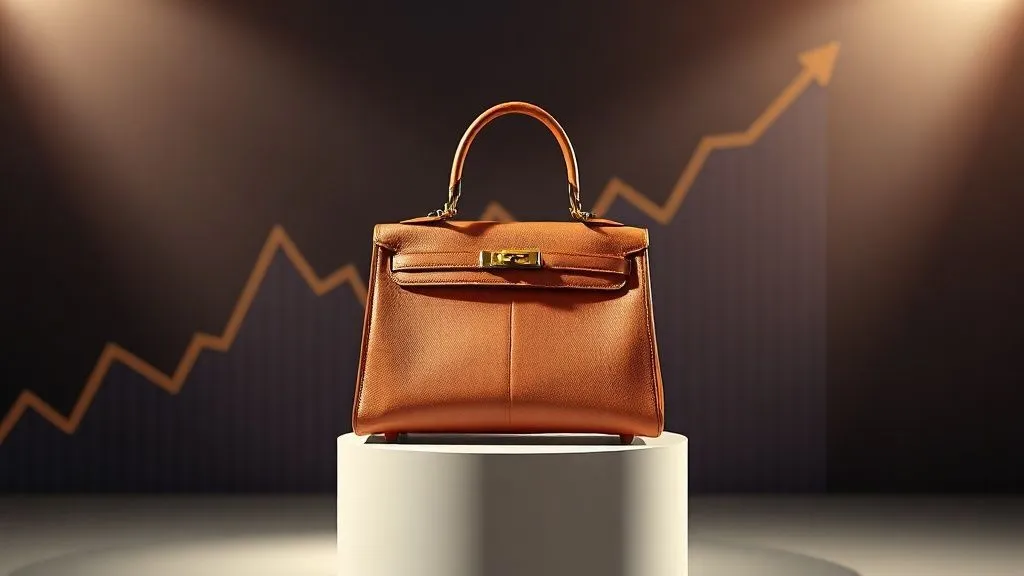
The concept of luxury as an investment is particularly true for iconic bags from brands like Hermès (Birkin, Kelly), Chanel (Classic Flap), and certain watches from Rolex or Patek Philippe. These items often appreciate in value due to their limited supply, high demand, and timeless design.
For instance, the Hermès Birkin bag has historically outperformed traditional investments like gold and the stock market, making it a tangible asset that can be passed down through generations. This aspect significantly contributes to what makes a luxury designer brand worth buying for many discerning consumers.
Navigating the Secondary Market
The robust secondary market for luxury goods further underscores their enduring value. Platforms like The RealReal, Vestiaire Collective, and Sotheby's allow consumers to buy and sell pre-owned luxury items, often at prices that reflect their continued desirability. This liquidity provides a sense of security for buyers, knowing that their investment is not entirely lost if they choose to sell it later.
The existence of a thriving resale market reinforces the idea that these are not mere consumables but durable goods with intrinsic and sustained market value. This is a stark contrast to the vast majority of consumer products that lose a significant portion of their value the moment they are purchased.
Beyond the Product: The Luxury Experience
Purchasing a luxury item is rarely just about the transaction. It's an entire experience, carefully curated to make the customer feel valued, special, and part of an exclusive world.
Impeccable Service and Personalization
From the moment you step into a luxury boutique, you are greeted with a level of service that goes far beyond standard retail. Sales associates are often highly knowledgeable, offering personalized advice and attention. This might include private shopping appointments, after-sales care, or even invitations to exclusive brand events.
This personalized service builds strong relationships between the brand and its clients, fostering loyalty and a sense of belonging. It transforms shopping from a chore into a luxurious ritual, reinforcing the idea that the customer is not just buying a product, but investing in an entire lifestyle.
The Retail Environment as an Art Form
Luxury boutiques are meticulously designed spaces that reflect the brand's aesthetic and values. They are often architectural marvels, designed to evoke a sense of grandeur, exclusivity, and beauty. The lighting, decor, music, and even the scent are all carefully chosen to create an immersive and memorable experience.
These retail environments are not just places to buy products; they are brand temples, designed to transport the customer into the brand's universe. This holistic approach to the customer journey adds another layer of value, making the act of purchase as enjoyable and memorable as the product itself.
Sustainability and Ethical Practices: A New Dimension of Value
In an increasingly conscious world, the value of luxury brands is also being measured by their commitment to sustainability and ethical practices. Consumers are becoming more discerning, demanding transparency and responsibility from the brands they support.
Conscious Consumption in High Fashion
Luxury brands are increasingly recognizing the importance of environmental stewardship and social responsibility. This includes sourcing materials ethically, reducing their carbon footprint, ensuring fair labor practices, and investing in sustainable innovation.
Brands that genuinely commit to these principles not only appeal to a growing segment of conscious consumers but also add another layer of intrinsic value to their products. Knowing that your luxury item was produced responsibly can enhance its perceived worth and align with personal values, making it a more desirable purchase.
Transparency and Traceability
The ability to trace a product's journey from raw material to finished good is becoming a significant factor for luxury consumers. Brands that offer transparency about their supply chains and production processes build greater trust and credibility. This commitment to ethical production reinforces the idea that the brand is not just about profit, but also about principles.
For more insights into the luxury market and its evolving dynamics, you can refer to comprehensive reports from consulting firms specializing in the sector, such as Bain & Company's annual Luxury Goods Worldwide Market Study. Additionally, understanding the ethical dimensions of production can be further explored through resources like the Fairtrade Foundation.
Avoiding Pitfalls: What to Look Out For
While the allure of luxury is strong, it's crucial to approach purchases with discernment. Not every high-priced item truly embodies the value principles discussed, and the market is rife with imitations.
Authenticity and Counterfeits
The success of luxury brands inevitably leads to a booming counterfeit market. These imitations may look similar but lack the quality, craftsmanship, and ethical sourcing of genuine items. Purchasing from authorized retailers or reputable secondary market platforms is paramount to ensure authenticity.
Many brands now employ advanced authentication technologies, from microchips to blockchain, to help consumers verify the legitimacy of their products. Always do your due diligence to avoid supporting illicit trade and to ensure you receive the true value you pay for.
Marketing Hype vs. True Value
Some brands, while positioned as luxury, might rely more heavily on aggressive marketing and celebrity endorsements rather than genuine substance. It's important to look beyond the glitz and assess the tangible factors: materials, construction, brand history, and resale potential.
A truly discerning buyer understands that real luxury is quiet confidence, not loud ostentation. It's about enduring quality and timeless design, not fleeting trends. For further reading on the history and evolution of luxury, Wikipedia offers a well-referenced overview: Luxury goods on Wikipedia.
Frequently Asked Questions (FAQ)
Is buying luxury fashion an investment? While not all luxury items appreciate, iconic pieces from top-tier brands with strong heritage and limited supply can indeed hold or increase their value over time, making them a form of investment.
How can I tell if a luxury item is authentic? Always purchase from official brand boutiques, authorized retailers, or highly reputable and authenticated resale platforms. Look for specific details like stitching, serial numbers, material quality, and packaging that are hard for counterfeiters to replicate.
Do luxury brands offer better quality than high-street brands? Generally, yes. Luxury brands invest in superior raw materials, highly skilled craftsmanship, and rigorous quality control, resulting in products that are designed to be more durable, last longer, and age more gracefully than mass-produced items.
Are luxury items more sustainable? Not inherently, but many luxury brands are increasingly committing to sustainable and ethical practices in their supply chains and production. Look for brands that are transparent about their efforts and have verifiable certifications or initiatives.
Recommended Reading
- Eco-Friendly Athletic Wear: Sustainable Synthetics Unveiled!
- Style a Pearl Necklace Everyday? The Ultimate Style Guide!
- Unlocking the Past: Researching 18th Century Dress Patterns
- Zero Waste Fashion Wardrobe: Your Ultimate Start-Up Guide
- AR Revolution: How is AR Changing Fashion Retail Now? The Future!
Conclusion
The question of what makes a luxury designer brand worth buying is complex, extending far beyond simple price tags. It encompasses a rich tapestry of heritage, unparalleled craftsmanship, the use of exquisite materials, and the powerful allure of exclusivity. Furthermore, the enduring value, potential for investment, and the meticulously curated customer experience all contribute to the profound worth attributed to these items. As the market evolves, ethical practices and sustainability are also becoming increasingly integral to a brand's true value. Ultimately, investing in a luxury designer brand is not merely a purchase; it's an acquisition of artistry, legacy, and a piece of enduring quality that often transcends fleeting trends, offering both tangible and intangible returns that resonate deeply with the discerning consumer.

Your email address will not be published. Required fields are marked *