


How to Start a Zero Waste Fashion Wardrobe
Have you ever looked into your closet, overflowing with clothes, and yet felt like you had nothing to wear? The fast fashion industry has conditioned us to constantly buy new items, contributing to massive textile waste and environmental damage. But what if there was a better way?
Many people find themselves overwhelmed by the idea of creating a zero waste fashion wardrobe. The question arises: how can you balance style and sustainability, affordability and ethics?
This guide provides a comprehensive roadmap to building a zero waste fashion wardrobe. You'll learn practical steps, from decluttering your existing clothes to making conscious purchasing decisions, embracing secondhand fashion, and caring for your garments to extend their lifespan. By the end of this article, you'll have the knowledge and tools to curate a stylish and sustainable wardrobe that aligns with your values.
Understanding Zero Waste Fashion
What is Zero Waste Fashion?
Zero waste fashion is a holistic approach to clothing that aims to minimize waste throughout the entire lifecycle of a garment, from design and production to consumption and disposal. It's about creating a closed-loop system where resources are used efficiently and waste is minimized or eliminated. This contrasts sharply with the linear 'take-make-dispose' model of fast fashion, which contributes significantly to environmental pollution and resource depletion.
Why is Zero Waste Fashion Important?
The fashion industry is a major polluter. According to the United Nations Environment Programme (UNEP), the fashion industry is responsible for 8-10% of global carbon emissions. Furthermore, vast amounts of water and chemicals are used in textile production, leading to water pollution and ecosystem damage. By embracing zero waste fashion, we can reduce our environmental impact and promote a more sustainable future.
- Reduces textile waste in landfills.
- Minimizes water and chemical usage in production.
- Lowers carbon emissions from manufacturing and transportation.
- Promotes ethical labor practices.
Step 1: Assess and Declutter Your Current Wardrobe
Taking Stock of What You Have
Before you can build a zero waste fashion wardrobe, you need to understand what you already own. Take everything out of your closet and lay it out. This allows you to see the full extent of your wardrobe and identify items you no longer wear or need.
The Decluttering Process
Be honest with yourself. Ask these questions about each item:
- Have I worn this in the past year?
- Does it fit properly and flatter my body?
- Is it in good condition?
- Do I love it and feel good wearing it?
If the answer to any of these questions is 'no', it's time to let go. Sort your clothes into categories: keep, donate, sell, recycle, and repurpose.
Step 2: Embrace Secondhand and Vintage Fashion
The Benefits of Buying Used
Buying secondhand clothing is one of the most impactful ways to reduce your fashion footprint. It extends the life of existing garments, reduces the demand for new production, and saves resources. Plus, it's often more affordable and allows you to find unique, high-quality pieces.
- Reduces the demand for new clothing production.
- Saves resources like water, energy, and raw materials.
- Offers unique and often higher-quality items.
- Is typically more affordable than buying new.
Where to Find Secondhand Clothing
Explore various options for buying used clothing:
- Thrift stores: Local thrift stores often have a wide selection of clothing at very affordable prices.
- Consignment shops: These stores typically offer higher-end secondhand clothing in good condition.
- Online marketplaces: Platforms like eBay, Poshmark, and Depop offer a vast selection of used clothing from individual sellers.
- Vintage stores: Specializing in clothing from past eras, vintage stores offer unique and stylish pieces.
- Clothing swaps: Organize or attend clothing swaps with friends or community members to exchange unwanted items.
Step 3: Choose Sustainable and Ethical Brands
Understanding Sustainable Materials
When buying new clothing, opt for brands that use sustainable materials such as:
- Organic cotton: Grown without harmful pesticides and fertilizers.
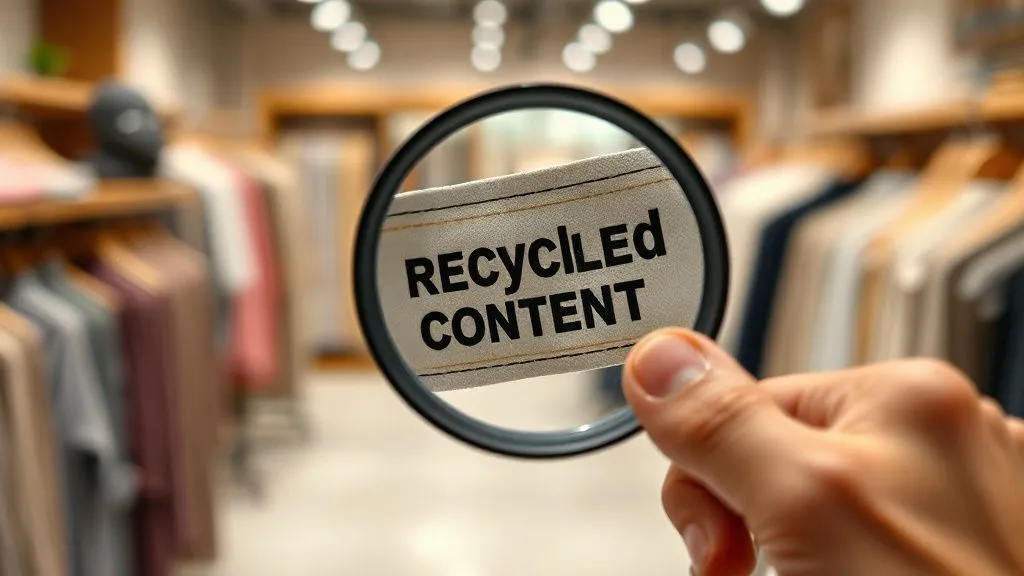
- Recycled materials: Made from recycled plastic bottles, fabric scraps, or other waste materials.
- Tencel (Lyocell): A sustainable fabric made from wood pulp in a closed-loop process.
- Linen: A durable and sustainable fabric made from flax fibers.
Ethical Considerations
Beyond materials, consider the ethical practices of the brands you support. Look for companies that:
- Pay fair wages to their workers.
- Provide safe and healthy working conditions.
- Are transparent about their supply chain.
- Are certified by organizations like Fair Trade or GOTS (Global Organic Textile Standard).
Websites like Good On You rate brands based on their environmental and ethical impact, offering a valuable resource for conscious consumers.
Step 4: Build a Capsule Wardrobe
What is a Capsule Wardrobe?
A capsule wardrobe is a collection of essential clothing items that can be mixed and matched to create a variety of outfits. It typically consists of 25-50 pieces, including clothing, shoes, and accessories.
Creating Your Capsule Wardrobe
Start by identifying your personal style and the types of clothing you wear most often. Choose versatile items in neutral colors that can be easily combined. Consider the climate and your lifestyle when selecting your pieces.
A basic capsule wardrobe might include:
- A classic white shirt
- A pair of well-fitting jeans
- A black blazer
- A neutral-colored sweater
- A little black dress
- Comfortable and versatile shoes
Gradually build your capsule wardrobe by adding pieces that complement your existing items and reflect your personal style.
Step 5: Care for Your Clothes Properly
Extending the Lifespan of Your Garments
Proper care is essential for making your clothes last longer. Follow these tips:
- Wash your clothes less often: Over-washing can damage fabrics and fade colors.
- Wash in cold water: Cold water is gentler on fabrics and saves energy.
- Use a gentle detergent: Harsh detergents can break down fibers and cause damage.
- Air dry your clothes: Avoid using the dryer, which can shrink and damage clothing.
- Repair your clothes: Learn basic sewing skills to mend tears, replace buttons, and fix zippers.
Storage Tips
Proper storage can also help extend the life of your clothes:
- Fold sweaters and delicate items to prevent stretching.
- Hang clothes on padded hangers to maintain their shape.
- Store clothes in a cool, dry place away from direct sunlight.
- Use garment bags to protect delicate items from dust and moths.
Step 6: Get Creative with Repurposing and Upcycling
Transforming Old Clothes
Instead of throwing away old or damaged clothes, consider repurposing or upcycling them. This involves transforming them into something new and useful.
Here are some ideas:
- Turn old t-shirts into cleaning rags or tote bags.
- Cut up old jeans to make patches for other clothing.
- Use fabric scraps to create quilts or patchwork items.
- Transform old sweaters into pillow covers or blankets.
Learning Upcycling Skills
There are many online tutorials and workshops that can teach you upcycling skills. Experiment with different techniques and let your creativity flow.
According to a study by the Ellen MacArthur Foundation, extending the life of clothing by just nine months could reduce its carbon, water, and waste footprint by 20-30%.
Frequently Asked Questions (FAQ)
What if I can't find sustainable options that fit my budget? Start small. Focus on buying fewer, higher-quality items that will last longer. Explore secondhand options and sales from ethical brands. Prioritize essential pieces and gradually replace less sustainable items over time.
How can I avoid greenwashing from brands claiming to be sustainable? Look for certifications from reputable organizations like Fair Trade, GOTS, or OEKO-TEX. Research the brand's supply chain and look for transparency in their practices. Be wary of vague claims and prioritize brands that provide specific information about their environmental and ethical efforts.
What do I do with clothes that are too worn to donate or sell? Check if there are textile recycling programs in your area. Some organizations collect old clothes and recycle them into new materials. You can also repurpose the fabric for cleaning rags or other household uses.
Is zero waste fashion expensive? It can be initially, but in the long run, it can save you money. Investing in durable, high-quality pieces that last longer reduces the need for frequent replacements. Secondhand shopping is also a budget-friendly option.
Recommended Reading
- Best Leggings for Sweaty Workouts: Ultimate Comfort & Performance
- Petite Style Guide: What to Wear Daily for a Flattering Fit!
- Ultimate Guide: Best Casual Shoes for Wide Feet Men
- Ultimate Guide: Best Men's Skincare Routine for Sensitive Skin
- Haute Couture Consultations: Ask These Questions!
Conclusion
Starting a zero waste fashion wardrobe is a journey, not a destination. It requires conscious choices, a willingness to embrace secondhand fashion, and a commitment to caring for your clothes. By following the steps outlined in this guide, you can create a stylish and sustainable wardrobe that aligns with your values and reduces your environmental impact. Embrace the challenge and enjoy the process of building a wardrobe that reflects your commitment to a better world. Remember that every small step counts towards a more sustainable future for fashion.




Your email address will not be published. Required fields are marked *