

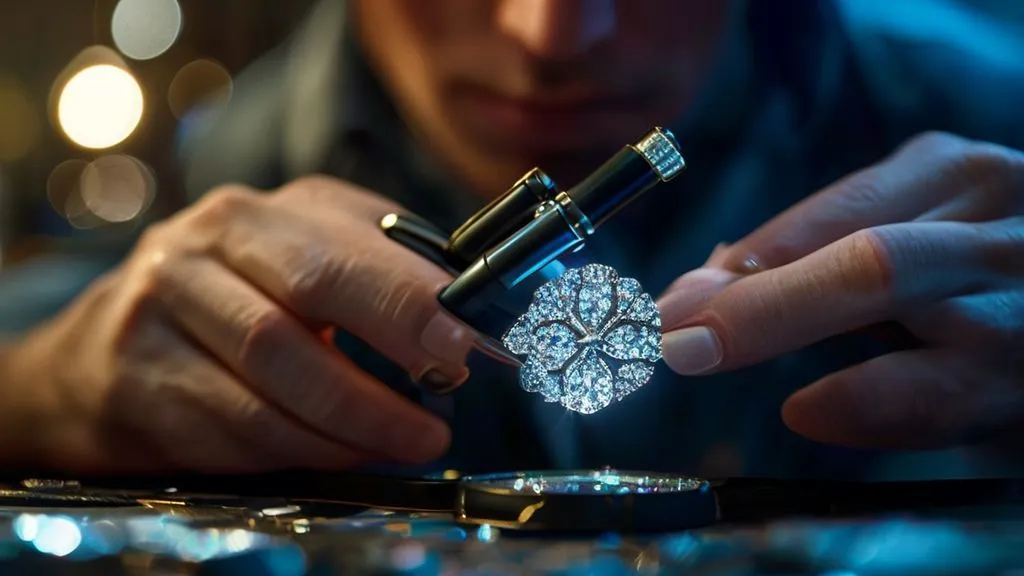
How to Prevent Micro-Pavé Diamond Setting Flaws in Custom Jewelry?
For over two decades in the high-stakes world of fine jewelry design and manufacturing, I've witnessed the sheer brilliance and devastating fragility of micro-pavé settings. It's a technique that, when executed flawlessly, transforms a piece into a breathtaking tapestry of light. Yet, I've also seen the heartbreak – the loose diamonds, the uneven rows, the dull sparkle – all stemming from preventable flaws.
The problem is pervasive: a custom micro-pavé piece, often a significant investment, can quickly lose its allure and value if the tiny diamonds aren't securely and precisely set. Clients expect perfection, and rightfully so. When a micro-pavé diamond falls out, it's not just a lost stone; it's a breach of trust, a blow to a brand's reputation, and a costly repair.
In this definitive guide, I'll share the accumulated wisdom from years on the bench and in the design studio. We'll delve into the critical stages where micro-pavé flaws often originate and, more importantly, equip you with actionable strategies, expert insights, and proven techniques to ensure your custom jewelry pieces boast impeccable, enduring micro-pavé settings. You’ll learn not just what to do, but why, helping you master the art of flawless diamond setting.
The Intricate World of Micro-Pavé: Why Precision Matters
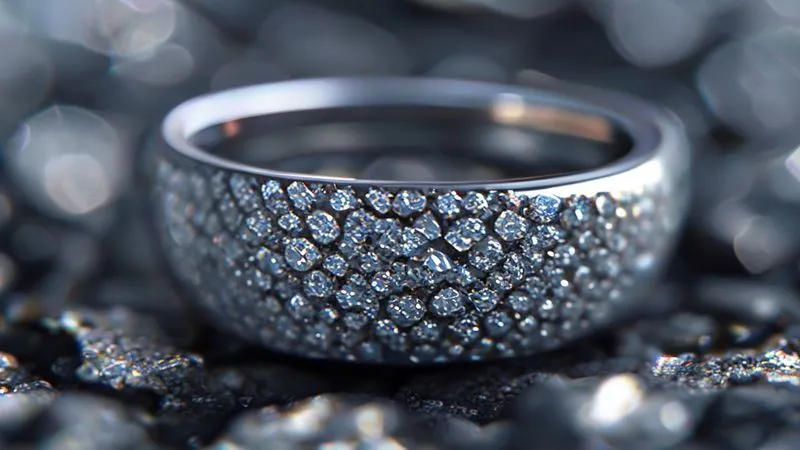
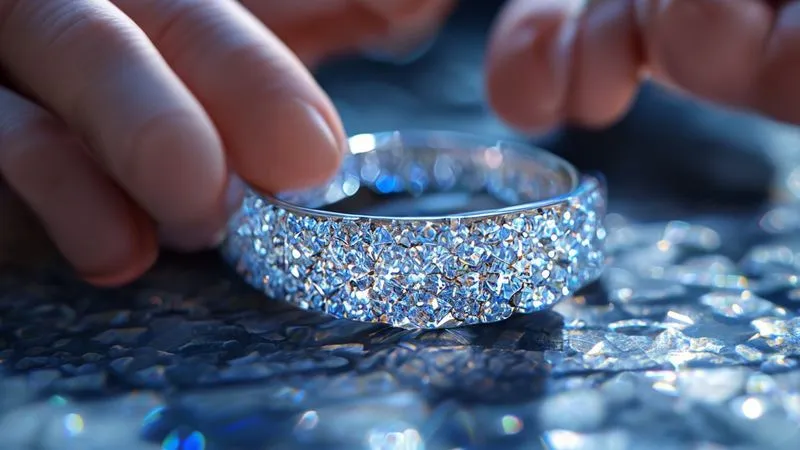
Micro-pavé is a setting style where small diamonds, typically under 0.01 carat, are set very closely together with minimal visible metal between them. The metal is carefully burred, and tiny beads of metal are raised and pushed over the girdle of each diamond to hold it securely. The result is a continuous surface of sparkle, giving the illusion of a solid diamond crust.
Its appeal lies in this ethereal sparkle and the ability to enhance the brilliance of larger central stones or create stunning standalone pieces. However, its very nature – the minute size of the diamonds, the delicate metalwork, and the sheer number of stones involved – makes it incredibly susceptible to flaws. A slight miscalculation, a moment of haste, or an oversight in quality control can compromise an entire design.
In my experience, the difference between a mediocre micro-pavé piece and a masterpiece often comes down to an almost obsessive attention to detail at every single stage of production. There are no shortcuts in micro-pavé; only meticulous craftsmanship yields enduring beauty.
1. The Foundation: Design Integrity and CAD/CAM Excellence
The journey to flawless micro-pavé begins long before a diamond touches metal – it starts with the design itself. A robust and well-conceived CAD (Computer-Aided Design) model is the bedrock upon which all successful micro-pavé is built.
Initial Design Flaws: A Hidden Danger
Many micro-pavé issues are actually engineered into the piece at the design stage. Insufficient metal thickness, incorrect burr depths, or poorly planned diamond layouts can doom a piece before it even leaves the printer. The CAD model must account for the physical realities of setting, polishing, and wear.
- Precise Diamond Mapping: Ensure that each diamond's exact size and position are meticulously planned in CAD, allowing for optimal spacing and bead formation.
- Adequate Metal Volume: Design with enough metal for strong prongs and beads. Too thin, and the metal won't hold; too thick, and it will overpower the diamonds.
- Optimized Burr Depth: The CAD should guide the burr depth, ensuring the diamond's girdle sits securely within the metal, neither too high nor too low.
- Consideration for Finishing: Factor in how polishing and plating will affect the delicate settings. Aggressive polishing can easily thin out prongs.
Choosing the Right Metal Alloy
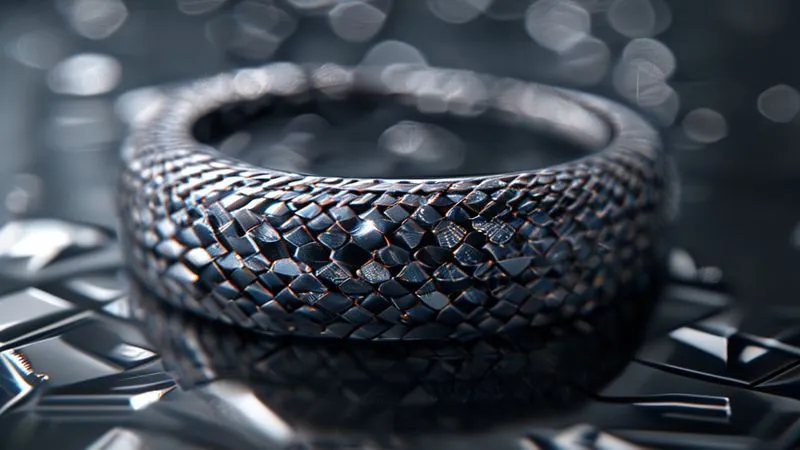
The choice of metal alloy is paramount. Not all alloys are created equal when it comes to micro-pavé. Softer metals can lead to diamonds loosening over time, while overly brittle alloys can crack during setting or wear.
I've seen countless issues arise from using porous or incorrect alloys. Platinum, with its density and malleability, is often considered ideal for micro-pavé due to its strength and ability to hold a fine edge. Gold alloys, particularly 14k or 18k, also perform well, provided they are of high quality and appropriate hardness. Avoid alloys with high porosity, as these can lead to weak settings and visible imperfections. Always source your alloys from reputable suppliers to ensure consistent quality and composition. For more on metal properties in jewelry, I often refer to authoritative guides like those found on the Gemological Institute of America (GIA) website.
2. Masterful Stone Selection: Consistency is Key
Even the most perfectly designed CAD model and the finest alloy can't compensate for inconsistent diamonds. Stone selection is a critical, often underestimated, factor in preventing micro-pavé diamond setting flaws in custom jewelry.
Calibrated Diamonds: Non-Negotiable
The cornerstone of beautiful micro-pavé is perfectly calibrated diamonds. This means every diamond in a batch must be precisely the same size, cut, and quality. A variation of even a few hundredths of a millimeter can disrupt the entire setting, leading to gaps, uneven surfaces, or diamonds sitting too high or too low.
As a veteran in this field, I cannot stress enough: if your diamonds aren't consistently calibrated, you are setting yourself up for failure. There is no 'making it work' with micro-pavé; precision in stone size is paramount for a seamless, secure setting.
Invest in high-quality, pre-calibrated diamonds from a trusted supplier. While it might seem like a small additional cost upfront, it saves countless hours of re-setting and potential client dissatisfaction down the line.
Pre-Setting Inspection Protocols
Before any diamond is set, it must undergo a thorough inspection. This isn't just about checking for calibration, but also for any inherent flaws in the stone itself that could compromise the setting or its longevity.
- Size Verification: Use a precise digital caliper or a specialized sieve plate to verify the exact diameter of a sample of stones from each batch.
- Cut Uniformity: Visually inspect for consistent cut quality, ensuring all diamonds reflect light similarly and have consistent girdle thicknesses.
- Clarity Check: While micro-pavé diamonds are small, significant inclusions or chips can weaken the stone or become visible.
- Color Consistency: Ensure consistent color grades across the entire batch for a uniform appearance.
3. The Setter's Art: Technique, Tools, and Training
The human element in micro-pavé setting is arguably the most crucial. Even with perfect design and stones, an inexperienced or rushed setter can introduce a multitude of flaws.
The Skill of the Pavé Setter
Micro-pavé setting is a highly specialized skill that takes years to master. It requires exceptional hand-eye coordination, patience, and a deep understanding of metal properties. A skilled setter knows exactly how much pressure to apply, how to form a strong bead, and how to create a perfectly even surface of diamonds.
I've seen brilliant designs ruined by a setter who lacked the 'feel' for micro-pavé. It's not just about pushing metal; it's an intuitive dance between the graver, the diamond, and the metal, ensuring each stone is cradled perfectly and securely.
Always prioritize working with experienced, reputable setters. If you're building an in-house team, invest heavily in their training, providing them with mentorship and ample practice opportunities. Continuous professional development is key to maintaining high standards.
Specialized Tools and Their Proper Use
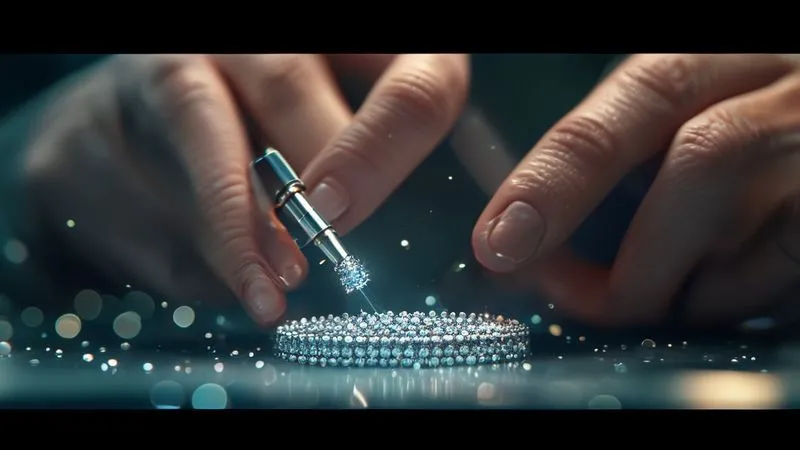
Micro-pavé demands specialized tools, and their correct use is non-negotiable. Using the wrong burr, a dull graver, or an unstable microscope can lead to compromised settings.
- High-Magnification Microscope: Essential for precise work, allowing the setter to see the minute details of each stone and bead.
- Precision Gravers: Sharpened to specific angles and shapes for creating clean burrs and forming strong, uniform beads.
- Specialized Burs: Used for creating the initial seats for the diamonds, ensuring proper depth and fit.
- Vacuum Pickup Tools: For safely handling and positioning the tiny diamonds without damage.
Case Study: The "Halo of Shame"
I recall a time early in my career when a fledgling jewelry brand approached me after a disastrous run of micro-pavé halo rings. They had outsourced their setting to a low-cost workshop, resulting in what I dubbed the "Halo of Shame" – rings where diamonds were falling out almost immediately, prongs were bent, and the overall sparkle was dismal. Their client returns were skyrocketing, and their reputation was in tatters.
We conducted a full audit and discovered several critical flaws: inconsistent diamond calibration, an alloy that was too soft, and most significantly, setters who were paid by volume, not quality, leading to rushed work and improper bead formation. To rectify this, we implemented a three-step corrective strategy:
- Supplier Vetting: They switched to a verified diamond supplier providing consistently calibrated stones.
- In-House Training: They invested in an experienced master setter to train their own team, focusing on proper technique, microscope usage, and quality checkpoints.
- Process Overhaul: Implemented a multi-stage quality control system where each setter's work was independently verified before moving to the next stage of production.
Within six months, their return rate for micro-pavé items dropped by 80%, and their customer satisfaction scores soared. This case vividly illustrates that preventing micro-pavé diamond setting flaws in custom jewelry requires a holistic approach, starting with design and extending through every hand that touches the piece.
4. Post-Setting Scrutiny: Rigorous Quality Control
Once the diamonds are set, the work is far from over. A comprehensive, multi-stage quality control (QC) process is absolutely vital to catch any lingering flaws before the piece reaches the client.
Multi-Stage Inspection Points
I advocate for a tiered QC approach, where different stages of inspection are performed by different individuals or at different points in the production cycle. This prevents 'tunnel vision' and ensures fresh eyes catch what others might have missed.
- Setter's Self-Inspection: Immediately after setting, the setter performs a thorough check of their own work under magnification.
- Peer Review: Another experienced setter or a dedicated QC specialist inspects the piece for any inconsistencies or loose stones.
- Pre-Polishing Check: Before polishing, the piece is inspected again, as polishing can sometimes reveal subtle flaws or weaknesses.
- Final Inspection: After all finishing processes (polishing, plating), a meticulous final inspection is conducted to ensure no damage occurred during these stages.
These rigorous checks are crucial. For industry benchmarks and best practices in quality control, resources like the International Organization for Standardization (ISO) provide valuable frameworks, even if not specifically for jewelry, the principles apply.
Common Setting Flaws to Watch For
During QC, specific flaws are red flags that indicate a compromised setting. Knowing what to look for is half the battle.
- Loose Stones: The most common and critical flaw. Each stone should feel absolutely secure when gently probed with a fine pick.
- Uneven Spacing/Alignment: Diamonds should be uniformly spaced and aligned, forming smooth, continuous lines.
- High/Low Settings: Diamonds sitting too high are prone to chipping or falling out; too low, and they lose their brilliance.
- Bent or Weak Prongs/Beads: Prongs should be sturdy and evenly formed, securely covering the diamond's girdle without obscuring its table.
- Metal Burrs/Roughness: Any rough edges or burrs around the settings indicate poor finishing and can snag clothing or irritate skin.
- Missing Diamonds: An obvious but sometimes overlooked flaw in complex pieces.
| Flaw Type | Common Cause | Prevention Strategy |
|---|---|---|
| Loose Diamond | Improper burring, weak prongs, aggressive polishing | Precise burring, sturdy bead formation, gentle finishing |
| Uneven Setting/Spacing | Inconsistent diamond size, setter's lack of skill, rushed work | Calibrated stones, experienced setter, meticulous layout |
| Bent/Broken Prongs | Insufficient metal, aggressive wear, poor initial formation | Adequate metal thickness, skilled prong shaping, client education on care |
| Metal Burrs/Roughness | Incomplete finishing, lack of post-setting cleanup | Thorough deburring, careful polishing, multi-stage inspection |
5. Finishing Touches: Polishing, Plating, and Care
The final stages of jewelry production can ironically be the undoing of perfect micro-pavé if not handled with extreme care. Polishing and plating, while essential for beauty, are also potential sources of new flaws.
The Perils of Aggressive Polishing
Over-polishing is a silent killer of micro-pavé. Aggressive buffing can thin out the delicate beads and prongs that hold the diamonds, weakening their grip and increasing the risk of stones falling out. It can also round off the sharp edges of the setting, diminishing the visual crispness.
Use gentle polishing techniques, specialized small buffs, and lower-speed motors around micro-pavé sections. Hand-finishing with soft cloths and fine compounds is often preferred for these delicate areas. The goal is to bring out the metal's luster without compromising the integrity of the settings.
Rhodium Plating Considerations
For white gold micro-pavé, rhodium plating is standard to achieve a bright, white finish. However, a thick or uneven layer of rhodium can mask subtle setting flaws, or worse, create new ones. A heavy plating can fill in the tiny spaces between diamonds, dulling their sparkle, or even put stress on delicate prongs.
Ensure the piece is meticulously cleaned before plating. The rhodium bath should be fresh, and the plating process carefully controlled to achieve a thin, even layer. For insights into proper plating techniques, resources from organizations like the Manufacturing Jewelers & Suppliers of America (MJSA) can be invaluable.
6. Client Education: Setting Expectations and Ensuring Longevity
Even a perfectly crafted micro-pavé piece requires proper care. Educating your clients is a crucial, often overlooked, step in preventing perceived flaws and ensuring the longevity of their custom jewelry.
Communicating Care Instructions
Clients often treat all jewelry the same, unaware of the specific vulnerabilities of micro-pavé. Providing clear, concise care instructions empowers them to protect their investment.
- Avoid Harsh Chemicals: Advise against exposure to household cleaners, chlorine, and even some cosmetics, which can corrode metals or dull diamonds.
- Gentle Cleaning: Recommend cleaning with a soft brush, mild soap, and warm water, or professional cleaning, rather than ultrasonic cleaners which can dislodge stones if not used correctly.
- Remove During Activities: Emphasize removing the jewelry during strenuous activities, gardening, or when using tools, to prevent impacts that could damage settings.
- Regular Inspection: Encourage clients to visually inspect their jewelry regularly for any signs of loose stones or damage.
Lifetime Maintenance & Re-tipping
Position regular professional maintenance as a vital part of owning micro-pavé jewelry. Prongs and beads naturally wear down over time, especially on frequently worn pieces. Offering a service for periodic inspection and re-tipping (reinforcing the prongs) not only ensures the longevity of the piece but also builds long-term client relationships.
A transparent policy on repairs, maintenance, and what constitutes normal wear versus a manufacturing defect will build immense trust and prevent misunderstandings down the line. This proactive approach to client education is a powerful tool in preventing micro-pavé diamond setting flaws in custom jewelry from becoming a source of dissatisfaction.
Frequently Asked Questions (FAQ)
How often should I inspect my micro-pavé jewelry? I recommend a visual inspection every few weeks and a professional check-up at least once a year. A jeweler can use specialized tools and magnification to identify loose stones or worn prongs before they become a problem.
Can all jewelers fix micro-pavé flaws? No, not all jewelers have the specialized skills and equipment required for micro-pavé repair. It's crucial to seek out a highly experienced jeweler who specializes in fine diamond setting and has a reputation for quality work. Attempting a repair with an inexperienced hand can often cause more damage.
What's the difference between pavé and micro-pavé? While both involve setting many small diamonds, micro-pavé uses even smaller diamonds (typically under 0.01 carat) set extremely close together, with minimal visible metal. The beads holding the diamonds are also much smaller and more delicate, requiring greater precision than traditional pavé.
Does the metal choice really impact pavé durability? Absolutely. Softer metals like pure gold or low-karat gold alloys can wear down faster, causing prongs to weaken and diamonds to loosen. Platinum and high-quality 14k or 18k gold alloys (specifically formulated for durability) offer better longevity for micro-pavé settings due to their inherent strength and resistance to wear.
Is it normal for micro-pavé diamonds to fall out? No, it is not normal for diamonds to fall out of a well-made micro-pavé setting under typical wear. While accidents can happen, frequent loss of stones indicates a flaw in the initial design, setting technique, or metal quality. A high-quality micro-pavé piece, with proper care, should retain its diamonds for many years.
Key Takeaways and Final Thoughts
Preventing micro-pavé diamond setting flaws in custom jewelry is not a single action but a symphony of meticulous processes, expert hands, and unwavering commitment to quality. It's a journey from initial concept to the final, sparkling piece, demanding vigilance at every turn. As an experienced industry specialist, I’ve learned that the secret to enduring micro-pavé lies in respecting its inherent fragility and investing in its foundational strength.
- Start with Excellence: A flawless micro-pavé begins with precise CAD design and the selection of appropriate, high-quality metal alloys.
- Calibrated Stones are Essential: Inconsistent diamond sizing is a silent killer of micro-pavé quality. Prioritize perfectly calibrated stones.
- Invest in Skill: The setter's expertise is paramount. Support and train your setters, providing them with the right tools and environment.
- Rigorous QC: Implement multi-stage quality control to catch flaws at every production step, leaving no stone unturned.
- Gentle Finishing: Polishing and plating require extreme care to avoid compromising delicate settings.
- Educate Your Clients: Empower clients with proper care instructions to ensure the longevity and beauty of their custom pieces.
By adhering to these principles, you're not just crafting jewelry; you're building a legacy of quality and trust. The sparkle of a perfectly executed micro-pavé piece is a testament to the dedication, precision, and artistry that defines true fine jewelry. Strive for that perfection, and your custom creations will not only prevent flaws but also shine brilliantly for generations to come.
Recommended Reading
- How Do Luxury Streetwear Retailers Verify Authenticity? 7 Expert Methods Revealed
- 7 Master Steps: Fix Delicate Haute Couture Embellishments Invisibly
- Mastering Couture Pricing: 7 Keys to Valuing Bespoke Commissions Accurately
- Unlock the Secret to Sustainable Vintage Clothing Care: A Definitive Guide
- Master 5 Steps: Authenticate & Value Rare Vintage Designer Finds Fast


Your email address will not be published. Required fields are marked *