


How to Accurately Price Complex Haute Couture Bespoke Commissions?
For over two decades navigating the exquisite, often enigmatic, world of haute couture, I've witnessed firsthand the profound challenges designers face when translating unparalleled artistry into a tangible price. It's a dance between passion and pragmatism, where the soul of a creation meets the ledger of a business.
The problem is pervasive: many brilliant designers either undervalue their extraordinary work, leading to financial strain and burnout, or, in an attempt to capture true worth, inadvertently overprice, alienating potential clients. This isn't just about covering costs; it's about honoring the immense skill, time, and unique vision poured into every stitch of a bespoke commission. It's about sustaining a legacy of craftsmanship.
In this definitive guide, I will share the multi-faceted framework I've refined over years, offering actionable insights and a robust methodology to accurately price complex haute couture bespoke commissions. You’ll learn to quantify the intangible, justify your value, and ensure both your artistry and your business thrive in this most exclusive of fashion realms.
Understanding the True Cost of Creation: Beyond Fabric and Time
Pricing in haute couture begins not with a number, but with a deep, almost forensic, understanding of every component that contributes to the final masterpiece. This goes far beyond the simple sum of materials and labor hours; it encompasses exclusivity, rarity, and the sheer intellectual effort.
Material Sourcing & Exclusivity: The Foundation of Luxury
The fabrics and embellishments used in haute couture are rarely off-the-rack. I've spent countless hours sourcing the finest silks from Lyon, bespoke lace from Calais, and ethically-mined gemstones. Each material carries its own story and cost, often involving international travel, extensive research, and negotiations with specialized suppliers. The exclusivity of a fabric, its limited availability, or the bespoke nature of its weave significantly impact its value. Consider the cost of a unique, hand-dyed ostrich feather boa versus a mass-produced trim.
Labor: The Unseen Hours of Master Artisans
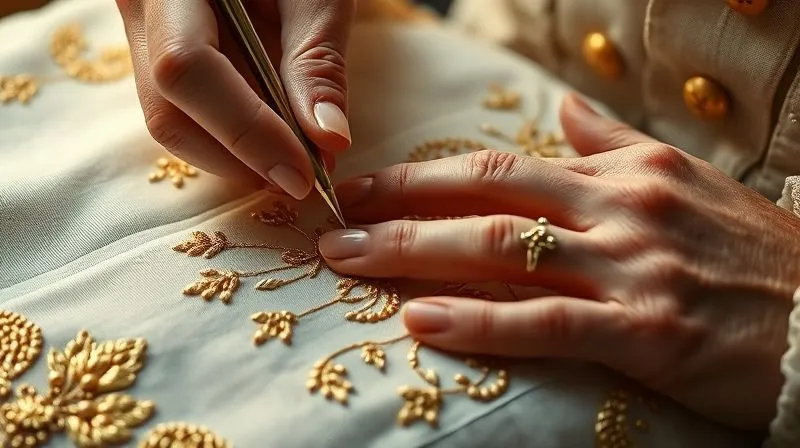
This is where many designers falter. It's not just the hours spent at the sewing machine. It's the hours of conceptualization, sketching, pattern drafting, draping, hand-sewing, intricate embroidery, and multiple meticulous fittings. Each stage demands the expertise of highly specialized artisans – a flou specialist for delicate draping, an brodeur for intricate beadwork, a plumassier for feather application. These are skills honed over decades, often passed down through generations. Their time is exceptionally valuable.
In my experience, underestimating the true labor cost, especially for highly specialized techniques, is the single biggest mistake in haute couture pricing. You are not paying for an hour; you are paying for a lifetime of perfected skill.
The Art of Valuation: Quantifying Intangibles
Once the tangible costs are meticulously accounted for, the next crucial step is to quantify the 'unquantifiable' – the value of your brand, your unique vision, and the unparalleled client experience. This is where haute couture truly distinguishes itself.
Design Intellectual Property & Brand Premium
Every bespoke creation is a unique piece of art, often representing significant intellectual property. The originality of your design, your aesthetic signature, and the legacy you are building as a couture house all contribute to a brand premium. This isn't just about a logo; it's about the artistic vision, the reputation for innovation, and the exclusivity that your name commands. A piece from a renowned couture house carries an inherent value that a lesser-known atelier, however skilled, cannot yet command. As marketing guru Seth Godin often says, "The market doesn't pay for average."
Client Experience & White-Glove Service
A haute couture commission is more than a garment; it's an immersive, personalized journey. This includes private consultations, mood board development, dedicated atelier time, travel for fittings, discreet delivery, and often, ongoing care advice. This 'white-glove' service, designed to make the client feel valued and unique, is an integral part of the offering and must be factored into the price. It's about crafting an unforgettable memory alongside an exquisite dress.
- Assess Brand Equity: Objectively evaluate your brand's standing, recognition, and artistic influence within the haute couture landscape.
- Quantify Design Uniqueness: How novel is the silhouette, the embellishment, the concept? Is it pushing boundaries or refining classics?
- Detail Service Inclusions: List every personalized service from initial sketch to final delivery, and estimate the time and resources each demands.
- Benchmark Against Peers: Research the pricing structures of comparable couture houses (where possible) to understand market positioning.
| Service Component | Estimated Hours | Value Proposition |
|---|---|---|
| Initial Design Consultation | 4-8 | Personalized Vision Development |
| Private Fittings (x3-5) | 6-10 | Perfect Fit & Customization |
| Personalized Styling Advice | 2-4 | Integrated Look & Confidence |
| Discreet Delivery & Aftercare | 1-2 | Seamless Experience & Garment Longevity |
A Multi-Layered Pricing Framework: The Bespoke Matrix
To accurately price complex haute couture bespoke commissions, I advocate for a hybrid pricing model that integrates several approaches. This 'Bespoke Matrix' ensures all aspects – tangible and intangible – are considered.
Cost-Plus Model: The Foundational Layer
This is your baseline. Calculate the total direct costs (materials, specialized labor, embellishments) and indirect costs (atelier overhead, utilities, administrative staff, marketing, insurance). Add a reasonable profit margin. This ensures you cover all expenses and achieve financial viability. It’s a non-negotiable starting point, but rarely the final price in haute couture.
Value-Based Pricing: Client Perception and Willingness to Pay
This model focuses on what the client perceives the value of your creation to be. For a haute couture client, this isn't just about the garment itself, but the experience, the exclusivity, the statement it makes, and the emotional connection. Research your target clientele; what are their expectations? What value do they place on unique artistry, unparalleled quality, and a personalized journey? This layer allows for a premium above the cost-plus baseline.
Competitive & Market Positioning: Understanding Your Niche
While haute couture is unique, it's not entirely without competition. Understanding where your atelier sits within the broader luxury fashion landscape is crucial. Are you a heritage house, a rising star, or an avant-garde innovator? Your pricing strategy should reflect your position, allowing you to attract your ideal client without underselling your unique proposition. According to a study published in the Journal of Fashion Marketing and Management, strategic market positioning is paramount for luxury brands to maintain pricing power.
The synergy of cost-plus, value-based, and market-aware pricing creates a robust framework. It's not about choosing one; it's about expertly weaving them together to justify and uphold your true value.
Navigating the Nuances of Complexity: Design & Execution
The 'complex' in 'complex haute couture bespoke commissions' is a significant pricing factor. This complexity manifests in design intricacy, technical challenges, and the sheer number of hours required for meticulous execution.
Detailing & Embellishment Intensity
Consider the difference between a simple silk gown and one adorned with thousands of hand-sewn beads, sequins, or delicate appliqués. Each embellishment, each hand-stitched detail, represents hours of highly skilled labor. I often estimate this by 'hours per square inch' for heavily embellished areas, allowing for a precise costing of intricate work like broderie d'art or delicate feather work.
Pattern Making & Draping Complexity
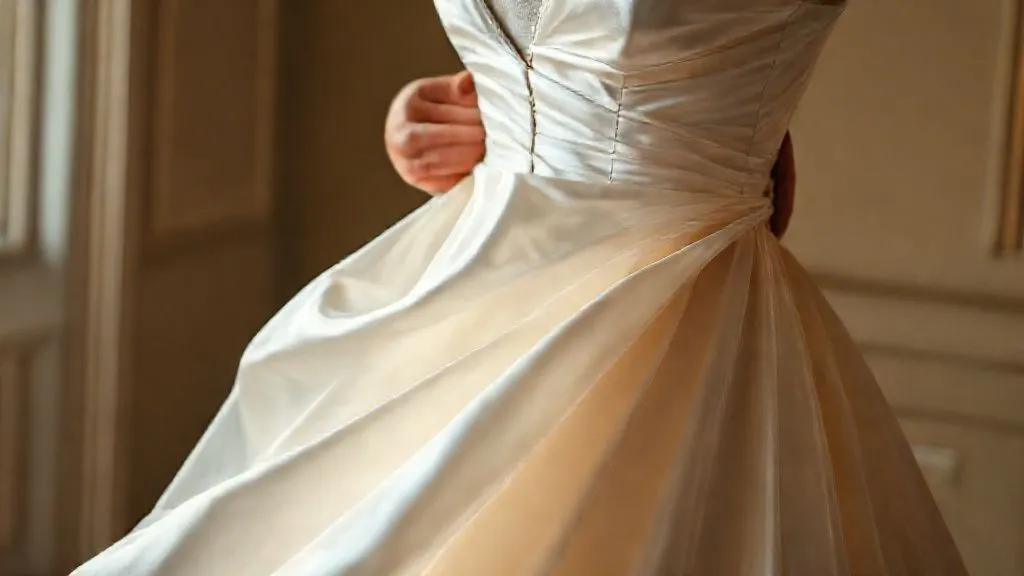
A novel silhouette, an architectural form, or a garment designed to defy gravity requires extraordinary skill in pattern making and draping. This isn't just about sizing; it's about engineering the fabric to hold a specific shape, to flow in a particular way, or to create an illusion. These initial design and development phases are incredibly time-consuming and require a master's touch, translating directly into higher costs.
Fabric Manipulation & Construction Challenges
Working with rare or unconventional materials presents its own challenges. Bias cuts on delicate chiffons, invisible seams on sheer fabrics, or constructing structured elements within a fluid design all demand specialized techniques and significantly more time. The risk associated with working with irreplaceable fabrics also factors in; a single mistake can be incredibly costly. This attention to detail and mastery over materials is a hallmark of true haute couture.

The Iterative Process: Adjusting for Evolution
Unlike ready-to-wear, bespoke haute couture is an evolving creation. The pricing model must be flexible enough to accommodate changes and refinements throughout the design and construction journey.
Initial Consultation & Quote
The first step involves a detailed brief from the client, often accompanied by mood boards and preliminary sketches. Based on this, I provide an initial, often range-based, quote. This quote should clearly outline what is included (e.g., number of fittings, initial design concept) and what might incur additional costs (e.g., significant design changes, rare material upgrades).
Design Development & Sampling
This phase involves creating muslins (toiles), fabric swatches, and more detailed technical drawings. It's an opportunity for the client to visualize the design and for the atelier to refine the construction. Any significant departures from the initial brief during this stage should be documented and reflected in an updated quote. Transparency is key here.
Fittings & Alterations
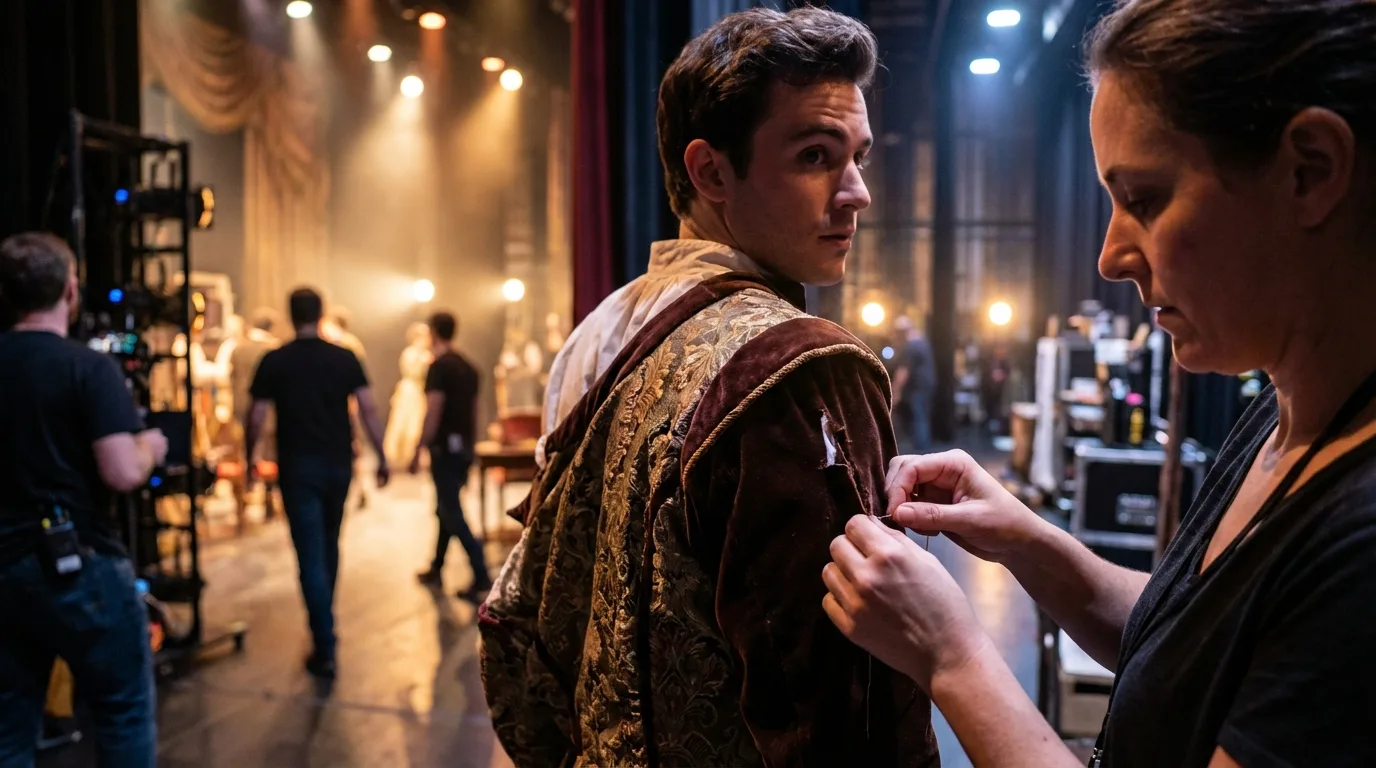
Typically, haute couture involves three to five fittings, sometimes more. While a certain number of fittings are included in the base price, excessive or last-minute alterations due to client changes (rather than fitting adjustments) should be subject to additional fees. This must be clearly communicated upfront in the contract.
- Establish a Clear Brief: Document every detail of the client's vision and your proposed design.
- Provide a Phased Quote: Offer an initial estimate, then refine it as the design develops and materials are finalized.
- Define Revision Policies: Clearly state how many revisions are included and the cost of additional changes.
- Document All Changes: Keep meticulous records of client approvals and design modifications, with corresponding cost adjustments.
Case Study: The 'Aurora Gown' Commission
The Challenge: A Celestial Vision with Earthly Constraints
A prominent client approached my atelier with a vision for a 'celestial' gown, inspired by the Aurora Borealis, to be worn at a high-profile international gala. The request included a unique color gradient achieved through hand-painting and embroidery, incorporating thousands of micro-sequins and delicate glass beads, all on an ethereal silk organza. The timeline was exceptionally tight, requiring expedited material sourcing and extended artisan hours.
Our Approach: Granular Breakdown & Transparent Phased Payments
We conducted an exhaustive breakdown of every element: 1. Design & IP: A premium for the novel color blending technique and custom pattern. 2. Materials: Cost of bespoke dyes, specific French organza, and over 10,000 individually sourced micro-sequins and beads. 3. Labor: Estimated 800+ hours for draping, hand-painting, and intricate embroidery by a team of three master artisans, including overtime for the deadline. 4. Client Experience: Included travel for one international fitting and personalized styling. We presented a detailed quote, broken down by category, and proposed a phased payment structure: 50% upfront, 30% after the first toile fitting, and 20% upon final delivery.
The Outcome: Artistic Triumph and Financial Integrity
The Aurora Gown was a resounding success, garnering international acclaim. By meticulously detailing every cost and being transparent with the client, we not only delivered a breathtaking creation but also ensured the project was profitable and sustainable for the atelier. The client appreciated the clarity and felt confident in the investment, strengthening our long-term relationship. This demonstrated that accurately pricing complex haute couture bespoke commissions is not just about profit, but about trust and mutual respect.
Legal & Financial Safeguards: Protecting Your Craft and Business
In the high-stakes world of haute couture, robust legal and financial frameworks are as vital as artistic vision. These safeguards protect both the atelier and the client.
Comprehensive Contracts: Defining the Scope
A detailed contract is non-negotiable. It should clearly define: the scope of work, design specifications, material details, number of fittings, revision policies, payment schedule, intellectual property rights, and a force majeure clause. This prevents misunderstandings and protects your artistic integrity. I always advise consulting with a legal professional specializing in luxury goods or intellectual property to draft these documents. As Harvard Business Review often highlights, clear contractual agreements are foundational for successful high-value transactions.
Payment Structures: Ensuring Cash Flow
Haute couture commissions often involve significant upfront costs for materials and specialized labor. A phased payment structure is crucial: an initial deposit (typically 50%) to commence work and cover initial material purchases, milestone payments at key stages (e.g., after toile approval, after first fitting), and a final balance upon completion and before delivery. This ensures healthy cash flow and mitigates financial risk.
Insurance & Logistics: Mitigating Risks
Consider insurance for high-value materials, garments in transit, and liability during fittings. For international clients, factor in customs duties, shipping costs, and specialized logistics for delicate garments. These are often overlooked but can add significant, unexpected costs if not planned for.

Communication is Key: Educating the Client
The final, yet perhaps most critical, element in successfully pricing haute couture is effective communication. Your clients are investing in unparalleled artistry; they need to understand the 'why' behind the price.
Transparency in Value: Explaining the 'Why'
Don't just present a number; explain it. Walk your client through the process. Show them swatches of the rare fabrics, explain the hours of intricate hand-embroidery, describe the expertise of your artisans. Educate them on the difference between haute couture and ready-to-wear. Help them appreciate the investment in time, skill, and exclusivity. This transparency builds trust and reinforces the perceived value of your work.
Managing Expectations: Timeframes and Design Evolution
Clearly communicate realistic timelines for design, construction, and fittings. Haute couture is a slow art; rushing it compromises quality. Explain that the design may subtly evolve during the process as the garment takes shape on the body. Managing these expectations upfront prevents frustration and ensures a smoother, more enjoyable experience for everyone involved.
Your client isn't just buying a dress; they're buying into your vision, your expertise, and a unique experience. Educate them, involve them, and celebrate the journey with them.
| Pricing Component | Explanation to Client | Justification |
|---|---|---|
| Design & IP Premium | Reflects the originality of your unique design and the artistic vision of our atelier. | Exclusive, one-of-a-kind creation, our signature aesthetic. |
| Material Sourcing & Exclusivity | Cost of rare, ethically sourced fabrics and bespoke embellishments. | Highest quality, limited availability, often hand-finished materials. |
| Artisan Labor & Techniques | Hours of master craftsmanship for specialized hand-sewing, embroidery, draping. | Decades of honed skill, meticulous detail, unparalleled finish. |
| White-Glove Service | Includes private consultations, multiple fittings, and personalized care. | Seamless, luxurious, and highly personalized client journey. |
Frequently Asked Questions (FAQ)
Q: How do I account for my own design time, which isn't 'labor' in the traditional sense? A: Your design time is intellectual property and should be factored into your brand premium and the overall complexity of the design. Allocate a specific hourly rate for your conceptualization, sketching, and initial pattern development. This is a critical, often undervalued, component of the total cost.
Q: What if a client requests significant changes after the design is approved and materials are cut? A: Your contract should clearly outline a policy for design changes. After a certain stage (e.g., fabric cutting), significant changes should incur additional fees, covering the cost of new materials, additional labor, and any potential delays. Transparency upfront prevents disputes.
Q: How can I justify a high price to a client who only sees the 'cost of fabric'? A: Education is paramount. Explain the breakdown of costs: not just fabric, but the rarity, the hand-finishing, the labor of master artisans, the hours of design, the multiple fittings, and the exclusivity of a unique piece. Emphasize the long-term value, craftsmanship, and the unparalleled experience. Show, don't just tell.
Q: Should I offer different 'tiers' or packages for bespoke commissions? A: While haute couture is inherently bespoke, you can offer a range of complexity within your services. For example, a simpler bespoke evening gown might be one tier, while an elaborate, heavily embellished bridal gown would be another. This allows you to cater to a slightly broader clientele while maintaining your couture standards. Clearly delineate what each tier includes.
Q: What role does my atelier's reputation play in pricing? A: A strong reputation and established brand equity significantly increase your pricing power. Clients are willing to pay a premium for the assurance of quality, the prestige, and the unique artistic vision associated with a respected couture house. This is a long-term asset built through consistent excellence and strategic marketing.
Key Takeaways and Final Thoughts
- Comprehensive Costing: Meticulously account for all tangible (materials, specialized labor, overhead) and intangible (IP, brand premium, client experience) costs.
- Multi-Layered Pricing: Employ a hybrid of cost-plus, value-based, and market positioning models to arrive at a fair and profitable price.
- Embrace Complexity: Recognize and price the true effort involved in intricate detailing, novel patterns, and challenging fabric manipulations.
- Iterative Process: Structure your pricing to accommodate the evolving nature of bespoke work, with clear guidelines for changes and revisions.
- Legal & Financial Prudence: Protect your work and business with robust contracts, phased payments, and appropriate insurance.
- Educate and Communicate: Be transparent with clients, explaining the value behind every component and managing expectations throughout the journey.
Accurately pricing complex haute couture bespoke commissions is an art and a science. It demands not only an exquisite eye for design but also a shrewd understanding of business. By implementing these expert strategies, you empower yourself to honor your craft, sustain your atelier, and continue creating the breathtaking masterpieces that define the world of haute couture. Your artistry is invaluable; ensure your pricing reflects that truth. Learn more about strategic pricing from Harvard Business Review. Explore the latest trends and business insights in haute couture on Business of Fashion. Understand the importance of intellectual property for your designs with WIPO.
Recommended Reading
- The Ultimate Guide: How to Properly Fit a Men's Formal Dress Shirt?
- 5 Steps: Quickly Choose Professional Outfits from Your Capsule Wardrobe?
- 7 Essential Steps: How to Safely Restore Delicate Vintage Lace Wedding Dresses
- Luxury Fashion Week Sample Delays: 7 Urgent Fixes for Your Show
- The Ultimate Men's Capsule Wardrobe for Travel: Pack Light & Right!



Your email address will not be published. Required fields are marked *