

What to do when luxury fashion week samples are delayed for show?
For over two decades in the rarefied world of luxury fashion, I've witnessed firsthand the meticulous orchestration that goes into a successful fashion week presentation. It's a high-stakes ballet of creativity, craftsmanship, and unforgiving deadlines. But even with the most rigorous planning, the unforeseen can strike, and few scenarios are as heart-stopping as the news that your meticulously crafted luxury fashion week samples are delayed – or worse, missing – just days before your show.
This isn't merely a logistical hiccup; it's a potential catastrophe that can jeopardize months of creative effort, millions in investment, and the very reputation of your luxury brand. The pressure is immense, the stakes are astronomical, and the margin for error is virtually non-existent. The silence from your logistics partner can feel deafening, and the scramble to find solutions can quickly descend into panic.
Having navigated these turbulent waters with some of the industry's most esteemed houses, I understand the unique challenges and the critical need for a clear, decisive action plan. This article will equip you with a definitive playbook on what to do when luxury fashion week samples are delayed for show, offering not just damage control, but a strategic framework for resilience, communication, and ultimately, a triumphant presentation.
The Unseen Pre-Show Battle: Proactive Prevention Strategies
Before we delve into crisis management, it's crucial to understand that the best defense is a robust offense. Many of the frantic calls I receive could have been mitigated, if not entirely avoided, with proactive planning. Prevention isn't just about avoiding problems; it's about building a resilient operational backbone that can absorb shocks.
Fortifying Your Supply Chain: Vendor Vetting & Contractual Safeguards
Your supply chain is the lifeblood of your luxury brand. In my experience, a significant percentage of sample delays can be traced back to vulnerabilities here. This means rigorous vetting of every partner, from fabric mills to embellishment artisans and, critically, your sample manufacturers and logistics providers.
- Due Diligence: Don't just look at their portfolio; scrutinize their operational capacity, their track record for on-time delivery, and their contingency plans. Conduct site visits, speak to their other high-profile clients, and assess their financial stability.
- Multi-Vendor Strategy: Relying on a single manufacturer or logistics firm, especially for critical components or samples, is a gamble. Develop relationships with at least two, preferably three, trusted partners for each key stage of production and delivery. This redundancy is your safety net.
- Clear Communication Channels: Establish primary and secondary contacts at each vendor. Understand their internal escalation procedures. Early warning signs are invaluable.
"A well-crafted contract is more than just a legal document; it's a blueprint for partnership and a shield against the unforeseen. It must explicitly detail timelines, quality standards, penalty clauses for delays, and crucially, clear escalation and resolution mechanisms for logistical failures."
Beyond the selection, your contracts must be ironclad. They should specify not just delivery dates, but also the consequences of missing those dates, including financial penalties and clauses for expedited alternative solutions. I've seen countless brands suffer because their contracts lacked the teeth to enforce accountability. It's an investment that pays dividends when things go awry.
Building Redundancy: The Power of Parallel Production & Backup Suppliers
Redundancy is not a luxury; it's a necessity in high-stakes environments like fashion week. This means thinking beyond the primary path and actively building in alternatives.
- Parallel Sample Production: For your absolute hero pieces, consider initiating a small, parallel production run with a backup manufacturer. This isn't always cost-effective for an entire collection, but for 3-5 critical runway looks, it can be a lifesaver.
- Material Buffers: Keep a small reserve of key fabrics and embellishments. If a sample is damaged or a last-minute alteration requires more material, you won't be held hostage by supplier lead times.
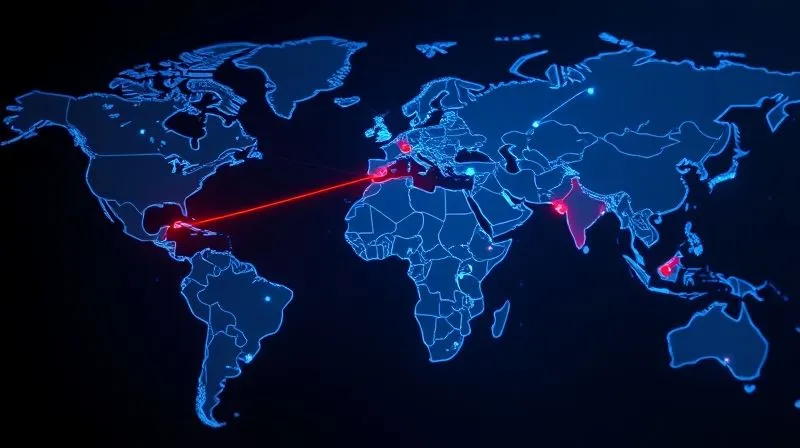
- Pre-Vetted Express Logistics: Have a relationship with a premium, express logistics provider for emergencies. Understand their capabilities, costs, and lead times for global expedited shipping. Don't wait until disaster strikes to find one.
- Digital Twin Strategy: Explore advanced 3D garment design and prototyping. Having a high-fidelity digital twin of your samples can offer an unexpected fallback, allowing for virtual presentations or rapid local production based on precise digital patterns.
Immediate Crisis Response: When Delays Hit Hard
Despite the best preventative measures, delays can still occur. When that dreaded call comes, your ability to react swiftly and strategically is paramount. Panic is the enemy of progress; clarity and decisive action are your allies.
Activating Your Rapid Response Team & Communication Protocol
The moment you suspect or confirm a delay, activate your pre-assigned rapid response team. This isn't a job for one person; it requires a coordinated effort.
- Team Lead: Typically the Head of Production or Operations, responsible for overall coordination and decision-making.
- Logistics Specialist: To interface directly with carriers, track shipments, and explore alternative routes.
- Design Team Liaison: To assess the feasibility of substitutions or modifications.
- PR/Communications Lead: To manage external messaging, should it become necessary.
- Legal Counsel: To review contractual obligations and potential recourse.
"In a crisis, silence is perceived as incompetence or indifference. Establish a clear, honest, and frequent communication protocol, both internally and with external stakeholders, even if the news isn't good. Transparency builds trust, even in adversity."
The first step for this team is to establish a dedicated communication channel – a group chat, a war room, or a specific email thread – that everyone involved monitors constantly. Time is of the essence, and fragmented communication will only exacerbate the problem. Every update, every decision, every new piece of information must flow through this channel.
Assessing the Damage: A Critical Analysis of the Delay's Impact
Once your team is assembled, the immediate task is to understand the full scope of the problem. This isn't about finger-pointing; it's about facts.
- Confirm the Delay: Get concrete information from your logistics provider. What is the exact status? Where are the samples? What is the *new* estimated delivery time, and what are the probabilities of that being met?
- Identify Affected Samples: Which specific pieces are delayed? Are they hero looks, key commercial pieces, or supporting elements? The criticality of the garment dictates the urgency and type of response.
- Assess Runway Impact: How many looks are affected? Can the show order be re-sequenced? Are there alternative garments that can fill the gap without compromising the collection's narrative?
- Financial Implications: What are the immediate costs of expedited shipping, alternative production, or potential show modifications?
This assessment needs to be swift and brutally honest. A useful tool here is an impact matrix, allowing you to quickly visualize the severity and prioritize your actions.
| Sample ID | Status | Impact | Action Priority |
|---|---|---|---|
| Look 1 (Hero) | Delayed (24hrs) | High (Runway Opener) | Critical - Expedite & Backup |
| Look 5 (Commercial) | Delayed (48hrs) | Medium (Can substitute) | High - Track & Substitute |
| Look 12 (Accessory) | Lost | Low (Minor element) | Medium - Recreate locally |
| Look 3 (Hero) | Delayed (12hrs) | High (Key Narrative) | Critical - Expedite & Contingency |
Strategic Mitigation: Creative Solutions on a Tight Timeline
With the problem defined, it's time to pivot to solutions. This is where experience truly shines, turning what seems like an insurmountable obstacle into an opportunity for resourceful problem-solving.
Leveraging Digital Innovation: 3D Prototyping & Virtual Showrooms
The luxury fashion industry, while steeped in tradition, is increasingly embracing digital transformation. In a sample delay crisis, these technologies can be a powerful lifeline.
- High-Fidelity 3D Renders: If physical samples are delayed, a photorealistic 3D render, particularly if you've invested in digital prototyping, can serve as a powerful placeholder. These aren't just images; they are precise digital twins that can convey texture, drape, and detail.
- Augmented Reality (AR) Previews: For key buyers or press, an AR experience that allows them to 'see' the garment in a virtual space can bridge the gap until the physical sample arrives. This demonstrates innovation and commitment.
- Virtual Showroom Integration: If your brand utilizes a virtual showroom, integrate these digital samples immediately. This ensures that even without the physical piece, the collection's narrative and commercial potential remain accessible.
I've seen brands pivot to stunning digital presentations for individual looks when physical samples were simply impossible to get on the runway. It's not ideal, but it's infinitely better than an empty spot.
Local Sourcing & Express Manufacturing: The Eleventh-Hour Fix
When global logistics fail, sometimes the solution is closer than you think. Local capabilities can be a true savior, especially for less complex pieces or specific components.
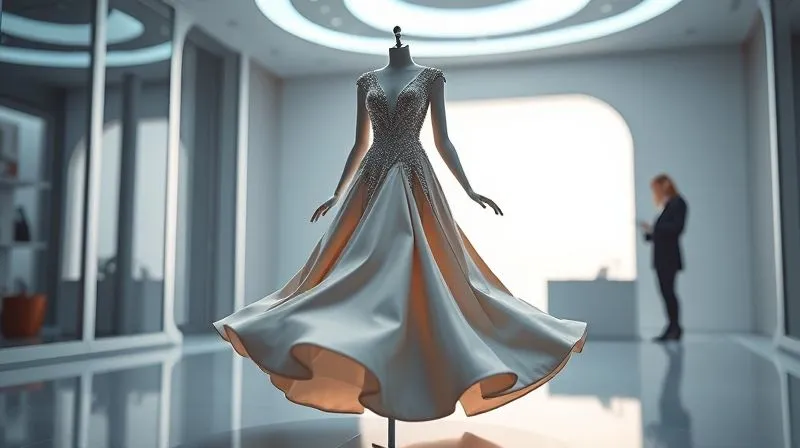
- Identify Local Artisans & Workshops: Have a database of local ateliers, tailors, and specialized workshops that can handle high-end garment production. These are your emergency responders.
- Prioritize & Simplify: If you need to recreate a piece, identify the most critical elements. Can you simplify an embellishment? Use a readily available, high-quality fabric that closely matches the original?
- Leverage Your Team's Skills: Your in-house design and atelier teams are incredibly skilled. Can they repurpose an existing archive piece with new detailing to create a 'new' look?
- Expedited Material Acquisition: Simultaneously, task someone with sourcing necessary raw materials from local high-end suppliers.
This approach requires immense trust in your local network and a willingness to be flexible without compromising the brand's aesthetic integrity. It's a high-pressure situation that demands quick decisions and flawless execution.
The Art of Substitution: Adapting Existing Pieces or Archived Samples
In the luxury sector, every piece tells a story. When a key sample is delayed, simply replacing it with 'something else' isn't an option. The substitution must be thoughtful, intentional, and align with the collection's narrative.
Case Study: Atelier Éclat's Runway Rescue
Atelier Éclat, a revered Parisian couture house, faced a nightmare scenario for their Fall/Winter collection. Their show-stopping finale gown, a masterpiece of hand-beading, was stuck in customs due to unforeseen paperwork. With 36 hours to showtime, panic set in. Instead of an empty spot, their creative director, Madame Dubois, made a bold move. She pulled a pristine, unshown gown from their archives – a simpler but equally elegant piece from a past collection that shared a similar silhouette and fabric family. Her team then worked through the night, using readily available, high-quality crystal embellishments to subtly reinterpret key motifs from the delayed gown onto the archive piece, creating a 'new' look that felt perfectly integrated. The result was a seamless presentation, and only a handful of insiders ever knew the difference, a testament to strategic adaptation.
"A true luxury brand understands that agility doesn't mean compromise. It means finding ingenious ways to uphold your vision, even when the path forward is obscured. Sometimes, the most innovative solutions lie within your own archives or in the creative adaptation of what's immediately available."
This approach requires not just a deep understanding of your brand's aesthetic, but also the ability to make quick, confident creative decisions. It's about finding harmony in unexpected places.
Managing Expectations & Brand Reputation: The PR Playbook
In a crisis, how you communicate can be as important as how you solve the problem. Luxury brands thrive on perception, and a mishandled delay can cause irreparable damage to your hard-earned reputation.
Transparent Communication with Stakeholders & Media
The first rule of crisis communication is transparency, within reason. You don't need to air every detail of your logistical nightmare, but you must be prepared to manage the narrative.
- Internal Stakeholders: Inform your sales team, buyers, and key executives immediately. They need to understand the situation to manage their own expectations and communicate with their clients effectively.
- Key Press & Influencers: For critical delays affecting hero pieces, consider discreetly informing a select few trusted journalists or stylists *before* the show. This allows them to frame their coverage accurately, or for you to manage expectations about a particular look.
- Post-Show Narrative: If a major substitution or change had to be made, be prepared with a positive, empowering story about resilience and creativity. Frame it as a testament to your brand's commitment to excellence despite unforeseen challenges.
Remember, your brand's reputation is built on trust and perceived reliability. Acknowledging a challenge and demonstrating your capacity to overcome it can actually strengthen your brand's image in the long run. As Harvard Business Review often emphasizes, effective crisis communication is a hallmark of strong leadership.
Crafting the Narrative: Turning a Setback into a Story of Resilience
This is where the art of storytelling comes into play. You have the power to shape how your audience perceives the situation. Instead of a 'failure,' frame it as a 'test of ingenuity' or a 'demonstration of unwavering commitment to the craft.'
If you had to make significant alterations or substitutions, highlight the creative process behind those decisions. Emphasize the skill of your atelier, the adaptability of your design team, and the unwavering spirit of your brand. This transforms a potential negative into a powerful narrative of resilience and dedication to the highest standards of luxury.
Post-Show Debrief: Learning from the Lapses
The show is over, the applause has faded, and the immediate crisis has passed. But the work isn't done. The post-show debrief is arguably the most critical step in ensuring such a scenario doesn't repeat itself. This is about institutional learning and continuous improvement.
Comprehensive Post-Mortem Analysis & Vendor Performance Review
Gather your rapid response team and all relevant departments for a thorough post-mortem. This isn't a blame game; it's an objective analysis of what happened, why it happened, and how processes can be strengthened.
- Root Cause Analysis: Go beyond the surface. Was it a specific carrier error? A production delay at the manufacturer? A customs issue? Incorrect documentation? Pinpoint the exact root cause.
- Process Review: Evaluate every step of your pre-show logistics and sample management. Where were the weaknesses? Were communication protocols followed? Were contingency plans adequate?
- Vendor Performance Scorecard: Formally review the performance of all vendors involved in the incident. This should be a standardized process.
- Actionable Insights: Develop concrete, measurable action items. This could include revising contracts, onboarding new backup suppliers, investing in new tracking technologies, or improving internal communication flows.
This detailed analysis allows you to refine your operational strategies and harden your supply chain against future disruptions. As McKinsey and other industry leaders continually stress, supply chain resilience is a competitive advantage.
| Vendor Name | Service Provided | Performance Rating (1-5) | Root Cause | Action Item |
|---|---|---|---|---|
| LuxLogistics GmbH | International Shipping | 2 (Significant Delay) | Customs paperwork error | Review contract, require pre-clearance documents |
| Atelier Primo | Sample Manufacturing | 4 (Minor Delay) | Fabric sourcing issue | Diversify fabric suppliers, earlier material orders |
| DigitalFab Studio | 3D Prototyping | 5 (Excellent Support) | N/A | Expand digital twin capabilities |
Frequently Asked Questions (FAQ)
What if the samples are completely lost and cannot be recovered? If samples are confirmed lost, immediate action is critical. First, leverage any digital twins or detailed patterns for local, expedited recreation of essential pieces. Simultaneously, activate your PR team to prepare a statement for key stakeholders, focusing on the brand's resilience and commitment to presenting the collection's vision, even if it means presenting a curated selection or incorporating innovative digital elements. Legal counsel should review your insurance and vendor contracts for recourse.
How do I communicate this to buyers and press without damaging my brand? Transparency and proactive communication are key. For buyers, a direct, honest conversation explaining the situation and outlining your mitigation steps (e.g., "We're managing a delay on Look X, but we've prepared a digital preview and are working on an expedited solution") is crucial. For press, if it's a minor delay, it might not require a public statement. If it affects hero pieces, consider discreetly informing trusted journalists, framing it as a testament to your team's agility and problem-solving under pressure, rather than a failure. Avoid excuses; focus on solutions.
Is it ever acceptable to show a digital-only garment if physical samples are unavailable? In today's digitally advanced luxury landscape, yes, it can be acceptable, especially for specific pieces or as a last resort. High-fidelity 3D renders and AR experiences can convey significant detail and artistry. However, this must be a conscious, strategic decision, presented with the same level of polish and narrative as a physical garment. It should highlight innovation, not mask a problem. It's about maintaining the luxury experience through a different medium.
What are the legal implications of sample delays with manufacturers? The legal implications depend heavily on your contract. Strong contracts include penalty clauses for missed deadlines, force majeure clauses (for uncontrollable events), and clear terms for dispute resolution. If a manufacturer is in breach, you may be entitled to compensation for damages incurred, including expedited shipping costs or the cost of alternative production. Consulting your legal team immediately is essential to understand your rights and options.
How can smaller luxury brands better prepare for such disruptions given limited resources? Smaller brands can't afford extensive parallel production, but they can focus on robust vendor relationships, clear contracts, and internal agility. Prioritize building strong, trusted relationships with a few key local artisans and logistics partners. Invest in detailed digital patterns or 3D renders for your most critical pieces. Develop a simple, internal crisis communication plan. The emphasis shifts from extensive redundancy to extreme efficiency and strong partnerships.
Key Takeaways and Final Thoughts
Navigating the treacherous waters of luxury fashion week sample delays is a true test of leadership, resilience, and operational excellence. It's a high-pressure scenario where reputation, investment, and creative vision hang in the balance. However, as I've seen time and again, it's also an opportunity to demonstrate the unwavering strength and ingenuity that defines a truly exceptional luxury brand.
- Proactive Planning is Paramount: Invest in robust vendor vetting, multi-vendor strategies, and ironclad contracts to fortify your supply chain.
- Act Swiftly and Strategically: Activate a dedicated rapid response team and immediately assess the full impact of any delay.
- Embrace Creative Solutions: Leverage digital innovation, local manufacturing, and the art of thoughtful substitution to fill critical gaps.
- Master the Art of Communication: Manage expectations transparently with all stakeholders and craft a narrative of resilience, not setback.
- Learn and Evolve: Conduct thorough post-mortems to continuously refine processes and strengthen your brand's operational backbone.
The luxury fashion industry is dynamic, challenging, and endlessly rewarding. While the threat of logistical disruptions like sample delays will always loom, your ability to meet these challenges head-on, with a clear strategy and an unyielding commitment to excellence, will not only save your show but ultimately reinforce the enduring strength and prestige of your brand. Equip yourself, empower your team, and remember that true luxury lies not just in the product, but in the unwavering pursuit of perfection, even in the face of adversity. For further insights into the complexities of fashion logistics, consider resources like The Business of Fashion, or explore strategies for brand resilience on Forbes. The future of luxury fashion also heavily relies on digital transformation, a key area for mitigating future risks.
Recommended Reading
- Unlocking the Past: How to Tell if Vintage Jewelry is Truly Valuable
- The Ultimate Guide: How to Make Basic Outfits Look Effortlessly Chic
- Green Fashion Growth: Scale Ethically, Preserve Your Values
- Unlock Style & Comfort: Adapting Fashion Footwear for Comfortable Orthotic Use
- Best Affordable Streetwear Brands 2024: Your Ultimate Guide to Stylish Savings



Your email address will not be published. Required fields are marked *