


How to scale green fashion production without compromising ethics?
For over two decades in the sustainable fashion industry, I've witnessed a recurring dilemma that keeps many purpose-driven brands from reaching their full potential: the perceived trade-off between growth and integrity. It's a common fear that scaling up inevitably means compromising the very ethical and environmental principles that define a 'green' business.
Many brands, after achieving initial success, find themselves at a crossroads. They yearn for broader impact, for their sustainable products to reach more consumers, but the complexities of increased production, global supply chains, and competitive pressures can feel overwhelming, threatening to dilute their core values.
This isn't just about making more clothes; it's about building a more sustainable future for fashion itself. In this definitive guide, I'll share the proven frameworks, expert insights, and actionable strategies that allow you to scale green fashion production without compromising ethics, ensuring your growth amplifies your positive impact, rather than diminishes it.
The Foundational Pillars of Ethical Scaling
Before any significant growth spurt, it's crucial to solidify your brand's ethical bedrock. Without a clear, unwavering commitment to your values, scaling can quickly expose weaknesses and lead to 'greenwashing' accusations or, worse, actual ethical lapses.
Defining Your Non-Negotiables
I always advise my clients to begin by explicitly defining their non-negotiable ethical and environmental standards. What are the absolute red lines your brand will never cross, regardless of market pressure or cost efficiencies? This might include specific certifications, fair wage benchmarks, zero-waste targets, or a commitment to specific material sourcing.
- Identify Core Values: Beyond buzzwords, what truly defines your brand's ethical stance? Is it fair wages, regenerative agriculture, water conservation, or all of the above?
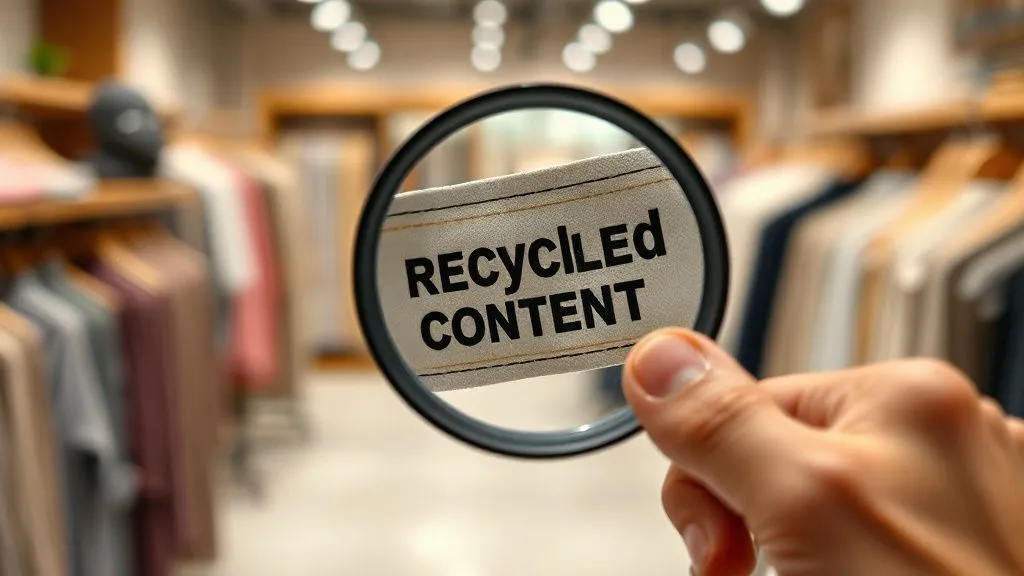
- Quantify Standards: Translate values into measurable metrics. Instead of 'eco-friendly,' specify '90% recycled content' or '50% reduction in water usage per garment.'
- Communicate Internally: Ensure every team member, from design to dispatch, understands and embodies these principles. This collective understanding is crucial when making difficult scaling decisions.
The Power of Purpose-Driven Leadership
Ethical scaling starts at the top. As a leader, your unwavering commitment to sustainability and ethics must permeate every business decision. This isn't a side project; it's the core strategy.
"True leadership in sustainable fashion isn't about making the 'easy' green choice; it's about making the 'right' ethical choice, even when it's the harder path. Your integrity as a leader will be the compass guiding your brand through the complexities of growth."
I've seen countless times how a leader's conviction (or lack thereof) directly impacts a company's ability to maintain its values during expansion. Be the champion for your mission.
Mapping Your Supply Chain: Transparency as a Growth Engine
Scaling green fashion production inherently means engaging with more complex supply chains. Transparency isn't just a buzzword here; it's your most potent tool for maintaining ethical standards and building consumer trust.
Beyond Tier 1: Tracing Raw Materials
Most brands have some visibility into their direct manufacturers (Tier 1 suppliers). However, true ethical scaling demands tracing your supply chain much further back – to the fabric mills (Tier 2), yarn spinners (Tier 3), and even the raw material producers (Tier 4), whether that's cotton farms or recycled plastic collectors.
Steps to Enhance Supply Chain Transparency:
- Map Your Entire Chain: Start by identifying every single entity involved in your product's journey, from fiber to finished garment.
- Engage Suppliers Directly: Foster open communication. Understand their sub-suppliers, their labor practices, and their environmental policies.
- Implement Supplier Codes of Conduct: Require all partners to sign and adhere to a detailed code covering labor, environmental, and business ethics.
- Utilize Traceability Platforms: Invest in blockchain or other digital platforms that allow for immutable tracking of materials and processes.
- Regular Audits & Assessments: Don't just rely on self-reporting. Conduct independent third-party audits at all tiers, focusing on both social and environmental compliance.
Leveraging Technology for Visibility
The advent of digital solutions has revolutionized supply chain management. From blockchain for material provenance to data analytics for environmental footprint tracking, technology can provide the granular visibility needed to scale ethically.
Mini Case Study: "EcoChic Apparel's Traceability Triumph"
EcoChic Apparel, a mid-sized sustainable children's wear brand, was struggling to assure customers of their organic cotton's origin beyond their fabric mill. Facing increased demand, they knew they needed to scale their supply chain without sacrificing their promise of ethical sourcing. By implementing a blockchain-based traceability platform, they could track every bale of cotton from farm to finished garment. This allowed them to verify fair labor practices at every stage and quantify water usage reductions, leading to a 40% increase in customer trust metrics and a significant boost in sales. This commitment to deep transparency became a key differentiator in a crowded market.
Innovating Production: Sustainable Technologies & Practices
Scaling doesn't have to mean more waste or more pollution. In fact, it's an opportunity to invest in and champion innovative, cleaner production methods.
Embracing Circularity in Design and Manufacturing
A truly sustainable approach to scaling involves designing products for their next life, not just their first. This means integrating circular economy principles from concept to creation.
- Design for Longevity: Create durable, timeless pieces that resist fast fashion trends.
- Design for Disassembly: Use mono-materials or easily separable components to facilitate recycling.
- Utilize Recycled & Renewable Materials: Prioritize fabrics made from recycled content, organic fibers, or innovative bio-based materials.
- Closed-Loop Production: Explore manufacturing processes that recapture and reuse resources, such as water recycling systems or waste-to-energy initiatives.
Water, Energy, & Waste: Optimizing Resource Use
As you scale, your resource consumption will naturally increase unless proactively managed. Implementing efficiency measures is paramount.
- Water Management: Invest in technologies like ozone washing, dry dyeing, or laser finishing that dramatically reduce water consumption.
- Renewable Energy: Transitioning to solar, wind, or other renewable energy sources for your factories and operations is a powerful statement of commitment.
- Waste Reduction: Implement lean manufacturing principles to minimize fabric waste, and explore upcycling or recycling programs for unavoidable scraps.
"Innovation in sustainable fashion isn't a luxury for scaling brands; it's a necessity. It allows you to produce more, but with a lighter footprint, proving that growth and environmental responsibility can be deeply intertwined."
According to a study published by the Ellen MacArthur Foundation, embracing circular economy principles could unlock significant value and reduce environmental impact across the fashion industry. This is where true growth potential lies.
Fair Labor & Community Empowerment: The Human Element of Scale
Ethical production is fundamentally about people. Scaling must enhance, not diminish, the well-being of the workers who bring your designs to life.
Implementing Robust Ethical Audits
While self-assessments are a start, independent, third-party ethical audits are critical as you scale. These should go beyond basic compliance to assess working conditions, fair wages, health and safety, and freedom of association.
- Regular, Unannounced Audits: Conduct audits not just once, but periodically, and include unannounced visits to get a true picture.
- Worker Interviews: Ensure auditors speak directly and privately with workers, in their native language, to uncover any hidden issues.
- Remediation Plans: Don't just identify problems; work with suppliers to create and implement clear, time-bound remediation plans for any non-compliance.
Investing in Worker Well-being and Skill Development
Fair wages are a baseline, not the endpoint. Truly ethical scaling involves investing in the communities and individuals within your supply chain. This could mean:
- Providing Training: Offering skill development programs that empower workers and enhance their career prospects.
- Access to Healthcare & Education: Supporting initiatives that provide essential services to factory workers and their families.
- Community Development: Investing in local infrastructure or social programs in the areas where your production facilities are located.
As the International Labour Organization (ILO) consistently emphasizes, decent work and fair labor practices are fundamental human rights and essential for sustainable development. Prioritizing these aspects will build a resilient and ethical supply chain.
Strategic Partnerships: Collaborating for Collective Impact
You cannot scale green fashion production in a vacuum. The most successful ethical brands build strong, values-aligned partnerships.
Vetting Partners: More Than Just Price
When selecting new suppliers, manufacturers, or logistics providers for scale, their ethical and environmental credentials should weigh as heavily as their pricing and capacity. Ask for certifications, audit reports, and detailed sustainability policies.
- Align on Values: Ensure potential partners genuinely share your commitment to sustainability and ethics, not just pay lip service to it.
- Due Diligence: Conduct thorough background checks and reference calls. Visit their facilities if possible.
- Long-Term Vision: Seek partners interested in a long-term, collaborative relationship, not just a transactional one.
Building Long-Term, Trust-Based Relationships
My experience has shown that the strongest ethical supply chains are built on trust and mutual respect. Treat your suppliers as partners, not just vendors.
- Fair Contracts: Establish clear, equitable contracts that ensure fair pricing and payment terms.
- Open Communication: Maintain continuous dialogue about challenges, improvements, and shared goals.
- Shared Investment: Explore opportunities for joint investment in sustainable technologies or worker welfare programs.
Organisations like B Corp exemplify how businesses can be a force for good, emphasizing stakeholder benefit over sole shareholder profit. Partnering with certified B Corps or similar ethically-minded entities can accelerate your sustainable growth.
Financing Sustainable Growth: Attracting Values-Aligned Investment
Scaling requires capital, but not all capital is created equal. Attracting investors who understand and value your ethical mission is crucial.
Communicating Your Impact Story
Sustainable fashion brands have a compelling story to tell. Articulate your environmental and social impact clearly and quantitatively. This is your unique selling proposition to impact investors.
- Develop Impact Reports: Regularly publish reports detailing your progress on sustainability goals, worker welfare, and community engagement.
- Quantify ROI on Sustainability: Show how investments in ethical practices lead to long-term benefits like reduced risk, enhanced brand loyalty, and increased efficiency.
- Narrate Your Journey: Share the human stories behind your products – the artisans, the farmers, the innovators.
Exploring Green Bonds & Impact Investing
The landscape of finance is evolving, with a growing appetite for sustainable investments. Explore avenues like green bonds, impact funds, and venture capital firms specifically focused on ethical businesses.
- Green Bonds: These are fixed-income instruments where the proceeds are used to fund environmentally friendly projects.
- Impact Investors: Seek out investors whose primary goal is to generate positive social and environmental impact alongside financial returns. They are more likely to understand and support your ethical commitments during growth.
The International Finance Corporation (IFC) and other development banks are increasingly promoting green finance initiatives, demonstrating a global shift towards valuing sustainable ventures. This is a powerful trend to leverage.
Measuring, Reporting, and Continuous Improvement
You can't manage what you don't measure. As you scale, robust measurement and reporting systems become indispensable for maintaining and improving your ethical performance.
Setting Meaningful KPIs for Sustainability
Beyond sales and profit, define Key Performance Indicators (KPIs) that directly reflect your ethical and environmental goals. These might include:
- Percentage of certified sustainable materials used.
- Water consumption per garment (liters/unit).
- Carbon emissions reduction targets.
- Worker satisfaction scores or living wage adoption rates.
- Waste diversion rates from landfill.
The Importance of Third-Party Verification & Certification
To build trust with consumers and investors, your claims of sustainability and ethics must be verifiable. Third-party certifications provide independent assurance.
- Material Certifications: GOTS (Global Organic Textile Standard), Oeko-Tex, GRS (Global Recycled Standard).
- Social Certifications: Fair Trade, SA8000.
- Holistic Certifications: B Corp, Cradle to Cradle.
Regularly pursuing and maintaining these certifications demonstrates a genuine commitment to transparency and continuous improvement. Frameworks like the Global Reporting Initiative (GRI) provide comprehensive standards for sustainability reporting, enhancing your credibility and accountability.
Navigating Regulatory Landscapes & Advocacy
The regulatory environment for sustainable fashion is evolving rapidly. Staying informed and actively participating in advocacy can benefit your brand and the industry as a whole.
Staying Ahead of Greenwashing Legislation
Governments worldwide are cracking down on misleading environmental claims. As you scale, ensure your marketing and communications are fully compliant and transparent. Back every claim with data and verifiable proof.
- Review Marketing Materials: Regularly audit your website, packaging, and advertising for accuracy and avoid vague or unsubstantiated claims.
- Educate Your Team: Ensure all marketing and sales personnel understand the nuances of ethical claims and legal requirements.
Championing Industry-Wide Change
A truly expert perspective understands that individual brand efforts, while vital, are amplified by collective action. Use your growing influence to advocate for stronger industry standards, ethical labor laws, and circular economy policies.
- Join Industry Associations: Participate in groups dedicated to sustainable fashion.
- Share Best Practices: Collaborate with non-competitive brands to share insights and foster collective growth.
- Engage with Policymakers: Support legislative efforts that promote responsible production and consumption.
Frequently Asked Questions (FAQ)
Question? What's the biggest challenge for small green fashion brands trying to scale ethically?
The biggest challenge often lies in securing financing and finding manufacturing partners who can scale with you while maintaining your strict ethical and environmental standards. Many large manufacturers aren't set up for truly green production or are unwilling to adapt for smaller runs, while impact investors may require a proven track record. Overcoming this requires extensive due diligence, clear articulation of your impact story, and a willingness to build long-term relationships rather than just transactional ones.
Question? How can I ensure fair wages across my global supply chain when wage standards vary so much by country?
Ensuring fair wages requires moving beyond minimum wage compliance to a 'living wage' standard. This means wages that cover basic needs plus some discretionary income, calculated based on local cost of living. You'll need to research local living wage benchmarks (organizations like the Global Living Wage Coalition can help). Implement a system of regular wage reviews, provide incentives for suppliers who meet living wage targets, and consider direct wage support programs if necessary. Transparency with your consumers about your wage policies can also build trust and support.
Question? Is it possible to achieve true circularity in fashion production at scale, or is it more of an aspirational goal?
While 'perfect' circularity is a continuous journey, significant progress is absolutely achievable at scale. It moves beyond aspiration when brands design products for durability and recyclability, invest in take-back programs, and collaborate with recyclers and material innovators. Technologies like fiber-to-fiber recycling are becoming more viable at industrial scales. It requires a fundamental shift from linear thinking to a systemic approach, but leading brands are proving it's not only possible but economically beneficial in the long run.
Question? What role do consumers play in helping brands scale ethically?
Consumers play a critical role. By demanding transparency, supporting brands with strong ethical credentials, and engaging with take-back or repair programs, they create market pressure that incentivizes brands to scale responsibly. Their purchasing power signals to the industry that ethical practices are valued, making it easier for brands to justify investments in sustainable infrastructure and fair labor. Educated consumers are powerful advocates for systemic change.
Question? How do I balance the higher costs of ethical production with competitive pricing when scaling?
This is a classic dilemma. The key is to communicate your value proposition effectively. Consumers are increasingly willing to pay a premium for ethically and sustainably produced goods, but they need to understand why. Focus on telling your brand story, highlighting the quality, longevity, and positive impact of your products. Also, explore efficiencies within your ethical framework – for example, investing in energy-efficient machinery can reduce long-term operational costs. Finally, strategic pricing doesn't mean always being the cheapest; it means pricing commensurate with the true value and impact you deliver.
Key Takeaways and Final Thoughts
Scaling green fashion production without compromising ethics is not merely a possibility; it's the imperative for the future of our industry. It requires vision, unwavering commitment, and a strategic approach that integrates sustainability and ethics into the very fabric of your growth strategy.
- Prioritize your values: Define your non-negotiables and let them guide every decision.
- Embrace radical transparency: Map your entire supply chain and leverage technology for visibility.
- Innovate relentlessly: Invest in circular design, resource efficiency, and cleaner production methods.
- Invest in people: Ensure fair labor, living wages, and community empowerment are central to your growth.
- Forge strategic partnerships: Collaborate with values-aligned suppliers, investors, and industry peers.
- Measure what matters: Set meaningful KPIs and seek third-party verification for your claims.
The journey to scale green fashion is challenging, but immensely rewarding. By integrating these principles, you're not just growing a business; you're building a legacy of positive impact. I believe in the power of conscious commerce, and I'm confident that with the right strategies, your brand can thrive, proving that profit and purpose can indeed grow hand-in-hand.
Recommended Reading
- The Hidden Dangers: What Are the Privacy Risks of Fashion Wearables?
- The Ultimate Guide: How to Preserve Haute Couture Runway Masterpieces Forever
- Ultimate Guide: Best Casual Shoes for Wide Feet Men
- Unlock Summer Style: How to Choose Breathable Streetwear for Ultimate Comfort
- 7 Ways Unique Fashion Photos Drive Sales: A Pro's Guide to Impact




Your email address will not be published. Required fields are marked *