

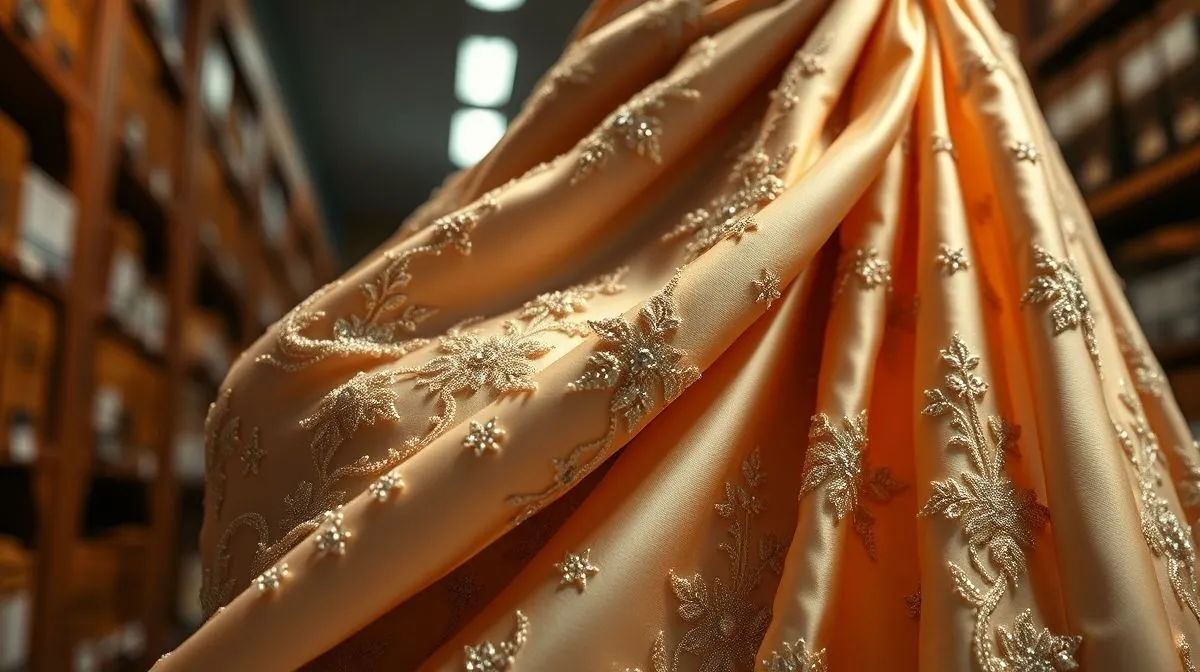
Unraveling the Mystery: How to Preserve Haute Couture Runway Masterpieces?
Imagine a fragile silk gown, once gracing a Parisian runway, now a fading whisper of its former glory. Or a meticulously beaded jacket, a testament to countless hours of artisanal skill, slowly succumbing to the ravages of time. These aren't just garments; they are wearable art, historical documents, and cultural touchstones that embody the pinnacle of human creativity and craftsmanship.
The inherent challenge lies in their delicate nature. Haute couture pieces are often crafted from ephemeral materials, adorned with intricate embellishments, and designed for fleeting moments on the catwalk, not for enduring centuries. Yet, their historical, artistic, and economic value demands a commitment to their longevity.
This comprehensive guide will equip you with the knowledge and techniques required to master the art of preserving haute couture runway masterpieces, ensuring these invaluable relics are safeguarded for future generations to appreciate and study.
The Ephemeral Nature of High Fashion: Why Preservation Matters
Haute couture is, by definition, custom-made and unique. Each piece represents a designer's vision brought to life by master artisans. Unlike ready-to-wear, couture is an investment in unparalleled craftsmanship and often, a piece of fashion history.
Beyond the Hype: Couture as Art and History
These garments transcend mere clothing. They are sculptures, paintings, and narratives woven into fabric. Preserving them means preserving the legacy of designers like Chanel, Dior, Schiaparelli, and McQueen, whose innovations shaped fashion and society. They offer insights into historical periods, technological advancements in textiles, and the evolving aesthetics of human adornment.
From the intricate hand-sewn details to the revolutionary silhouettes, every element tells a story. Without proper preservation, these stories fade, and vital chapters of design history are lost forever.
The Silent Threats: Enemies of Fabric
Even when seemingly untouched, textiles are constantly under attack from various environmental factors and inherent vulnerabilities. Understanding these threats is the first step toward effective preservation.
- Light: Both natural and artificial light, especially UV rays, cause irreversible fading, yellowing, and weakening of fibers. Silks, in particular, are highly susceptible.
- Humidity and Temperature Fluctuations: High humidity promotes mold growth, while low humidity can make fibers brittle. Rapid changes lead to expansion and contraction, stressing the fabric structure.
- Pests: Moths, carpet beetles, and silverfish feed on natural fibers like wool, silk, and cotton, causing irreparable damage.
- Pollutants: Airborne dust, soot, and chemical fumes (e.g., from cleaning products, building materials) can settle on fabrics, causing discoloration and degradation.
- Improper Handling: Oils from hands, snagging, stretching, and incorrect folding or hanging can lead to tears, distortion, and permanent creasing.
- Inherent Vice: Some materials or construction methods are inherently unstable. For example, certain dyes can bleed, or rubberized fabrics can become sticky and brittle over time.
The Pillars of Preservation: Environment and Storage
Creating an optimal environment is paramount for the long-term survival of haute couture. This involves meticulous control over atmospheric conditions and the use of appropriate storage materials.
Climate Control: The Gold Standard
Museums and professional archives adhere to strict climate control guidelines for a reason. Stable conditions significantly slow down the degradation processes of organic materials.
- Temperature: Ideally, maintain a cool temperature, around 65-70°F (18-21°C). Cooler temperatures slow down chemical reactions that degrade textiles.
- Relative Humidity (RH): Aim for a stable RH between 45-55%. Fluctuations are more damaging than slightly off but stable levels. High RH encourages mold and insect activity; low RH causes brittleness.
- Air Filtration: Use HVAC systems with good air filtration to minimize dust and pollutants. Regular cleaning of storage areas is also crucial.
For more detailed guidelines on environmental control, consult resources from leading institutions like the Smithsonian Institution's conservation practices, which offer invaluable insights into preserving cultural heritage.
Archival Materials: Choosing the Right Protection
The materials used for storage must be inert and non-acidic to prevent chemical reactions that can damage textiles over time.
- Acid-Free Tissue Paper: Use unbuffered, acid-free, and lignin-free tissue paper to pad folds, stuff sleeves, and separate layers of fabric. This prevents creasing and acid migration.
- Archival Boxes: Store items in acid-free, lignin-free cardboard boxes or polypropylene containers. These offer protection from dust, light, and physical damage. Ensure boxes are sturdy enough to support the garment's weight.
- Breathable Garment Bags: If hanging, use bags made of unbleached muslin or breathable, non-woven polypropylene. Avoid plastic dry-cleaning bags, which trap moisture and emit harmful fumes.
- Padded Hangers: For garments that must be hung, use padded hangers that support the garment's shoulders and distribute its weight evenly. Avoid wire or unpadded wooden hangers, which can distort the fabric.
Proper Hanging vs. Flat Storage
The choice between hanging and flat storage depends on the garment's weight, fabric type, and construction.
- Hanging: Suitable for lighter garments with strong shoulder construction. Always use broad, padded hangers that mimic the shoulder's natural shape. Consider adding a fabric loop inside the garment to distribute weight from the waist onto the hanger, reducing stress on the shoulders.
- Flat Storage: Essential for heavy, beaded, or intricately embellished garments (e.g., heavily embroidered gowns, bias-cut silks, knitwear). Folding should be minimized and padded with acid-free tissue to prevent sharp creases. Store flat in archival boxes.
When folding, ensure that the folds are gentle curves rather than sharp creases. Rotate the folds periodically (every 6-12 months) to prevent permanent stress lines in the fabric. This meticulous approach is key to how to preserve haute couture runway masterpieces for centuries.
Handling with Reverence: Best Practices for Couture Garments
The physical interaction with haute couture garments is a critical point of vulnerability. Every touch, every movement, carries a risk.
The White Glove Treatment: Minimizing Contamination
Before handling any couture piece, wash your hands thoroughly with soap and water, and consider wearing clean, white cotton gloves. This prevents the transfer of oils, dirt, and lotions from your skin, which can stain or degrade delicate fibers over time. Even microscopic residues can attract pests or cause chemical reactions.
Always lift and support the garment from multiple points, never pulling or dragging it by a single seam or strap. If possible, use a clean, flat surface for inspection or transfer.
Inspection and Documentation: The First Line of Defense
Regular, gentle inspection of your couture collection is vital. At least once a year, carefully remove each item from storage and examine it for any signs of damage, pest activity, or environmental stress. Look for:
- Fading or discoloration
- Weakening or tearing of fabric
- Loose threads, beads, or embellishments
- Mold or mildew spots (often musty smell)
- Pest droppings, larvae, or adult insects
Document the condition of each garment with high-resolution photographs and detailed notes. This creates a historical record and helps track any changes over time, allowing for early intervention. This documentation also adds to the provenance and value of the piece.
Cleaning and Spot Treatment: When and How
Cleaning haute couture is an extremely specialized task and should almost always be left to professional textile conservators. General dry cleaning or even hand washing can cause irreparable damage to delicate fabrics, complex constructions, and embellishments.
If a garment requires cleaning:
- Consult a Professional: Seek out a textile conservator with experience in haute couture or historical garments. They have the expertise, specialized equipment, and knowledge of fabric chemistry to assess the best course of action.
- Avoid DIY Spot Treatments: Never attempt to remove stains yourself with commercial cleaners. These can set the stain, bleach the fabric, or leave damaging residues.
- Prevention is Best: The best approach is to prevent the garment from getting dirty in the first place through careful handling and proper storage.
A leading resource for understanding textile care and conservation is the American Institute for Conservation of Historic and Artistic Works (AIC), which offers a wealth of information on ethical practices for preserving cultural materials.
Battling the Unseen: Pest Management and Disaster Preparedness
Beyond environmental control, active measures are needed to protect couture from biological threats and unforeseen catastrophes.
Integrated Pest Management (IPM) for Textiles
IPM is a holistic approach to pest control that minimizes risk to both the objects and the environment. It focuses on prevention and monitoring rather than reactive chemical treatments.
- Regular Cleaning: Keep storage areas meticulously clean. Vacuum regularly, paying attention to corners, crevices, and under furniture where pests might hide.
- Monitoring: Use sticky traps to monitor for insect activity. Place them strategically near storage areas and inspect them regularly.
- Physical Barriers: Ensure storage boxes are tightly sealed.
- Freezing (Controlled): For suspected infestations, controlled freezing can be an effective, non-toxic method. This involves carefully wrapping the item and freezing it at a very low temperature for an extended period, followed by a gradual thaw. This process should ideally be guided by a conservator.
- Avoid Mothballs: Paradichlorobenzene and naphthalene (mothballs) can damage textiles and pose health risks. They are not recommended for long-term preservation.
Safeguarding Against Catastrophe: Fire, Flood, and Theft
While prevention is key, preparing for worst-case scenarios is equally important for preserving haute couture runway masterpieces.
- Location: Avoid storing valuable textiles in basements (prone to flooding) or attics (prone to extreme temperature fluctuations and pests).
- Fire Safety: Install smoke detectors. Consider fire-resistant storage solutions if possible.
- Water Damage: Store boxes off the floor on shelves or pallets. Avoid storing near pipes or windows where leaks could occur. Have a clear plan for water damage response, including knowing how to quickly move items to a safe, dry location.
- Security: Ensure storage areas are secure from theft. Consider insurance for high-value collections.
The Role of Professional Conservators: When to Call the Experts
While much can be done by a dedicated individual, there are instances where professional intervention is not just advisable, but essential.
Beyond DIY: Complex Restorations
Textile conservators are highly trained specialists who understand the complex chemistry of fabrics, dyes, and embellishments. They can:
- Stabilize Deteriorating Fabrics: Employ techniques like consolidation or support netting to prevent further decay.
- Remove Stains Safely: Use targeted, often microscopic, methods to remove stains without damaging the surrounding fabric.
- Repair Damage: Expertly mend tears, reattach embellishments, and restore structural integrity using reversible, archival methods.
- Conduct Scientific Analysis: Identify fibers, dyes, and residues to inform the best conservation approach.
If a garment shows signs of significant deterioration, has been damaged, or requires cleaning beyond simple dusting, it's time to consult a conservator. Attempting complex repairs yourself can cause irreversible damage and significantly diminish the garment's value.
Building a Relationship with a Textile Conservator
For serious collectors, establishing a relationship with a reputable textile conservator is invaluable. They can offer ongoing advice, periodic assessments, and perform necessary treatments. Look for conservators accredited by professional bodies in your region.
Digital Preservation: Documenting the Legacy
While physical preservation is paramount, digital documentation offers an additional layer of security and accessibility for haute couture.
High-Resolution Photography and 3D Scanning
Capture every detail of your couture pieces with professional-grade, high-resolution photography. Document the front, back, interior, construction details, labels, and any unique features or damage. This visual record is crucial for insurance, research, and future restoration efforts.
Emerging technologies like 3D scanning can create incredibly detailed digital models of garments, allowing for virtual study and exhibition without risking the physical object. This is particularly valuable for complex, sculptural pieces.
Metadata and Archival Databases
Pair your digital images with comprehensive metadata. This includes:
- Designer and collection information
- Date of creation
- Materials and construction details
- Provenance (history of ownership)
- Condition reports
- Conservation treatment history
Organize this information in a structured database for easy retrieval and long-term management. This digital archive becomes an invaluable resource, complementing the physical preservation of the garments themselves. It's an often-overlooked aspect of how to preserve haute couture runway masterpieces in the modern age.
Financial and Intrinsic Value: Why the Investment is Worth It
The efforts and resources invested in preserving haute couture are not merely an expense; they are an investment in art, history, and often, significant financial assets.
Protecting Your Investment
Haute couture pieces, especially those from iconic designers or significant collections, can appreciate considerably in value over time. Proper preservation ensures that this value is maintained, and even enhanced, by keeping the garment in pristine condition. A well-preserved piece commands higher prices in the secondary market and is more desirable for museum acquisitions or exhibitions.
Conversely, a neglected or poorly stored garment can rapidly deteriorate, losing both its aesthetic appeal and its financial worth. The cost of professional conservation, while sometimes substantial, is often a fraction of the garment's potential loss in value if left untreated.
Preserving Cultural Heritage
Beyond monetary value, there is the immeasurable intrinsic worth of these garments as cultural artifacts. They tell stories of societal change, artistic movements, technological innovation, and the enduring human desire for beauty and expression.
By dedicating ourselves to their preservation, we become custodians of this rich heritage, ensuring that future generations can learn from, be inspired by, and marvel at the extraordinary artistry of haute couture. It's a commitment to safeguarding a unique and irreplaceable segment of human creativity.
Frequently Asked Questions (FAQ)
Can I clean my haute couture garment at home? Generally, no. Haute couture garments are extremely delicate and complex. Any cleaning should be performed by a professional textile conservator who specializes in historical or high-value textiles to avoid irreversible damage.
How often should I inspect my preserved garments? It is recommended to inspect your garments at least once a year. This allows you to catch any signs of deterioration, pest activity, or environmental issues early, before significant damage occurs.
What's the ideal temperature and humidity for storage? The ideal temperature is between 65-70°F (18-21°C) and a relative humidity of 45-55%. Stability is more important than hitting exact numbers; avoid rapid fluctuations.
Are vacuum-sealed bags good for long-term storage? No, vacuum-sealed bags are generally not recommended for long-term storage of haute couture. They can crush delicate embellishments, create permanent creases, and trap residual moisture, potentially promoting mold growth in the absence of air circulation. They also don't allow the fibers to breathe.
What should I do if I suspect a pest infestation? Isolate the affected garment immediately. Do not use commercial pesticides. Consult a professional textile conservator or pest management specialist experienced with museum collections for safe and effective treatment options, such as controlled freezing or anoxic treatment.
Recommended Reading
- Sweaty Feet? Discover the Best Shoe Materials for Ultimate Comfort!
- The Ultimate Guide: How to Preserve Your Wedding Veil Long Term, Flawlessly
- Unlock Style & Comfort: Adapting Fashion Footwear for Comfortable Orthotic Use
- Unlock the Secret: How to Identify Ethically Sourced Gemstone Jewelry
- Draping Dreams: Best Fabric for Textile Art Costumes REVEALED!
Conclusion
The journey to preserving haute couture runway masterpieces is a multifaceted endeavor, demanding knowledge, patience, and a deep appreciation for these extraordinary creations. From meticulous climate control and the use of archival materials to careful handling, robust pest management, and the invaluable input of professional conservators, every step contributes to safeguarding these sartorial treasures. By embracing these best practices, collectors, institutions, and fashion enthusiasts alike can ensure that the intricate artistry and historical significance of haute couture continue to inspire and educate for generations to come, truly making these ephemeral moments of beauty last forever.




Your email address will not be published. Required fields are marked *