

What Are the Best Shoe Materials for Sweaty Feet?
Ever experienced that uncomfortable dampness inside your shoes, even on a cool day? That clammy sensation, often accompanied by an unwelcome odor, is a common plight for many. It's more than just an annoyance; it can be a source of embarrassment and, more importantly, a breeding ground for bacteria and fungi, leading to conditions like athlete's foot or persistent foot odor.
The problem of sweaty feet, medically known as plantar hyperhidrosis, isn't just about how much you sweat; it's profoundly influenced by what you wear on your feet. The wrong shoe materials can trap moisture, stifle airflow, and turn your footwear into a humid, unhygienic environment. This perpetual dampness not only compromises comfort but also poses significant risks to your overall foot health and the longevity of your shoes.
But fear not! By the end of this comprehensive guide, you'll have a clear understanding of what are the best shoe materials for sweaty feet. We'll explore both natural and synthetic options, delve into their unique properties, and provide actionable insights to help you choose footwear that keeps your feet dry, fresh, and comfortable, no matter the activity or climate.
Understanding Foot Perspiration: More Than Just an Annoyance
To truly combat sweaty feet, it's essential to understand the underlying mechanisms. Our feet are home to a disproportionately high number of sweat glands, about 250,000 per foot, more than any other part of the body. These eccrine glands are primarily responsible for thermoregulation, helping to cool the body. However, they can also become overactive due to stress, anxiety, or certain medical conditions, leading to excessive sweating.
The Science Behind Sweaty Feet
Sweat itself is largely odorless. The unpleasant smell often associated with sweaty feet arises when bacteria on the skin break down sweat, producing volatile organic compounds. When feet are encased in shoes made from non-breathable materials, the sweat has nowhere to evaporate, creating a warm, moist environment that is ideal for bacterial and fungal proliferation. This is why material choice is paramount.
The constant moisture also softens the skin, making it more susceptible to friction blisters and infections. Understanding this complex physiological process helps us appreciate why material science plays such a critical role in foot comfort and hygiene. It's not just about what looks good, but what performs effectively under challenging conditions.
The Repercussions of Persistent Moisture
Beyond the obvious discomfort and odor, persistently sweaty feet can lead to a host of problems. These include:
- Athlete's Foot (Tinea Pedis): A common fungal infection thriving in damp, warm conditions.
- Fungal Nail Infections (Onychomycosis): Fungi can spread from the skin to the toenails, causing discoloration and brittleness.
- Bacterial Infections: Leading to more severe odors and potential skin breakdown.
- Blisters and Sores: Softened skin combined with friction increases susceptibility.
- Compromised Shoe Longevity: Constant moisture can degrade shoe materials, linings, and adhesives over time.
Addressing the root cause by selecting appropriate shoe materials is a proactive step towards healthier, happier feet.
The Quest for Breathability: Key Material Characteristics
When searching for the best shoe materials for sweaty feet, two primary characteristics stand out: moisture-wicking capabilities and airflow/ventilation. These properties work in tandem to manage sweat and maintain a dry internal environment within the shoe.
Moisture-Wicking Capabilities
Moisture-wicking materials are designed to draw sweat away from the skin's surface to the fabric's outer layer, where it can evaporate more easily. This capillary action helps keep the skin dry, preventing the feeling of dampness and reducing the risk of bacterial growth. It's a crucial feature for any material aiming to combat foot sweat effectively.
Think of it as a one-way street for moisture – it moves out, but doesn't get trapped. This is particularly important for shoe linings and insoles, which are in direct contact with the foot. Materials with good wicking properties can make a significant difference in overall foot comfort throughout the day.
Airflow and Ventilation
Beyond wicking, the ability of a material to allow air to circulate is vital. Good ventilation helps sweat evaporate once it reaches the outer layer of the fabric, and it also prevents heat buildup inside the shoe. Heat is a primary trigger for sweat production, so keeping the foot cool is a key strategy.
Materials that are porous, woven loosely, or feature mesh panels excel in promoting airflow. This constant exchange of air flushes out humidity and brings in cooler, drier air, creating an environment less conducive to sweating and odor. The combination of wicking and ventilation is the gold standard for managing foot moisture.
Natural Champions: Materials That Breathe
Nature has provided us with several excellent materials that inherently possess qualities beneficial for managing sweaty feet. These materials often offer a combination of breathability, moisture absorption, and comfort that synthetic alternatives strive to replicate.
Leather: A Timeless Contender
Genuine leather is often considered one of the best shoe materials for sweaty feet, especially full-grain leather. Unlike synthetic alternatives, leather is a natural material with microscopic pores that allow air to circulate and moisture vapor to escape. It's naturally breathable, allowing your feet to 'breathe' and preventing that trapped, stuffy feeling.
However, not all leather is created equal. Full-grain and top-grain leathers are the most breathable. Patent leather or heavily treated leathers may have their pores sealed, reducing their breathability significantly. Leather also has the added benefit of molding to your foot over time, providing a custom, comfortable fit. It can absorb a certain amount of moisture before feeling damp, making it a good choice for daily wear.
Canvas and Cotton: Lightweight and Airy
For casual footwear, canvas and cotton are excellent choices. Both are natural fibers known for their breathability and lightweight nature. Canvas, typically made from cotton or linen, is a loosely woven fabric that allows for significant airflow, making it a popular material for sneakers, espadrilles, and casual slip-ons.
Cotton linings in shoes also contribute to comfort by absorbing moisture. While they might not actively 'wick' moisture as effectively as some synthetics, their porous structure allows for good ventilation. The downside is that once saturated, cotton can take a while to dry, so it might not be ideal for high-intensity activities where excessive sweating occurs.
Wool: Surprisingly Effective
When you think of wool, you might picture warm sweaters, but merino wool, in particular, is a surprisingly effective material for managing foot sweat. Merino wool fibers have a unique structure that allows them to absorb a significant amount of moisture vapor (up to 30% of their weight) without feeling damp. More importantly, it has excellent natural moisture-wicking properties, drawing sweat away from the skin.
Additionally, wool is naturally odor-resistant due to its complex chemical structure, which traps odor-causing bacteria. It's also thermoregulating, meaning it helps keep your feet cool in warm weather and warm in cool weather. This makes wool an underrated but highly effective material for both shoe linings and socks, contributing significantly to dry and comfortable feet.
Synthetic Innovators: Engineered for Dryness
While natural materials offer inherent benefits, modern synthetic materials have been engineered with advanced technologies specifically to combat moisture and enhance breathability. These innovations have revolutionized athletic and performance footwear.
Mesh: The Ultimate Ventilator
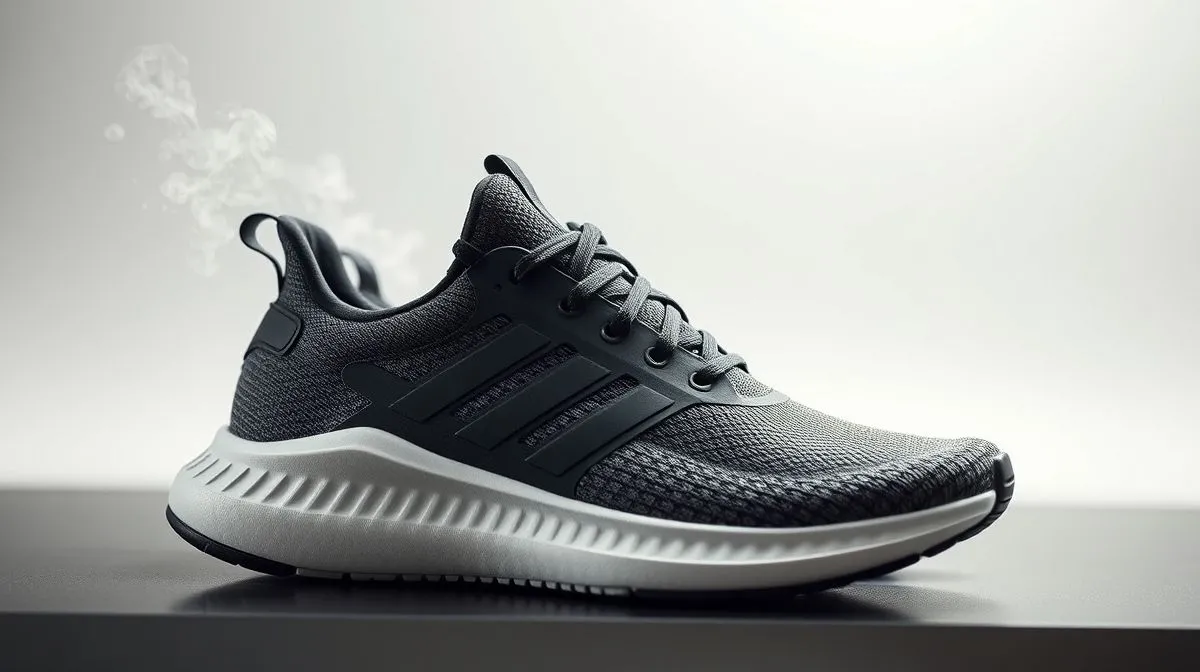
Mesh is perhaps the most common and effective synthetic material for promoting airflow. Made from woven synthetic fibers like polyester or nylon, mesh fabrics feature an open, net-like structure that allows for maximum ventilation. You'll find mesh prominently in athletic shoes, running shoes, and walking shoes, where heat dissipation is critical.
The breathability of mesh is unparalleled, making it an excellent choice for preventing sweat buildup. However, mesh typically offers less support and durability than other materials, and its open structure means it provides little protection against water from external sources. For shoes where airflow is the top priority, mesh is undoubtedly one of the best shoe materials for sweaty feet.
Gore-Tex and Other Waterproof/Breathable Membranes
For those who need both waterproof protection and breathability, advanced membranes like Gore-Tex are game-changers. These materials feature microscopic pores that are too small for liquid water molecules to pass through but large enough for water vapor (sweat) to escape. This allows the foot to breathe while keeping external moisture out.
While often used in outdoor and hiking boots, these membranes are also finding their way into more casual and athletic footwear. They represent a sophisticated solution for managing sweat in challenging conditions, though they can sometimes be less breathable than pure mesh in very hot, dry environments. Other similar membranes include eVent and Futurelight.
Specialized Synthetics (e.g., Polyester Blends)
Beyond pure mesh, many modern athletic shoes utilize specialized synthetic blends, often incorporating polyester, nylon, or spandex. These fabrics are engineered for their moisture-wicking properties, durability, and lightweight feel. They are designed to pull sweat away from the skin rapidly and spread it across the fabric surface for quick evaporation.
These materials are often used for linings, insoles, and sometimes the upper construction of performance footwear. Manufacturers continuously innovate with weaves and fiber treatments to enhance breathability and moisture management, making them key components in the arsenal against sweaty feet.
Materials to Approach with Caution (or Avoid)
Just as there are materials that help, there are others that actively hinder your efforts to keep feet dry. Knowing what to avoid is as important as knowing what to seek out.
Rubber and PVC: Trapping Moisture
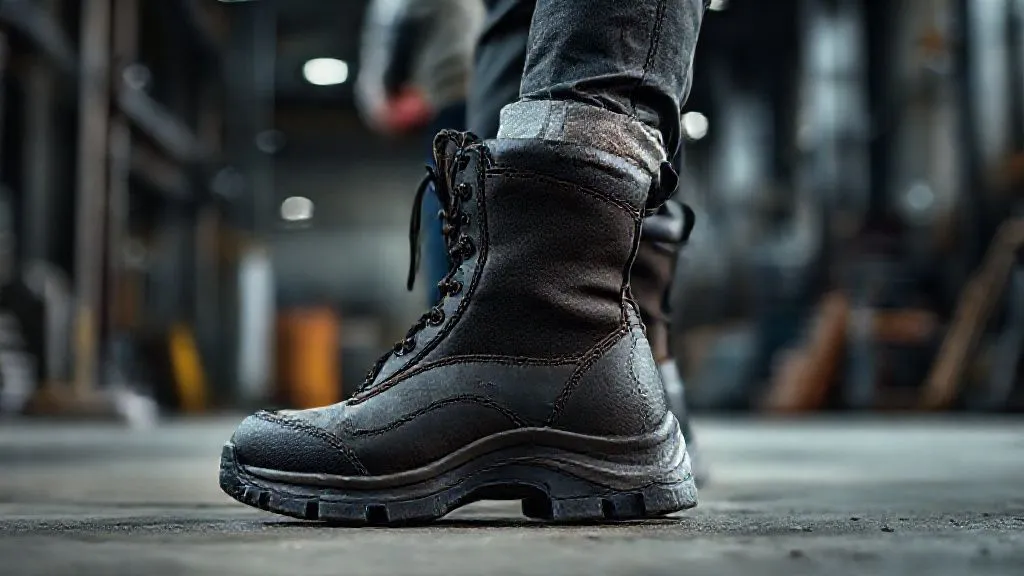
Materials like solid rubber and polyvinyl chloride (PVC) are excellent at being waterproof, but this impermeability works both ways. They prevent external water from entering, but also prevent internal moisture (sweat) from escaping. This creates a highly humid, unventilated environment inside the shoe, leading to rapid sweat buildup and discomfort.
Footwear predominantly made of these materials, such as rain boots or certain types of work boots, should be worn with caution if you have sweaty feet. If you must wear them, ensure they have breathable linings or pair them with highly effective moisture-wicking socks.
Certain Types of Faux Leather
While some high-quality synthetic leathers (often polyurethane-based) can offer decent breathability, many cheaper faux leathers are essentially plastic-coated fabrics. These materials often lack the microscopic pores found in genuine leather, making them very poor at allowing air circulation or moisture escape.
They can trap heat and humidity, leading to significantly increased sweating and discomfort. Always check the composition of faux leather if breathability is a concern. A quick test for genuine leather is its ability to absorb a small drop of water, whereas most synthetics will repel it.
Beyond the Material: Other Factors for Foot Comfort
While choosing what are the best shoe materials for sweaty feet is crucial, it's part of a larger strategy for foot comfort and hygiene. Several other factors play a significant role in managing foot perspiration.
Sock Selection: The Unsung Hero
The socks you wear are just as important as your shoes, if not more so, in managing sweat. Cotton socks, while comfortable, absorb moisture and hold it against your skin, exacerbating the problem. Opt for socks made from:
- Merino Wool: Excellent for wicking moisture and odor resistance.
- Synthetic Blends: Polyester, nylon, and Coolmax blends are engineered to pull moisture away from the skin.
- Bamboo: Naturally breathable and moisture-wicking with antimicrobial properties.
Changing socks regularly, especially after physical activity, is also a simple yet effective practice.
Shoe Construction and Design
The overall design of the shoe also impacts breathability. Shoes with more mesh panels, perforations, or open designs (like sandals or certain types of loafers) will naturally offer better ventilation. Conversely, heavily padded or insulated shoes will trap more heat and moisture.
Consider the structure of the shoe: is it tightly enclosed or does it allow for air circulation around the foot? A well-designed shoe, even with excellent materials, can fall short if its construction is too restrictive or heavily insulated for your needs.
Foot Hygiene Practices
Good overall foot hygiene is fundamental. Wash your feet daily with soap and water, paying attention to the areas between your toes, and dry them thoroughly. Applying foot powder or antiperspirant specially designed for feet can also help manage sweat production.
Allowing your shoes to air out between wears is also vital. Avoid wearing the same pair of shoes two days in a row; giving them 24-48 hours to dry completely can significantly reduce odor and prevent bacterial growth. Using shoe trees made of cedar can help absorb moisture and maintain shoe shape.
Choosing the Right Shoes for Your Lifestyle
The ideal shoe material can vary depending on your lifestyle and the specific activities you engage in. What works for a marathon runner might not be the best choice for office wear.
Athletic and Active Footwear
For running, gym workouts, or any high-intensity activity, prioritize shoes with maximum ventilation and moisture-wicking properties. Look for uppers made predominantly of engineered mesh or specialized synthetic blends. Linings should also be synthetic wicking fabrics. Lightweight construction is also beneficial to reduce heat buildup. These are often the prime examples of what are the best shoe materials for sweaty feet in performance contexts.
Everyday and Casual Shoes
For daily wear, comfort and balanced breathability are key. Canvas, breathable leathers (like full-grain), and shoes with mesh panels are excellent choices. Consider unlined or minimally lined leather shoes for enhanced airflow. For warmer climates, sandals or open-toed shoes made from natural materials can offer superior ventilation.
Professional and Dress Shoes
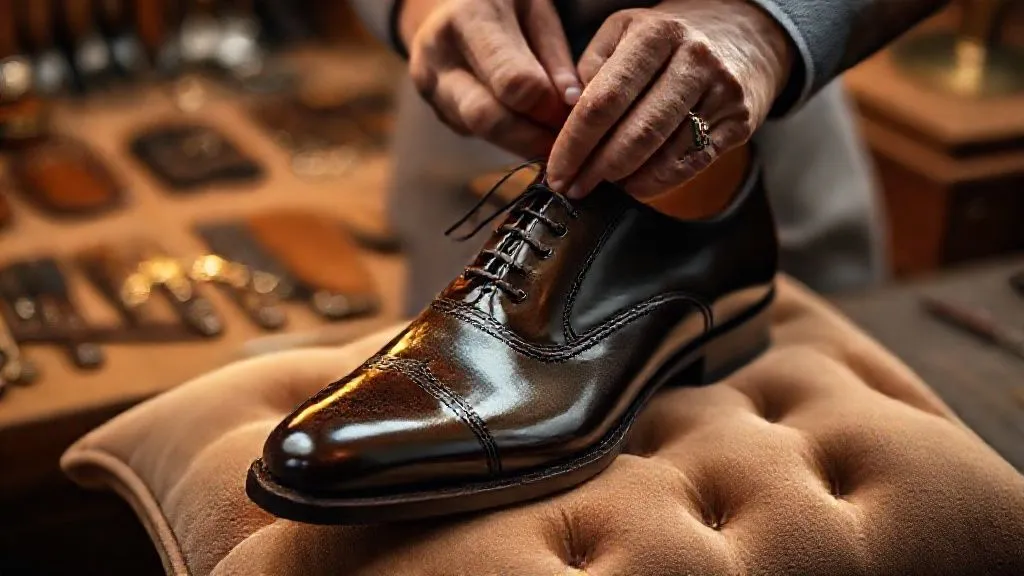
Dress shoes often present a challenge due to their typically more enclosed design. Opt for genuine full-grain leather uppers and leather linings. Avoid synthetic linings or patent leather if possible. Look for shoes with leather soles, which offer better breathability than rubber or synthetic soles. If full leather isn't an option, ensure the insoles are removable and replaceable with moisture-wicking alternatives.
Frequently Asked Questions (FAQ)
Are leather shoes truly good for sweaty feet? Yes, genuine full-grain and top-grain leather are excellent for sweaty feet due to their natural breathability and ability to absorb moisture. However, heavily treated or patent leather may not offer the same benefits.
Can shoe inserts help with sweaty feet? Absolutely. Look for insoles made from moisture-wicking materials like charcoal, bamboo, or specialized synthetic foams. These can absorb sweat and help control odor, providing an extra layer of defense.
How often should I clean shoes designed for sweaty feet? Regular cleaning is crucial. For casual shoes, wipe them down after each wear. For athletic shoes, follow manufacturer guidelines for deeper cleaning. Allowing them to air dry completely between wears (ideally 24-48 hours) is just as important as cleaning.
Is it normal for feet to sweat a lot? Sweating is a normal bodily function. However, if your feet sweat excessively even when you're not hot or exercising, you might have a condition called hyperhidrosis. Consult a doctor if excessive sweating significantly impacts your daily life.
Recommended Reading
- Draping Dreams: Best Fabric for Textile Art Costumes REVEALED!
- Petite Perfection: Your Guide to Classic Wardrobe Essentials
- Stylish Glasses for Sensitive Eyes: The Ultimate Guide to Comfort and Style
- The Ultimate Secret to Effortlessly Transitioning Outfits for Busy Women
- Shine On: How to Clean Diamond Jewelry at Home Safely (Easy Guide)
Conclusion
Managing sweaty feet is a multifaceted endeavor, but selecting the right shoe materials stands as one of the most impactful steps you can take. From the time-tested breathability of genuine leather and wool to the advanced moisture-wicking capabilities of modern mesh and synthetic blends, the options are plentiful. Understanding the unique properties of each material empowers you to make informed decisions that prioritize both comfort and foot health. Remember that what are the best shoe materials for sweaty feet depends on your individual needs and activities, but the guiding principles of breathability and moisture management remain universal. By combining smart material choices with good foot hygiene and proper sock selection, you can finally bid farewell to damp discomfort and step confidently towards drier, fresher feet.


Your email address will not be published. Required fields are marked *