


How to design cute kids outfits that maximize comfort and durability?
For over 15 years in the dynamic world of kids' fashion, I've witnessed countless trends come and go. Yet, one constant challenge remains for parents and designers alike: creating adorable children's outfits that don't just look good, but also stand up to the relentless energy of childhood, ensuring maximum comfort and impressive durability. It's a delicate balance, often overlooked in the pursuit of fleeting cuteness.
The problem, as I frequently hear from parents, isn't just about aesthetics. It's the frustration of clothes shrinking after a single wash, seams unraveling after a few playdates, or fabrics chafing delicate skin. Kids grow fast enough without their clothes disintegrating even faster. This cycle of constant replacement is not only costly but also incredibly wasteful, leaving parents feeling overwhelmed and guilty about their fashion choices.
In this definitive guide, I'll share my proven frameworks and expert insights to help you master the art of designing cute kids outfits that maximize comfort and durability. We'll delve into everything from fabric selection to construction techniques, offering actionable steps, real-world examples, and data-backed advice to ensure your children's wardrobe is both charming and resilient. Prepare to transform how you think about and choose kids' fashion.
1. The Foundation: Prioritizing Fabric Selection for Longevity and Softness
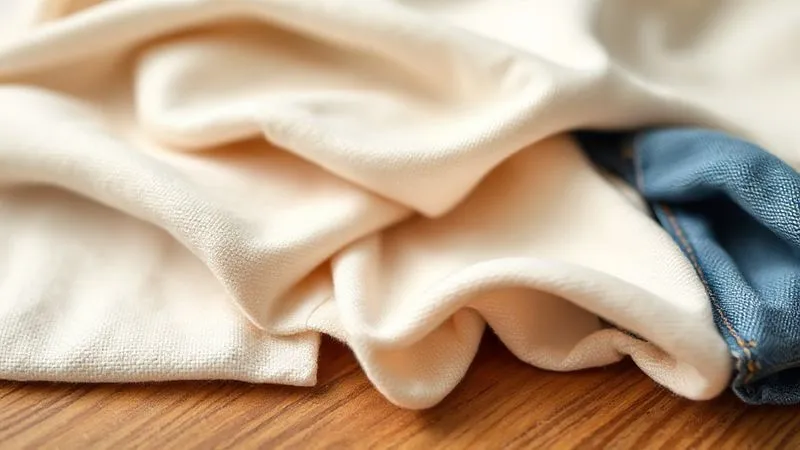
The journey to designing truly exceptional kids' outfits begins with the fabric. This isn't merely about color or pattern; it's about the very fiber that will hug a child's skin and withstand their daily adventures. In my experience, overlooking fabric quality is the number one reason clothes fail.
Understanding Natural vs. Synthetic Fibers for Kids
Natural fibers like cotton, bamboo, and wool offer breathability and softness, which are paramount for children's sensitive skin. Organic cotton, for instance, is grown without harmful pesticides, making it an excellent choice for minimizing skin irritations and environmental impact. Synthetics, such as polyester and nylon, can offer incredible durability and quick-drying properties, but often lack breathability. A blend can sometimes offer the best of both worlds.
"Never compromise on the fabric's integrity. A child's comfort and the garment's lifespan are directly proportional to the quality of its foundational material."
Key Fabric Attributes to Look For:
- Softness: Essential for comfort, especially for babies and toddlers. Look for brushed cotton, bamboo, or merino wool.
- Breathability: Prevents overheating and allows moisture wicking. Natural fibers excel here.
- Durability: High thread count, tightly woven fabrics resist wear and tear. Consider denim, canvas, or ripstop blends for outerwear.
- Stretch and Recovery: A small percentage of spandex (2-5%) can add flexibility without compromising shape, crucial for active kids.
- Ease of Care: Machine washable and dryable fabrics are non-negotiable for busy parents.
According to textile industry reports, the demand for sustainable and durable children's wear fabrics has grown by over 20% in the last five years, indicating a clear shift in consumer priorities towards longevity and ethical production. (Oeko-Tex Standard 100 is a great resource for certified safe textiles).
2. Smart Design: Ergonomics and Freedom of Movement
Once you've selected your fabrics, the design itself must prioritize a child's natural movements. Kids aren't static; they crawl, run, jump, and explore. Their clothing needs to facilitate this, not restrict it. I've seen countless cute outfits become 'unwearable' because they simply weren't designed for a child's active life.
Designing for Dynamic Play:
- Generous Armholes & Crotch Areas: Prevents chafing and allows full range of motion.
- Elasticized Waists & Cuffs: Offers flexibility and easy dressing/undressing, accommodating growth spurts.
- Reinforced Knees & Elbows: For items like pants and jackets, adding a second layer of fabric or a durable patch significantly extends lifespan.
- Flat Seams: Minimizes irritation on sensitive skin.
Case Study: How 'Playful Threads' Mastered Movement
Playful Threads, a small online brand, initially struggled with customer complaints about restrictive clothing, despite using high-quality fabrics. By implementing a design overhaul focused on ergonomic patterns – specifically, wider crotch gussets in pants, raglan sleeves in tops, and adjustable waistbands – they saw a 40% reduction in returns related to discomfort and a 25% increase in repeat purchases. This demonstrated that even subtle design changes can profoundly impact usability and customer satisfaction, directly addressing how to design cute kids outfits that maximize comfort and durability.
3. Construction Techniques for Unyielding Durability
Even the best fabric and design can fail if the construction is poor. This is where the true craftsmanship comes into play. As an industry specialist, I emphasize that strong seams and robust finishing are non-negotiable for kids' wear.
Essential Construction Practices:
- French Seams or Flat-Felled Seams: These enclose raw edges, preventing fraying and providing a much stronger, neater finish than simple overlocked seams. Ideal for garments that undergo frequent washing.
- Double Stitching & Bar Tacks: Reinforce high-stress areas like crotches, armholes, and pocket corners. A simple bar tack can prevent a ripped pocket from becoming a ruined garment.
- Quality Thread: Use polyester or nylon thread, which is stronger and more durable than cotton thread, especially for seams that will bear significant strain.
- Reinforced Buttonholes & Zippers: Ensure these closures are securely sewn and backed with interfacing to prevent tearing. YKK zippers are a personal favorite for their reliability.
- Edge Finishing: Hems should be generous and double-folded to provide weight and prevent curling.
Expert Tip: When designing, consider how the garment will be worn and washed. Children's clothing often endures more vigorous washing cycles than adult clothing, so every seam must be up to the task.
4. Thoughtful Fastenings and Adjustability
Fastenings are more than just closures; they are key elements for comfort, ease of use, and extending the life of an outfit. Adjustable features are particularly valuable as children grow.
Choosing the Right Closures:
- Snaps: Easy for parents, but ensure they are securely attached and nickel-free to prevent allergies.
- Zippers: Opt for chunky, durable plastic zippers for ease of use and safety, especially for younger children. Avoid small, metal zippers that can pinch.
- Buttons: While classic, ensure they are large enough to not be a choking hazard for infants and securely sewn.
- Velcro: Great for quick adjustments but can lose effectiveness over time and sometimes snag other fabrics in the wash.
Adjustable Features for Growth:
Incorporating adjustable elements significantly enhances durability by allowing the garment to 'grow' with the child, maximizing its wear time. Think about the following:
| Feature | Benefit | Examples |
|---|---|---|
| Adjustable Waistbands | Accommodates waist growth, ensures snug fit. | Elastic with buttonholes, inner drawstring. |
| Roll-up Sleeves/Cuffs | Extends arm/leg length as child grows. | Button tabs, elasticized cuffs. |
| Extendable Hems | Allows for lengthening of pants or skirts. | Hidden extra fabric, double-folded hems. |
| Adjustable Shoulder Straps | Perfect for overalls, dresses, allowing vertical growth. | Button closures, slider buckles. |
As a designer, I always aim for at least one adjustable feature in key garments. It's a small detail that offers immense value to parents.
5. The Role of Sustainable Practices in Kids' Fashion
Durability inherently links to sustainability. A garment that lasts longer reduces waste and the need for new production. This isn't just a trend; it's a responsibility. When considering how to design cute kids outfits that maximize comfort and durability, thinking sustainably is crucial.
Embracing Eco-Conscious Design:
- Longevity by Design: Focus on classic styles that don't quickly go out of fashion. Timeless pieces are more likely to be passed down or resold.
- Upcycling & Repairability: Design with the end-of-life in mind. Can a worn-out knee be patched stylishly? Can a dress become a top?
- Ethical Production: Partner with manufacturers who follow fair labor practices and minimize environmental impact. Transparency in the supply chain is vital.
- Reduced Chemical Use: Opt for fabrics dyed with low-impact, non-toxic dyes. (GOTS certified fabrics are excellent examples).
"Sustainable kids' fashion isn't just about eco-friendly materials; it's about fostering a culture of mindful consumption and designing for a circular economy."
6. Play-Tested Durability: Real-World Application
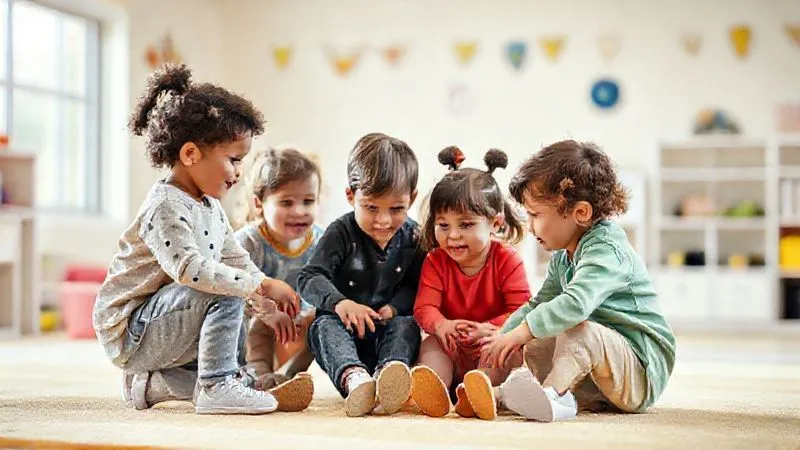
It's one thing to design on paper; it's another to see how a garment performs in the wild. I always advocate for rigorous real-world testing. This is where your designs truly prove their worth in maximizing comfort and durability.
My Protocol for Play-Testing:
- Recruit 'Testers': Involve children of varying activity levels to wear and test prototypes.
- Observe & Document: Pay close attention to how the fabric moves, where seams experience stress, and if any elements cause discomfort during play.
- Wash & Wear Cycles: Put garments through at least 10-20 wash cycles to assess shrinkage, colorfastness, and overall structural integrity.
- Parent Feedback: Gather insights from parents on ease of dressing, comfort, and how the garment holds up over time.
This feedback loop is invaluable. It often reveals subtle design flaws or areas where reinforcement is needed that might be missed in initial design phases. For example, I once designed a beautiful toddler dress with delicate lace trim. Play-testing quickly showed the lace was getting caught and tearing. We switched to a more robust, embroidered trim, maintaining the aesthetic but drastically improving durability.
7. Maintenance and Care: Educating Parents for Extended Lifespan
Even the most durable and well-designed outfit won't last if not cared for properly. As designers, we have a responsibility to not only create quality garments but also to educate parents on how to maintain them. This is a crucial, often overlooked, aspect of maximizing durability.
Empowering Parents with Care Instructions:
- Clear Labeling: Provide easy-to-understand care labels with specific washing temperatures, drying instructions, and ironing recommendations.
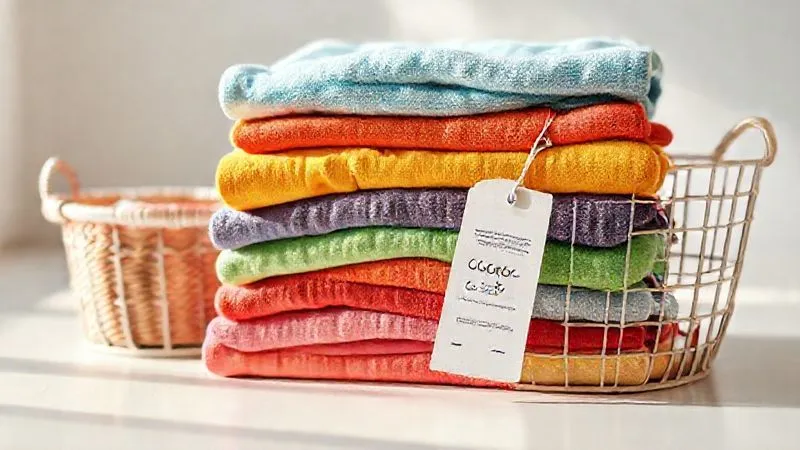
- Educative Hang Tags: Go beyond standard labels. A small hang tag with tips like "Wash inside out to protect prints" or "Close zippers before washing to prevent snagging" can make a huge difference.
- Fabric-Specific Advice: Different fabrics require different care. For instance, wool needs gentle washing, while polyester can handle more robust cycles.
- Stain Removal Tips: Common kids' stains (grass, mud, food) can be tackled effectively with the right pre-treatment, extending the life of the garment.
According to a survey by Cotton Incorporated, over 70% of consumers admit to not reading care labels thoroughly, leading to premature wear and tear. By making care instructions more accessible and engaging, we can help parents preserve their investments. (Cotton Incorporated provides excellent resources on fabric care).
Think of it as a partnership: you design for durability, and parents care for longevity. This holistic approach truly answers the question of how to design cute kids outfits that maximize comfort and durability.
Frequently Asked Questions (FAQ)
Q: What are the absolute best fabrics for kids' clothing concerning both comfort and durability? The top contenders are organic cotton (especially interlock knit for softness), bamboo viscose (incredibly soft, breathable, and thermoregulating), and merino wool (excellent for temperature regulation, odor resistance, and surprisingly durable when cared for properly). For outerwear or high-wear items, a durable cotton canvas or a polyester blend with a soft lining can be effective. Always prioritize certifications like Oeko-Tex or GOTS for safety and environmental standards.
Q: How can I ensure an outfit will accommodate a child's rapid growth without looking ill-fitting? The key lies in smart design features. Adjustable waistbands (like elastic with buttonholes), roll-up cuffs or sleeves with button tabs, and extendable hems are fantastic. Also, choosing slightly oversized, relaxed fits for everyday playwear, rather than super-fitted styles, naturally allows for more growth. Avoid designs that rely heavily on precise shoulder or crotch measurements if you want them to last through multiple growth spurts.
Q: Are there specific stitching techniques that significantly improve the durability of kids' clothes? Absolutely. French seams are my go-to for enclosing raw edges, preventing fraying, and creating a very strong, clean finish. Flat-felled seams, commonly seen in denim, are also incredibly robust. For high-stress areas like crotches, knee patches, or pocket attachments, double stitching and bar tacks are essential reinforcements. Using a good quality polyester thread, rather than cotton, also adds significant strength to all seams.
Q: What are common mistakes designers make when trying to balance cuteness with practicality in kids' fashion? One common mistake is prioritizing intricate embellishments (like delicate lace, small beads, or non-secure sequins) over functionality, which often leads to discomfort or quick damage. Another is using stiff, non-breathable fabrics for the sake of a specific look, sacrificing comfort. Overly tight or restrictive designs that hinder movement are also a frequent misstep. The best 'cute' designs incorporate practical elements seamlessly, like vibrant, durable prints or playful, robust appliques, ensuring the outfit remains functional and comfortable.
Q: How does the concept of 'play-testing' truly impact the final product, and is it always necessary? Play-testing is indispensable for truly maximizing comfort and durability. It provides real-world insights that lab tests or theoretical design can't. Observing children interact with the garment reveals stress points, comfort issues, and practical limitations you might never anticipate. For instance, a beautifully designed dress might snag on playground equipment, or a pair of pants might ride up uncomfortably during crawling. This feedback allows for crucial modifications before mass production, saving costly recalls and improving customer satisfaction. It's not just necessary; it's a cornerstone of responsible kids' fashion design.
Key Takeaways and Final Thoughts
Designing cute kids outfits that maximize comfort and durability is an art and a science, demanding a thoughtful, holistic approach. It’s about more than just aesthetics; it’s about understanding the unique needs of children and creating garments that support their growth, play, and exploration without compromise.
- Fabric First: Always start with high-quality, breathable, and durable materials like organic cotton or bamboo.
- Design for Movement: Ensure patterns allow for full range of motion, with generous cuts in key areas and adjustable features.
- Reinforce & Refine: Employ robust construction techniques like French seams and double stitching in high-stress zones.
- Educate for Longevity: Provide clear care instructions to empower parents in maintaining garments.
- Test, Test, Test: Real-world play-testing is invaluable for validating design choices and identifying areas for improvement.
- Embrace Sustainability: Design for timelessness and repairability to reduce environmental impact.
By integrating these expert strategies, you’re not just creating clothes; you’re crafting cherished memories, providing peace of mind to parents, and contributing to a more sustainable future for kids' fashion. The investment in quality design and construction pays dividends in wearability, longevity, and genuine happiness. Go forth and create, knowing your designs are built to last and loved to wear!
Recommended Reading
- 7 Proven Strategies: Turn Beauty Influencer Content into Direct Sales
- Chafe-Free Ultras: 7 Design Principles for Activewear That Prevents Blisters
- Secure That Veil: 7 Expert Steps for Fine, Slippery Bridal Hair All Day
- 7 Genuine Strategies: Marketing Empowering Womenswear Authentically?
- Salvaging Your Dream: 7 Ways to Fix Irreparable Lace Damage Before the Wedding



Your email address will not be published. Required fields are marked *