


Marketing empowering womenswear without performative tokenism?
For over two decades in the dynamic world of womenswear, I've witnessed the exhilarating highs of brands that genuinely connect with their audience and the disheartening lows of those that stumble, often for a single, critical reason: a lack of authentic resonance. The desire to champion women, to create clothing that truly empowers, is a noble pursuit. Yet, the path is fraught with the peril of performative tokenism – a superficial nod to empowerment that ultimately rings hollow.
This isn't just a marketing misstep; it's a profound betrayal of trust. Consumers today are more discerning than ever, armed with information and a keen sense for inauthenticity. They can spot 'woke washing' from a mile away, and when a brand's actions don't align with its empowering rhetoric, the backlash can be swift and severe, eroding brand loyalty and reputation.
In this comprehensive guide, I'll share my insights and provide a robust framework for Marketing empowering womenswear without performative tokenism. We'll explore actionable strategies, real-world analogies, and expert perspectives to help you build a brand that not only dresses women but genuinely uplifts them, fostering deep, lasting connections rooted in integrity and true impact.
Understanding the Core of Authentic Empowerment in Fashion
Before we delve into marketing tactics, we must first define what 'empowerment' truly means within the context of fashion. It's far more than just a buzzword or a catchy slogan. Genuine empowerment in womenswear stems from a holistic approach that considers every facet of a brand's operation, from its design philosophy to its production practices and its public messaging.
In my experience, brands that genuinely empower women do so by creating products that make them feel confident, comfortable, and respected, while also contributing positively to the world. This involves thoughtful design that celebrates diverse body types and lifestyles, ethical manufacturing that respects workers and the environment, and marketing that reflects a true understanding and appreciation of women's multifaceted lives.
True empowerment isn't about telling women they are powerful; it's about creating products and platforms that help them realize and express their inherent strength and agency.
Characteristics of authentic empowerment include:
- Inclusivity: Designing for a wide range of body types, ages, and backgrounds.
- Ethical Production: Ensuring fair wages, safe working conditions, and sustainable practices.
- Quality & Durability: Creating garments that last, reducing fast fashion's environmental impact.
- Comfort & Functionality: Prioritizing how women feel and move in their clothes.
- Authentic Representation: Featuring real women with diverse stories in marketing.
- Purpose-Driven Initiatives: Supporting causes that genuinely uplift women and communities.
The Spectrum of Empowerment: From Surface to Systemic
I've observed that many brands operate on a spectrum when it comes to empowerment. At one end, you have surface-level efforts – perhaps a single campaign featuring a diverse model, or a donation to a women's charity without deeper engagement. While well-intentioned, these gestures often lack the systemic commitment required for true impact. At the other end are brands that embed empowerment into their very DNA, from their supply chain transparency to their internal diversity policies and their long-term community investments. Our goal is to move your brand decisively towards the latter, ensuring every action reinforces your commitment.
Deconstructing Performative Tokenism: What It Looks Like (and Why It Fails)
Performative tokenism is the act of making a superficial or symbolic gesture towards a social cause or group, often for public relations benefit, without genuine commitment or systemic change. In fashion, this often manifests as 'woke washing' – a brand adopting progressive rhetoric or imagery without truly embodying those values.
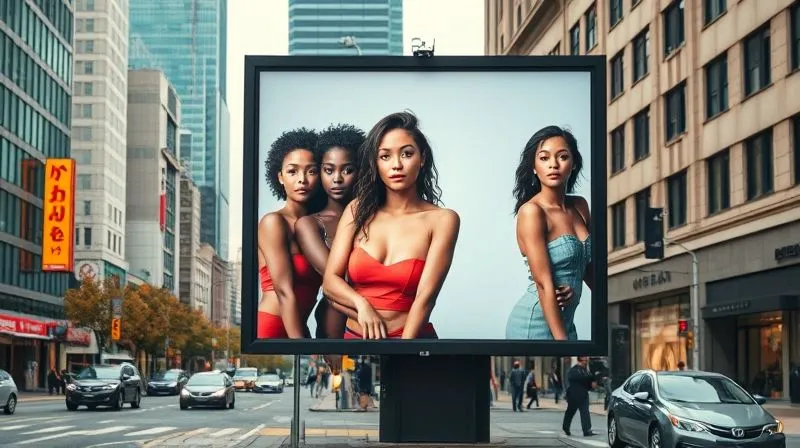
I've seen countless examples: a brand featuring a single plus-size model in an otherwise homogenous campaign, without offering extended sizing in their actual product lines; a company launching a 'women's empowerment' collection, only for investigations to reveal unethical labor practices in their factories; or a brand posting a black square on social media during a social justice movement, yet failing to address diversity and inclusion within their own corporate structure. These gestures are quickly identified by a savvy public.
The danger here is profound. Consumers are not just buying clothes; they're investing in a brand's values. When they perceive tokenism, it doesn't just feel disingenuous; it feels insulting. This leads to a rapid erosion of trust, cynicism towards all brand messaging, and ultimately, a significant hit to brand equity and sales. As Seth Godin often says, "People don't buy goods and services. They buy relations, stories, and magic." Performative tokenism shatters that magic.
Building Your Brand's Foundation: Values-Driven Design and Production
The journey to Marketing empowering womenswear without performative tokenism begins not with your marketing campaign, but with your product itself. Your values must be woven into the very fabric of your garments, from concept to creation. If your product doesn't genuinely reflect empowerment, no amount of clever marketing can sustain the illusion.
This means a rigorous focus on ethical sourcing, ensuring that every material, from cotton to zippers, is procured responsibly. It entails fair labor practices throughout your supply chain, guaranteeing that the women (and men) who make your clothes are paid fairly, work in safe conditions, and are treated with dignity. Sustainability is also non-negotiable; empowering women shouldn't come at the cost of the planet they inhabit.
Furthermore, true empowerment in design means genuine inclusivity. Are you designing for a diverse range of body shapes, sizes, and needs? Are your garments comfortable, functional, and confidence-boosting for all women, not just a narrow ideal? This commitment to inclusive design and ethical production forms the bedrock of an authentic brand.
- Audit Your Supply Chain: Conduct a thorough review of all suppliers to ensure ethical sourcing and fair labor practices. Look for certifications like Fair Trade or GOTS.
- Invest in Sustainable Materials: Prioritize recycled, organic, or innovative low-impact fabrics.
- Develop Inclusive Sizing: Move beyond vanity sizing and offer a truly comprehensive size range, with fit models representing diverse body types.
- Engage with Workers: Foster transparency by visiting factories, engaging with workers, and understanding their needs and challenges.
- Implement Circularity: Explore initiatives like repair services, take-back programs, or upcycling to extend garment life.
According to a Deloitte study, 55% of consumers are willing to pay more for sustainable brands. This isn't just a moral imperative; it's a strategic business advantage.
Beyond the Hanger: Embedding Values from Concept to Consumer
Embedding values isn't a one-time project; it's an ongoing commitment. It requires internal alignment across all departments, from design and production to marketing and customer service. Every team member must understand and embody the brand's commitment to empowerment. This holistic integration ensures that the empowering message isn't just a facade but a deeply ingrained part of your brand's identity, radiating authenticity from every touchpoint.
Crafting Narratives That Resonate: Storytelling Beyond the Surface
Once your product and practices are authentically aligned with empowerment, the next crucial step is to tell your story in a way that truly resonates. This means moving beyond generic aspirational imagery and delving into the rich, nuanced narratives of the women you aim to serve and the women who bring your vision to life. Authentic storytelling is the heart of Marketing empowering womenswear without performative tokenism.
Focus on the human element. Share the stories of your designers, the artisans who craft your garments, and the real women who wear your clothes. Highlight their journeys, their challenges, their triumphs, and how your brand plays a genuine role in their lives. This isn't about selling a lifestyle; it's about sharing a purpose and building a community around shared values. Co-creation and involving your community in your narrative can be incredibly powerful, making them feel like active participants rather than passive consumers.
Case Study: How 'Aura Apparel' Shifted to Authentic Storytelling
Aura Apparel, a mid-sized activewear brand, initially struggled with a perception of being superficial despite using diverse models. Their marketing focused heavily on idealized fitness imagery and generic empowerment slogans. Their churn rate among new customers was high, indicating a lack of genuine connection.
I advised Aura to pivot their content strategy. Instead of hiring professional models, they began showcasing their clothing on everyday women with inspiring personal stories – a marathon runner who overcame injury, a yoga instructor balancing motherhood and entrepreneurship, a community organizer. They created short documentary-style videos and blog posts detailing these women's journeys, focusing on how Aura Apparel's functional and comfortable designs supported their active lives and personal goals.
This shift resulted in a dramatic increase in engagement metrics, with social media comments highlighting appreciation for the 'realness' of their campaigns. Customer loyalty improved by 25% within 18 months, and brand sentiment surveys showed a significant rise in perception of Aura Apparel as an 'authentic' and 'supportive' brand. This demonstrated the power of genuine narrative over polished, but hollow, imagery.
The most compelling stories aren't invented; they're discovered. Look for the genuine narratives within your brand and among your community, and amplify them with respect and authenticity.

Inclusive Representation: Beyond Lip Service to Lasting Impact
Authentic representation is a cornerstone of Marketing empowering womenswear without performative tokenism. It goes far beyond simply ticking boxes or featuring a token diverse face in an ad. True inclusivity means reflecting the beautiful spectrum of womanhood across all your marketing channels, from your website and social media to your ad campaigns and internal communications.
This involves genuinely diverse casting for models and influencers – not just in terms of race and ethnicity, but also age, body type, ability, and lifestyle. It means ensuring that these individuals are depicted authentically, not as stereotypes or symbols, but as multifaceted people with their own stories. Crucially, this commitment to diversity must extend internally, within your design teams, marketing departments, and leadership roles. A brand cannot authentically speak to diverse women if its own house isn't diverse.
Consider the nuances of cultural sensitivity and avoid appropriation. Ensure your imagery and messaging resonate positively with the communities you aim to represent. The goal is to create a sense of belonging and recognition for every woman who encounters your brand.
| Aspect | Tokenistic Representation | Authentic Representation |
|---|---|---|
| Model Diversity | One 'plus-size' or 'POC' model in an otherwise homogenous campaign. | Consistent representation across all campaigns, reflecting a true demographic range (age, size, ethnicity, ability). |
| Product Offering | Limited sizing (S-L) with a few 'inclusive' pieces. | Extensive size range (XXS-5XL) designed for diverse body types from the outset. |
| Messaging | Generic 'girl boss' slogans or one-off 'empowerment' campaigns. | Narratives that highlight real women's stories, challenges, and achievements, integrated into all brand communications. |
| Internal Culture | Homogeneous team, with diversity only in entry-level roles. | Diverse leadership, inclusive hiring practices, and an internal culture that champions equity and belonging. |
As Forbes highlights, diverse and inclusive marketing isn't just ethical, it's profitable, driving higher engagement and brand loyalty.
From Campaign to Culture: Weaving Inclusivity into Your Brand DNA
To move beyond lip service, inclusivity must become an intrinsic part of your brand's DNA. This means establishing clear diversity and inclusion policies, investing in unconscious bias training for staff, and actively seeking out diverse talent at every level. It's about building a culture where diverse perspectives are not just tolerated but celebrated and integrated into decision-making processes. When inclusivity is truly embedded, it naturally radiates through all your external communications, making your marketing efforts genuinely empowering and authentic.
Engaging Your Community: Dialogue, Not Monologue
Authentic empowerment in womenswear marketing is a two-way street. It's about fostering genuine dialogue with your community, not just broadcasting your message. Performative tokenism often involves brands talking *at* women; true empowerment involves talking *with* them, listening to their needs, and inviting them into the conversation.
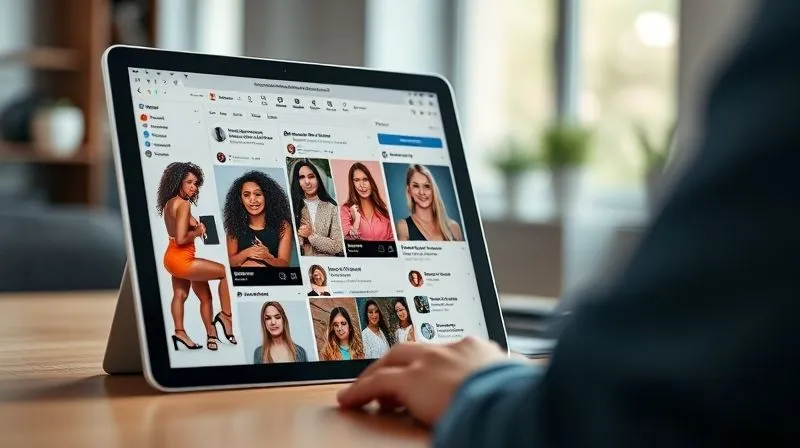
Create platforms where women can share their experiences, provide feedback, and even co-create with your brand. User-generated content (UGC) is an incredibly powerful tool when handled authentically. When women see themselves and their peers genuinely represented and heard, it builds a powerful sense of community and loyalty. This also extends to how your brand supports women's causes – not just with one-off donations, but through sustained partnerships and active engagement that reflects a deep understanding of the issues at hand.
- Host Interactive Workshops: Organize online or in-person sessions focused on topics relevant to women's empowerment, inviting community participation.
- Create Dedicated Feedback Channels: Establish clear avenues for customers to share their thoughts on products, campaigns, and brand values.
- Amplify User-Generated Content: Regularly feature authentic photos and stories from your customers (with permission), showcasing their diverse experiences.
- Partner with Grassroots Organizations: Collaborate with local or smaller women's charities, offering long-term support beyond financial donations, such as skill-sharing or volunteer programs.
- Facilitate Online Forums/Groups: Create safe spaces for women to connect, share, and discuss topics related to fashion, empowerment, and lifestyle.
Measuring Impact & Maintaining Accountability
To truly avoid performative tokenism, your brand must be accountable for its empowerment initiatives. This means going beyond traditional sales metrics and measuring the genuine impact of your efforts. How are your campaigns affecting brand sentiment? Is your community engagement truly deep and meaningful? Are your ethical and sustainable practices verifiable and transparent?
I always advise brands to establish clear, measurable goals for their empowerment initiatives. These might include metrics like brand perception scores related to authenticity and inclusivity, customer sentiment analysis around empowerment messaging, and the tangible results of your social impact partnerships (e.g., number of women supported, resources provided). Transparency is key here – openly share your progress, challenges, and learnings with your community. This builds trust and demonstrates a genuine commitment to continuous improvement, which is vital for Marketing empowering womenswear without performative tokenism.
- Define Key Performance Indicators (KPIs): Move beyond sales to include brand sentiment, engagement rates on empowerment content, and impact metrics for social initiatives.
- Conduct Regular Brand Audits: Periodically assess how your brand is perceived in terms of authenticity, inclusivity, and social responsibility.
- Implement Transparency Reports: Publish annual reports detailing your ethical sourcing, labor practices, and social impact, including both successes and areas for improvement.
- Solicit Independent Verification: Seek third-party certifications or audits for your sustainability and ethical claims to bolster credibility.
- Establish an Accountability Council: Form an internal or external committee dedicated to overseeing and guiding your brand's empowerment and social impact efforts.
As marketing thought leaders like Simon Sinek often emphasize, "People don't buy what you do; they buy why you do it." Your 'why' must be consistently demonstrated through measurable action, not just words.
The Long Game: Sustaining Authenticity in a Changing World
Authenticity isn't a destination; it's a continuous journey. The fashion landscape, consumer expectations, and societal values are constantly evolving. Brands committed to genuine empowerment must remain agile, open to feedback, and willing to adapt. This long-term commitment to learning, growing, and consistently embodying your stated values is what ultimately differentiates a truly empowering brand from one engaging in fleeting tokenism. It's about building a legacy of impact, not just a season's campaign.
The Future of Empowering Womenswear Marketing: A Call to Action
The imperative to genuinely empower women through fashion has never been stronger. Consumers are demanding it, and the market is rewarding brands that get it right. The era of superficial gestures and performative tokenism is rapidly fading, replaced by a deep desire for authenticity, integrity, and real impact. This is not just a trend; it's a fundamental shift in how brands must operate to thrive.
As an industry specialist, I firmly believe that brands committed to Marketing empowering womenswear without performative tokenism will be the ones that not only survive but truly flourish in the coming years. They will build unbreakable bonds with their customers, attract top talent, and contribute meaningfully to a more equitable and inspiring world. This is your opportunity to lead by example, to redefine what it means to be a fashion brand with purpose.
Don't just dress women; empower them. Don't just sell clothes; sell a vision of a better, more inclusive future, one garment at a time.

Frequently Asked Questions (FAQ)
How can small brands compete with larger brands on authenticity? Small brands often have an advantage here! Their smaller scale allows for closer relationships with suppliers, artisans, and customers, making it easier to maintain transparency and tell personal, authentic stories. Focus on your unique narrative, ethical sourcing, and genuine community engagement, which can often feel more personal and trustworthy than a large corporation's efforts. Your agility allows for quicker adaptation to feedback and a more direct connection to your values.
What's the biggest mistake brands make when trying to market empowerment? The biggest mistake is prioritizing marketing over genuine action. Many brands start with a campaign idea before ensuring their internal practices, supply chain, and product offerings truly align with the empowerment message. This leads to a disconnect that consumers quickly identify as performative. Always ensure your values are embedded in your operations first, then craft your marketing to reflect that inherent truth.
How do I ensure my internal team is aligned with our brand's empowerment message? Internal alignment is crucial. Start by clearly defining your brand's empowerment values and integrating them into your company culture, mission, and vision statements. Provide regular training on diversity, equity, and inclusion, and encourage open dialogue. Ensure leadership embodies these values and actively seeks diverse perspectives. When your team genuinely believes in and lives the message, it naturally translates into authentic external communication.
Is it possible to recover from a "woke washing" accusation? It is challenging but possible. Recovery requires immediate and genuine introspection, transparent acknowledgment of the misstep, and a concrete, long-term plan for change. Apologies must be followed by demonstrable action – revising policies, investing in ethical practices, engaging authentically with affected communities, and showing consistent commitment over time. Rebuilding trust is a marathon, not a sprint, and requires humility and sustained effort.
What role does sustainability play in empowering womenswear marketing? Sustainability is deeply intertwined with empowerment. Empowering women also means empowering them to live in a healthy, thriving world. Unethical labor practices often exploit women, and environmental degradation disproportionately affects women and marginalized communities. Therefore, a truly empowering brand must also be a sustainable one, ensuring its practices contribute positively to both people and the planet. Marketing sustainability authentically reinforces your commitment to holistic empowerment.
Key Takeaways and Final Thoughts
The journey to Marketing empowering womenswear without performative tokenism is a nuanced but incredibly rewarding one. It demands integrity, transparency, and a deep, unwavering commitment to the women you serve. As we've explored, authenticity isn't a marketing trick; it's the very foundation of a successful, impactful brand.
- Build on Genuine Values: Your product and practices must embody empowerment before your marketing can.
- Deconstruct Tokenism: Understand what it looks like and actively avoid its pitfalls.
- Craft Authentic Narratives: Share real stories that resonate deeply with your audience.
- Embrace Inclusive Representation: Reflect the true diversity of womanhood in all your communications and within your team.
- Engage in Dialogue: Foster two-way conversations and build a true community.
- Measure & Be Accountable: Track your impact beyond sales and maintain transparency.
I encourage you to embrace these strategies not as a checklist, but as a philosophy. Let your commitment to empowering women guide every decision, from the design studio to the marketing campaign. The brands that lead with heart, integrity, and genuine purpose will not only capture the market but will also contribute to a more empowered, equitable future for all women. Your impact can, and should, extend far beyond the clothes themselves.
Recommended Reading
- 7 Savvy Ways to Update Classic Accessories Without Looking Outdated
- Unlock Vintage Appeal: 9 Strategies to Modernize Historical Fashion for Today
- Mastering Remote Haute Couture: 7 Steps for Perfect Client Fit & Satisfaction
- 7 Ways to Source Sustainable Accessories Affordably: Your Expert Guide
- 7 Steps to Verify Cruelty-Free Fashion Supply Chains Ethically


Your email address will not be published. Required fields are marked *