

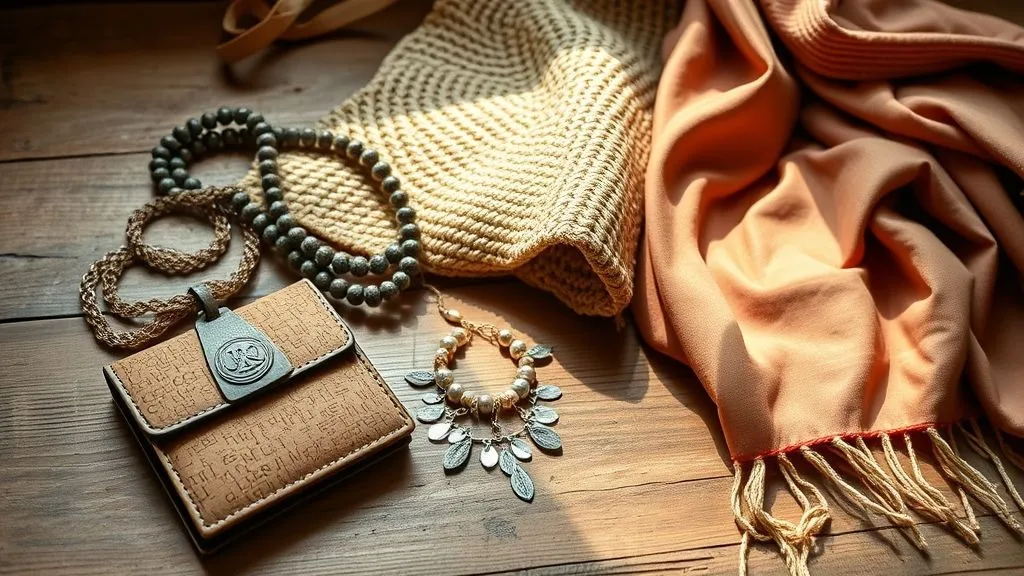
How to Source Sustainable Accessories Affordably? Your Expert Guide
For over 15 years in the fashion industry, I've witnessed firsthand the growing desire among consumers to align their purchasing power with their values. Yet, a common misconception, one I've encountered countless times, is that sustainable fashion, particularly accessories, must come with an exorbitant price tag. This belief often creates a significant barrier, pushing well-intentioned individuals back towards fast fashion's seductive, albeit destructive, siren call.
I understand this pain point deeply. You want to make responsible choices, support ethical practices, and reduce your environmental footprint, but the idea of paying triple for a simple necklace or a practical bag feels out of reach for your budget. It's a frustrating dilemma: how do you balance your conscience with your wallet in a world that often seems to demand you choose one over the other?
But what if I told you that building a beautiful, ethical, and sustainable accessory collection doesn't have to empty your bank account? In this definitive guide, I'll share my insider strategies, actionable frameworks, and expert insights on how to source sustainable accessories affordably. We'll explore practical approaches that empower you to make conscious choices without compromising your financial well-being or your personal style.
Understanding the True Cost of "Affordable" Accessories
Before we dive into sourcing strategies, it's crucial to understand why many so-called "affordable" accessories come with a hidden, and often devastating, price. The allure of a £5 necklace or a £20 handbag from a fast-fashion retailer is undeniable, but as an industry veteran, I've seen the devastating impact of these seemingly cheap goods.
The Hidden Environmental and Social Price Tag
The true cost of fast fashion accessories includes environmental degradation from excessive resource extraction, toxic dye runoff polluting waterways, and massive landfill waste. Socially, it often means exploitative labor practices, unsafe working conditions, and poverty wages for garment workers in developing countries. When an accessory is incredibly cheap, it's usually because these hidden costs have been externalized, meaning someone or something else is paying the real price.
"The cheapest price often comes with the highest cost to people and planet. True affordability considers long-term value, not just the initial sticker price."
By recognizing this, we can shift our mindset from seeking the lowest immediate price to understanding the true value and impact of our purchases. This forms the foundation for making genuinely affordable, sustainable choices.
Understanding these hidden costs is the first step towards making truly informed decisions:
- Environmental Damage: From resource-intensive raw material extraction to polluting manufacturing processes and overflowing landfills.
- Human Exploitation: Low wages, unsafe working conditions, and lack of basic rights for workers in global supply chains.
- Short Lifespan: Poor quality items designed to fall apart, leading to constant repurchase and increased waste.
- Resource Depletion: Rapid consumption of non-renewable resources for fleeting trends.
For a deeper dive into the impact of fast fashion, I recommend exploring resources from organizations dedicated to ethical consumption, such as the Fashion Revolution movement.
Demystifying Sustainable Materials: What to Look For (and Avoid)
One of the most effective ways to source sustainable accessories affordably is to become knowledgeable about materials. Not all materials are created equal when it comes to environmental and social impact.
Natural Fibers vs. Innovative Synthetics
When I advise clients on sustainable choices, I always emphasize understanding the material composition. Look for accessories made from:
- Organic Cotton: Grown without harmful pesticides or synthetic fertilizers, reducing water pollution and soil degradation.
- Hemp & Linen: Highly durable, require little water, and grow quickly without pesticides.
- Cork: A renewable resource harvested from cork oak trees without harming the tree itself. It's durable, waterproof, and vegan.
- Recycled Metals: Gold, silver, and other metals that have been reclaimed and re-processed, significantly reducing the environmental impact of new mining.
- Upcycled & Repurposed Materials: Leather scraps, old denim, plastic bottles transformed into new accessories, giving waste a second life.
- Innovative Synthetics: Materials like Piñatex (pineapple leaf fiber), mushroom leather, or recycled polyester (RPET) can offer sustainable alternatives, especially when sourced responsibly.
Conversely, I advise caution with conventional leather (due to tanning processes and animal welfare concerns), virgin plastics (microplastic pollution, resource depletion), and materials with unclear origins. Knowledge of materials empowers you to make informed decisions, often finding more affordable options in less conventional, but highly sustainable, materials.
Strategic Shopping: Where to Find Ethical Gems on a Budget
This is where the rubber meets the road. Finding genuinely sustainable accessories affordably requires a shift in your shopping habits and a willingness to explore new avenues. It's about being smart, not just frugal.
Secondhand & Vintage Markets: The Original Circular Economy
In my experience, this is hands down one of the most impactful and affordable ways to build a sustainable accessory collection. Buying pre-owned items extends their lifespan, reduces demand for new production, and keeps items out of landfills. Look for:
- Local Thrift Stores & Charity Shops: Often a treasure trove for unique and affordable finds. Patience is key here.
- Online Marketplaces: Platforms like eBay, Depop, Poshmark, and Vestiaire Collective (for higher-end) offer a vast selection. Filter by material, brand, or style.
- Consignment Stores: Curated selections of pre-owned items, often in excellent condition.
- Vintage Boutiques: While sometimes pricier, they offer truly unique, high-quality pieces with history.
The beauty of secondhand is that the item's environmental cost has already been paid. You're just giving it a new life. This is the epitome of circular fashion.
Direct-to-Consumer (DTC) Brands: Cutting Out the Middleman
Many emerging sustainable accessory brands operate on a direct-to-consumer model. By selling directly to you, they cut out wholesale markups and retail overheads, often allowing them to offer ethical products at more competitive prices than traditional luxury brands.
Actionable Step: Seek out smaller, independent brands online. Look for transparency in their supply chain, material sourcing, and labor practices. Their websites often have detailed 'About Us' or 'Sustainability' sections.
Ethical Sales & Discount Sections: Patience Pays Off
Just like any other retail sector, sustainable brands have sales, clearance events, and discount sections. Sign up for newsletters from your favorite ethical brands to be notified of promotions. Buying during these periods allows you to acquire high-quality, sustainable items at a reduced price. It requires patience, but the savings can be significant.
The concept of a circular economy is fundamental here, emphasizing reuse and longevity over constant new production.
The Power of Repair, Repurpose, and DIY: Extending Lifespans
True sustainability isn't just about how you buy, but how you care for what you own. Extending the life of your accessories is one of the most affordable and impactful sustainable actions you can take.
Basic Accessory Care and Repair Skills
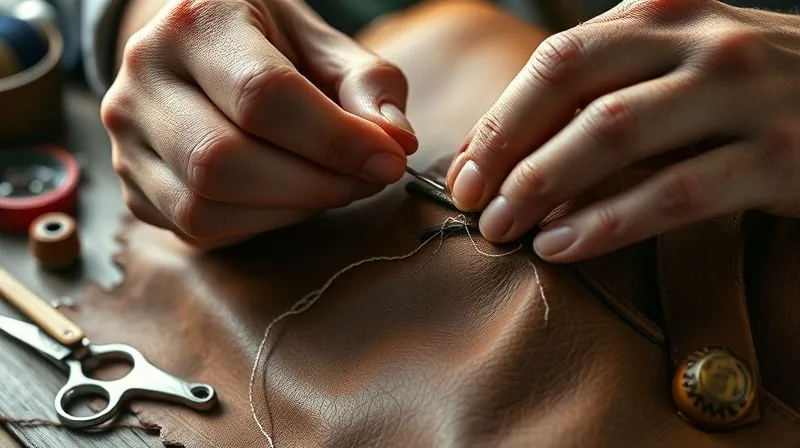
I've seen countless accessories discarded for minor issues that could be easily fixed. Learning a few basic repair skills can save you money and keep your beloved items in circulation:
- Stitching & Mending: A loose strap on a bag, a detached button on a scarf, or a torn lining can often be mended with a simple needle and thread.
- Jewelry Repair: Learning how to reattach a jump ring, replace an earring hook, or polish tarnished metal can revive many pieces.
- Leather & Fabric Care: Regularly cleaning and conditioning leather bags, or properly washing and storing fabric accessories, prevents premature wear and tear.
- Hardware Fixes: Sometimes a loose screw on a buckle or a stiff zipper just needs a little lubrication or tightening.
Upcycling & DIY Projects: Personalizing Your Style Sustainably
Don't underestimate the power of transformation. An old, forgotten accessory can be given a new life with a little creativity. This is where personal style meets sustainability:
- Scarves: An old silk scarf can become a chic hair tie, a bag handle wrap, or even be sewn into a unique top or headpiece.
- Broken Jewelry: Components from broken necklaces or earrings can be combined to create new, unique pieces.
- Old Belts: Can be cut down to make bracelets or used as decorative elements on bags.
- Fabric Scraps: Turn into small pouches, keychains, or embellishments for existing accessories.
Embracing repair and repurposing not only saves money but also fosters a deeper connection with your belongings and reduces waste. It's a truly empowering aspect of sustainable living.
Navigating Certifications and Transparency: Beyond Greenwashing
As the demand for sustainable products grows, so does the risk of greenwashing – brands making misleading claims about their environmental or ethical practices. As an expert, I always advise consumers to look for tangible proof and transparency.
Key Certifications to Recognize
Certifications provide third-party verification that a brand meets specific sustainability standards. While not exhaustive, recognizing these can guide your choices:
- GOTS (Global Organic Textile Standard): Ensures organic status of textiles from harvesting of raw materials through environmentally and socially responsible manufacturing.
- Fair Trade Certified: Guarantees fair wages, safe working conditions, and community development for producers.
- B Corp Certification: Identifies companies meeting high standards of verified performance, accountability, and transparency on factors from employee benefits and charitable giving to supply chain practices and input materials.
- Bluesign: Focuses on sustainable textile production, eliminating harmful substances from the beginning of the manufacturing process.
- OEKO-TEX Standard 100: Certifies that textile products are free from harmful substances.
Asking the Right Questions: Supply Chain Transparency
Beyond certifications, a truly sustainable brand will be transparent about its entire supply chain. They should readily provide information on:
- Where their materials are sourced.
- Who makes their products and under what conditions.
- Their environmental impact reduction efforts.
- Their social initiatives and community engagement.
"If a brand can't or won't tell you how or where their products are made, that's a red flag. Transparency is the bedrock of genuine sustainability."
Look for detailed sections on their website, impact reports, or even direct contact information. This empowers you to make purchasing decisions based on genuine commitment, not just marketing hype.
| Certification | Focus | Reliability |
|---|---|---|
| GOTS (Global Organic Textile Standard) | Organic textiles, social & environmental criteria | High, third-party audited |
| Fair Trade Certified | Fair wages, safe conditions, community development | High, third-party audited |
| B Corp | Overall social & environmental performance | High, rigorous assessment |
| Bluesign | Sustainable textile production, chemical management | High, system-based approach |
| OEKO-TEX Standard 100 | Absence of harmful substances in textiles | High, product-focused |
For more details on specific certifications, consult official bodies like the GOTS website.
Making Smart Investment Pieces: Quality Over Quantity
This strategy might seem counterintuitive when discussing affordability, but in my long career, I've seen it prove true time and again: buying fewer, higher-quality items is often more affordable in the long run than constantly replacing cheap, fast-fashion alternatives.
The "Cost Per Wear" Philosophy
This is a concept I advocate strongly for. Instead of looking at the upfront price, consider how many times you'll use an item. A £10 bag that falls apart after 5 uses has a cost per wear of £2. A £100 bag that lasts for 200 uses has a cost per wear of £0.50. The more expensive bag is, in fact, more affordable over time.
Actionable Step: When considering a purchase, ask yourself: "How often will I realistically use this? How long will it last?" This shifts the focus from initial outlay to long-term value.
Identifying Durable, Timeless Designs
When investing, choose accessories that are:
- Well-Constructed: Look for strong stitching, durable hardware, and quality craftsmanship.
- Made from Resilient Materials: As discussed earlier, materials like cork, organic cotton canvas, recycled metals, or high-quality vegan leathers tend to last longer.
- Timeless in Style: Opt for classic designs that won't go out of fashion quickly. Versatile pieces that can be dressed up or down will also increase their utility.
Case Study: Sarah's Smart Scarf Investment
Sarah, a student on a tight budget, wanted a versatile accessory to elevate her wardrobe. Instead of buying 5 cheap, trendy scarves from fast-fashion retailers, which she knew would fray after a few washes, she decided to invest in one high-quality, ethically sourced silk scarf from a brand committed to fair wages and sustainable production. Initially, the £60 price tag felt steep. But over two years, she wore it weekly, styled in countless ways – as a headband, a bag accent, a necktie, a belt, and even a top. Her cost per wear dropped dramatically to less than £0.60 per use, and the scarf still looks pristine, unlike her friends' fast fashion alternatives that quickly lost their luster. This decision not only saved her money long-term but also significantly reduced her environmental impact by avoiding multiple purchases and subsequent waste.
Community & Collective Action: Sharing and Swapping
Beyond individual purchasing decisions, there's immense power in community. Collective action can significantly reduce the financial burden of sustainable living while fostering a sense of connection.
Accessory Swaps and Lending Libraries
I've seen these concepts gain incredible traction, particularly among younger generations. Imagine:
- Accessory Swap Parties: Organize or join events where friends or community members bring accessories they no longer want and swap them for 'new' items. It's free, fun, and purely circular.
- Lending Libraries for Accessories: Some communities are establishing libraries where you can 'borrow' special occasion bags, jewelry, or even hats for a fraction of the cost of buying new. This is perfect for items you'll only use once or twice.
These initiatives not only make sustainable accessories more accessible but also build stronger communities and reduce overall consumption.
Supporting Local Artisans and Small Businesses
While sometimes perceived as more expensive, many local artisans and small businesses are inherently sustainable. They often use locally sourced materials, produce in small batches (reducing waste), employ ethical labor practices, and have a transparent supply chain. By supporting them, you're investing directly in your community and often getting a unique, handcrafted item that's built to last.
Supporting local businesses has a tangible positive impact on local economies and fosters unique craftsmanship, as highlighted by various economic studies on local business benefits.
Empowering Your Journey: A Mindset Shift
Ultimately, sourcing sustainable accessories affordably is as much about a shift in mindset as it is about practical strategies. It's about redefining what 'value' truly means.
Embracing Imperfection and Uniqueness
Fast fashion has conditioned us to expect flawless, mass-produced items. Sustainable accessories, especially vintage, secondhand, or handcrafted pieces, often come with character – a slight scuff, a unique patina, or a handmade irregularity. Embrace these 'imperfections' as signs of authenticity, history, and individuality. They tell a story that a factory-produced item never can.
Advocacy and Education: Spreading the Word
Your journey doesn't have to be a solitary one. By making conscious choices and sharing your experiences, you become an advocate. Educate friends and family about the benefits of sustainable accessories and the strategies for finding them affordably. The more demand there is for ethical and eco-friendly options, the more accessible and affordable they will become.
Remember, every conscious purchase, every repair, and every shared item contributes to a larger movement. Your choices have power.
| Criterion | Check | Impact |
|---|---|---|
| Material Origin | Is it recycled, organic, upcycled, or renewable? Avoid virgin synthetics. | Reduces resource depletion & pollution |
| Brand Transparency | Does the brand share supply chain details, labor practices, and certifications? | Ensures ethical production & avoids greenwashing |
| Durability & Quality | Is it well-made? Will it last? Consider 'cost per wear'. | Reduces waste & saves money long-term |
| Timelessness | Is the style classic and versatile? Will it go out of fashion quickly? | Maximizes utility & extends lifespan |
| Repairability | Can it be easily repaired if damaged? Are parts replaceable? | Extends product life & reduces waste |
Frequently Asked Questions (FAQ)
Question: Is "sustainable" always more expensive than fast fashion? Not necessarily in the long run. While the initial price point for a sustainably made accessory might be higher than a fast-fashion equivalent, its durability and ethical production often mean a lower 'cost per wear' and greater overall value. Factor in the environmental and social costs of cheap goods, and sustainable options often prove more affordable in a holistic sense.
Question: How can I verify a brand's sustainability claims if they don't have certifications? Look for detailed information on their website regarding their materials, manufacturing processes, and labor practices. A truly transparent brand will openly discuss their supply chain, even if they're too small for formal certifications. Look for evidence of small-batch production, local sourcing, or handcrafted processes. Don't hesitate to contact them directly with questions.
Question: What are the most impactful accessory choices for beginners on a tight budget? Start with secondhand. Thrift stores, online marketplaces, and vintage shops are excellent places to find unique, affordable accessories that already exist. Next, focus on versatile, timeless pieces made from durable, natural materials like organic cotton, hemp, or recycled metals that you'll use frequently and for many years.
Question: Can my individual purchases really make a difference against global fast fashion? Absolutely. Every conscious purchase shifts demand, signaling to the industry that consumers value ethics and sustainability. When enough individuals make these choices, it creates a powerful collective force that drives systemic change, encouraging more brands to adopt sustainable practices. Your choices are a vote for the future you want to see.
Question: What if I can't find specific sustainable options locally? While local is great, don't limit yourself. Online ethical marketplaces, direct-to-consumer sustainable brands, and secondhand online platforms offer a vast array of options regardless of your geographical location. Utilize filters for materials, certifications, and ethical practices to narrow down your search. Community swap groups online can also connect you with others looking to exchange items.
Key Takeaways and Final Thoughts
Navigating the world of sustainable accessories on a budget might seem daunting, but as we've explored, it's entirely achievable with the right mindset and strategies. You don't have to choose between your values and your wallet.
- Rethink Value: Look beyond the initial price tag and consider the true cost and long-term value (cost per wear) of your accessories.
- Embrace Secondhand: Thrift stores, vintage shops, and online marketplaces are treasure troves for affordable, sustainable finds.
- Know Your Materials: Prioritize organic, recycled, upcycled, and renewable materials while being mindful of conventional options.
- Support Transparency: Seek out brands with clear supply chains and recognized certifications, avoiding greenwashing.
- Invest Wisely: Choose durable, timeless pieces that you'll cherish and use for years, reducing the need for constant replacements.
- Repair & Repurpose: Extend the life of your existing accessories through care, repair, and creative upcycling.
- Engage with Community: Participate in swaps and support local artisans to foster a more circular and ethical accessory culture.
Your journey towards a more sustainable and affordable accessory collection is a powerful step towards conscious living. It's a testament to your commitment to both personal style and planetary well-being. By adopting these expert-backed strategies, you're not just buying accessories; you're investing in a better future, one thoughtful choice at a time. Keep learning, keep questioning, and keep making a difference.
Recommended Reading
- 7 Ways to Halt Antimicrobial Fabric Degradation Post-Wash Cycles
- Unlock Deeper Rest: How Blue Light Glasses Transform Executive Sleep
- 7 Practical Steps: Sustainable Fast Womenswear Cycles Revealed
- 7 Steps: Translate Abstract Script Themes to Conceptual Costume Design
- 7 Proven Strategies: Maximize Profit Selling Rare 1970s Vintage Apparel


Your email address will not be published. Required fields are marked *