


How to maximize profit selling rare 1970s vintage apparel?
For over two decades in the vintage fashion industry, I've had the privilege of witnessing the ebb and flow of trends, the rise and fall of styles, and the enduring allure of truly exceptional pieces. I've also observed countless passionate sellers, armed with incredible inventory, inadvertently leaving significant money on the table. The market for rare 1970s vintage apparel, in particular, is a goldmine for those who understand its unique nuances, yet many struggle to unlock its full potential.
The pain point is palpable: you've sourced a genuine Ossie Clark dress, a pristine Halston jumpsuit, or an unworn Fiorucci denim piece. You know its inherent value, but translating that into a maximized profit can feel like navigating a labyrinth. Without a strategic approach to authentication, pricing, presentation, and sales, these sartorial treasures often fetch far less than they're truly worth, leading to frustration and missed financial opportunities.
In this definitive guide, I'll draw upon my extensive experience to provide you with a robust framework on how to maximize profit selling rare 1970s vintage apparel. We'll delve into actionable strategies, real-world insights, and expert advice, moving beyond generic selling tips to provide a comprehensive roadmap for transforming your vintage passion into a highly profitable venture. Prepare to unlock the true value of your extraordinary 70s finds.
The Art of Authentication: Verifying Rarity and Provenance
The bedrock of maximizing profit in rare vintage apparel is impeccable authentication. Without it, even the most stunning piece remains a question mark, undermining its perceived value. For 1970s apparel, this goes beyond just a label; it's about understanding the era's manufacturing, materials, and design signatures.
Decoding Designer Labels and Union Tags
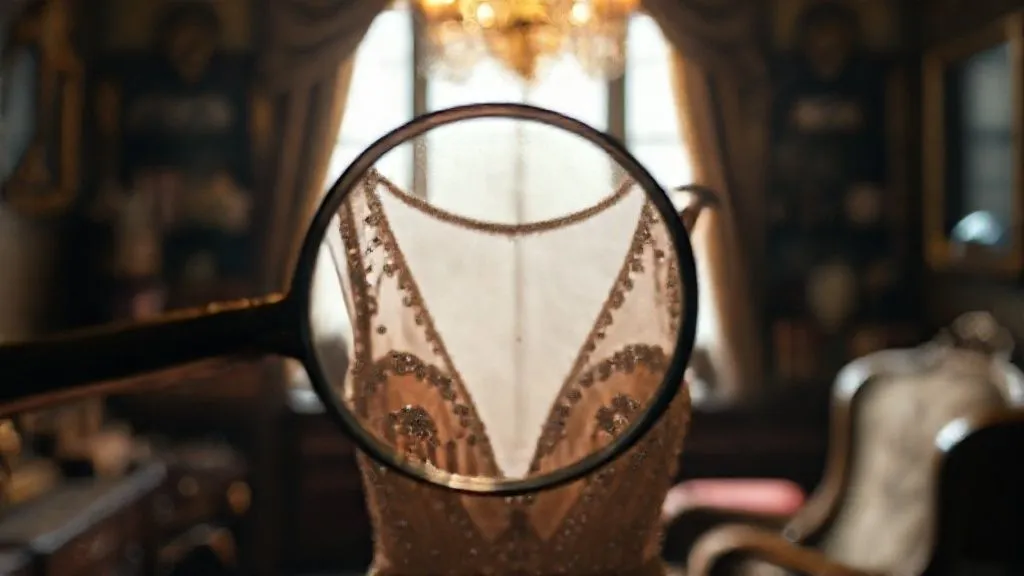
Firstly, familiarize yourself intimately with the labels of prominent 1970s designers. Think Halston, Ossie Clark, Zandra Rhodes, Stephen Burrows, Bill Blass, and Rudi Gernreich. Each had distinct labeling practices that evolved over the decade. Research their specific tag styles, font types, and any accompanying care tags or size labels. Beyond designers, understanding union tags (like the ILGWU tag in the US) can help date a garment to a specific window, as these tags changed over time. For instance, the 'Union Made in U.S.A.' tag with a specific letter code can pinpoint a narrow production period. According to the Fashion Institute of Technology's Digital Fashion History Archive, meticulous label research is crucial for establishing authenticity and provenance, directly impacting market value.
Fabric Forensics: Identifying Period-Correct Materials
The 1970s saw a fascinating blend of natural and synthetic fibers. Polyester, rayon, acetate, and nylon were prevalent, often in vibrant, experimental weaves. However, natural fibers like silk, wool, and cotton were still widely used, especially in higher-end designer pieces. Learn to identify the look, feel, and drape of these materials as they were produced in the 70s. For example, 1970s polyester often has a heavier weight and specific sheen compared to later iterations. Distinguishing a true silk disco shirt from a modern poly blend is vital for accurate valuation.
Construction Clues: Hand-Finishing vs. Mass Production
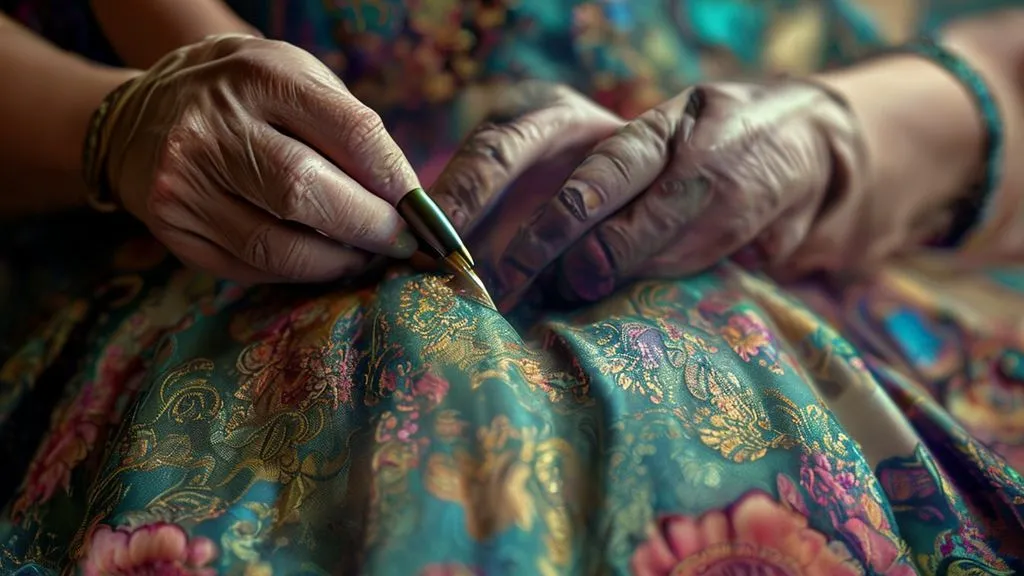
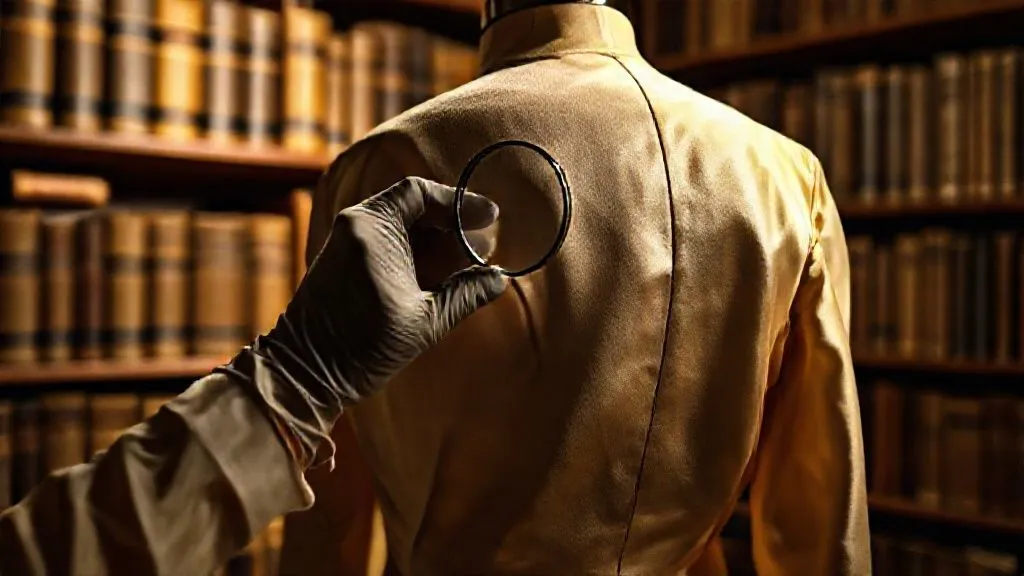
Examine the garment's construction. High-end 1970s designer pieces often feature hand-finished details, couture-level seams, and meticulous lining. Look for hand-sewn hems, expertly matched patterns, and quality closures. Mass-produced items, while still potentially valuable if iconic, will exhibit standard machine stitching. The presence of hand-finishing or complex construction techniques typical of haute couture or high-end ready-to-wear of the era significantly elevates a piece's rarity and value. This attention to detail speaks volumes about its original quality and potential for appreciation.
Expert Insight: "Authentication isn't just about proving something is real; it's about building an irrefutable story around the piece. Every validated detail adds layers of value, trust, and desirability, directly impacting how to maximize profit selling rare 1970s vintage apparel."
Precision Pricing: Valuing Your 1970s Gems for Maximum Return
Once authenticated, the next crucial step is strategic pricing. This is where many sellers falter, either underpricing out of uncertainty or overpricing and deterring buyers. Precision pricing for rare 1970s vintage apparel is an art form, blending market data with an understanding of scarcity and desirability.
Market Research: Beyond eBay Sold Listings
While eBay's sold listings offer a baseline, they don't always reflect the true high-end market for rare pieces. Expand your research to dedicated vintage designer archives, auction results from reputable houses (like Kerry Taylor Auctions or Sotheby's fashion sales), and high-end online vintage boutiques (e.g., 1stDibs, Vestiaire Collective's vintage sections). These platforms often showcase the upper echelon of vintage sales and provide a more accurate benchmark for truly rare items. Pay attention to what similar pieces by the same designer, in comparable condition, have sold for in a curated environment.
Condition Grading: The Nuances of "Excellent Vintage"
Condition is paramount. A rare piece in pristine, unworn condition (often termed 'deadstock') will command a significant premium over one with visible flaws, even if those flaws are minor. Develop a consistent and transparent grading system (e.g., Mint, Excellent, Very Good, Good, Fair). Be meticulously honest about any imperfections, no matter how small. High-resolution photos highlighting any flaws, alongside clear descriptions, build buyer trust and manage expectations. A common mistake is to overstate condition, which leads to returns and damaged reputation.
Rarity Multipliers: When Uniqueness Commands a Premium
What makes a 1970s piece truly 'rare'? It's often a combination of factors: limited production runs, iconic design (e.g., a piece worn by a celebrity or featured in a famous editorial), unusual size, or an exceptionally well-preserved example of a fragile material. These 'rarity multipliers' justify a higher price point. If you have a documented piece from a specific collection or a one-of-a-kind design, lean into that narrative. Research the historical context – was it part of a seminal collection? Was it custom-made? This additional context adds significant value and helps you justify a premium price point when you aim to maximize profit selling rare 1970s vintage apparel.
- Historical Significance: Was it worn by a celebrity or featured in a major publication?
- Designer Provenance: Is it a signature piece by a highly sought-after designer?
- Exceptional Condition: Is it unworn (deadstock) or near-perfect?
- Material Quality: Is it made from rare or luxurious materials for its time?
- Completeness: Does it include original belts, accessories, or tags?
According to a report by Deloitte on the luxury resale market, transparency and detailed item history are key drivers of perceived value, allowing sellers to command higher prices.
Curated Presentation: Photography and Storytelling That Sells
In the digital age, your product's presentation is its first and most powerful advocate. For rare 1970s vintage apparel, this means going beyond simple flat lays to create an immersive, desirable experience.
Professional Photography: Lighting, Styling, and Detail Shots
Invest in high-quality photography. Natural, soft daylight is often best, avoiding harsh shadows or artificial tints. Use a good camera (even a modern smartphone can work wonders if used correctly) and a clean, uncluttered background. Style the garment on a mannequin or a real person to showcase its true fit and drape. Capture every detail: the fabric texture, the label, the unique closures, any hand-stitching, and yes, even any minor flaws (clearly and honestly). A series of images from different angles, including close-ups, is non-negotiable. This visual transparency builds trust and helps buyers envision the piece.
The Narrative Arc: Crafting Compelling Product Descriptions
Your description is where the storytelling happens. Don't just list measurements; weave a narrative. What's the history of the designer? What was the cultural context of the 1970s when this piece was created? What makes this particular item special or rare? Use evocative language that transports the buyer. For instance, instead of 'polyester dress', try 'vibrant disco-era polyester, designed for movement and the dance floor.' Include precise measurements, condition details, and care instructions. This rich narrative enhances the emotional connection and justifies the premium price.
Expert Insight: "People buy stories, not just products. Especially with rare vintage, the narrative behind the garment – its designer, its era, its unique journey – transforms it from a mere item into a piece of wearable history. This emotional resonance is key to how to maximize profit selling rare 1970s vintage apparel."
Case Study: The 'Cosmic Dream' Jumpsuit Rebound
Sarah, a vintage seller, had a striking 1970s jumpsuit by an obscure but talented designer. She'd listed it with basic photos and a sparse description, and it languished for months. After attending one of my workshops, she re-photographed it using professional lighting and a styled model, highlighting its unique silhouette and shimmering fabric. More importantly, she researched the designer's short-lived career and the jumpsuit's appearance in a niche fashion magazine from '76. Her new description detailed the 'Cosmic Dream' collection, the designer's vision, and the historical context of disco fashion. The jumpsuit, originally listed at $350, sold for $950 within a week, proving the power of elevated presentation and storytelling.
Strategic Selling Platforms: Reaching the Right Buyers
Choosing where to sell your rare 1970s vintage apparel is as critical as the item itself. Not all platforms are created equal, and targeting the right audience is paramount for maximizing profit.
High-End Online Marketplaces vs. Personal Websites
For truly rare and high-value 1970s pieces, focus on platforms that cater to discerning buyers willing to pay a premium. This includes curated online marketplaces like 1stDibs, Vestiaire Collective (with their authentication services), or Ruby Lane. These platforms have established trust and a global reach to serious collectors. While they may have higher commission fees, the access to the right clientele often justifies it. Alternatively, building your own e-commerce website (e.g., with Shopify) gives you complete control over branding, storytelling, and pricing, avoiding marketplace fees. This requires more marketing effort on your part, but builds a direct customer relationship. As Forbes often highlights, focusing on a niche market with a tailored approach yields higher returns.
Offline Opportunities: Pop-Ups and Curated Boutiques
Don't underestimate the power of in-person sales for high-value items. Participating in curated vintage fashion fairs, pop-up events in upscale neighborhoods, or consigning with high-end brick-and-mortar vintage boutiques allows buyers to physically inspect the garment. The tactile experience, combined with your expert sales pitch, can often seal a deal at a higher price point than online. These channels also help you network with collectors and build your brand reputation within the vintage community.
- 1stDibs: Prestigious, high-commission, vetted sellers, global luxury clientele.
- Vestiaire Collective: Strong authentication, engaged community, good for designer vintage.
- Ruby Lane: Specializes in antiques and vintage, loyal customer base.
- Your Own Website: Full control, brand building, zero commissions (after platform fees).
- Curated Pop-Ups/Fairs: In-person appeal, direct interaction, immediate sales.
- High-End Consignment: Less effort for you, established clientele, but shared profit.
Building Your Brand: Trust, Authority, and Community
In a competitive market, you are not just selling clothes; you are selling your expertise and passion. Building a strong personal brand centered around 1970s vintage fashion is a long-term strategy that significantly enhances your ability to maximize profit selling rare 1970s vintage apparel.
Establishing Expertise Through Content Marketing
Become a recognized authority. Start a blog or a dedicated section on your website where you share your knowledge. Write about the history of 1970s designers, the social context of 70s fashion, how to authenticate specific labels, or the care of vintage fabrics. Create educational content that positions you as a trusted expert. This isn't just about selling; it's about educating and inspiring your audience, making them see you as the go-to source for rare 1970s vintage.
Leveraging Social Media for Niche Engagement
Use platforms like Instagram, Pinterest, and even TikTok to showcase your rare finds. Don't just post pictures; tell the story behind each piece. Create engaging content like 'behind the seams' videos, 'how to style 70s vintage' reels, or 'spot the fake' challenges. Engage with comments, answer questions, and build a community of fellow 1970s enthusiasts and collectors. Consistency is key here. As marketing guru Seth Godin often says, "People do not buy goods and services. They buy relations, stories, and magic." Your brand is the magic.
Expert Insight: "Your reputation precedes your price tag. In the world of rare vintage, trust is the ultimate currency. Consistently demonstrating your expertise and passion transforms casual browsers into loyal, high-value collectors."
Negotiation and Closing: Securing Top Dollar
For high-value rare 1970s vintage apparel, a buyer might open a dialogue beyond the listed price. How you handle these interactions can make or break a sale and significantly impact your profit margin.
Understanding Buyer Psychology in High-Value Sales
Buyers of rare vintage are often collectors or enthusiasts who value authenticity and provenance. They are typically well-informed and discerning. Understand that their questions are often genuine interest, not just haggling. Be patient, knowledgeable, and confident in your pricing. Highlight the unique attributes, historical significance, and condition of the piece. Frame the purchase as an investment or a unique acquisition, rather than just a garment.
Mastering the Art of the Offer and Counter-Offer
When a buyer makes an offer below your asking price, don't immediately dismiss it. Consider their offer in relation to your minimum acceptable profit. If it's a reasonable offer, you can accept. If it's too low, politely counter-offer, reiterating the value proposition of the piece. You might say, "I appreciate your offer. This particular Halston piece is exceptionally rare due to its deadstock condition and unique print. The lowest I can go is X, which reflects its historical value and pristine state." Be firm but polite, always keeping the conversation professional and focused on the garment's inherent worth. Avoid personalizing the negotiation.
- Be Prepared: Know your absolute minimum price before engaging.
- Highlight Value: Reiterate the rarity, condition, and provenance.
- Be Polite but Firm: Maintain professionalism.
- Offer Alternatives: If a discount isn't possible, perhaps offer expedited shipping or a small, related gift (e.g., a vintage scarf).
- Know When to Walk Away: Not every offer is worth accepting. Protecting your profit margin is paramount.
Post-Sale Excellence: Turning Buyers into Raving Fans
The transaction doesn't end when the payment clears. Post-sale care is vital for repeat business, positive reviews, and word-of-mouth referrals, all of which contribute to long-term profitability when you want to maximize profit selling rare 1970s vintage apparel.
Packaging and Shipping: Protecting Your Investment
For rare and delicate 1970s vintage apparel, packaging is critical. Use archival-quality tissue paper, a sturdy box, and ensure the garment is well-protected from moisture and movement during transit. Consider using a garment bag for dresses or suits. Always use insured, tracked shipping, especially for high-value items. A damaged item upon arrival, regardless of fault, will destroy trust and lead to negative feedback. Think of it as delivering a piece of art, not just a package.
Follow-Up and Relationship Building
A simple thank-you note, either physical or digital, can go a long way. Consider including a small, relevant, complimentary gift (e.g., a vintage-inspired button, a postcard with a 70s fashion icon). Follow up after a week or two to ensure the item arrived safely and that the buyer is satisfied. Encourage them to share photos of them wearing the piece and tag your brand. Building these relationships fosters a loyal customer base who will not only return for future purchases but also become advocates for your business. This is how you cultivate a community that values your expertise and your curated collection.
Expert Insight: "The true measure of a successful sale isn't just the profit margin; it's the relationship you build. A delighted customer becomes a brand ambassador, amplifying your reach and securing future high-value sales."
Frequently Asked Questions (FAQ)
Question: How do I identify a truly 'rare' 1970s piece beyond just a designer label? A truly rare 1970s piece often combines a sought-after designer with exceptional characteristics. Look for limited-edition collections, unique or experimental fabrications that were difficult to produce, pieces that appeared in major fashion editorials or were worn by cultural icons of the era, or items in sizes that are unusually large or small for vintage. Provenance (a clear history of ownership) also adds immense rarity. For example, a Halston Ultrasuede dress is desirable, but one in deadstock condition with a specific, never-before-seen print, or one documented as being from his personal collection, would be truly rare.
Question: Is professional cleaning worth the cost for vintage items before selling? Absolutely, for rare and high-value pieces. Professional, specialized vintage textile cleaning (often dry cleaning or specific hand-washing by experts) can significantly enhance a garment's appearance, remove odors, and increase its perceived value, thus allowing you to maximize profit selling rare 1970s vintage apparel. Ensure you choose a cleaner experienced with delicate, historical textiles, as improper cleaning can cause irreparable damage. Factor this cost into your pricing strategy. For fragile items, a 'do not clean' disclaimer with a recommendation for professional care can also be a valid approach.
Question: What's the biggest mistake sellers make when trying to maximize profit from rare 1970s vintage? The biggest mistake is failing to invest in comprehensive research and presentation. Many sellers rush to list without fully understanding the piece's historical context, designer nuances, or precise market value. This leads to underpricing or, conversely, overpricing due to a lack of genuine justification. Poor photography and sparse descriptions also severely undermine a rare item's potential. Trust and perceived value are built on meticulous detail and transparent, compelling storytelling.
Question: Should I restore damaged rare items, or sell them as-is? This depends entirely on the extent of the damage and the expertise required for restoration. For truly rare and significant pieces, minor, reversible restoration by a professional conservator (e.g., re-stitching a seam, replacing a lost button with a period-correct match) can dramatically increase value. However, extensive restoration that alters the garment significantly, or poor-quality repairs, can actually decrease its value. My advice: consult with a textile conservator first. If the damage is extensive, selling 'as-is' with full disclosure and pricing accordingly is often the safer, more ethical approach.
Question: How important is a Certificate of Authenticity (COA) for vintage apparel? While less common in vintage apparel than in fine art or luxury bags, a COA can be incredibly valuable for truly rare and high-value 1970s designer pieces, especially those with unique provenance. If you have documentation (e.g., original sales receipts, designer archives confirming the piece, or a verified chain of ownership), creating your own detailed COA with all information can instill immense buyer confidence. For celebrity-owned pieces, a COA from a reputable auction house is almost a necessity. It provides an extra layer of trust and justification for a premium price.
Recommended Reading
- The Secret Playbook: How to Get Early Access to New Shoe Launches
- Unlock the Secret: How to Spot Quality Vintage Items for Timeless Wear
- The Ultimate Men's Capsule Wardrobe for Travel: Pack Light & Right!
- Unlock the Secrets: How Do Brands Achieve Sustainable Textile Sourcing?
- The Ultimate Guide: How to Wear Sheer Clothing Modestly and Stylishly?
Key Takeaways and Final Thoughts
- Authentication is Non-Negotiable: Deep dive into labels, fabrics, and construction to verify rarity.
- Price with Precision: Go beyond basic research, considering rarity multipliers and condition nuances.
- Present with Passion: High-quality photography and compelling storytelling are your most powerful selling tools.
- Target Your Audience: Choose platforms and channels that connect you with discerning, high-value buyers.
- Build Your Brand: Become an expert, share your knowledge, and cultivate trust within the vintage community.
- Master the Close: Confidently negotiate, highlighting the item's unique value.
- Prioritize Post-Sale Excellence: Impeccable packaging and relationship building drive repeat business and referrals.
The journey to maximize profit selling rare 1970s vintage apparel is not a sprint; it's a meticulously crafted marathon. It demands patience, dedication, and a deep respect for the history and artistry embedded in each garment. By embracing these expert-level strategies, you're not just selling clothes; you're curating history, building a reputable brand, and ensuring that these iconic pieces find their rightful place in the hands of appreciative collectors, all while achieving the financial returns your efforts deserve. Go forth, research, refine, and revel in the beauty of profitable vintage!

Your email address will not be published. Required fields are marked *