

How to Spot Quality Vintage Items for Timeless Wear?
Have you ever walked into a vintage store, eyes wide with possibility, only to feel overwhelmed by racks of clothing and shelves of curiosities, unsure of what constitutes a genuine treasure versus mere clutter? It's a common dilemma. The allure of vintage lies in its unique stories, its unparalleled craftsmanship, and its undeniable character – qualities often missing in today's mass-produced goods.
The challenge, however, isn't just finding vintage items; it's discerning the truly exceptional from the everyday, identifying pieces that will stand the test of time and integrate seamlessly into a modern, sustainable wardrobe. Without a keen eye and a bit of expert knowledge, a vintage shopping trip can quickly turn from an exciting hunt into a disappointing exercise in sifting through worn-out, poorly made items.
This comprehensive guide will equip you with the essential knowledge and practical techniques on how to spot quality vintage items for timeless wear. By the end of this reading, you'll be able to confidently navigate the world of secondhand finds, making informed decisions that lead to a wardrobe and home filled with durable, stylish, and truly timeless pieces.
The Allure and Challenge of Vintage Shopping
Vintage isn't just a trend; it's a philosophy. It embodies a commitment to sustainability, individuality, and an appreciation for the artistry of bygone eras. Each vintage piece carries a history, a narrative woven into its fabric or carved into its form, offering a unique connection to the past.
More Than Just Old Clothes: The Philosophy of Vintage
To truly appreciate vintage, one must understand its intrinsic value. It's about more than just finding something 'old'; it's about discovering items that possess enduring design, superior materials, and construction techniques that are often rare in contemporary manufacturing. These are pieces that have already proven their longevity, having survived decades to tell their tale.
Why Quality Matters in Vintage
Investing in quality vintage is a smart choice for several reasons. It's not merely about aesthetics; it's about practicality, ethics, and long-term value.
- Sustainability: Choosing vintage reduces demand for new production, lessening environmental impact and waste. It's a cornerstone of circular fashion.
- Uniqueness: Vintage items offer unparalleled individuality. You're unlikely to find someone else wearing or owning the exact same piece, allowing for a truly personal style statement.
- Craftsmanship: Many older items were made with a level of detail and durability that is now reserved for high-end luxury goods. Hand-finishing, robust seams, and quality hardware were often standard.
- Investment: Certain vintage pieces, especially designer labels or rare artifacts, can appreciate in value over time, becoming collectible assets.
- Timeless Appeal: Quality vintage items possess a classic design that transcends fleeting trends, ensuring they remain stylish for years to come.
Decoding the Quality Indicators: A Comprehensive Checklist
The secret to successful vintage shopping lies in a systematic approach to inspection. You need to become a detective, looking for clues that reveal an item's true worth and durability. This checklist will guide you through the most critical aspects.
Fabric and Material Integrity
The foundation of any quality item is its material. In vintage, this is especially crucial, as materials can degrade over time.
- Natural Fibers are King: Prioritize items made from natural fibers like wool, silk, linen, cotton, and genuine leather. These materials generally age better, breathe well, and are more durable than synthetic blends from the same era. While some vintage synthetics (e.g., early polyester) can be surprisingly robust, natural fibers typically offer superior comfort and longevity.
- Examine the Weave: For textiles, hold the fabric up to the light. A tight, dense weave indicates good quality and durability, less prone to snagging or stretching. A loose or sparse weave might suggest a lower-quality fabric that won't hold its shape.
- Signs of Wear vs. Damage: Look for areas prone to wear: cuffs, collars, elbows, knees, and underarms. Fading or slight thinning in these areas might be acceptable character, but actual holes, excessive pilling, or irreparable stains are red flags. For leather, a rich patina is desirable, but deep cracks or excessive dryness indicate poor care or irreparable damage.
- Odor: A musty smell can often be remediated, but a strong chemical or smoke odor might be permanent and unpleasant.
Construction and Craftsmanship
How an item is put together tells you a lot about its quality and the care taken in its creation. This is where true vintage craftsmanship often shines.
- Seams: Inspect all seams, inside and out. Look for French seams (where the raw edge is fully enclosed), flat-felled seams (common in denim, very durable), or neatly finished overlocked edges. Loose threads, uneven stitching, or unraveling seams are signs of poor construction or significant wear.
- Lining: A fully lined garment, especially in a quality fabric like silk or rayon, indicates a higher-end piece. Check the lining for tears, stains, or excessive wear, as replacing a lining can be costly.
- Buttons and Fastenings: Are buttons securely sewn on? Are there extra buttons? Look for quality materials like shell, horn, or sturdy plastic. Zippers should be metal (like YKK or Talon, common in vintage) and operate smoothly. Missing or broken fasteners are minor issues if replaceable, but multiple missing buttons might suggest a lack of care.
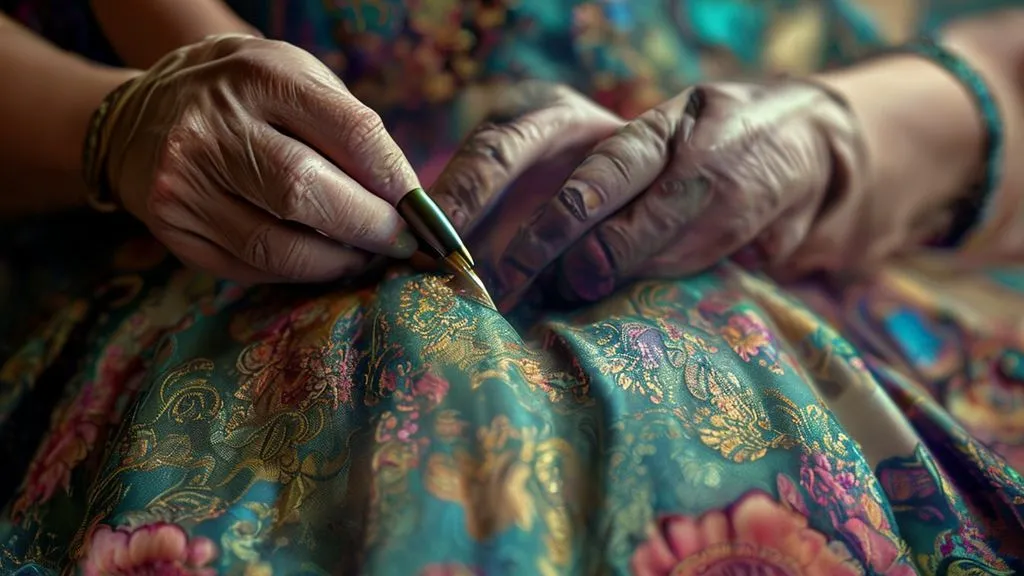
- Hand-Finishing: Small details like hand-sewn hems, buttonholes, or intricate embroidery often signify a higher level of craftsmanship and attention to detail.
The Condition Report: Assessing Wear and Tear
No vintage item will be pristine, but understanding acceptable wear versus irreparable damage is key.
- Stains: Are they visible? Can they be removed? Water stains, oil stains, or permanent discoloration can significantly devalue an item.
- Holes and Tears: Small snags or tiny holes might be repairable, but large tears, especially in prominent areas, are often deal-breakers unless you plan a major restoration.
- Fading: Even fading can add character, but uneven or severe fading (especially on shoulders or folds) can look unsightly.
- Stretching or Shrinking: Check for areas that have lost their shape, like stretched-out necklines or shrunken wool.
- Missing Parts: Are all components present and functional? Missing belts, ties, or decorative elements can be hard to replace.
Remember, a vintage item with 'character' has minor, charming imperfections. A damaged item has flaws that detract from its function or aesthetic, requiring significant and potentially costly intervention.
Beyond the Basics: Advanced Vintage Authentication Techniques
Once you've mastered the fundamental quality checks, you can delve deeper into the nuances that distinguish truly exceptional vintage finds. This involves a bit of historical research and a keen eye for period-specific details.
Labels and Branding: Your First Clue
Labels are often the most direct indicators of an item's origin and potential quality. However, they require some knowledge to interpret correctly.
- Research Defunct Brands: Many high-quality brands from past decades no longer exist but produced excellent garments. Learning about these 'ghost brands' can lead to incredible finds. For instance, brands like B. Altman & Co. or Marshall Field's often carried high-quality merchandise.
- Union Labels: In the United States, union labels (e.g., ILGWU - International Ladies' Garment Workers' Union) can help date a garment and often signify fair labor practices and decent quality for their time. Learn more about the ILGWU on Wikipedia.
- Country of Origin: Certain countries have long-standing reputations for specific types of craftsmanship (e.g., Italian leather, Scottish wool, French silk). While not a guarantee, 'Made in Italy' or 'Made in Scotland' can often be a good sign.
- Care Labels: The presence and type of care labels can also help date a garment. Early garments often had no care labels; later ones used specific symbols.
Era-Specific Details: A Historical Lens
Understanding fashion history helps you identify authentic vintage and appreciate its design intent. Each decade had its distinctive silhouettes, fabrics, and embellishments.
- Silhouettes: The shape of a garment is a strong indicator of its era. Think of the structured shoulders of the 1940s, the full skirts of the 1950s, the shift dresses of the 1960s, or the wide-leg trousers of the 1970s.
- Closures: Buttons, zippers, and snaps evolved. Early zippers might be metal and exposed; later ones became nylon and hidden. Hook-and-eye closures were very common on older garments.
- Patterns and Embellishments: Certain prints (e.g., psychedelic prints for the 60s/70s, Art Deco patterns for the 20s/30s) or embellishment styles (e.g., intricate beadwork, specific embroidery techniques) are era-specific.
- Waistlines and Hemlines: These fluctuated significantly throughout the 20th century, providing vital clues for dating.
Hardware and Embellishments: The Small Details That Speak Volumes
Don't overlook the smaller components of an item. They are often key indicators of quality and authenticity.
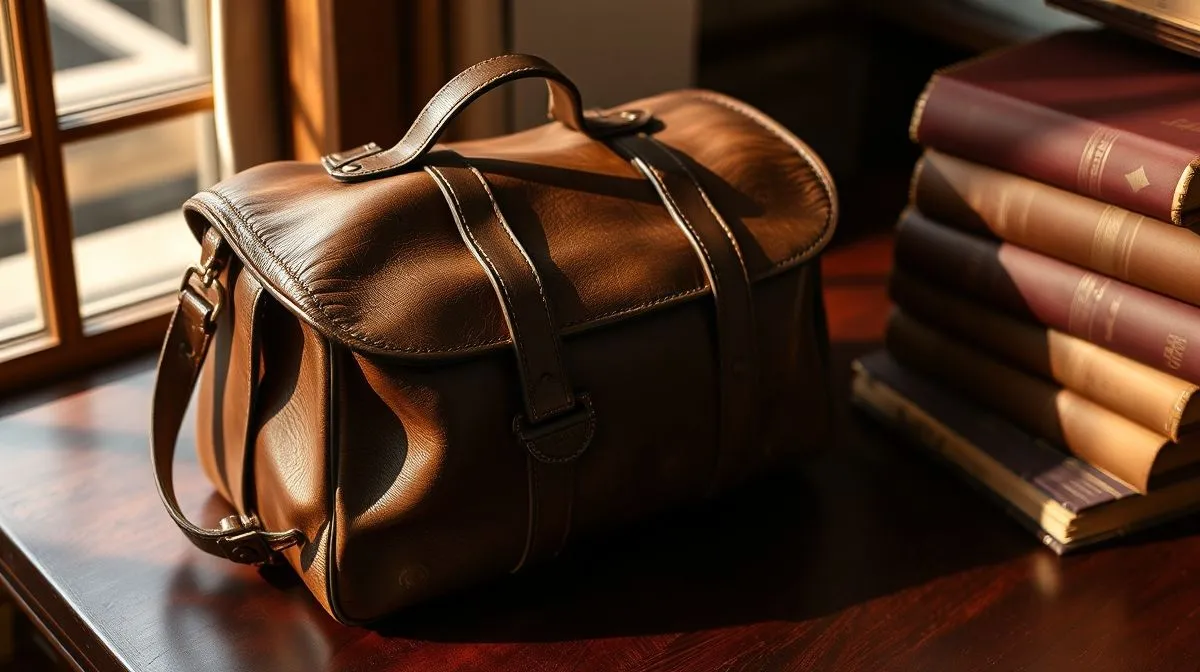
- Metal Quality: For bags, belts, or jewelry, examine the metal hardware. Is it solid brass, sturdy steel, or cheap, flimsy pot metal? Good quality metal will have some weight and a consistent finish, without flaking or excessive tarnishing.
- Buttons: Beyond being securely sewn, consider the material of the buttons themselves. Genuine shell, horn, wood, or even early plastics like Bakelite (common in the 1930s-50s) indicate better quality than generic modern plastic buttons.
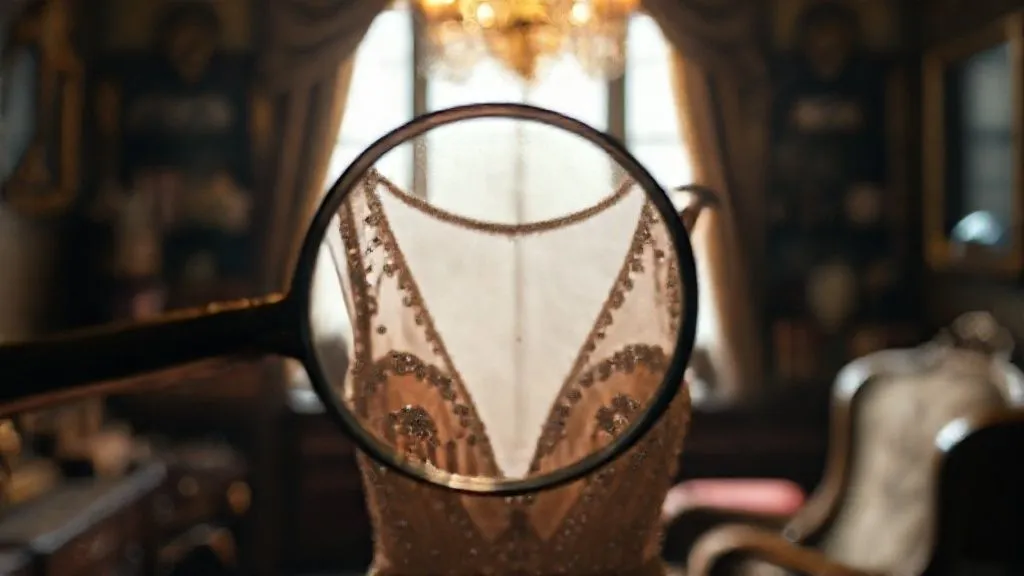
- Beadwork and Sequins: On embellished garments, check that beads and sequins are securely attached. Older, higher-quality pieces often feature hand-sewn embellishments rather than glued-on ones.
- Zippers: As mentioned, metal zippers were prevalent in older garments. Brands like Talon, Conmar, and early YKK are common in quality vintage. Their teeth should be uniform and slide smoothly.
Practical Tips for Your Vintage Hunt
Armed with knowledge, it's time to put it into practice. A successful vintage hunt often comes down to strategy and patience.
Where to Hunt: The Best Sources
Different venues offer different types of vintage and different pricing structures.
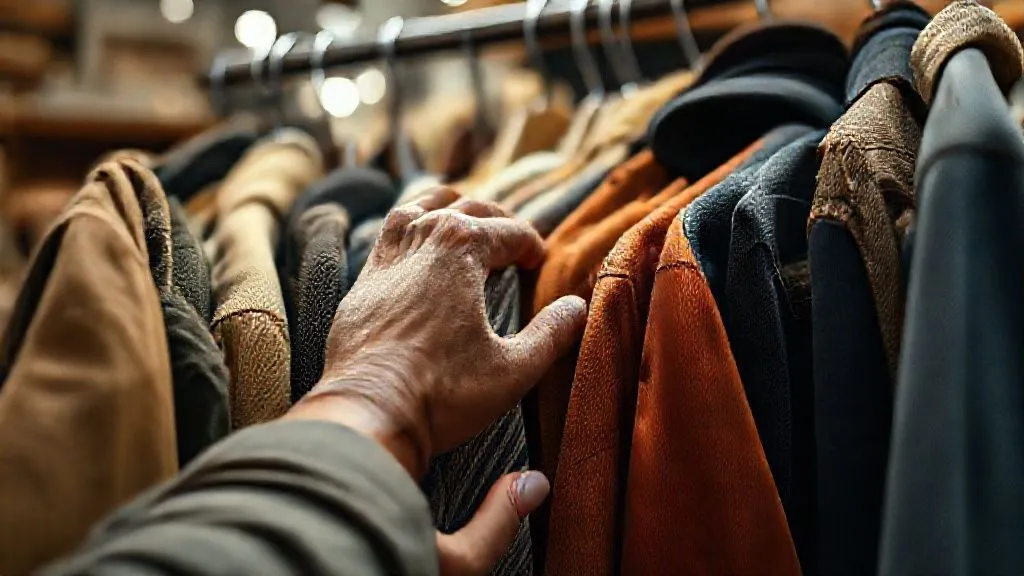
- Thrift Stores and Charity Shops: These are often hit-or-miss but can yield incredible bargains if you're patient and know what to look for. Stock rotates quickly, so frequent visits are key.
- Consignment Shops: Generally more curated than thrift stores, consignment shops often have higher quality items, but prices will also be higher. They're good for finding specific designer pieces.
- Dedicated Vintage Boutiques: These stores are highly curated by experts. Prices will be premium, but the items are typically authenticated, cleaned, and often repaired. Excellent for special occasion pieces or investment items.
- Online Marketplaces: Websites like Etsy, eBay, and dedicated vintage platforms offer a vast selection. The challenge is you can't physically inspect the item, so rely heavily on detailed photos, accurate descriptions, and reputable sellers with good reviews.
- Vintage Fairs and Flea Markets: These events bring together multiple sellers, offering a wide variety of items. They're great for negotiation and discovering unique pieces.
The Inspection Ritual: A Step-by-Step Guide
When you find something that catches your eye, perform a thorough inspection:
- The Visual Scan: First, step back and look at the item as a whole. Does it hang well? Is the color consistent? Are there obvious flaws?
- The Inside-Out Flip: Always turn garments inside out. This is where you'll see the true construction: seam finishes, lining integrity, and any hidden repairs.
- The Stretch Test (for Knits): Gently stretch a small section of knit fabric. Does it spring back? If it stays stretched or feels brittle, it's likely degraded.
- The Sniff Test: Gently smell the item. A faint 'old' smell might be fine, but strong odors (smoke, mildew, mothballs) can be very difficult, if not impossible, to remove.
- The Light Test: Hold the fabric up to the light to check for thinning, holes, or uneven fading that might not be obvious in dim store lighting.
- Check All Fastenings: Zip and unzip zippers multiple times. Button and unbutton all buttons. Check snaps and hooks.
Knowing When to Walk Away
Not every vintage item is a gem. It's crucial to know when to pass on a piece, no matter how appealing it might initially seem.
- Irreparable Damage: If an item has extensive moth damage, large unfixable tears, severe dry rot (common in old silk or rayon), or pervasive mildew, it's usually not worth the investment.
- Poor Fit (and Unalterable): While some alterations are possible, major changes (e.g., resizing multiple sizes, completely reshaping a garment) can be costly and sometimes compromise the item's original design. If it doesn't fit reasonably well, don't buy it.
- Overpricing: Research market values. If a thrift store is charging boutique prices for a damaged item, it's not a good deal.
- Hygiene Concerns: While most vintage items can be cleaned, some conditions (e.g., heavy staining from bodily fluids, severe pest infestation) are best avoided for health and practicality.
Caring for Your Timeless Treasures
Acquiring quality vintage is only half the battle; proper care ensures these pieces remain timeless additions to your wardrobe for years to come.
Proper Cleaning and Storage
Vintage fabrics often require gentler care than modern ones.
- Read Labels (or Research): If a care label exists, follow it. If not, research the fabric type. Silk and wool often require dry cleaning or very gentle hand washing with appropriate detergents. Cotton and linen are generally more robust.
- Air Out: Upon purchase, always air out vintage items, preferably outdoors or in a well-ventilated area, to dissipate any lingering odors.
- Professional Cleaning: For delicate or valuable items, invest in professional dry cleaning or restoration services from specialists experienced with vintage textiles.
- Breathable Storage: Store vintage garments in breathable garment bags (cotton or non-woven fabric, not plastic) to prevent moisture buildup and allow air circulation. Use padded hangers for delicate items to prevent stretching.
- Pest Control: Ensure your storage area is free of pests like moths and carpet beetles, which can devastate natural fibers. Use cedar or lavender sachets as natural deterrents.
Minor Repairs and Restoration
Even quality vintage items may need minor TLC.
- Basic Mending: Learning to sew on a button, mend a small tear, or re-hem a skirt can save you money and extend the life of your garments.
- Professional Alterations: For more complex fit issues or repairs, seek out a skilled tailor or seamstress who understands vintage construction.
- Specialized Restoration: For highly valuable or delicate pieces (e.g., antique lace, intricate beadwork), consider consulting textile conservators who specialize in historical garments.
The Sustainable and Ethical Appeal of Vintage
Beyond style and quality, choosing vintage is a powerful statement about conscious consumption and environmental responsibility. It's a tangible way to participate in the circular economy and reduce your carbon footprint.
Reducing Fashion's Footprint
The fashion industry is one of the world's largest polluters, from water consumption in cotton farming to chemical dyes and textile waste. Fast fashion, in particular, contributes significantly to this problem. By opting for vintage, you're directly counteracting this cycle.
- Extending Lifecycle: You give an item a second (or third, or fourth) life, preventing it from ending up in a landfill.
- Resource Conservation: No new raw materials, water, or energy are consumed in the creation of a vintage garment you purchase.
- Reduced Waste: Less textile waste means less burden on landfills and fewer incineration emissions.
According to various environmental reports, the fashion industry is responsible for a significant portion of global carbon emissions and water pollution. Choosing secondhand items is a direct and impactful way to mitigate these effects. Explore textile waste data from the EPA.
Building a Unique and Personal Style
In a world of mass-produced goods, vintage offers an unparalleled opportunity for self-expression. Each piece is unique, allowing you to curate a wardrobe that truly reflects your personality and stands out from the crowd. It's about developing an authentic style that isn't dictated by fleeting trends but built on timeless design and personal narrative.
Common Pitfalls to Avoid When Buying Vintage
Even experienced vintage shoppers can make mistakes. Being aware of common pitfalls can save you time, money, and disappointment.
Overlooking Hidden Flaws
The excitement of finding a potential gem can sometimes lead to rushed inspections. Always take your time, even if the store is busy. Hidden stains under collars, moth holes in less visible areas, or weakened seams can easily be missed if you're not thorough. Always check pockets, linings, and underarms.
Falling for Fakes or Reproductions
As vintage becomes more popular, so do fakes and modern reproductions trying to pass as authentic. Be wary of items that seem 'too perfect' for their age, or items with labels that don't match the garment's style. Research common tells for popular vintage brands and eras. For instance, a 'vintage' item with a modern YKK zipper or a fabric content label that wasn't common in that era might be a red flag.
Neglecting Proper Fit and Alterations
Vintage sizing is often different from modern sizing. Don't rely solely on the tag; always try on garments if possible. If buying online, compare measurements carefully. While minor alterations are fine, don't buy something hoping for a complete overhaul unless you've factored in the cost and expertise required. A poorly fitting item, no matter how high quality, will likely languish in your closet.
Frequently Asked Questions (FAQ)
What's the difference between vintage and antique? Generally, an item is considered 'vintage' if it is at least 20 years old but less than 100 years old. An item is typically classified as 'antique' if it is 100 years old or older. So, a dress from the 1970s is vintage, while a dress from the 1920s is an antique.
How do I clean delicate vintage fabrics like silk or lace? For delicate vintage fabrics, it's often best to hand wash them very gently in cool water with a mild, pH-neutral detergent formulated for delicates. Avoid harsh scrubbing or wringing. Lay flat to dry on a clean towel, away from direct sunlight. For highly valuable or fragile pieces, professional textile conservators or dry cleaners specializing in vintage are recommended.
Is vintage clothing hygienic? Yes, absolutely! Most reputable vintage sellers clean their items before sale. However, it's always a good practice to wash or dry clean any vintage garment you purchase before wearing it, just as you would with new clothing. Any lingering odors or minor dust can usually be removed with proper cleaning.
Can vintage items be a good investment? Certain vintage items, particularly designer pieces, rare collectibles, or items made with exceptional craftsmanship and materials, can indeed appreciate in value over time. However, the primary reason to buy vintage should be for its aesthetic appeal, quality, and sustainability benefits, rather than purely as a financial investment.
Recommended Reading
- Find Your Perfect Look: Which Iconic Eyeglass Frames Suit My Face Shape?
- The Hidden Dangers: What Are the Privacy Risks of Fashion Wearables?
- Fashion Blogging: Social Media Style Tips to Explode Your Brand
- Unlock Hyper-Realism: The Ultimate Guide to Improving Costume Design Sketch Realism
- The Ultimate Guide: How to Preserve Your Wedding Veil Long Term, Flawlessly
Conclusion
Mastering the art of how to spot quality vintage items for timeless wear transforms shopping into a rewarding treasure hunt. It's a skill that not only enhances your personal style with unique, character-filled pieces but also empowers you to make sustainable and ethical choices in a world often dominated by fast fashion. By focusing on material integrity, construction quality, and understanding the nuances of historical design, you equip yourself to discern true value.
Embrace the journey of discovery that vintage shopping offers. Each well-chosen piece tells a story, adds depth to your wardrobe, and stands as a testament to enduring quality and timeless style. Go forth with confidence, a keen eye, and the knowledge to find those exceptional treasures that will be cherished for generations to come.

Your email address will not be published. Required fields are marked *