

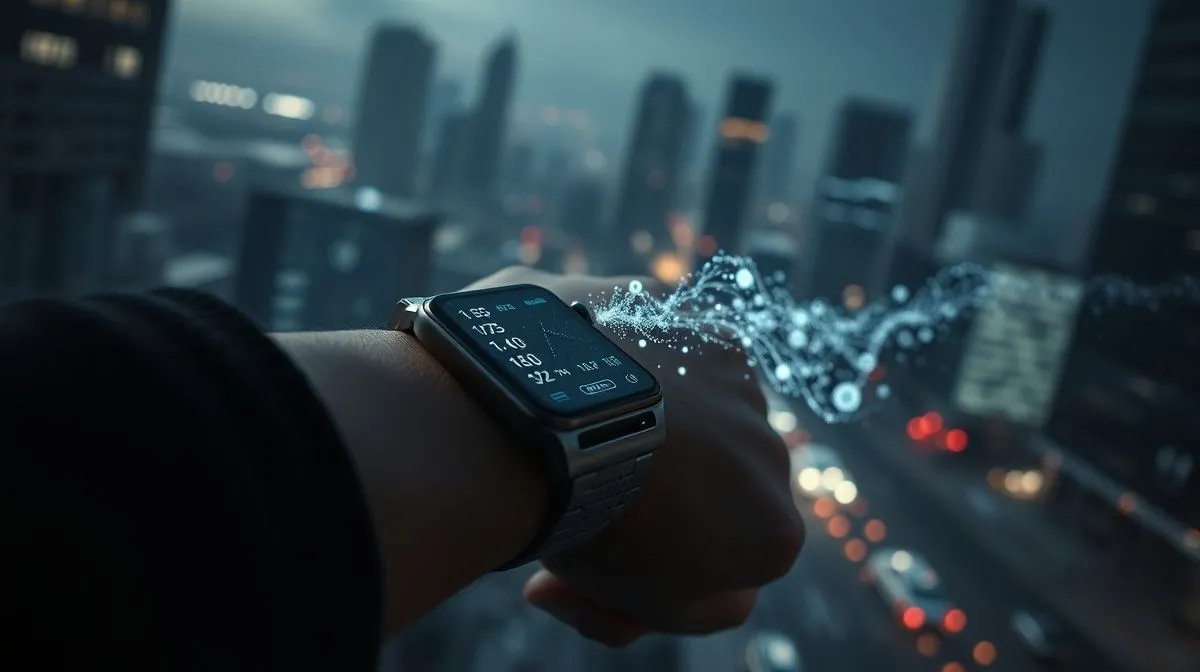
Unveiling the Digital Threads: What Are the Privacy Risks of Fashion Wearables?
Imagine a world where your clothes don't just reflect your style, but actively monitor your every breath, your heart rate, your location, and even your emotional state. Sounds like science fiction, doesn't it? Yet, this is increasingly the reality of modern fashion wearables, from smartwatches and fitness trackers to sensor-embedded garments and augmented reality glasses. As these devices become more ubiquitous, seamlessly blending into our daily lives, they bring with them a complex and often overlooked web of privacy concerns.
The core problem isn't just about convenience; it's about control over your most intimate data. These devices, designed to enhance our lives, simultaneously act as constant data collectors, compiling vast amounts of personal information. The critical question then becomes: What are the privacy risks of fashion wearables? And how do these risks manifest in our increasingly connected world?
In this comprehensive guide, we will delve deep into the hidden data trails these devices create, explore the potential vulnerabilities that could expose your sensitive information, and equip you with the knowledge and practical steps necessary to safeguard your personal data in the age of smart clothing. By the end of this reading, you will understand the profound implications of wearable technology on your privacy and how to navigate this evolving landscape with confidence.
The Rise of Smart Apparel and Pervasive Data Collection
Fashion wearables have evolved far beyond simple pedometers. Today, they encompass a vast array of devices integrated into clothing, accessories, and even jewelry. This technological convergence has led to an unprecedented collection of personal data, often without users fully comprehending the scope or implications.
Beyond Fitness Trackers: A New Frontier of Data
While fitness trackers like smartwatches and bands were early pioneers, the market has rapidly expanded. We now see smart rings that monitor sleep patterns, sensor-laden shirts that track posture and muscle activity, smart glasses that record what you see, and even smart shoes that analyze your gait. These devices are designed to be worn continuously, making them incredibly effective at gathering longitudinal data about your habits, health, and environment.
The appeal is undeniable: personalized insights, enhanced performance, and seamless connectivity. However, this convenience comes at a cost, as every interaction, every movement, and every physiological response becomes a data point, fed into complex algorithms and stored on servers, often managed by third-party companies.
The Data Goldmine: What's Being Collected?
The sheer volume and variety of data collected by fashion wearables are staggering. It goes far beyond your step count. Here’s a breakdown of common data types:
- Biometric Data: Heart rate, blood pressure, sleep cycles, body temperature, respiration rate, sweat composition, ECG readings, glucose levels, and even emotional responses via skin conductance.
- Location Data: GPS coordinates, movement patterns, frequented locations, and even precise indoor positioning.
- Activity Data: Steps taken, calories burned, exercise routines, sedentary periods, and activity intensity.
- Environmental Data: Ambient temperature, UV exposure, air quality, and noise levels.
- Behavioral Data: Usage patterns, app interactions, voice commands, and even gaze tracking from smart glasses.
- Personal Identifiers: Device IDs, IP addresses, and potentially linked personal information like name, age, and gender if provided during setup.
This rich tapestry of data paints an incredibly detailed picture of an individual's life, making it highly valuable not just for personalized services, but also for advertisers, researchers, insurance companies, and potentially, malicious actors.
Core Privacy Vulnerabilities in Fashion Wearables
Despite their sophisticated capabilities, fashion wearables are not immune to privacy vulnerabilities. In fact, their constant connectivity and intimate data collection make them prime targets for various security and privacy threats.
Inadequate Data Encryption and Transmission
A fundamental weakness in many wearable devices lies in how they encrypt and transmit data. Often, data is transmitted wirelessly (via Bluetooth, Wi-Fi, or cellular networks) between the device, a smartphone, and cloud servers. If this data is not properly encrypted during transit, it can be intercepted by cybercriminals. Similarly, if data is stored on the device or in the cloud without robust encryption, it becomes vulnerable to unauthorized access in the event of a breach.
Weak Authentication Protocols
Many wearables rely on simple pairing mechanisms or default passwords, making them easy targets for unauthorized access. A lack of multi-factor authentication (MFA) or strong password requirements means that if a user's primary device (like a smartphone) is compromised, the wearable's data could also be exposed. This lax security can provide an open door for data theft or manipulation.
Supply Chain Risks and Third-Party Access
The journey of a wearable device, from manufacturing to your wrist, involves numerous third parties. Each link in this supply chain represents a potential vulnerability. Furthermore, the data collected by your wearable is often processed and stored by third-party cloud providers, analytics companies, and even marketing partners. Each of these entities represents an additional point of potential exposure. Without stringent vetting and contractual obligations, your data could be mishandled, sold, or exposed by a less scrupulous partner.
User Ignorance and Consent Fatigue
Perhaps one of the most significant vulnerabilities stems from user behavior itself. Many users, eager to use their new device, quickly click through lengthy terms of service and privacy policies without fully understanding what data they are consenting to share and how it will be used. This 'consent fatigue' means that individuals often unknowingly grant broad permissions, making them complicit in their own data exposure.
The Perils of Biometric Data Exposure
Among the various types of data collected, biometric data stands out due to its highly personal and immutable nature. Unlike a password that can be changed, your heart rate or gait pattern is unique to you and cannot be easily altered if compromised. This makes its exposure particularly concerning.
Unique Identifiers and Their Value
Biometric data, such as your unique heart rhythm or walking style, can be used as a form of persistent identifier. If this data falls into the wrong hands, it could be used for identity theft, deepfake creation, or even to unlock other systems that use biometric authentication. Imagine a scenario where your unique physiological signature is stolen and used to impersonate you digitally.
Health Data: A Sensitive Target
Many fashion wearables are explicitly designed to monitor health metrics. This health data is incredibly sensitive and protected by laws like HIPAA in the United States, although these laws don't always apply directly to consumer devices. If your health data is exposed, it could lead to:
- Discrimination: Insurance companies, employers, or even lenders could potentially use this data to make unfavorable decisions about you.
- Targeted Exploitation: Malicious actors could use insights into your health conditions to craft highly personalized phishing attacks or scams.
- Privacy Invasions: Information about your health conditions, mental state, or even sleep patterns could become public, leading to significant personal distress.
Potential for Discrimination and Exploitation
Beyond direct health implications, the insights derived from biometric and activity data could be used in discriminatory ways. For example, an employer might use data from a corporate wellness program wearable to assess an employee's 'fitness' for certain roles, or an insurance company might adjust premiums based on perceived health risks derived from wearable data. While such practices are often legally challenged, the potential for misuse remains a significant concern.
Location Tracking: Your Digital Footprints
Many fashion wearables, especially smartwatches and GPS-enabled devices, constantly track your location. This feature, while useful for navigation or finding a lost device, presents profound privacy risks, turning your daily movements into a detailed digital footprint.
Constant Surveillance: Why It Matters
Location data collected over time can reveal highly sensitive information about your life: where you live, where you work, where you worship, your social circles, and even your private habits. This constant surveillance, whether by the device manufacturer, third-party apps, or even malicious actors, erodes your sense of anonymity and personal space. For instance, a detailed location history could reveal patterns that indicate your presence at certain political rallies, religious institutions, or even medical clinics, information you might prefer to keep private. For more on the implications of location tracking, consider resources like the Electronic Frontier Foundation's insights on location privacy.
Geofencing and Targeted Advertising
Companies can use location data to create 'geofences' – virtual boundaries around specific real-world locations. When your wearable crosses these boundaries, it can trigger targeted advertising or push notifications. While this might seem innocuous, it represents a precise level of behavioral targeting that can feel invasive and manipulative, blurring the lines between convenience and surveillance.
National Security and Legal Implications
In certain contexts, aggregated or individual location data from wearables could be of interest to law enforcement or national security agencies. Depending on jurisdiction and specific laws, this data might be compelled for investigations, raising questions about civil liberties and the extent of government surveillance via consumer devices. The balance between public safety and individual privacy becomes increasingly delicate as more of our lives are digitally mapped.
Data Breaches and the Dark Side of Wearables
Even with robust security measures, no system is entirely impervious to data breaches. The vast amounts of personal and sensitive data collected by fashion wearables make them attractive targets for cybercriminals, with potentially devastating consequences for individuals.
The Ripple Effect of Compromised Data
When a wearable's database is breached, the fallout can be extensive. Unlike a credit card number that can be cancelled, compromised health or biometric data can have long-lasting implications. A breach might expose your entire health history, your daily routines, your sleep patterns, and even your real-time location. This holistic view of your life is incredibly valuable to malicious actors.
Identity Theft and Financial Fraud
The combination of personal identifiers, location data, and even payment information (if your wearable supports mobile payments) makes wearables a goldmine for identity thieves. Exposed data can be used to open fraudulent accounts, make unauthorized purchases, or even apply for loans in your name. The more data points an attacker has, the easier it is to construct a convincing fake identity or bypass security checks.
Reputation Damage and Personal Safety
Beyond financial implications, data breaches can lead to significant reputational damage. Sensitive personal details, embarrassing health conditions, or private location histories could be leaked or sold on the dark web, leading to public humiliation or even blackmail. In extreme cases, real-time location data combined with personal identifiers could even pose physical safety risks, allowing stalkers or criminals to track an individual's movements.
Navigating the Legal and Ethical Landscape
The rapid advancement of fashion wearables has outpaced the development of comprehensive legal frameworks, creating a complex and often ambiguous regulatory environment for data privacy.
Patchwork Regulations: GDPR, CCPA, and Beyond
Globally, data privacy laws are a patchwork. The European Union's General Data Protection Regulation (GDPR) is one of the strictest, granting individuals significant rights over their data and imposing hefty fines for non-compliance. In the United States, the California Consumer Privacy Act (CCPA) offers similar protections for California residents. However, many other regions and countries have less stringent laws, and even within the U.S., there isn't a single federal law specifically governing health data from consumer wearables. This creates a challenging landscape for both consumers and manufacturers. For detailed information on data protection laws, resources like the official GDPR website are invaluable.
The Ethical Dilemma of Constant Monitoring
Beyond legalities, there are profound ethical questions. Is it ethical for companies to collect such intimate data, even with consent, if users don't fully grasp the implications? What responsibility do manufacturers have to protect data from misuse, especially when their business model relies on data monetization? The constant monitoring capabilities of wearables raise concerns about autonomy, surveillance, and the potential for these devices to subtly influence our behavior or choices.
Corporate Responsibility vs. User Autonomy
Manufacturers have a responsibility to implement privacy-by-design principles, ensuring security is baked into products from the outset, not as an afterthought. They also need to be transparent about data collection, usage, and sharing practices. However, users also bear responsibility for understanding what they are signing up for and actively managing their privacy settings. The tension between corporate profit motives and individual autonomy will continue to shape the future of wearable privacy.
Best Practices for Protecting Your Wearable Data
While the privacy risks of fashion wearables are significant, there are proactive steps you can take to minimize your exposure and protect your personal information.
Read Privacy Policies Carefully
It's tempting to click 'Agree' without reading, but privacy policies contain crucial information about what data is collected, how it's used, and with whom it's shared. Look for clear language regarding data retention, third-party sharing, and your rights to access or delete your data. If a policy is vague or overly broad, consider it a red flag.
Strong Passwords and Multi-Factor Authentication
Always use strong, unique passwords for your wearable accounts and enable multi-factor authentication (MFA) whenever available. MFA adds an extra layer of security, typically requiring a code from your phone in addition to your password, making it much harder for unauthorized users to access your account even if they steal your password.
Limit Data Sharing and Permissions
Most wearable apps allow you to customize privacy settings. Be judicious about what data you allow the device and its associated apps to collect and share. Disable location tracking if it's not essential for the device's core function. Revoke permissions for data sharing with third-party apps unless absolutely necessary.
Regular Software Updates
Manufacturers frequently release software updates that include security patches to address newly discovered vulnerabilities. Ensure your wearable device and its companion app are always running the latest software version to benefit from these crucial security enhancements.
Understand Data Retention Policies
Does the company delete your data after a certain period? Can you request your data be deleted? Understanding data retention policies is important for controlling your digital footprint. If a company retains your data indefinitely without a clear purpose, it increases the risk of long-term exposure.
Consider the Source: Reputable Brands
When purchasing fashion wearables, opt for devices from reputable brands with a proven track record of prioritizing security and privacy. Research their privacy policies and past security incidents. Established companies often have more resources dedicated to cybersecurity and are more accountable for data protection.
The Future of Fashion Wearables and Privacy
As technology continues to advance, the conversation around privacy in fashion wearables will only intensify. The future hinges on the development of more secure technologies and a greater emphasis on user control.
Privacy-by-Design Principles
The industry is moving towards 'privacy-by-design,' where privacy considerations are integrated into the development process from the very beginning, rather than being an afterthought. This includes minimizing data collection, anonymizing data where possible, and implementing robust security features by default. This proactive approach is essential for building trust and ensuring user data is protected inherently.
User Control and Transparency Tools
Future wearables and their platforms are likely to offer more granular control to users over their data. This could include dashboards that clearly show what data is being collected, real-time alerts about data sharing, and easy mechanisms for users to review, download, or delete their information. Increased transparency empowers users to make informed decisions about their privacy.
Emerging Technologies: Blockchain and Decentralized Data
Emerging technologies like blockchain and decentralized identity solutions could play a role in enhancing wearable privacy. By allowing users to control their own encrypted data on a distributed ledger, these technologies could reduce reliance on centralized servers and give individuals greater agency over who accesses their information. This could fundamentally shift the paradigm of data ownership and control. For an exploration of privacy-preserving technologies, consider research from academic institutions or organizations like NIST (National Institute of Standards and Technology).
Frequently Asked Questions (FAQ)
Are all fashion wearables equally risky? No. The level of risk varies significantly based on the type of data collected, the device's connectivity, the manufacturer's security practices, and your personal privacy settings. Devices collecting sensitive biometric or location data generally pose higher risks than simpler ones.
Can my wearable data be used against me? Potentially, yes. Depending on the data collected and the context, it could be used by insurance companies, employers, advertisers, or even malicious actors for discriminatory purposes, targeted scams, or identity theft.
How can I tell if a wearable brand is trustworthy? Look for brands with transparent privacy policies, a strong track record of security, and certifications from recognized security organizations. Read reviews, check for recent data breaches, and see if they offer strong user controls over data.
Do smart clothes track me even when I'm not using the app? Many wearables are designed to continuously collect data in the background, even if the companion app isn't actively open. This data is typically stored on the device and synced to the app/cloud when a connection is established. Always check the device's specific settings and privacy policy.
What should I do if my wearable data is breached? If you suspect your data from a wearable has been breached, immediately change passwords for the associated accounts. Monitor your financial accounts and credit reports for suspicious activity. Report the breach to the manufacturer and consider freezing your credit.
Recommended Reading
- Unleash Your True Self: How to Develop a Unique Personal Street Style
- Most Flattering Denim Wash for Men: Look Your Best!
- Unlock the Secret: How to Prevent Scratches on Your Watch Crystal
- Best Comfort Shoes for Plantar Fasciitis Relief: Your Ultimate Guide
- Craft Believable Characters: Costume Design Secrets Revealed!
Conclusion
The integration of technology into our clothing and accessories offers unparalleled convenience and insights, but it also opens a Pandora's box of privacy challenges. Understanding what are the privacy risks of fashion wearables is no longer optional; it is a critical skill for navigating our increasingly connected world. From biometric data exposure and constant location tracking to the pervasive threat of data breaches, the digital threads woven into our smart garments demand our vigilance. By adopting best practices, advocating for stronger regulations, and demanding transparency from manufacturers, we can collectively work towards a future where innovation and personal privacy coexist. Your data is your digital identity; protect it with the same diligence you would your physical self.





Your email address will not be published. Required fields are marked *