

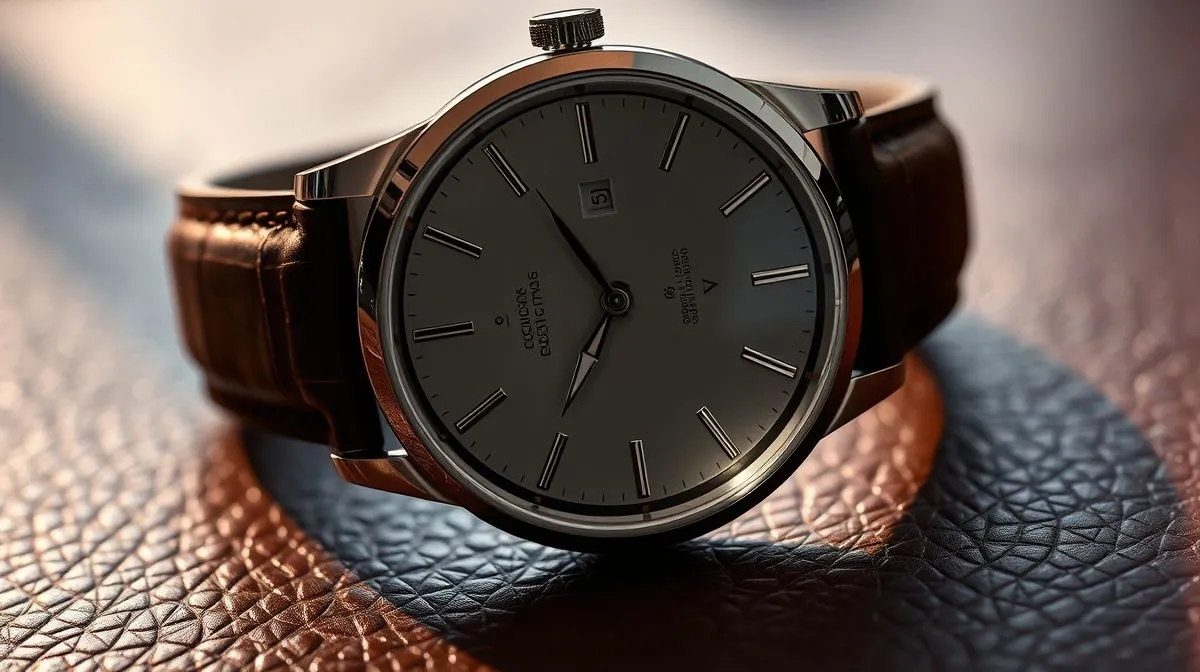
The Ultimate Guide: How to Prevent Scratches on a Watch Crystal
Imagine the gleam of a brand-new watch, its crystal sparkling under the light, a perfect window to the intricate mechanics or elegant dial beneath. It's a moment of pure aesthetic pleasure. Now, imagine the heartbreak when that first, seemingly inevitable, scratch appears, marring its flawless surface. It's a common lament among watch enthusiasts and casual wearers alike, a tiny imperfection that can feel like a gaping wound on a cherished possession.
The problem of watch crystal scratches is more than just cosmetic. A scratched crystal diminishes the watch's overall beauty, can significantly reduce its resale value, and, more practically, can impair legibility, making it harder to tell the time or appreciate the dial's details. For many, a watch is an investment, a statement piece, or a sentimental heirloom, and keeping it pristine is paramount.
This comprehensive guide will equip you with the knowledge and practical strategies to tackle this pervasive issue head-on. By the end of this reading, you will understand the different types of watch crystals, learn essential daily habits for protection, discover effective accessories, and gain insights into professional care, all designed to help you preserve your timepiece's pristine condition and extend its lifespan. Let's explore how to prevent scratches on a watch crystal.
Understanding Watch Crystal Materials: Your First Line of Defense
The material of your watch crystal is the primary determinant of its scratch resistance. Knowing its properties is the first step in effective prevention.
Sapphire Crystal: The King of Scratch Resistance
Sapphire crystal is by far the most scratch-resistant material used in watchmaking, second only to diamond on the Mohs scale of mineral hardness. It's an optically transparent material made of crystalline aluminum oxide, which is synthetically produced. Its incredible hardness means it can withstand most daily encounters without scratching, making it a popular choice for luxury and high-end watches.
- Pros: Extremely scratch-resistant, excellent clarity.
- Cons: More brittle than other materials, meaning it can chip or shatter upon a hard impact. It's also more expensive to replace.
Mineral Crystal: The Everyday Workhorse
Mineral crystal is essentially hardened glass, similar to the glass used in windows but treated with heat or chemicals to increase its scratch resistance. It's a very common choice for mid-range watches, offering a good balance between durability and cost.
- Pros: More shatter-resistant than sapphire, less expensive to produce and replace.
- Cons: Significantly less scratch-resistant than sapphire. It will show scratches from harder materials like keys, concrete, or even metal zippers.
Acrylic (Plexiglass) Crystal: The Vintage Charm
Acrylic crystal, often referred to as Hesalite or Plexiglass, is a type of plastic. It was historically very common, especially in vintage watches and some professional tools like the Omega Speedmaster Moonwatch. It's lightweight and flexible.
- Pros: Very shatter-resistant, incredibly inexpensive to replace, and minor scratches can often be buffed out with specialized polishes.
- Cons: Very prone to scratching. Even soft materials can leave marks.
Choosing the Right Crystal for Your Lifestyle
Your choice of watch crystal should align with your daily activities. If you lead an active lifestyle or work in environments where your watch is likely to encounter rough surfaces, a sapphire crystal might be ideal for its scratch resistance, despite its brittleness. Conversely, for a watch that sees occasional, gentle wear, mineral or even acrylic might suffice, especially if you appreciate their unique characteristics or lower replacement costs. Understanding these material properties is fundamental to learning how to prevent scratches on a watch crystal effectively.
Daily Habits to Safeguard Your Watch Crystal
Beyond the material, your daily habits play a crucial role in preventing scratches. Small changes can make a big difference.
Mindful Wearing: Avoiding Common Hazards
Many scratches occur from seemingly innocuous daily activities. Being aware of your surroundings can prevent countless incidents. For instance, when reaching into tight spaces or walking through narrow doorways, be conscious of your wrist. Desk edges, door frames, and even seatbelt buckles are notorious culprits. Consider removing your watch during activities that involve significant manual labor or contact with abrasive surfaces, such as gardening, car repairs, or intense sports.
- Awareness: Always be mindful of your watch's position relative to hard surfaces.
- Removal: Take off your watch before engaging in activities with high scratch risk.
- Jewelry: Avoid wearing bracelets or other jewelry on the same wrist as your watch, as they can rub against the crystal and cause scratches.
Proper Storage: Where Your Watch Rests
When not on your wrist, your watch needs a safe haven. Simply tossing it onto a dresser or nightstand exposes it to various potential scratching agents.
- Watch Boxes: A dedicated watch box with soft interior lining or individual compartments is ideal.
- Soft Pouches: For travel or temporary storage, a soft, microfibre pouch provides excellent protection.
- Separate Storage: Never store your watch with other metal objects, keys, or coins.
Cleaning Practices that Protect
Regular cleaning is essential, but it must be done correctly to avoid introducing new scratches.
- Soft Cloths: Always use a clean, soft microfiber cloth specifically designed for optics or delicate surfaces.
- Gentle Wiping: Wipe the crystal gently in one direction or with light circular motions. Avoid excessive pressure.
- Appropriate Solutions: For stubborn smudges, use a small amount of distilled water or a specialized watch cleaning solution. Avoid harsh chemicals, window cleaners, or abrasive materials, as they can damage coatings or gaskets.
The Role of Watch Accessories in Scratch Prevention
Just as you might protect your smartphone, there are accessories designed to shield your watch crystal.
Screen Protectors: A Transparent Shield
For those who desire an extra layer of protection, especially for watches with mineral or acrylic crystals, screen protectors are an option. These are typically thin films made of TPU (thermoplastic polyurethane) or tempered glass, custom-cut to fit your watch's crystal.
- Types: TPU films offer flexibility and self-healing properties for minor scuffs. Tempered glass provides better impact resistance and a harder surface.
- Application: Ensure the crystal is impeccably clean before application to avoid trapping dust or bubbles.
- Effectiveness: While they won't make your watch indestructible, they can absorb daily bumps and scrapes, sacrificing themselves instead of your crystal.
Watch Cases and Guards: Bumper Protection
For more robust protection, particularly for smartwatches or watches worn during strenuous activities, a protective case or bumper can be invaluable. These typically wrap around the watch case, often with a raised bezel that provides a buffer for the crystal.
- Materials: Available in silicone, rubber, or even harder plastics.
- Purpose: They absorb impacts and prevent direct contact between the crystal and flat surfaces when the watch is laid down.
Travel Cases: Protecting on the Go
When traveling, your watch is exposed to unique risks within luggage or bags. A dedicated travel case, often padded and with individual slots for watches, prevents them from knocking against each other or other items. This is especially important for luxury timepieces and a key aspect of knowing how to prevent scratches on a watch crystal while away from home.
Advanced Protective Measures and Professional Insights
Beyond daily habits and accessories, some technologies and professional practices offer enhanced protection.
Hydrophobic Coatings: The Invisible Barrier
Many modern watch crystals, especially sapphire, come with anti-reflective (AR) coatings. Some of these coatings are also hydrophobic, meaning they repel water and oils. While their primary purpose isn't scratch prevention, a cleaner, smudge-free surface is less likely to require aggressive wiping, which can inadvertently cause micro-scratches over time. These coatings also make the crystal easier to clean, reducing the chances of abrasive particles being dragged across the surface.
Regular Servicing: More Than Just Timekeeping
A professional watchmaker's service is not just about keeping time accurately. During a full service, the watchmaker will inspect the crystal for any existing damage, check the integrity of its seals, and ensure it is properly seated within the case. A compromised seal or a loose crystal can lead to moisture ingress or even crystal displacement, potentially causing further damage. A reputable service center understands the nuances of crystal protection.
Understanding Water Resistance Ratings and Crystal Impact
While primarily related to water ingress, a watch's water resistance rating indirectly relates to crystal integrity. The crystal, along with the case back and crown, forms the sealed enclosure. If a watch is subjected to extreme pressure beyond its rating, the crystal can be stressed, potentially leading to cracks or detachment, though this is rare in normal use. Ensuring your watch's water resistance seals are maintained during servicing helps ensure the crystal remains securely in place and protected.
Debunking Myths and Avoiding Common Mistakes
Misinformation can be as damaging as direct impact when it comes to watch care.
Myth: All "Scratch-Proof" Crystals Are Indestructible
The term "scratch-proof" is often used loosely, particularly for sapphire crystals. While sapphire is incredibly scratch-resistant to nearly all common materials (it ranks 9 on the Mohs scale, just below diamond at 10), it is not impervious to everything. Materials like industrial diamonds, silicon carbide, or even very hard rocks can scratch sapphire. More importantly, sapphire is brittle. Unlike acrylic, which might deform or dent, sapphire can chip or shatter upon a sharp, direct impact, especially on its edge. Understanding this limitation helps manage expectations and encourages proper care.
For context, common materials like steel (keys, knives) are around 5-6 on the Mohs scale, meaning they cannot scratch sapphire. Quartz (sand, granite) is around 7, which means it can scratch mineral glass but not sapphire. This is why sand can be a significant threat to mineral crystals. According to Wikipedia's Mohs scale of mineral hardness, sapphire's superior hardness provides exceptional daily protection.
Mistake: Using Harsh Chemicals for Cleaning
Many household cleaners, especially those containing ammonia or alcohol, can be detrimental to your watch. They can strip anti-reflective coatings, degrade gaskets and seals, and even discolor certain case materials. Always stick to mild soap (pH-neutral) and water, or specialized watch cleaning solutions, applied with a soft cloth.
Mistake: Attempting DIY Scratch Removal on Sapphire
While acrylic crystals can often be polished to remove minor scratches using products like Polywatch, attempting this on mineral or sapphire crystals is futile and potentially damaging. The hardness of these materials means consumer-grade polishing compounds simply won't work, and you risk making the situation worse by introducing new, finer scratches or damaging coatings. Professional intervention is required for these materials.
When Scratches Happen: Repair vs. Replacement
Despite all precautions, sometimes a scratch is unavoidable. Knowing your options is key.
Polishing Acrylic Crystals: A DIY Solution
If your watch has an acrylic crystal, you're in luck. Minor to moderate scratches can often be removed or significantly reduced at home using a specialized acrylic polish (e.g., Polywatch). Apply a small amount of the polish to the scratched area and rub vigorously with a soft cloth for several minutes. Repeat as necessary. This process works because acrylic is a relatively soft plastic, allowing a thin layer to be removed and smoothed out.
Dealing with Mineral and Sapphire Scratches
For mineral and sapphire crystals, once a scratch occurs, it's generally permanent. Due to their extreme hardness, polishing them requires industrial-grade machinery and diamond abrasives, which is not feasible for consumer-level repair. In most cases, the only effective solution for deep or unsightly scratches on these crystals is replacement. The cost of replacement varies significantly depending on the watch brand, crystal type (flat, domed, custom-cut), and the complexity of the watch's construction.
The Value of Professional Watchmakers
When a crystal needs replacement, always defer to a professional watchmaker or an authorized service center. They possess the specialized tools, expertise, and genuine parts to replace the crystal correctly, ensuring the watch's water resistance is maintained and no dust or debris enters the movement. Attempting a DIY replacement can lead to irreversible damage to the watch's delicate internal components or compromise its water integrity.
For more in-depth information on watch care and maintenance, including crystal protection, consulting reputable horological resources can provide further insights. Sites like Hodinkee often feature articles by experts in the field, detailing best practices for preserving your timepiece.
Frequently Asked Questions (FAQ)
Can sapphire crystal really scratch? Yes, while highly scratch-resistant, sapphire crystal can be scratched by materials harder than it on the Mohs scale, such as industrial diamonds or silicon carbide. It is also susceptible to chipping or shattering upon severe impact.
Is it possible to remove deep scratches from a watch crystal? For acrylic crystals, minor to moderate scratches can often be polished out. However, for mineral and sapphire crystals, deep scratches are typically permanent and require professional crystal replacement due to their extreme hardness.
How often should I clean my watch crystal? It's advisable to gently wipe your watch crystal daily or every few days with a clean, soft microfiber cloth to remove smudges and dust. A more thorough cleaning with mild soap and water can be done weekly or as needed.
Do watch screen protectors really work? Yes, watch screen protectors, especially those made of TPU or tempered glass, can provide an effective sacrificial layer, absorbing minor scratches and impacts that would otherwise damage your watch crystal. They are particularly useful for watches with mineral or acrylic crystals.
What's the best way to store multiple watches to prevent scratches? The best way is to store them in a dedicated watch box with individual, soft-lined compartments or on watch pillows. This prevents watches from rubbing against each other or other hard surfaces, significantly reducing the risk of scratches.
Recommended Reading
- Fashion's Power: How Does It Empower Women at Work?
- 1950s Dresses: Which Neckline Flatters You Most? Find Out!
- Best Comfort Shoes for Plantar Fasciitis Relief: Your Ultimate Guide
- AR Revolution: How is AR Changing Fashion Retail Now? The Future!
- Bespoke Jewelry Design: Your Ultimate Guide to Getting Started
Conclusion
Protecting your watch crystal from scratches is not an insurmountable challenge, but rather a commitment to mindful care and informed choices. By understanding the properties of your watch's crystal material, adopting diligent daily habits, utilizing appropriate protective accessories, and recognizing the value of professional maintenance, you can significantly extend the life and beauty of your timepiece. Remember, a watch is more than just an instrument for telling time; it's often a reflection of personal style, a piece of art, or a cherished heirloom. Learning how to prevent scratches on a watch crystal ensures that this valuable companion remains as pristine and captivating as the day it first graced your wrist, allowing its story to continue unmarred for years to come.





Your email address will not be published. Required fields are marked *