


How to ensure durability in sustainable kids' apparel production?
For over 15 years in the dynamic world of kids' fashion, I've witnessed a profound shift towards sustainability. It's a movement I champion wholeheartedly, yet I've also observed a critical oversight: the assumption that 'sustainable' automatically equates to 'durable.' This isn't always the case, and it's a mistake that can undermine the very essence of eco-conscious consumption.
Parents today are more environmentally aware than ever, actively seeking out clothing that aligns with their values. However, they're also pragmatic; kids are notoriously tough on their clothes. If a 'sustainable' garment falls apart after a few washes or a single playground adventure, it creates frustration, leads to more waste, and erodes trust in the sustainable fashion movement.
This article isn't just about theory; it’s about giving you actionable frameworks and expert insights derived from years on the factory floor and in design studios. We'll delve into a holistic approach, exploring how to genuinely ensure durability in sustainable kids' apparel production, from the initial fiber selection to thoughtful design and robust manufacturing processes, ultimately fostering a truly circular economy for our youngest generation's wardrobes.
The Foundation: Sustainable Fiber Selection for Resilience
The journey to durable sustainable kids' wear begins long before a single stitch is sewn – it starts with the fiber itself. I've seen countless brands prioritize 'organic' or 'recycled' without a deep understanding of the inherent strength and longevity of those materials.
Beyond Organic: Understanding Fiber Strength
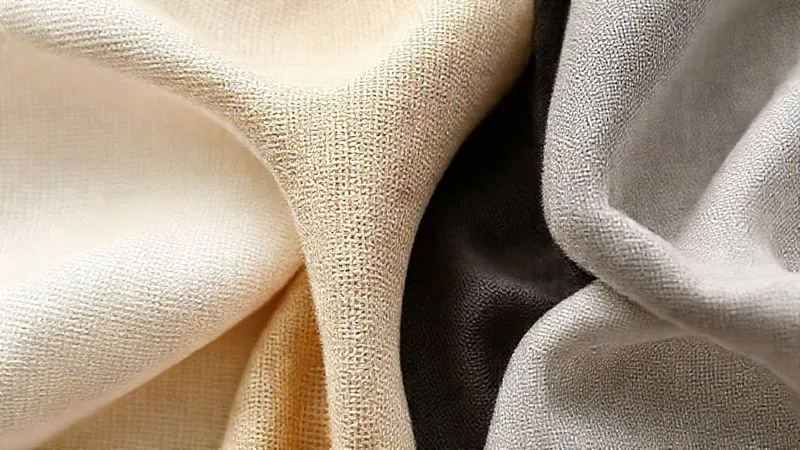
While organic cotton is fantastic for its environmental benefits, not all organic cotton is created equal in terms of durability. The staple length of cotton fibers, for instance, significantly impacts strength. Longer staple fibers lead to stronger, more resilient yarns and fabrics. Hemp, Tencel Lyocell, and even properly processed recycled polyester offer incredible strength and longevity when chosen wisely.
"True sustainability in textiles isn't just about how a fiber is grown or processed; it's about how long that garment can stay in active use before needing replacement. Durability is the unsung hero of the circular economy."
- Organic Cotton (Long-Staple): Opt for varieties like Supima or Egyptian organic cotton for superior strength and softness.
- Hemp: Known for its exceptional strength, durability, and natural resistance to mildew and UV light. It softens beautifully with wear.
- Tencel Lyocell: A cellulosic fiber derived from sustainably managed forests, Tencel is incredibly strong, drapes well, and is resistant to pilling.
- Recycled Polyester (RPET): When sourced from high-quality post-consumer waste and processed carefully, RPET can offer durability comparable to virgin polyester, ideal for outerwear or activewear components.
- Organic Linen: Offers excellent strength and breathability, though it can wrinkle easily.
Innovative Fabric Construction and Weaving Techniques
Once you've selected your sustainable fibers, how they are spun into yarn and then constructed into fabric is paramount. A weak weave can compromise even the strongest fibers, and conversely, smart construction can enhance the resilience of good materials.
Tight Weaves and Knits: The First Line of Defense
For kids' apparel, fabric construction needs to withstand constant movement, stretching, and friction. Tightly woven fabrics inherently resist tearing and abrasion better than loose weaves. Similarly, interlock knits offer superior recovery and resistance to runs compared to single jersey knits.
- Canvas and Twill: Excellent choices for pants, shorts, and jackets due to their dense, strong weave. Think organic cotton canvas or hemp twill.
- Interlock Knits: Ideal for t-shirts, leggings, and bodysuits, offering a stable, thick, and soft fabric that holds its shape well.
- Ripstop Weaves: Incorporating a reinforcing technique that makes them resistant to tearing and ripping, perfect for outdoor playwear.
Reinforced Areas: Design for Play
Kids' clothes take a beating in predictable places: knees, elbows, and seats. Designing with these stress points in mind is a game-changer for durability.
- Double-Layered Fabric: Incorporate an extra layer of fabric in high-wear zones like knees and elbows, either internally or as an external patch.
- Bar Tacks: Use these small, dense stitches to reinforce stress points such as pocket openings, belt loops, and zipper bases.
- Reinforced Seams: Ensure that seams in high-stress areas are not only strong but also designed to distribute tension evenly.
- Strategic Paneling: Use more durable fabrics in high-abrasion areas, combining them with softer, more flexible fabrics where comfort is key.
According to a study by The Ellen MacArthur Foundation, extending the lifespan of clothing by just nine months can reduce its carbon, water, and waste footprint by 20-30%. This highlights the immense importance of durability in achieving true circularity.
| Fabric Type | Durability Rating (1-5) | Sustainability Factor | Best Use |
|---|---|---|---|
| Organic Cotton Twill | 4 | High (GOTS certified) | Pants, Jackets, Overalls |
| Hemp Canvas | 5 | Very High (low water, no pesticides) | Outdoor wear, Heavy-duty pants |
| Tencel Lyocell Interlock | 3.5 | High (closed-loop) | T-shirts, Leggings, Bodysuits |
| Recycled Polyester Ripstop | 4.5 | Medium (repurposed plastic) | Rainwear, Activewear |
Quality Stitching and Seam Integrity: The Unsung Heroes
Even the most durable fabric can fail if the stitching isn't up to par. I've often said that the strength of a garment is only as good as its weakest seam. This is where attention to detail in manufacturing truly shines.
Stitch Types and Thread Choices for Longevity
Choosing the right stitch type and thread material for each part of a garment is critical. For kids' wear, seams need to withstand pulling, stretching, and frequent washing without unraveling or breaking.
- Flat-Felled Seams: Incredibly strong and durable, often seen in denim. They encase raw edges, preventing fraying and adding bulk strength. Ideal for side seams on pants and jackets.
- French Seams: A neat, enclosed seam that hides raw edges, providing a clean finish and added strength, especially for lightweight fabrics.
- Overlock (Serger) Stitches: Essential for knit fabrics, providing stretch and preventing fraying. A 4-thread or 5-thread overlock offers superior strength.
- Chain Stitches: While single chain stitches can unravel easily, double chain stitches (common on industrial machines) offer good strength and elasticity.
For thread, consider strong, durable options like recycled polyester thread, which offers excellent tensile strength and resistance to abrasion. Organic cotton threads are also available, though they may have slightly less tensile strength than synthetic alternatives but are better for natural fiber garments.
Reinforcement at Stress Points
Beyond stitch type, strategic reinforcement at common stress points is non-negotiable. Think about where a child tugs, pulls, and stretches their clothes:
- Buttonholes and Snap Plackets: These areas need strong interfacing and multiple rows of stitching to prevent tearing.
- Zipper Attachments: Ensure zippers are securely sewn with strong thread and reinforced at the top and bottom stops.
- Crotch Seams: Often a high-stress area in pants and bodysuits, requiring robust stitching and potentially a gusset for added strength and mobility.
"Investing in high-quality industrial sewing machines and providing thorough training for your production team on proper tension, needle selection, and stitch techniques isn't an expense; it's an investment in product longevity and brand reputation."
As ASTM International guidelines often emphasize, textile product performance is a function of both material properties and construction methods. This dual focus is crucial for kids' wear.
Thoughtful Design for Durability and Growth
Durability isn't just about how a garment is made; it's also about how it's designed to be used and how long it can stay relevant in a child's rapidly changing life. Sustainable kids' wear should inherently be designed for an extended lifecycle.
Adjustable Features and Grow-With-Me Designs
Children grow at an astonishing rate. A garment that can adapt to their changing size dramatically increases its lifespan and reduces the need for frequent replacements. This is a powerful aspect of sustainable design.
- Adjustable Waistbands: Elastic with buttonhole adjustments or drawstrings allow pants and skirts to fit for longer.
- Roll-Up Cuffs and Extendable Hems: Sleeves and pant legs designed to be rolled up or let down can extend wear by a full size or more.
- Snaps for Adjustability: Bodysuits with two rows of snaps at the crotch can accommodate growth in torso length.
- Convertible Styles: Think garments that transform, like a sleeping bag that becomes a playsuit, or pants that convert to shorts.
Timeless Aesthetics and Gender-Neutral Options
Fashion trends come and go, but children's clothes should ideally transcend fleeting fads. Designing with timeless aesthetics and offering gender-neutral options further enhances durability by increasing the likelihood of hand-me-downs.
- Classic Silhouettes: Simple, comfortable designs that don't go out of style.
- Neutral Color Palettes: Earth tones, muted colors, and classic patterns are easier to mix and match and appeal to a wider audience, making them ideal for passing down.
- Minimal Branding: Avoid overly specific or trendy branding that might quickly become dated.
Case Study: How 'EverGrow Apparel' Mastered Durability & Adaptability
Case Study: How EverGrow Apparel Mastered Durability & Adaptability
EverGrow Apparel, a burgeoning sustainable kids' wear brand, faced the common challenge of convincing parents that their eco-friendly clothes were also practical. Their initial collection, while beautiful and organic, received feedback about quick outgrowing and some wear-and-tear issues. By implementing the 'Design for Growth' principles, EverGrow completely revamped their approach.
They introduced extendable cuffs on all sleeves and pant legs, adjustable waistbands with internal elastic and buttons, and reinforced knee patches crafted from the same durable organic twill as the main garment. They also shifted to a core palette of nature-inspired, gender-neutral colors. The result? Customer satisfaction soared, with parents reporting garments lasting 1.5 to 2 times longer than previous collections. This not only reduced waste but also fostered immense brand loyalty, proving that thoughtful design directly translates into enhanced durability and greater sustainability.
Rigorous Testing and Quality Control Protocols
You can have the best intentions and select the finest materials, but without stringent testing and quality control, you’re flying blind. This is where science meets sustainability, ensuring that your garments meet the real-world demands of active children.
Beyond Basic Fabric Tests: Simulating Real-World Wear
Standard fabric tests are a good starting point, but for kids' apparel, you need to go further. Think about the specific stresses children put on their clothes.
- Abrasion Resistance: Measures how well a fabric resists surface wear from rubbing. Essential for knees, elbows, and seats. (e.g., Martindale abrasion test).
- Tear Strength: How much force is required to tear a fabric. Crucial for active play. (e.g., Elmendorf tear test).
- Tensile Strength: How much force a fabric can withstand before breaking when pulled. Important for seams and overall garment integrity.
- Pilling Resistance: Prevents those annoying little balls of fiber from forming on the fabric surface, which can make a garment look worn out prematurely.
- Colorfastness to Washing and Rubbing: Ensures colors don't bleed or fade, maintaining the garment's aesthetic appeal over time.
- Bursting Strength: Particularly important for knit fabrics, measuring resistance to bursting under pressure.
Batch Testing and Supplier Vetting
It's not enough to test a sample; consistent quality requires batch testing. Work closely with your material suppliers and manufacturers to establish clear quality metrics and conduct regular audits. This builds a robust supply chain that prioritizes durability.
I always advise brands to establish a 'wear-test' program. Give prototypes to a small group of children in your target age range and gather feedback after weeks or months of real-world use. This invaluable qualitative data often uncovers durability issues that lab tests might miss.
Promoting Repairability and Circularity
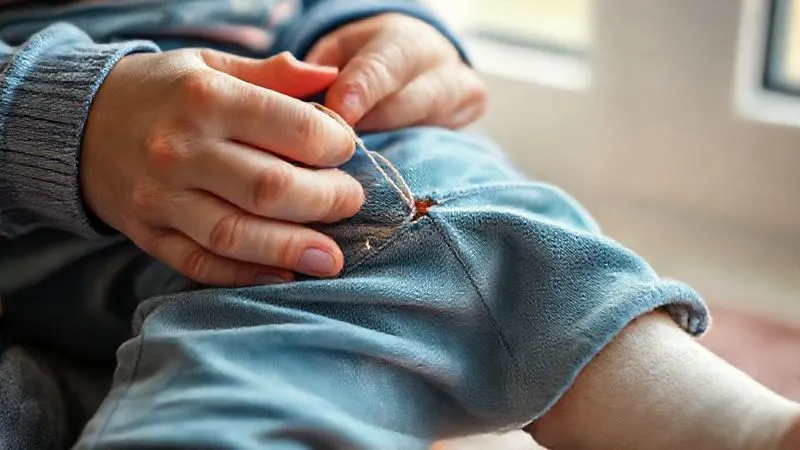
The ultimate test of durability isn't just how long a garment lasts, but how easily it can be repaired and reused. A truly sustainable kids' apparel ecosystem embraces repairability and encourages a circular mindset.
Designing for Easy Repair
This is a concept I'm passionate about. Many garments are designed in ways that make simple repairs unnecessarily difficult. By considering repair during the design phase, we empower consumers to extend the life of their clothes.
- Accessible Seams: Avoid overly complex constructions that make it hard to access and mend a torn seam.
- Simple Patch Areas: Design with clear, flat surfaces where patches can be easily applied to knees or elbows without disrupting complex patterns or features.
- Durable Fastenings: Choose buttons, snaps, and zippers that are built to last and are standard sizes, making replacements easier if needed.
- Include Repair Kits: Some forward-thinking brands include small repair kits (matching thread, spare buttons, fabric patches) with their garments.
Educating Consumers on Care and Repair
A durable garment is only truly durable if it's cared for properly. Providing clear, concise care instructions is crucial. Going a step further and offering guidance on basic repairs can transform a consumer's relationship with their clothing.
- Clear Care Labels: Use universally understood symbols and perhaps a small QR code linking to detailed online care guides.
- Online Repair Tutorials: Create simple video tutorials for common repairs like patching knees or re-sewing a button.
- Community Workshops: Partner with local organizations to offer mending workshops, fostering a culture of repair.
- Take-Back Programs: For garments that are truly at the end of their usable life, offer a take-back program for recycling or upcycling.
"A garment that can be repaired is a garment that has a story. It teaches children about value, resourcefulness, and the importance of caring for what we own. This is a lesson far more valuable than any fleeting trend."
Embracing repairability aligns perfectly with the principles of the circular economy, moving away from a linear 'take-make-dispose' model. As Fashion Revolution advocates, transparency and responsible consumption are key to a sustainable future.
Supply Chain Transparency and Ethical Manufacturing Practices
The durability of a garment is inextricably linked to the integrity of its entire supply chain. A commitment to ethical manufacturing isn't just about human rights; it's about fostering conditions that produce high-quality, long-lasting products.
Ensuring Fair Labor and Quality Standards
In my experience, factories that prioritize fair wages, safe working conditions, and reasonable hours for their employees consistently produce higher quality goods. When workers are valued and not overworked, they pay greater attention to detail, leading to better stitching, fewer defects, and ultimately, more durable garments.
- Regular Factory Audits: Go beyond initial certifications. Conduct unannounced audits to ensure consistent adherence to labor and quality standards.
- Long-Term Partnerships: Build strong, long-term relationships with your manufacturers. This fosters mutual trust and a shared commitment to quality and sustainability.
- Training and Skill Development: Support factories that invest in ongoing training for their staff, enhancing their skills in precise garment construction.
"You cannot expect a durable product from an unsustainable or unethical manufacturing environment. The stress on the people inevitably translates into stress on the product, compromising its quality and lifespan."
Traceability from Fiber to Finish
Knowing exactly where your materials come from and how they are processed at every stage allows you to verify sustainable practices and ensure consistent quality. This level of transparency is vital for both sustainability and durability claims.
- Fiber Sourcing: Verify the origin and organic/recycled certifications of your raw materials.
- Yarn Spinning: Understand the spinning process and ensure it maintains fiber integrity.
- Fabric Weaving/Knitting: Confirm the construction techniques and quality control at the mill.
- Dyeing and Finishing: Ensure environmentally friendly dyes and finishes are used, and that processes don't degrade fiber strength.
- Garment Assembly: Monitor stitching quality, seam integrity, and overall craftsmanship at the cut-and-sew factory.
Transparency is no longer a niche request but a fundamental expectation from discerning consumers. Providing clear information about your supply chain builds trust and reinforces your brand's commitment to both ethical practices and product longevity. For deeper insights into supply chain management, resources like Harvard Business Review offer valuable perspectives on best practices.
| Stage | Checklist Item | Verification Method |
|---|---|---|
| Fiber Sourcing | GOTS/GRS Certification for raw material | Supplier certificates, third-party audits |
| Yarn Production | Spinning method & twist regularity | Lab tests for yarn count & strength |
| Fabric Mill | Weave/Knit density, finish application | Fabric inspection reports, physical samples |
| Dyeing/Finishing | Eco-friendly dyes, no harmful chemicals (e.g., OEKO-TEX) | Chemical test reports, wastewater treatment logs |
| Garment Assembly | Stitch quality, seam strength, defect rate | AQL inspections, factory audits |
Frequently Asked Questions (FAQ)
Is it always more expensive to produce durable sustainable kids' wear? Initially, yes, the upfront cost for high-quality sustainable materials, ethical labor, and rigorous testing can be higher. However, this investment typically pays off through increased brand loyalty, reduced returns, and a stronger reputation. When customers see the longevity, they understand the value, often leading to higher perceived value and willingness to pay. Moreover, the environmental cost of frequent replacement of cheap, non-durable items far outweighs the cost of a long-lasting one.
How do I balance softness for babies with durability? This is a common challenge. For babies, focus on long-staple organic cottons, bamboo, or Tencel Lyocell in interlock or jersey knits. These offer incredible softness while still providing good tensile strength and resilience. Avoid loose weaves or very delicate lace for everyday wear. Reinforce stress points with subtle, soft patches on the inside to maintain external softness.
What role does dyeing play in durability? Dyeing can significantly impact durability. Harsh chemical dyes and aggressive dyeing processes can weaken fibers, making them more prone to tearing and abrasion. Opt for low-impact, GOTS-certified dyes and ensure your manufacturing partners use environmentally responsible dyeing methods that preserve fiber integrity. Natural dyes, while beautiful, can sometimes have lower colorfastness, so testing is crucial.
Can recycled materials truly be as durable as virgin? Yes, absolutely, but with caveats. Recycled polyester (rPET), when made from high-quality post-consumer plastic and properly processed, can be just as durable, if not more so, than virgin polyester. Recycled cotton, however, often has shorter fiber lengths due to the recycling process, which can reduce its inherent strength. Blending recycled cotton with virgin organic cotton or stronger fibers like hemp or Tencel can mitigate this, creating a durable and sustainable blend. It's all about thoughtful material engineering.
How can small brands implement rigorous testing without a huge budget? Small brands can start by establishing strong relationships with their fabric suppliers and asking for their test reports for each batch. You can also send key fabric samples to a reputable third-party testing lab for critical tests like abrasion and tear strength, focusing on the most important metrics for your product type. Implement a robust internal visual inspection and a 'wear-test' program with a small group of children to get real-world feedback. Scaling up testing can happen as the brand grows.
Key Takeaways and Final Thoughts
Ensuring durability in sustainable kids' apparel production is not just a technical challenge; it's a philosophical commitment. It means moving beyond mere 'eco-friendly' labels to create truly resilient garments that honor both our planet and the families who choose them. It's about designing for longevity, embracing repair, and building a supply chain founded on integrity.
- Prioritize Strong Fibers: Select long-staple organic cotton, hemp, or Tencel Lyocell for inherent strength.
- Master Fabric Construction: Utilize tight weaves, interlock knits, and strategic reinforcement for high-wear areas.
- Invest in Quality Stitching: Choose appropriate stitch types and strong threads, reinforcing all stress points.
- Design for Growth and Timelessness: Incorporate adjustable features and classic aesthetics to extend garment life.
- Implement Rigorous Testing: Go beyond basic tests to simulate real-world wear and ensure consistent quality.
- Champion Repairability: Design with repair in mind and educate consumers on care and mending.
- Demand Supply Chain Transparency: Partner with ethical manufacturers who uphold quality and fair labor practices.
The future of kids' fashion isn't just green; it's robust, resilient, and ready for adventure. By embedding durability into every stage of your production process, you're not just selling clothes; you're selling trust, value, and a tangible commitment to a better, more sustainable world for our children.
Recommended Reading
- Designing Trendy Frames: 7 Principles for Optimal Eye Health
- 7 Proven Strategies: What to Do When Fashion Affiliate Sales Decline?
- 5 Expert Strategies: Keep Elegant Fashion Fresh, Not Dated or Rigid
- The Ultimate Guide: How to Keep Your Wedding Dress Wrinkle-Free on Your Big Day
- Bridal Boutique's Guide: 7 Proven Strategies to Clear Unsold Gowns Fast



Your email address will not be published. Required fields are marked *