

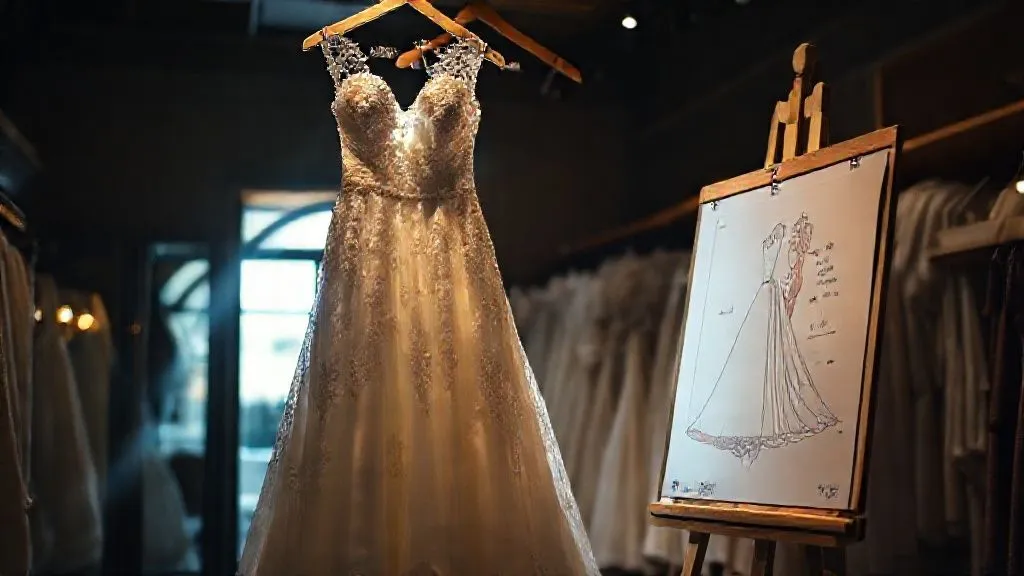
How to clear unsold bridal gown inventory when new trends hit fast?
For over two decades in the enchanting, yet fiercely competitive, world of bridal fashion, I've witnessed countless boutique owners grapple with a challenge as old as the industry itself: the relentless march of trends. It's a beautiful dance of dreams and dresses, but beneath the shimmering organza and delicate lace lies a stark reality – inventory that doesn't move. I've seen vibrant businesses stumble, not from a lack of passion, but from a failure to adapt their inventory strategies to the accelerating pace of bridal trends.
The problem is palpable: one season's coveted silhouette can quickly become the next season's lingering liability. Brides today are more informed, more influenced by social media, and more discerning than ever. They demand the latest, the freshest, the "viral" gown they saw online. This leaves boutique owners with a critical dilemma: how do you clear unsold bridal gown inventory when new trends hit fast, without devaluing your brand or bleeding profits?
This isn't just about marking down prices; it's about strategic foresight, creative marketing, and understanding the psychology of the modern bride. In this definitive guide, I will share the actionable frameworks, real-world insights, and expert strategies I've cultivated over my career to transform your unsold inventory from a burden into a strategic asset. Prepare to learn how to navigate the swift currents of bridal fashion and ensure your boutique thrives.
Understanding the Bridal Fashion Cycle: More Than Just Seasons
The bridal fashion cycle operates on a unique rhythm, distinct from ready-to-wear. While runway trends might shift every six months, bridal collections often have a longer shelf life, yet their perceived "newness" can expire far more rapidly than their physical condition. What once took years for a trend to fully materialize and fade, now happens in months, largely thanks to digital media.
I've observed that social media platforms like Instagram, Pinterest, and TikTok have become the primary trend accelerators. A celebrity wedding, a viral influencer post, or even a specific designer's collection showcased innovatively can instantly redefine what brides are looking for. This means that a gown purchased with confidence a year ago might suddenly feel "dated" to a bride scrolling through her feed, even if it's still objectively stunning and perfectly preserved.
This rapid trend evolution demands a more agile approach to inventory management. It's no longer enough to simply anticipate spring and fall collections; you must also monitor micro-trends in fabrics, necklines, sleeve details, and even the overall bridal aesthetic. Ignoring this shift is akin to trying to sell flip-phones in the smartphone era – you’re missing the market's pulse entirely. Understanding this fundamental change is the first step in learning how to clear unsold bridal gown inventory when new trends hit fast effectively.
"In bridal, 'timeless' is a sentiment, not a guarantee of sales. True timelessness in inventory management comes from strategic adaptability." - An Industry Veteran's Insight
Strategic Inventory Forecasting: Prevention is Better Than Cure
The best way to deal with unsold inventory is to prevent it from becoming a significant problem in the first place. This requires moving beyond gut feelings and embracing data-driven purchasing. I often tell my mentees, "Your order book is your crystal ball, but only if you know how to read it."
Here's how to implement a robust forecasting strategy:
- Analyze Past Sales Data Religiously: Look beyond just total units sold. Identify which styles, silhouettes, fabrics, and price points performed best. Track conversion rates for different designers and collections. Understand your specific clientele's preferences – are they traditional, bohemian, minimalist?
- Monitor Local Market Trends & Demographics: Attend local bridal shows, connect with wedding planners, and even survey your recent brides. Are there shifts in wedding sizes, venues, or budgets in your area? A surge in outdoor weddings might mean a demand for lighter, less structured gowns, for example.
- Leverage Vendor Relationships: Build strong ties with your designers. Discuss their best sellers, upcoming trends they anticipate, and their reorder policies. Some designers offer more flexible return or exchange policies for slow-moving stock, which can be invaluable. Don't be afraid to ask about minimum order quantities (MOQs) and negotiate for smaller initial buys if possible.
- Implement a Sell-Through Rate Target: Aim for a healthy sell-through rate for each collection. If certain styles consistently underperform, adjust your buying strategy for future seasons. This proactive approach is crucial for understanding how to clear unsold bridal gown inventory when new trends hit fast without resorting to drastic measures.
According to a report by McKinsey & Company on the fashion industry, data analytics and AI-driven insights are becoming indispensable for inventory optimization, leading to significant reductions in overstock and improved profitability. It’s no longer optional; it’s essential for survival.
| Metric | Goal | Action |
|---|---|---|
| Average Sell-Through Rate | 70-80% | Review underperforming styles; adjust future orders |
| Inventory Turnover Ratio | 2-3x per year | Identify slow-moving items; implement clearance tactics |
| Customer Preference Shifts | Track monthly | Adapt buying to emerging silhouettes/fabrics |
| Supplier Lead Times | Minimize | Negotiate faster delivery; prioritize reliable vendors |
The Art of the Pre-Season Clear-Out: Maximizing Early Sales
Before new collections even hit the racks, you have an opportunity to strategically move existing inventory. This isn't about deep discounts but about targeted marketing and exclusive experiences.
Designer Trunk Shows & Preview Events
I've seen tremendous success with well-executed trunk shows. These events, often featuring a designer's full collection (including some of your existing stock), create urgency and exclusivity. Offer special incentives for purchases made during the event, such as a percentage off or complimentary accessories. Position your older, yet still beautiful, gowns as "classic pieces" or "timeless icons" that complement the new arrivals.
Early Bird Discounts for Upcoming Collections
For brides with shorter engagement periods or those who are highly budget-conscious but still desire quality, consider offering a limited-time "early bird" discount on select existing inventory before the new season officially launches. Market this as an exclusive opportunity for smart shoppers. This strategy can be particularly effective for gowns that are still beautiful but might soon be overshadowed by incoming trends.
Targeted Marketing to Specific Bride Segments
Segment your customer database. Do you have brides who expressed interest in a particular style that might now be considered "last season," but still fits their aesthetic? Reach out to them personally with a curated selection and a special offer. Focus on brides who have shorter engagement timelines, as they are often more open to purchasing off-the-rack and taking advantage of immediate availability and value. This proactive engagement is key to understanding how to clear unsold bridal gown inventory when new trends hit fast before it becomes a problem.
Creative Liquidation Channels: Beyond the "Sale Rack"
When gowns move past the "pre-season clear-out" phase, it’s time to get creative with your liquidation channels. Simply putting a "Sale" sign on a rack is often not enough to attract the right buyers or move significant volume.
Elevated Sample Sales & Pop-Up Events
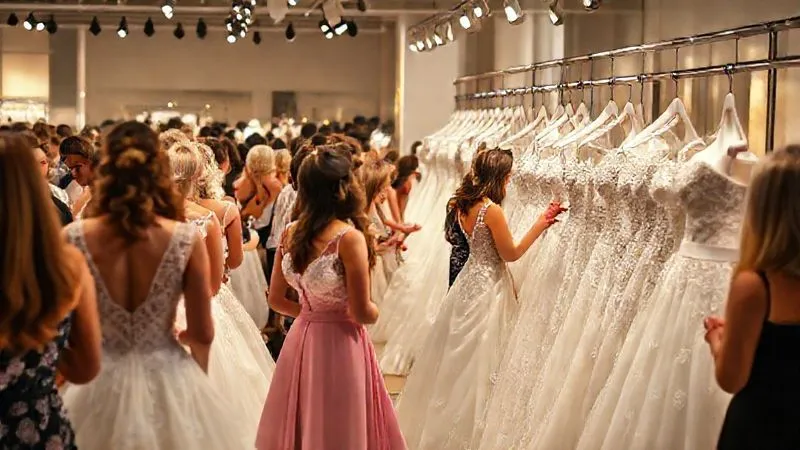
Transform your sample sale from a cluttered afterthought into a curated event. Host a "Designer Sample Showcase" or a "Luxury Bridal Clearance Pop-Up." Create an inviting atmosphere, perhaps with bubbly and light refreshments. Limit the number of brides per time slot to maintain a sense of exclusivity and provide better service. Focus on the value proposition: these are designer gowns at an incredible price point, perfect for the savvy bride.
Partnerships with Consignment Boutiques or Online Marketplaces
Consider partnering with high-end bridal consignment boutiques, either locally or online. Platforms like Stillwhite or Nearly Newlywed specialize in pre-owned or sample gowns and reach a global audience of budget-conscious brides. Be clear about your pricing strategy and ensure the platform aligns with your brand image. This can be an excellent way to offload inventory without directly managing individual sales.
Charity Partnerships & Community Engagement
While not directly revenue-generating, donating a portion of your unsold inventory to bridal charities (e.g., Brides for a Cause) can offer significant tax benefits and generate positive public relations. It's a powerful way to give back to the community and subtly reinforce your brand's values, often attracting a loyal customer base who appreciate ethical business practices. This strategy adds a layer of goodwill to your efforts to understand how to clear unsold bridal gown inventory when new trends hit fast.
Repositioning & Rebranding: Giving Gowns a Second Life
Sometimes, a gown isn't "out of style," it's just "out of context." A fresh perspective can breathe new life into older inventory. This is where your expertise in styling and marketing truly shines.
Styling Older Gowns with New Accessories
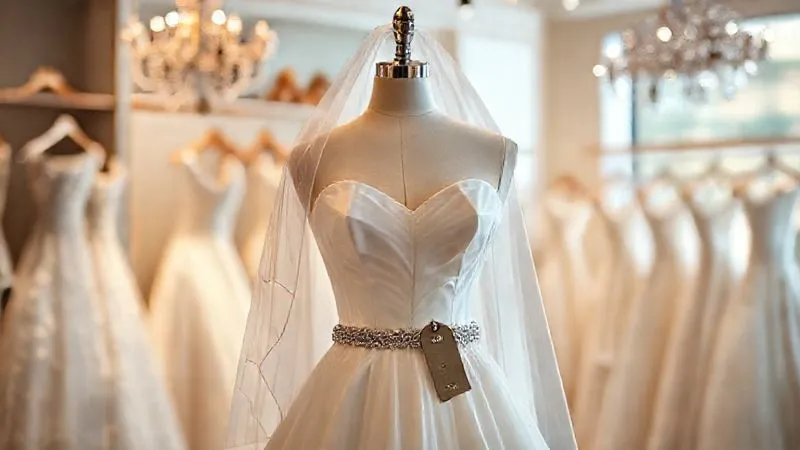
A simple change can make a world of difference. Pair a classic A-line gown with a trendy cape veil, a statement belt, or contemporary jewelry. Showcase these styled looks on your social media and in-store displays. Demonstrate how a "dated" gown can be transformed into a modern masterpiece with the right touches. This appeals to brides looking for a unique, personalized look.
Marketing "Classic" or "Timeless" Appeal
Instead of labeling gowns as "old" or "discounted," reposition them as "timeless classics," "vintage-inspired," or "curated heritage pieces." Emphasize the quality craftsmanship and enduring elegance. Focus on the emotional connection a bride might feel to a gown that transcends fleeting trends. This narrative shift can be incredibly powerful, especially for sophisticated brides who value enduring style over ephemeral fads.
Targeting Different Price Points & Segments
Not every bride has an unlimited budget for the latest collection. Create a separate "Curated Value Collection" or "Bridal Outlet" section within your boutique or online, specifically for these repositioned gowns. This allows you to cater to a broader market segment without diluting your main brand image. Clearly communicate that these are still designer gowns, simply offered at a more accessible price point.
"A gown is only 'old' if you market it that way. Reframe its narrative, and you can unlock its hidden value." - My personal mantra in inventory management.
Leveraging Digital Marketing & Storytelling for Clearance
In today's digital age, your online presence is as crucial as your physical storefront. Digital marketing offers unparalleled opportunities to reach specific audiences and tell compelling stories about your unsold inventory.
Dynamic Social Media Campaigns
Instagram Reels and TikTok: Create engaging short-form video content. Showcase "makeover" videos of older gowns styled with new accessories. Feature "behind-the-scenes" glimpses of your sample sales. Use trending audio and hashtags to increase visibility. Highlight the unique features and quality of each gown, even those on clearance. Run polls asking brides to vote on their favorite "classic" styles.
Segmented Email Marketing
Don't blast all your subscribers with clearance sale emails. Segment your list based on past inquiries, budget preferences, or preferred styles. Send targeted emails highlighting gowns that align with their expressed interests. Offer exclusive early access to sales for loyal customers, making them feel valued and increasing conversion rates. Personalization is key to effectively communicating how to clear unsold bridal gown inventory when new trends hit fast.
Virtual Appointments for Clearance Items
Offer virtual styling appointments specifically for your clearance or sample collections. This allows brides from further afield to view gowns, ask questions, and get personalized advice from the comfort of their homes. It expands your reach and provides a convenient shopping experience for those looking for a great deal.
Highlighting Unique Gown Stories
Every gown has a story. Perhaps it was a designer's showpiece, or it embodies a particular era of bridal fashion. Share these narratives. A gown with a rich backstory, even if it's no longer the absolute latest trend, can resonate deeply with a bride looking for something unique and meaningful. Authenticity sells.
Strategic Pricing & Bundling: Sweetening the Deal
Pricing clearance items isn't about arbitrary markdowns; it's a science. The goal is to maximize your return while clearing space, not just to get rid of inventory at any cost. This is where strategic pricing and bundling come into play.
Tiered Discounts & Progressive Reductions
Instead of one drastic markdown, implement a tiered discount strategy. Start with a moderate discount (e.g., 20-30% off) for early access or loyal customers. If the gown still doesn't sell after a set period, increase the discount (e.g., 40-50%). The final tier might be a steeper discount or inclusion in a major sample sale. This creates urgency at each stage without immediately devaluing the gown too much.
Bundling with Accessories or Services
Offer packages that include a clearance gown with complimentary accessories (veil, belt, headpiece) or services (alterations credit, gown preservation). The perceived value of the bundle often outweighs the standalone discount on the gown. For example, a bride might be more inclined to purchase a gown at 40% off if it comes with a free $300 veil and a $200 alterations credit, even if the total cost is similar to a 60% off gown with no extras. This is a powerful tactic for understanding how to clear unsold bridal gown inventory when new trends hit fast effectively.
Psychological Pricing
Utilize pricing strategies like ending prices with .99 (e.g., $999 instead of $1000) or highlighting the "original value" versus the "savings." Frame the discount as an opportunity for exceptional value rather than just a markdown. For example, "Save $1,500 on this designer masterpiece!"
Case Study: How "Belle Bridal Boutique" Revitalized Their Clearance Strategy
Belle Bridal Boutique, a mid-sized store in a competitive urban market, found themselves with 40% of their inventory being over 18 months old. They were struggling with cash flow and shelf space. By implementing a three-pronged approach based on strategic pricing and bundling, they achieved remarkable results. First, they segmented their older gowns into "Classic Collection" and "Designer Steals." Second, they offered a tiered discount structure, starting at 30% and escalating to 50% over a three-month period. Crucially, for the "Classic Collection," they bundled each gown with a choice of a designer veil or a $300 alterations credit, effectively adding perceived value. For the "Designer Steals," they introduced a "Buy One, Get One 50% Off" on accessories when purchasing a gown. This resulted in a 65% reduction in their stagnant inventory within six months, significantly boosting cash flow and allowing them to invest in new, on-trend collections without overextending. This case demonstrates a practical application of how to clear unsold bridal gown inventory when new trends hit fast.
Building a Sustainable Inventory Mindset: Long-Term Success
Clearing unsold inventory isn't a one-time fix; it's an ongoing process that requires a shift in mindset towards sustainability and proactive management. My experience has taught me that the most successful boutiques view inventory as a dynamic asset, not a static collection.
Regular Inventory Audits and Performance Reviews
Conduct monthly or quarterly inventory audits. Track not just what you have, but how long it's been on the floor, its sell-through rate, and its current condition. Use inventory management software to automate this process. This regular scrutiny allows you to identify slow-movers early and implement clearance strategies before they become critical issues.
Educating Staff on Inventory Movement
Your sales associates are on the front lines. They need to understand the inventory strategy, the reasons behind clearance sales, and how to confidently sell both new arrivals and older inventory. Train them on repositioning techniques, bundling options, and how to highlight the unique value of every gown, regardless of its age. Their enthusiasm and knowledge are infectious and critical to moving stock.
Fostering Strong Vendor Relationships for Flexibility
As mentioned earlier, robust relationships with your designers can provide flexibility in ordering, reordering, and potentially even returns or exchanges. A trusted vendor partner is more likely to work with you on minimums, offer trunk show support, or provide insights into future trends, all of which contribute to a healthier inventory flow. This collaborative approach is vital for any boutique trying to master how to clear unsold bridal gown inventory when new trends hit fast.
According to a study by Forbes, businesses that prioritize strong supplier relationships often see improved operational efficiency, reduced costs, and enhanced ability to adapt to market changes. This holds especially true in the fast-paced world of fashion.
Frequently Asked Questions (FAQ)
How often should I review my bridal gown inventory to avoid dead stock? I recommend a comprehensive review at least quarterly, but a lighter check-in monthly for your top 20% and bottom 20% performers. This allows you to catch slow-moving items early and take action before they become significant liabilities. For new collections, monitor weekly for the first month to gauge initial interest.
What are the legal implications of selling sample gowns or deeply discounted items? It's crucial to be transparent with your customers. Clearly label items as "sample," "as-is," or "final sale." Disclose any minor imperfections that might exist on sample gowns. Ensure your return/exchange policies for clearance items are clearly stated and visible. Consulting with a legal professional to draft appropriate disclaimers for your sales events and website is always a good practice to avoid misunderstandings and protect your business.
Can I partner with other local businesses to clear inventory? Absolutely, and I highly encourage it! Consider collaborating with local wedding planners, photographers, or even event venues for cross-promotional opportunities. You could host a "Styled Shoot" featuring your clearance gowns, offering planners and photographers content while showcasing your dresses in a fresh context. Or, partner with a local alterations specialist to offer a discount on their services with the purchase of a clearance gown, adding value for the bride.
How do I maintain my brand image while running aggressive clearance sales? The key is strategic presentation and clear communication. Instead of calling it a "desperate sale," frame it as an "Exclusive Sample Showcase," "Timeless Collection Event," or "Designer Savings Event." Create a dedicated, aesthetically pleasing space for these items, whether it's a separate section in your boutique or a special pop-up event. Emphasize the quality and designer origin of the gowns, highlighting the exceptional value proposition. Maintaining a professional and elegant atmosphere, even during clearance, is paramount.
What's the best way to determine the right discount percentage for an unsold gown? This depends on several factors: the gown's age, its original cost, its current condition, and how quickly you need to move it. Start with a moderate discount (e.g., 20-30%) that still reflects some of its inherent value. If it doesn't move, consider a progressive markdown strategy (e.g., 40%, then 50% or more). Always factor in your break-even point and the cost of holding inventory. Sometimes, a smaller profit margin on a sale is better than indefinite storage costs and eventual total loss. Consider bundling to add perceived value before resorting to deep cuts.
Key Takeaways and Final Thoughts
Navigating the swift currents of bridal fashion and effectively answering the question of how to clear unsold bridal gown inventory when new trends hit fast requires more than just reactive markdowns. It demands a holistic, proactive, and creative approach. Based on my years in this beautiful industry, here are the most critical takeaways:
- Proactive Forecasting is Paramount: Invest in data-driven buying to prevent overstock before it happens.
- Embrace Creative Liquidation: Look beyond the traditional sale rack. Explore pop-ups, consignment, and strategic partnerships.
- Reposition with Storytelling: Give older gowns new life through fresh styling and compelling narratives.
- Leverage Digital Dominance: Utilize social media and targeted email marketing to reach the right brides.
- Strategic Pricing & Bundling: Maximize value and incentivize purchases without devaluing your brand.
- Cultivate a Sustainable Mindset: Regular audits and staff education ensure long-term inventory health.
The bridal industry is constantly evolving, but with these strategies, you're not just reacting to change; you're anticipating it, shaping it, and ensuring your boutique remains a beacon of dreams for every bride. Remember, every gown has a bride waiting for it; your job is to connect them efficiently and elegantly. Embrace these tactics, and watch your inventory transform from a challenge into a catalyst for growth and continued success.
Recommended Reading
- Mastering 1950s Vintage: 7 Strategies for the Niche Luxury Buyer
- Unlock the Secret: How to Care for Contemporary Jewelry Materials?
- The Secret to Soothing Comfort: How to Choose Newborn Clothes for Sensitive Skin
- 5 Strategic Ways to Dress for a Promotion: Empowering Professional Attire
- Restore Heavily Corroded Edwardian Platinum: The Damage-Free Expert Guide





Your email address will not be published. Required fields are marked *