

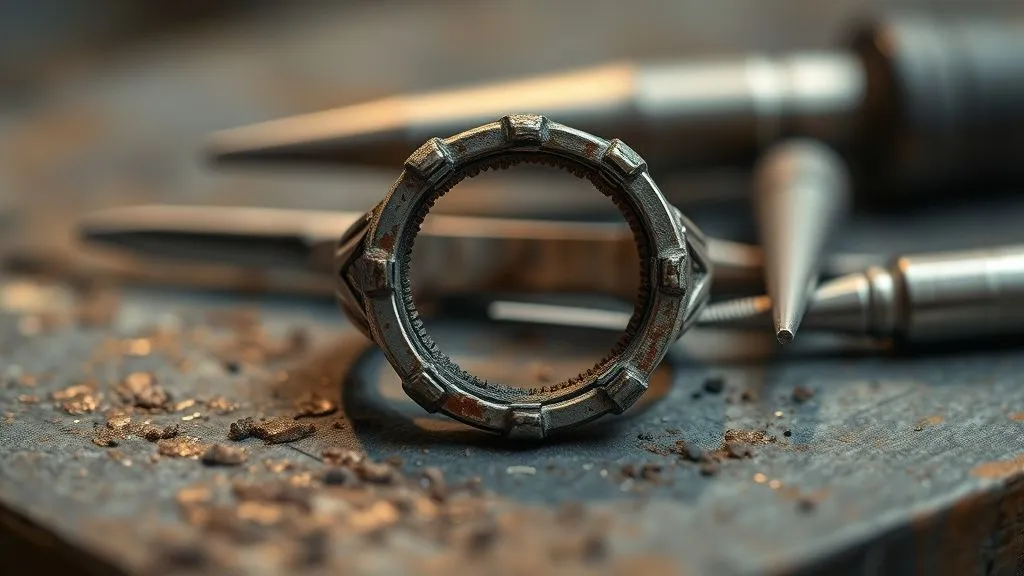
How to restore a heavily corroded Edwardian platinum setting without damage?
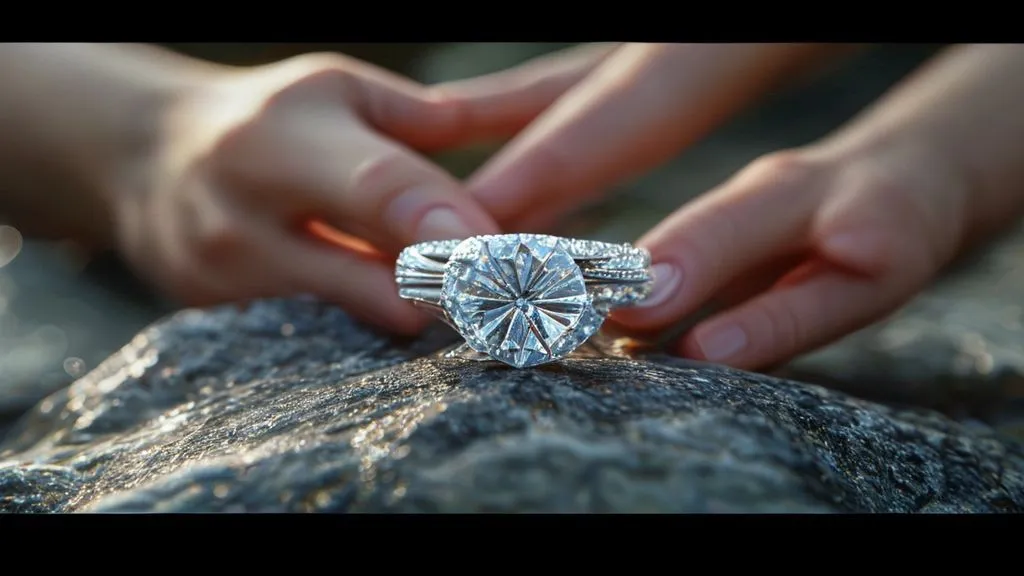
For over two decades in the intricate world of antique jewelry, I've witnessed the profound emotional connection owners have with their Edwardian platinum pieces. These aren't just trinkets; they are tangible links to history, often heirlooms carrying generations of stories. But I've also seen the heartbreak when these magnificent pieces, particularly their delicate platinum settings, fall victim to heavy corrosion, leading to a palpable fear of irreversible damage during restoration.
The problem is multifaceted: Edwardian platinum, while renowned for its durability and strength, isn't entirely impervious to environmental factors or the degradation of its historical alloys. Surface contamination, solder joint issues, or even specific chemical exposures over a century can lead to what appears as unsightly, stubborn corrosion, deeply embedding itself within the intricate filigree and delicate settings characteristic of the era. The challenge then becomes: how do we resurrect that original brilliance without compromising the structural integrity or historical patina that makes these pieces so special?
In this definitive guide, I will share the invaluable insights and proven methodologies I've developed over my career. You'll learn not just about cleaning, but about the art and science of true preservation – from meticulous assessment and gentle, targeted techniques to long-term care. My goal is to equip you with the knowledge to approach the restoration of a heavily corroded Edwardian platinum setting without damage, ensuring these precious relics continue to tell their stories for another century.
Understanding Edwardian Platinum: More Than Just a Metal
To truly understand how to restore these pieces, we must first appreciate what Edwardian platinum is. During the Edwardian era (roughly 1901-1910), platinum emerged as the metal of choice for fine jewelry, replacing silver due to its strength, purity, and ability to hold diamonds securely in delicate settings. Unlike modern platinum, which is often 95% pure, Edwardian platinum typically contained higher percentages of iridium (Ir-Pt alloys, often 90% platinum, 10% iridium) or ruthenium, added to increase hardness and workability.
Crucially, platinum itself is remarkably stable and resistant to oxidation and tarnish, especially compared to silver or even gold alloys. So, when we observe what appears to be 'corrosion' on Edwardian platinum, it's rarely true platinum oxidation. Instead, it's usually one of several issues: embedded grime and dirt, degradation of non-platinum solder used in repairs, surface contamination from contact with other metals or chemicals, or, in rarer cases, a reaction with impurities within the original alloy.
Distinguishing true corrosion – such as pitting or actual material degradation – from deeply ingrained surface grime or embedded debris is the first critical step. Misdiagnosis can lead to inappropriate and potentially damaging restoration attempts. What looks like a dark, uniform 'tarnish' might just be decades of accumulated skin oils, microscopic dust, and environmental pollutants coalescing into a stubborn film.
Expert Insight: Never assume visible discoloration on Edwardian platinum is traditional 'tarnish' that can be removed with aggressive silver polish. Platinum behaves differently; its 'corrosion' is often a more complex surface issue requiring a nuanced approach.
The Indispensable Initial Assessment: A Diagnostic Deep Dive
Before any cleaning or restoration begins, a thorough, systematic assessment is paramount. This isn't just a quick glance; it's a diagnostic deep dive that informs every subsequent step, minimizing risk and maximizing the chances of a successful, damage-free restoration.
Visual Inspection: Magnification is Your Best Friend
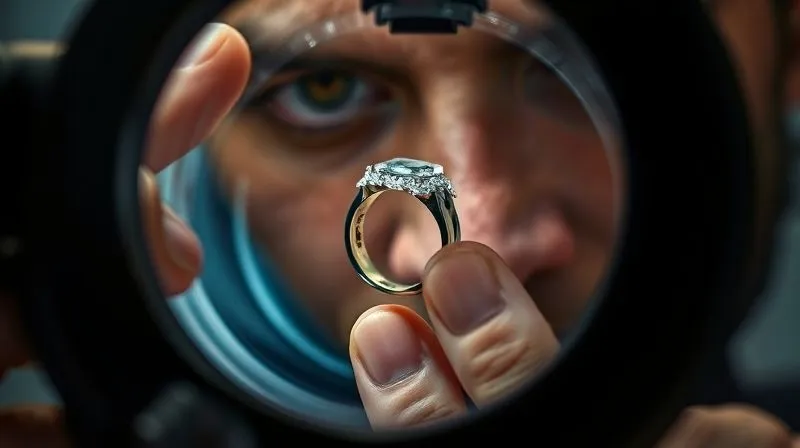
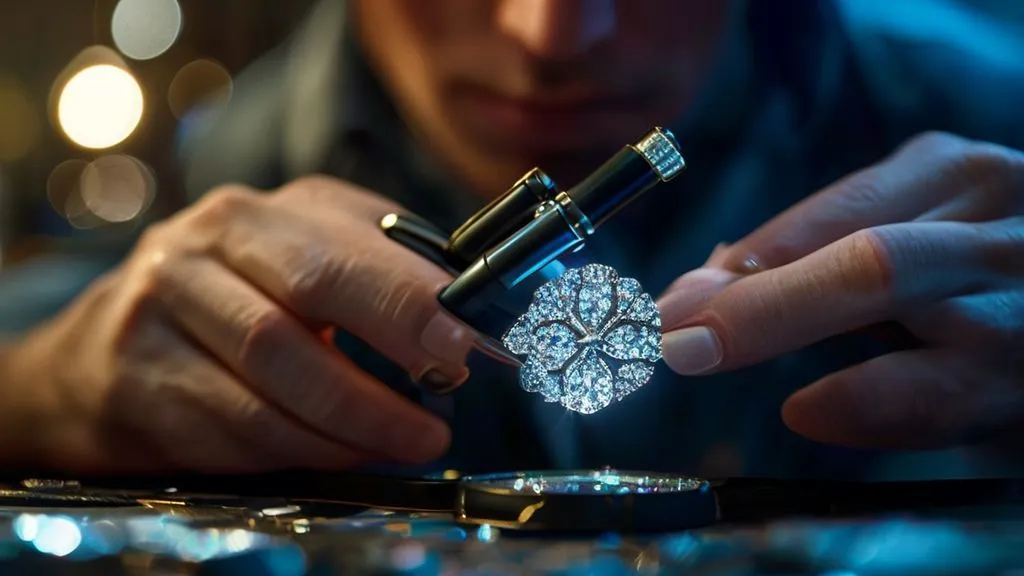
I cannot stress enough the importance of high-magnification tools. A standard 10x jeweler's loupe is a good start, but for heavily corroded Edwardian platinum, a 20x loupe or, ideally, a stereo microscope is indispensable. These tools allow you to see beyond the surface, identifying the true nature of the 'corrosion'.
- What to look for: Examine the entire piece, paying close attention to intricate filigree, milgrain edges, and stone settings. Look for:
- Pitting: Small depressions that indicate actual material loss, often from chemical exposure or aggressive cleaning attempts.
- Discoloration: Is it uniform, or patchy? Is it black, brown, or greenish? Black often indicates embedded dirt; green can suggest copper contamination from solder or external sources.
- Solder Joint Integrity: Many antique pieces have undergone repairs using non-platinum solders (e.g., gold or silver-based). These solders corrode differently and can be a source of discoloration or structural weakness.
- Stone Security: Ensure all gemstones are secure. Corrosion can sometimes loosen prongs, and aggressive cleaning can dislodge stones.
- Previous Repairs: Identify areas that might have been repaired in the past, as these often present different metallurgical properties.
Material Testing: Confirming the Alloy (When Necessary)
For extremely valuable or complex pieces, confirming the exact platinum alloy can be beneficial. Non-destructive methods like X-ray fluorescence (XRF) analysis can accurately determine the elemental composition without damaging the piece. While not always accessible, it offers precise data, especially if you suspect unusual alloys or significant contamination.
Documenting the Condition
Before and after restoration, comprehensive documentation is crucial. Take high-resolution photographs, especially macro shots of the corroded areas and any pre-existing damage. Maintain detailed written notes outlining the condition, your observations, and the planned restoration steps. This creates a valuable record and safeguards against unforeseen issues.
Gentle Cleaning: The First Line of Defense Against Surface Contaminants
Once your assessment is complete, the first step is always the gentlest. The goal here is to remove superficial grime and loose debris without impacting the underlying metal or any delicate components. Think of it as preparing the canvas before detailed work begins.
Initial Soak and Soft Brushing
Begin with a simple, yet effective, method: a warm bath. Use distilled water – tap water can contain minerals and chlorine that leave residue – and a very mild, pH-neutral, non-abrasive soap. I often recommend a gentle dish soap or a specialized jewelry cleaner designed for delicate pieces, diluted significantly.
- Prepare the Solution: Mix a few drops of mild soap into a bowl of warm (not hot) distilled water.
- Soak: Submerge the Edwardian platinum piece for 15-30 minutes. For heavily encrusted items, you might extend this to an hour or even overnight, checking periodically.
- Brush Gently: Using a very soft-bristle brush (a new, soft toothbrush or a specialized jeweler's brush with natural bristles is ideal), gently brush the surface. Focus on crevices and filigree, allowing the bristles to work the loosened dirt out. Avoid aggressive scrubbing.
- Rinse Thoroughly: Rinse under warm, distilled running water. Ensure all soap residue is removed.
- Dry: Pat dry with a lint-free soft cloth or use a hairdryer on a cool setting.
Ultrasonic Cleaning: When and How (with extreme caution)
Ultrasonic cleaners use high-frequency sound waves to create microscopic bubbles that agitate and remove dirt. While effective for some jewelry, I approach their use with Edwardian platinum with extreme caution. The vibrations can loosen fragile stones, especially those set with delicate prongs or bezel settings characteristic of the era. They can also exacerbate issues in previously repaired areas.
- Risks: Loose stones, damage to fragile enamel work, weakening of old solder joints.
- If used: Only for very short cycles (10-30 seconds), with frequent visual checks. Use a specialized jewelry cleaning solution, not harsh chemicals. Never use an ultrasonic cleaner on pieces with emeralds, pearls, opals, or other fragile, porous, or fracture-filled gemstones.
Steam Cleaning: Targeted Dirt Removal
Steam cleaners can be excellent for targeted removal of stubborn dirt and grease in hard-to-reach areas, especially within intricate filigree. The high-pressure steam effectively blasts away residue.
- Benefits: Excellent for removing embedded grime without chemical contact.
- Limitations: Avoid directing steam directly at heat-sensitive gemstones (e.g., emeralds, pearls, opals, turquoise) or any fragile components. Ensure the piece is securely held to prevent it from being dislodged by the steam pressure.
For more detailed insights on safe cleaning practices for antique jewelry, I often refer to resources from reputable institutions like the Gemological Institute of America (GIA), which provides comprehensive care guides.
Targeted Corrosion Removal: Precision and Patience
After gentle cleaning has removed surface grime, you'll be left with the true 'corrosion' – whether it's embedded oxidation from other metals, stubborn chemical residue, or minor surface pitting. This stage requires precision, patience, and often specialized tools and compounds. The key is to remove only the affected layer without altering the underlying platinum or the piece's original contours.
Mechanical Removal: The Micro-Abrasive Approach
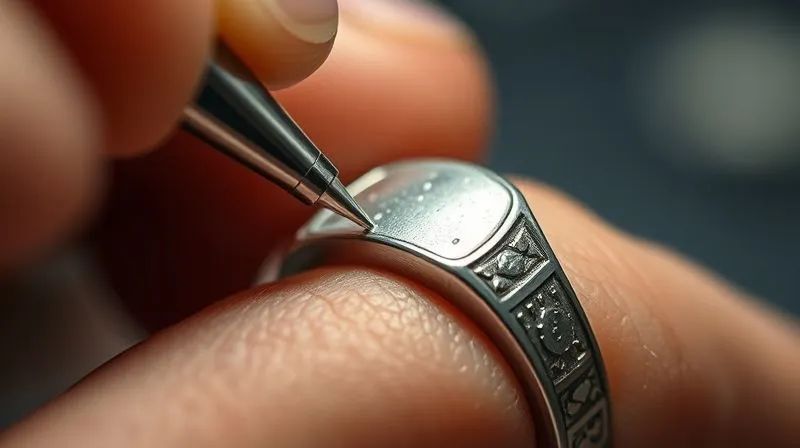
For most forms of surface discoloration or light corrosion on platinum, mechanical removal using ultra-fine polishing compounds is the preferred method. This is where your expertise in handling delicate pieces truly shines.
- Select Appropriate Compound: Use polishing compounds specifically designed for platinum. These are typically aluminum oxide-based or similar, with extremely fine abrasive particles. Avoid compounds designed for silver or gold, as they might contain harsher abrasives or chemicals unsuitable for platinum. Brands like Fabulustre, Zam, or various jeweler's rouges (white or green, which are finer) are good choices.
- Choose Your Tools: Small, soft cotton buffs, felt bobs, or even specialized bristle brushes attached to a flexible shaft (like a Foredom or Dremel, used at very low speeds) are ideal. For intricate filigree, dental floss charged with polishing compound can be surprisingly effective.
- Apply Sparingly: Apply a tiny amount of polishing compound to your chosen buff or brush. Less is more.
- Use Light Pressure, Short Passes: This is crucial. Use very light pressure and work in short, controlled passes. The goal is to gently abrade the corroded layer, not to remove significant metal or alter the surface texture.
- Inspect Frequently: Continuously stop, wipe the piece clean with a soft cloth, and inspect under magnification. This prevents over-polishing and allows you to gauge progress. You want to see the original luster return without creating a mirror finish if that wasn't the original intent, or rounding off delicate details like milgrain.
- Clean Off Residue: After polishing, thoroughly clean the piece again with mild soap and distilled water to remove all traces of polishing compound. Any residue left behind can attract dirt or cause further issues.
Expert Insight: Aggressive abrasion is the enemy of antique jewelry. You can always remove more, but you can never put metal back. Err on the side of caution and take frequent breaks to assess your work.
Chemical Treatments: A Specialist's Last Resort
In extremely rare cases of severe, deep-seated platinum corrosion (often due to specific chemical exposures or significant impurities), chemical treatments might be considered. However, these are highly specialized procedures that should only be undertaken by experienced professional conservators in a controlled laboratory environment. They often involve dilute acids (e.g., nitric acid) or electrolytic cleaning methods. The risks to gemstones, other metals in the piece, and the operator are substantial. I strongly advise against any DIY chemical treatments for Edwardian platinum.
For those interested in the complex metallurgy of platinum alloys and their reactions, resources such as those found in Platinum Metals Review can offer deeper technical insights, though practical application requires advanced expertise.
Case Study: Rescuing the "Empress's Filigree"
I recall a particularly challenging piece, an Edwardian platinum brooch nicknamed the "Empress's Filigree" due to its incredibly intricate openwork. It arrived heavily discolored, almost black in places, with a dull, lifeless appearance. The initial assessment revealed not true platinum degradation, but a thick layer of embedded grime combined with what appeared to be tarnished silver solder from a century-old repair in a tiny, inconspicuous area.
My approach began with an extended soak in warm, pH-neutral distilled water, followed by very gentle brushing. This removed a significant amount of superficial dirt. However, the deep discoloration within the filigree remained. I then moved to micro-abrasion. Using a flexible shaft tool fitted with a tiny, soft cotton buff and an ultra-fine platinum polishing compound, I meticulously worked on small sections, moving the piece under magnification. For the tightest filigree, I even used a piece of dental floss, charged with compound, to gently 'saw' through the grime. The old, tarnished silver solder spot required careful, targeted work with a fiberglass brush to remove the tarnish without abrading the surrounding platinum.
The entire process took several hours of concentrated effort, but the result was transformative. The original brilliance of the platinum returned, the delicate filigree was perfectly preserved, and the brooch regained its regal sparkle without any loss of detail or structural integrity. This case perfectly illustrates that patience and the right, gentle techniques can save even the most heavily corroded Edwardian platinum without damage.
Addressing Damage and Re-Finishing: Beyond Just Cleaning
Sometimes, corrosion is accompanied by structural damage, or the cleaning process reveals underlying issues. This stage moves beyond simple cleaning to true restoration, ensuring the piece is not only beautiful but also structurally sound and wearable.
Repairing Structural Integrity
Edwardian platinum settings, while strong, can suffer from wear over time, especially on delicate prongs holding gemstones. If your assessment revealed loose stones, worn prongs, or weakened solder joints, these must be addressed.
- Re-tipping Prongs: Worn prongs can be carefully built up with new platinum using laser welding.
- Reinforcing Weak Joints: Areas where the platinum has thinned or cracked, or where old solder has degraded, can be reinforced.
- Laser Welding vs. Traditional Soldering: For platinum, laser welding is almost always preferred for repairs on antique pieces. It generates very localized heat, minimizing the risk of heat damage to surrounding areas, gemstones, or delicate filigree. Traditional torch soldering requires higher temperatures and can pose a greater risk to the integrity of the antique piece.
Re-polishing and Finishing
After any repairs, the entire piece will need a final polish to achieve a uniform luster. The choice of finish depends on the original aesthetic and the desired outcome.
- High Polish: The classic, mirror-like finish that brings out platinum's natural brilliance. Achieved with progressively finer polishing compounds.
- Satin Finish: A softer, matte look that can be achieved with specific abrasive brushes or compounds.
- Final Cleaning and Inspection: A final ultrasonic bath (if safe for the piece) or steam clean to remove all polishing compounds, followed by a meticulous inspection under high magnification to ensure perfection.
| Restoration Stage | Key Tools | Primary Goal |
|---|---|---|
| Initial Assessment | 10x Loupe, Microscope, Digital Camera | Document condition, identify corrosion type |
| Gentle Cleaning | Mild pH-neutral soap, Soft brush, Distilled water | Remove surface grime, embedded dirt |
| Corrosion Removal | Ultra-fine polishing compounds, Cotton buffs, Felt bobs | Carefully abrade corroded layer without damage |
| Structural Repair | Laser welder, Specialized pliers, Bench tools | Reinforce settings, repair cracks |
| Final Polish & Finish | Platinum polishing compounds, Soft cloths | Restore luster, ensure smooth finish |
Preventing Future Corrosion: Long-Term Preservation
Restoring a heavily corroded Edwardian platinum setting without damage is a significant achievement, but the work doesn't end there. Proactive measures are essential to preserve its beauty and integrity for generations to come. Prevention is always easier than restoration.
Proper Storage
How you store your antique jewelry makes a huge difference. Platinum, while robust, can still react with certain chemicals or be physically damaged if stored improperly.
- Individual Pouches: Store each piece of jewelry in its own soft cloth pouch or a separate compartment in a jewelry box. This prevents scratching from other jewelry and minimizes exposure to air pollutants.
- Humidity Control: Avoid storing jewelry in excessively humid environments, which can accelerate the degradation of any non-platinum components or residues.
- Avoid Chemical Exposure: Keep jewelry away from household cleaning products, perfumes, hairsprays, and even chlorine from swimming pools. These chemicals can cause discoloration or damage, especially to softer gemstones or old solder joints.
Regular Professional Maintenance
Just like a classic car, antique jewelry benefits from regular professional check-ups. I recommend an annual visit to a trusted jeweler specializing in antique pieces.
- Annual Check-ups: A professional can inspect stone settings, check for wear and tear, and perform a gentle, safe cleaning that goes beyond what you can do at home.
- Early Detection: Minor issues, if caught early, are much easier and less costly to address than advanced corrosion or structural damage.
Avoiding Harsh Chemicals and Abrasion in Daily Wear
While wearing your antique jewelry is part of its charm, be mindful of its vulnerabilities. Remove rings before doing household chores, gardening, or engaging in activities that might expose them to harsh chemicals or physical impact. Even abrasive clothing or surfaces can slowly dull a platinum finish over time.
For further reading on the best practices for preserving historical artifacts and precious metals, the guidelines provided by institutions like the American Institute for Conservation of Historic & Artistic Works (AIC) are invaluable.
When to Call a Professional: Knowing Your Limits
While this guide provides comprehensive insights into how to restore a heavily corroded Edwardian platinum setting without damage, there are clear instances when professional intervention is not just advisable, but absolutely necessary. Recognizing your limits is a sign of true respect for these invaluable pieces.
- Complex Damage: If the corrosion is extensive, deep, or accompanied by significant structural damage (e.g., severe cracks, missing components, extremely loose stones), a professional conservator or master jeweler specializing in antique restoration is essential.
- Delicate Settings or Rare Stones: Pieces with extremely fine filigree, micro-pavé settings, or rare and fragile gemstones (like unheated sapphires, certain types of pearls, or historically important diamonds) require the most delicate touch and specialized knowledge.
- Lack of Specialized Tools or Experience: If you don't have access to the appropriate magnification, micro-polishing tools, or the experience to use them precisely, attempting advanced restoration can do more harm than good.
- Uncertainty: If you're unsure about the nature of the corrosion, the alloy, or the best course of action, consult an expert. A misstep can be irreversible.
Expert Insight: The value of an Edwardian platinum piece isn't just monetary; it's historical and sentimental. A single irreversible mistake during DIY restoration can diminish that value forever. Knowing when to hand it over to a seasoned professional is a critical part of responsible stewardship.
Frequently Asked Questions (FAQ)
Q: Can I use household silver polish on Edwardian platinum? A: Absolutely not. Silver polishes often contain harsh abrasives and chemicals designed to react with silver sulfide tarnish. Platinum does not tarnish in the same way, and these products can scratch the platinum surface, embed residue in delicate settings, or damage any non-platinum components or gemstones. Always use products specifically formulated for platinum or general fine jewelry.
Q: What's the difference between tarnish and corrosion on platinum? A: True platinum itself doesn't 'tarnish' in the way silver does (forming silver sulfide). What appears as 'tarnish' on Edwardian platinum is usually embedded dirt, grime, or discoloration from external contaminants or the degradation of other metals (like solder) within the piece. True corrosion on platinum is rarer and often involves pitting or actual material degradation due to specific chemical exposures or impurities, which is a more serious issue than surface discoloration.
Q: How often should I have my antique platinum jewelry professionally cleaned? A: I recommend an annual professional cleaning and inspection. This allows a jeweler to thoroughly clean the piece using specialized equipment, check the security of all gemstones, and address any minor wear or potential issues before they become significant problems. This proactive approach ensures the long-term preservation of your heirloom.
Q: Are there specific gemstones that are more vulnerable during platinum restoration? A: Yes, very much so. Organic gems like pearls, opals, coral, and amber are highly sensitive to chemicals, heat, and even ultrasonic vibrations. Softer stones like emeralds (especially fracture-filled ones), turquoise, and lapis lazuli are also vulnerable. Diamonds, rubies, and sapphires are generally robust, but even they need careful handling to avoid chipping or dislodging during restoration. Always identify all gemstones before beginning any cleaning process.
Q: What are the biggest risks of DIY platinum restoration? A: The primary risks include irreversible damage from aggressive abrasion (removing too much metal or altering original details), chemical damage from inappropriate cleaning solutions, loosening or loss of gemstones due to improper cleaning methods (like ultrasonic), and structural damage from attempting repairs without specialized tools or expertise. For antique Edwardian pieces, maintaining historical integrity is paramount, and DIY attempts often compromise this.
Key Takeaways and Final Thoughts
Restoring a heavily corroded Edwardian platinum setting without damage is an endeavor that demands respect, knowledge, and a meticulous approach. It's a journey from careful assessment to precise intervention, culminating in the preservation of a historical treasure.
- Prioritize Assessment: Always begin with a thorough visual inspection and documentation to understand the true nature of the 'corrosion'.
- Start Gentle: Employ the least invasive cleaning methods first, progressing only as necessary.
- Precision is Key: When using mechanical abrasion, work with ultra-fine compounds, light pressure, and frequent inspection to avoid irreversible damage.
- Know Your Limits: For complex issues, delicate settings, or if you lack specialized tools and expertise, consult a professional conservator or master jeweler.
- Prevent Future Issues: Implement proper storage and regular professional maintenance to ensure the longevity of your heirloom.
These Edwardian platinum pieces are more than just jewelry; they are miniature works of art, encapsulating the elegance and craftsmanship of a bygone era. By approaching their restoration with the care and expertise they deserve, we not only bring back their original splendor but also ensure their legacy continues, shining brightly for generations yet to come. Trust your judgment, respect the history, and you will achieve a truly remarkable restoration.
Recommended Reading
- Predicting Hypebeast Trends: 7 Strategies for Smart Inventory Planning
- Mastering Realistic Digital Twins for Virtual Fashion Showcases: A 7-Step Guide
- Unlock the Secret: How to Care for Handcrafted Bespoke Leather Goods?
- 7 Stunt Safety Hacks: Preventing Damage to Intricate SFX Costumes
- Victorian Dress Patterns: Your Ultimate Guide to Sewing History

Your email address will not be published. Required fields are marked *