

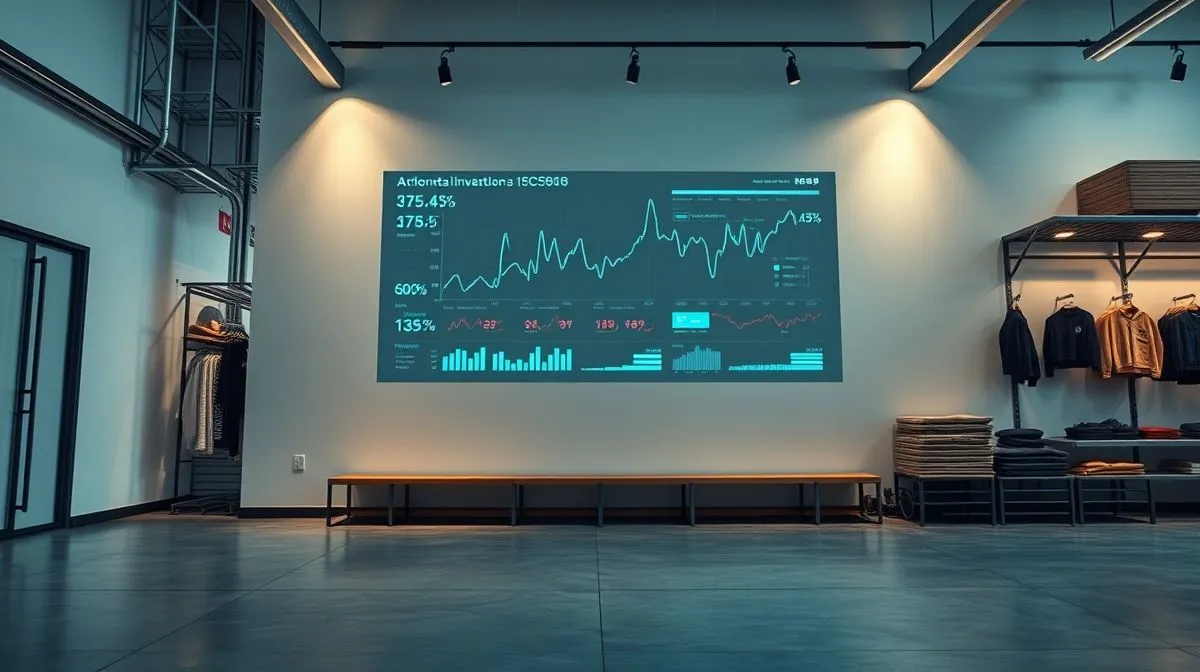
How to Forecast Hypebeast Trends for Inventory Planning?
For over two decades in the dynamic world of streetwear, I've seen countless retailers ride the wave of hype to astronomical success, only to crash and burn months later, buried under mountains of dead stock. It's a brutal cycle: an initial burst of excitement, followed by frantic over-ordering, and then the painful realization that yesterday's 'must-have' is today's markdown.
The unique, often chaotic nature of hypebeast culture – driven by scarcity, celebrity co-signs, and fleeting digital buzz – makes traditional inventory forecasting models feel utterly inadequate. You're not just selling clothes; you're selling moments, cultural currency, and often, a ticket to exclusivity. Misjudge the moment, and your capital is tied up in goods nobody wants, while your competitors are already profiting from the next big thing.
In this definitive guide, I'll pull back the curtain on the strategies and frameworks I've cultivated over years of trial and error, working with some of the biggest names and most agile independents in the streetwear game. You'll learn not just to react to trends, but to anticipate them, giving you the critical edge needed to forecast hypebeast trends for inventory planning with precision and confidence.
The Volatile Landscape: Why Traditional Forecasting Fails Streetwear
Let's be blunt: the traditional retail forecasting playbook, built on historical sales data and seasonal patterns, is largely useless in the hypebeast sphere. Streetwear operates on a different rhythm, one dictated by 'drops,' limited editions, and the fickle winds of social media. A single Instagram post from an influential rapper can transform an obscure brand into an overnight sensation, making a product disappear from shelves in minutes. Conversely, a once-hyped item can become irrelevant just as quickly if the cultural narrative shifts.
The core challenge lies in the concept of manufactured scarcity and perceived value. Unlike staple goods, hypebeast items gain immense value from their limited availability. This creates an artificial demand curve that doesn't behave like typical consumer goods. Over-ordering destroys scarcity, devaluing the product and the brand. Under-ordering leaves money on the table and frustrates your most loyal customers.
Expert Insight: "In streetwear, demand isn't just about utility; it's about cultural cachet. That cachet can evaporate faster than you can say 'resale market.' Your forecasting must account for this inherent ephemerality."
I've seen countless businesses, even established ones, stumble because they treated a limited-edition sneaker drop like a regular seasonal apparel line. The result? Either massive missed opportunities or crippling overstock. To truly succeed, you need a multi-faceted approach that blends data science with an almost anthropological understanding of culture.
Decoding the Hype: Core Principles of Trend Spotting
Before you can forecast, you must first understand the genesis of hype. It's not random; it's a complex interplay of cultural forces, digital amplification, and strategic brand moves. My approach has always been to act like a cultural detective, piecing together clues from disparate sources.
Cultural Barometers: Music, Art, and Subcultures
The roots of streetwear are deeply embedded in music (hip-hop, punk, rave), art (graffiti, contemporary art), and skateboarding/surfing subcultures. These aren't just influences; they are often the earliest indicators of emerging trends. I always monitor:
- Music Videos & Concerts: What are artists wearing? What brands are they name-dropping?
- Art Exhibitions & Galleries: Look for emerging aesthetics, color palettes, and themes.
- Underground Events & Skate Parks: Observe authentic style, not just what's marketed.
These are the fertile grounds where trends are born, long before they hit mainstream fashion week runways.
Influencer Impact & Micro-Trends
Today's landscape means acknowledging the undeniable power of influencers. But not all influencers are created equal. Focus on:
- Micro and Nano-Influencers: Often have higher engagement and more authentic connections with niche audiences than mega-influencers. They can signal early adoption.
- Strategic Co-signs: When a major celebrity or athlete is seen in a specific piece, it's an immediate demand driver. Monitoring these moments is crucial.
It's about identifying the early adopters within influential circles, not just tracking who has the most followers.
Community Listening: Forums & Discord Servers
This is where the real gold is. Dedicated communities are hotbeds of discussion, speculation, and genuine enthusiasm. I spend significant time in places like:
- Reddit Subreddits: r/streetwear, r/sneakers, brand-specific subreddits.
- Discord Servers: Many brands and collectors have private or semi-private servers where real-time chatter about drops, upcoming releases, and brand sentiment happens.
- Specialized Forums: Older, niche forums still exist and often host the most dedicated enthusiasts.
Listening to these communities provides unparalleled insights into what people are genuinely excited about, what they're willing to pay for, and where the sentiment is shifting.
Data-Driven Demand Sensing: Beyond the Hype
While cultural intuition is vital, it must be validated and amplified by robust data. This is where you move from trend spotting to actual demand sensing – understanding not just what's cool, but how many people want it and how urgently.
Leveraging Social Listening Tools
Tools like Brandwatch, Mention, or even advanced features of Hootsuite can help you track brand mentions, sentiment, and trending keywords across social media platforms. Look for spikes in conversation around specific products, designers, or themes. Pay attention to the *velocity* of mentions, not just volume.
Analyzing Search Volume & Google Trends
Google Trends is a free, incredibly powerful tool. You can track search interest for specific brand names, product types (e.g., "oversized hoodies," "distressed denim"), or even specific colorways. A sudden spike in search volume often precedes a surge in demand. Combine this with keyword research tools to identify emerging long-tail queries related to new styles or brands.
Scrutinizing Resale Market Data (StockX, GOAT)
The secondary market for sneakers and streetwear is a goldmine. Platforms like StockX and GOAT provide real-time data on:
- Price Premiums: How much an item is selling for above retail. A high premium indicates intense demand and successful scarcity.
- Trade Volume: How many transactions are occurring. High volume signifies broad interest.
- Price History: The trajectory of an item's value over time, indicating sustained or declining hype.
This data is a direct reflection of true demand and willingness to pay, offering unparalleled foresight into future primary market performance.
Expert Insight: "The resale market isn't just for collectors; it's your most accurate real-time barometer for future primary market demand. Ignoring it is like flying blind."
Case Study: Apex Sneakers' Predictive Edge
Apex Sneakers, a mid-sized online retailer, was constantly struggling with missed drops and overstock on secondary items. Their solution? They integrated daily data feeds from StockX and GOAT into their inventory forecasting model. By analyzing the average resale premium and trade volume for comparable silhouettes and colorways from competitor drops, they could predict with surprising accuracy the likely demand for their own upcoming releases. For one highly anticipated collaboration, their model, informed by resale data, indicated demand would be 30% higher than historical sales suggested. They increased their order by 25%, sold out instantly, and saw a significant boost in customer satisfaction, avoiding the usual 'sold out in seconds' frustration while maximizing profit.
Building Your Predictive Framework: A Step-by-Step Approach
Forecasting hypebeast trends for inventory planning isn't a magic trick; it's a disciplined, iterative process. Here's a framework I've refined over the years:
- Define Your Niche & Audience: You can't chase every trend. What specific sub-genres of streetwear do you serve? Who is your core customer? Understanding their preferences and spending habits is foundational.
- Establish Your Data Streams: Beyond cultural listening, set up automated feeds for search trends, social mentions, and crucial resale market data. Consolidate this into a single dashboard for easy analysis.
- Implement Cross-Functional Collaboration: Your buying team, marketing team, and even customer service reps (who hear direct feedback) need to communicate constantly. Insights from one department can be gold for another.
- Run Small-Batch Tests & Pilots: Before committing to massive inventory, consider smaller, limited drops for new brands or experimental styles. This allows you to gauge genuine interest and refine your estimates without significant risk.
- Leverage Pre-Orders and Waitlists: For highly anticipated items, use pre-orders or 'interest check' waitlists. This provides direct, quantifiable demand signals before you even place your final order. It also builds anticipation.
- Build Agile Supply Chain Relationships: Work with suppliers who can accommodate smaller, more frequent orders or faster re-stocks if a trend explodes. Flexibility is paramount in this volatile market.
- Iterative Learning & Adjustment: Every drop, every season, provides new data. Analyze what worked, what didn't, and why. Continuously refine your models and assumptions. As Harvard Business Review often emphasizes, organizational learning is key to sustained competitive advantage.
This structured approach transforms guesswork into calculated risk, dramatically improving your inventory accuracy.
The Role of Community and Exclusivity in Forecasting
Understanding hype is not just about data; it's about understanding human psychology, particularly the desire for belonging and status. Hypebeast culture thrives on community and exclusivity. Brands don't just sell products; they sell access to a club.
As a retailer, you can tap into this. By fostering your own community – through engaging social media, exclusive email lists, or even local events – you create a loyal customer base that provides invaluable feedback. They are your early warning system for emerging trends and can even help you validate demand for upcoming releases.
Moreover, the concept of exclusivity is a double-edged sword. While it drives demand, it also means you must carefully manage supply. Over-saturating the market with an item that was meant to be exclusive can kill its hype and value almost instantly. This reinforces the need for precise, agile inventory planning rather than simply ordering more of what sells well.
Mitigating Risk: Strategies for Inventory Agility
Even with the best forecasting, the streetwear market is inherently unpredictable. Therefore, building agility into your inventory management is non-negotiable. This means having contingency plans and flexible systems.
Flexible Supply Chains & On-Demand Manufacturing
Working with manufacturers who offer lower Minimum Order Quantities (MOQs) or have faster turnaround times is crucial. Some innovative brands are even exploring on-demand or near-shore manufacturing to react to trends with unprecedented speed. This reduces lead times and minimizes the risk of being stuck with unwanted inventory.
Pre-Orders & Waitlists
I mentioned this in the framework, but it bears repeating. For high-ticket or highly anticipated items, pre-orders are a lifesaver. They provide a precise demand signal and allow you to order exactly what you need, minimizing financial risk. Waitlists, even without commitment, give you a strong indication of interest.
Dynamic Pricing & Liquidation Strategies
Sometimes, despite your best efforts, you'll have excess stock. Having a clear, pre-defined liquidation strategy is essential. This might involve:
- Timed Sales: Gradual discounts rather than immediate deep cuts.
- Bundle Deals: Pairing less popular items with popular ones.
- Secondary Market Sales: Liquidating through wholesale channels or even platforms like eBay for certain items.
- Donation/Recycling: As a last resort, responsible disposal.
As retail expert Doug Stephens often emphasizes, the goal is not just to sell, but to sell profitably and efficiently, even when things don't go as planned. Having these strategies in place ensures you can recover capital quickly and pivot to the next opportunity.
Leveraging AI & Machine Learning in Streetwear Forecasting
The future of how to forecast hypebeast trends for inventory planning will increasingly involve artificial intelligence and machine learning. These technologies can process vast amounts of data – social media sentiment, search trends, resale market fluctuations, news articles, even weather patterns – at speeds and scales impossible for humans.
AI can identify subtle correlations and emerging patterns that might be missed by manual analysis, potentially predicting the rise of micro-trends before they go mainstream. Machine learning algorithms can continuously learn from past performance, refining their predictions with each successful or unsuccessful drop.
While still in its nascent stages for this hyper-specific niche, several companies are developing AI-driven solutions for fashion trend forecasting. Expect these tools to become more sophisticated and accessible, offering a powerful complement to human intuition and cultural expertise. However, it's crucial to remember that AI is a tool; it still requires human oversight and strategic direction.
Cultivating an Expert Team: Your Human Advantage
No amount of data or AI can replace the insights of a truly skilled, passionate team. To effectively forecast hypebeast trends for inventory planning, you need:
- Cultural Anthropologists: Individuals deeply immersed in streetwear culture, who understand its nuances and can spot emerging aesthetics.
- Data Scientists/Analysts: People who can build and manage your data pipelines, interpret complex datasets, and identify actionable insights.
- Agile Buyers/Planners: Professionals who can make quick, informed decisions and adapt to rapidly changing market conditions.
Invest in your team's continuous learning. Send them to industry events, encourage participation in online communities, and foster an environment where insights are shared freely. Your human intelligence, combined with robust data and agile systems, is your ultimate competitive advantage.
Frequently Asked Questions (FAQ)
Question: What's the biggest mistake retailers make when trying to forecast hypebeast trends? The most common mistake I've witnessed is relying solely on historical sales data or trying to apply traditional retail forecasting models. Hypebeast trends are driven by future cultural moments and manufactured scarcity, not past performance. Another major error is failing to monitor the secondary (resale) market, which is a real-time indicator of true demand and willingness to pay.
Question: How often should I re-evaluate my forecasting model for streetwear? Given the rapid pace of streetwear, you should be re-evaluating and refining your forecasting model constantly. After every major drop, analyze your predictions versus actual sales. On a monthly or quarterly basis, conduct a deeper dive into market shifts, new influencers, and emerging micro-trends. Agility and continuous learning are key.
Question: Can small businesses compete with large retailers in forecasting hypebeast trends? Absolutely, and often they have an advantage! Small businesses are typically more agile, can make decisions faster, and often have a more authentic, direct connection with their niche community. While large retailers have more resources, they can be slower to adapt. Small businesses excel by focusing on specific niches and leveraging their community ties for insights.
Question: What role do NFTs play in future hypebeast trends and inventory? NFTs (Non-Fungible Tokens) are increasingly intertwined with hypebeast culture, often representing digital ownership of exclusive items or access to communities. While they don't directly impact physical inventory in the same way, they influence brand perception and can drive demand for physical counterparts. For forecasting, monitoring NFT drops and their community engagement can be an early signal of brand relevance and future physical product desirability.
Question: How do I balance exclusivity with meeting demand for a hyped product? This is the core tension. The key is to manage perception of scarcity. Use limited drops, staggered releases, and pre-orders to create initial exclusivity and gauge demand. For items that show sustained, overwhelming interest, consider carefully planned re-stocks that maintain quality and brand integrity, perhaps with slight variations. The goal is to maximize profit while preserving the 'specialness' of the item.
Recommended Reading
- 7 Steps to Reliably Verify Cruelty-Free Ingredient Suppliers
- Unlock Visual Comfort: How to Choose the Best Lens Coating for Computer Use
- Clean Beauty's Credibility: 7 Proven Ways to Banish Greenwashing Skepticism
- Unlock the Secret: Why Bamboo Fabric is Your Ultimate Sustainable Clothing Choice
- Best Comfort Shoes for Plantar Fasciitis Relief: Your Ultimate Guide
Key Takeaways and Final Thoughts
- Traditional forecasting methods are insufficient for the volatile hypebeast market; a multi-faceted approach is essential.
- Combine cultural intuition (music, art, subcultures, influencers, community listening) with robust data analysis (social listening, search trends, resale market).
- Build a structured, iterative predictive framework that includes defining your niche, establishing data streams, cross-functional collaboration, small-batch testing, and utilizing pre-orders.
- Cultivate an agile supply chain and have clear strategies for mitigating risk and liquidating excess stock.
- Embrace emerging technologies like AI/ML as powerful tools, but always remember the indispensable role of human expertise and a passionate team.
Forecasting hypebeast trends for inventory planning isn't just about avoiding losses; it's about unlocking massive opportunities. It's about understanding the pulse of culture, leveraging cutting-edge data, and building a truly agile operation. The market rewards the bold, the informed, and the adaptable. Go forth, anticipate the next wave, and build a thriving, future-proof streetwear business.




Your email address will not be published. Required fields are marked *