

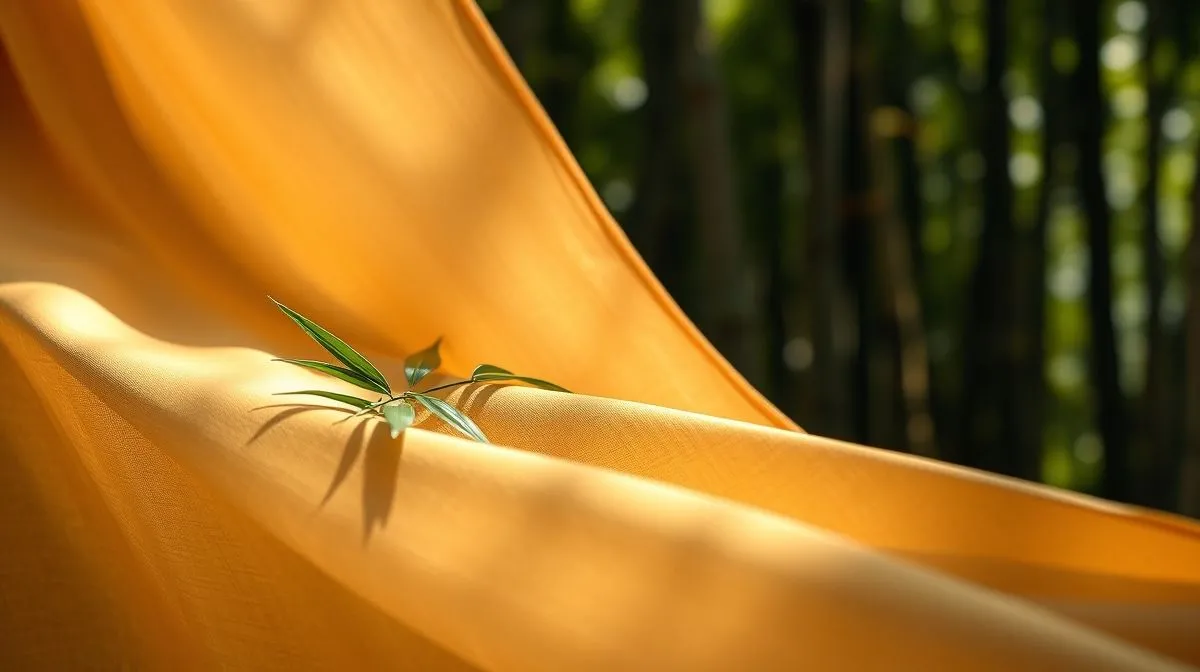
Why Choose Bamboo Fabric for Sustainable Clothing?
In an era increasingly defined by environmental consciousness, the choices we make, from the food we eat to the clothes we wear, carry significant weight. The fashion industry, historically a major contributor to pollution and resource depletion, is undergoing a profound transformation. Consumers are no longer just seeking style; they demand sustainability, ethics, and a minimal ecological footprint.
This shift has brought a crucial question to the forefront: how can we dress responsibly without compromising on comfort, durability, or aesthetics? Traditional fabrics often come with hidden costs, from vast water consumption to pesticide use and non-biodegradable waste. The challenge lies in finding materials that align with our values and the planet's needs.
Enter bamboo fabric, a remarkable textile often hailed as a 'green' alternative that offers a compelling answer to this very dilemma. By the end of this comprehensive guide, you will understand precisely why choose bamboo fabric for sustainable clothing and how it stands out as a leading contender in the future of eco-conscious fashion, offering benefits far beyond mere environmental impact.
The Environmental Marvel of Bamboo Cultivation
Bamboo is not just a plant; it's a powerhouse of sustainable agriculture. Its unique biological properties make it an incredibly efficient and eco-friendly resource, especially when compared to conventional textile crops.
Rapid Growth and Renewable Resource
One of bamboo's most astonishing attributes is its incredible growth rate. Unlike trees that take decades to mature, bamboo can grow several feet a day, reaching full maturity in just 3-5 years. This rapid regeneration means it can be harvested frequently without depleting natural resources, making it an endlessly renewable resource.
- Bamboo requires no replanting after harvest; it regenerates from its own root system.
- Its prolific growth allows for high yields on relatively small land areas.
- This reduces the pressure on land use and deforestation.
Minimal Water and Pesticide Requirements
Cultivating bamboo is remarkably low-impact. It thrives naturally without the need for extensive irrigation, relying mostly on rainfall. This is a stark contrast to cotton, which is notoriously water-intensive. Furthermore, bamboo possesses a natural bio-agent called 'bamboo kun,' which makes it inherently pest-resistant. This eliminates the need for harmful pesticides and herbicides, protecting ecosystems and agricultural workers.
Soil Health and Carbon Sequestration
Bamboo's extensive root system plays a vital role in preventing soil erosion, especially on sloped terrains. It helps stabilize soil, preventing runoff and preserving biodiversity. More impressively, bamboo is a voracious absorber of carbon dioxide. Studies suggest that bamboo forests can absorb significantly more CO2 than an equivalent area of timber forest, and produce more oxygen, making it a powerful tool in combating climate change. For instance, a study published in the journal Forest Ecology and Management highlights bamboo's exceptional carbon sequestration capabilities. Learn more about forest ecology here.
Beyond Sustainability: The Unmatched Comfort of Bamboo Fabric
While its environmental credentials are compelling, bamboo fabric's appeal extends to its extraordinary comfort. It offers a luxurious feel and performance benefits that rival, and often surpass, many traditional textiles.
Luxurious Softness and Drape
Bamboo fabric is renowned for its incredibly soft, silky texture, often compared to cashmere or silk. This inherent softness makes it exceptionally gentle against the skin, providing a level of comfort that is hard to match. Its natural drape also gives clothing an elegant, flowing silhouette.
- The smooth, round fibers minimize skin irritation.
- Ideal for sensitive skin and those prone to allergies.
- Provides a feeling of natural luxury and comfort.
Breathability and Temperature Regulation
Thanks to its microscopic holes and gaps in the fiber structure, bamboo fabric is highly breathable. This allows for excellent air circulation, keeping the wearer cool and comfortable in warm weather. Conversely, in colder conditions, these micro-gaps trap warm air, providing insulation. This natural temperature regulation makes bamboo clothing suitable for all seasons.
Hypoallergenic and Anti-bacterial Properties
The 'bamboo kun' bio-agent that protects the plant from pests also translates into the fabric, giving it natural anti-bacterial and anti-fungal properties. This means bamboo clothing can resist odor-causing bacteria, staying fresher for longer. Furthermore, its natural composition makes it hypoallergenic, reducing the risk of allergic reactions and skin irritations, making it a preferred choice for those with sensitive skin or conditions like eczema.
Durability and Versatility in Sustainable Clothing
When considering sustainable clothing, longevity is key. A garment that lasts longer reduces the need for frequent replacement, thereby decreasing overall consumption and waste. Bamboo fabric excels in this aspect, offering impressive durability and adaptability for various apparel needs.
Strength and Longevity
Despite its soft feel, bamboo fiber is remarkably strong and durable. It holds up well to wear and tear, maintaining its integrity even after numerous washes. This inherent strength contributes to the longevity of bamboo garments, making them a wise investment for a sustainable wardrobe. It resists pilling and maintains its shape better than many other natural fibers.
Color Retention and Easy Care
Bamboo fabric has excellent dye uptake, meaning it holds colors vibrantly and resists fading over time. This ensures that your bamboo clothing retains its aesthetic appeal for longer. Furthermore, it is relatively easy to care for, often requiring only a cold machine wash and line drying, which also contributes to energy savings and reduced environmental impact.
Applications Across Apparel
The versatility of bamboo fabric allows it to be used in a wide range of clothing items. From soft loungewear and comfortable underwear to high-performance activewear and stylish everyday apparel, bamboo's unique properties make it suitable for virtually any garment. Its moisture-wicking and breathable qualities are particularly prized in athletic wear, while its softness makes it ideal for sleepwear and baby clothing.
Understanding the Production Process: Bamboo Viscose vs. Lyocell
While bamboo as a plant is undeniably sustainable, the sustainability of the fabric itself depends heavily on the manufacturing process. It's crucial to understand the distinctions between different methods to make informed choices.
The Viscose/Rayon Method: A Closer Look
The most common method for producing bamboo fabric is the viscose (or rayon) process. This involves dissolving bamboo pulp in a chemical solution to extract cellulose, which is then spun into fibers. Historically, this method has raised environmental concerns due to the use of strong chemicals like sodium hydroxide and carbon disulfide, and the potential for wastewater pollution. However, many manufacturers are now employing closed-loop systems and more responsible chemical management to mitigate these impacts, significantly improving the process's environmental footprint. Reputable brands prioritize the responsible management of chemicals and waste.
The Lyocell Method: A Greener Alternative
The lyocell process represents a significant advancement in sustainable textile production. This method uses a non-toxic, organic solvent (N-methylmorpholine N-oxide or NMMO) to dissolve the bamboo pulp. Crucially, the solvent is almost entirely recovered and reused in a closed-loop system, minimizing waste and emissions. This makes bamboo lyocell a much more environmentally friendly option, often compared to Tencel Lyocell (which uses wood pulp). It retains all the amazing properties of bamboo while offering a superior environmental profile.
Ensuring Ethical Sourcing and Production
To truly embrace sustainable clothing, consumers should look for certifications that indicate responsible production. Certifications like Oeko-Tex Standard 100 ensure that the final product is free from harmful substances. The Global Organic Textile Standard (GOTS), while primarily for organic fibers, can apply to bamboo if it's blended or if the processing meets specific organic criteria. Brands transparent about their supply chain and manufacturing processes are often the most trustworthy. Organizations like the Textile Exchange provide valuable resources on sustainable textile standards and practices.
Addressing Common Misconceptions About Bamboo Fabric
Despite its growing popularity, bamboo fabric is sometimes met with skepticism, often due to misunderstandings about its production and true environmental impact. Let's clarify some common points of confusion.
"Is it really eco-friendly if chemicals are used?"
This is a valid concern, primarily related to the viscose production process. While the traditional viscose method did involve harsh chemicals, significant advancements have been made. Modern facilities often employ closed-loop systems that recover and reuse up to 99% of the solvents, drastically reducing chemical discharge. Furthermore, the lyocell method, as discussed, is inherently more environmentally benign. The overall lifecycle impact of bamboo, considering its cultivation benefits, often still far outweighs that of many conventional fabrics, even with chemical processing. It's about choosing the best available options and supporting brands committed to cleaner production.
"Is bamboo cultivation always sustainable?"
While bamboo is a fast-growing and low-impact crop, like any agricultural product, its sustainability can be compromised by irresponsible practices. Monoculture farming, where vast areas are dedicated to a single crop, can reduce biodiversity. However, most bamboo grown for textiles is Moso bamboo, which is not the same species consumed by pandas, thus not threatening their food source. Responsible bamboo farming integrates sustainable forestry practices, ensuring biodiversity and soil health are maintained. Always seek out brands that can provide transparency regarding their sourcing practices.
Making the Switch: Integrating Bamboo into Your Wardrobe
Embracing bamboo fabric is a tangible step towards a more sustainable and comfortable lifestyle. Here’s how you can confidently incorporate this remarkable textile into your everyday choices.
Identifying Quality Bamboo Apparel
When shopping for bamboo clothing, look for clear labeling that specifies the type of bamboo fabric (e.g., bamboo viscose, bamboo lyocell). Check for certifications like Oeko-Tex Standard 100, which guarantees the absence of harmful substances. Pay attention to the fabric blend; 100% bamboo offers the most benefits, but blends with organic cotton or recycled materials can also be excellent sustainable choices. Feel the fabric – quality bamboo should feel exceptionally soft and smooth.
Care Tips for Longevity
To maximize the lifespan of your bamboo garments and maintain their luxurious feel, follow simple care instructions. Most bamboo fabric benefits from a cold water wash on a gentle cycle. Avoid harsh detergents and bleach. Line drying is ideal as it conserves energy and helps maintain the fabric's integrity; however, if using a dryer, opt for a low heat setting. Proper care ensures your sustainable clothing lasts longer, reducing your environmental footprint.
Supporting Sustainable Brands
The most impactful way to promote sustainable fashion is to support brands that prioritize ethical sourcing, environmentally friendly production methods, and fair labor practices. Research companies that are transparent about their supply chains and actively work to minimize their environmental impact. Many brands now specialize in bamboo clothing, offering a wide array of stylish and sustainable options. Your purchasing power can drive positive change in the industry.
Frequently Asked Questions (FAQ)
Is all bamboo fabric sustainable? No, the sustainability of bamboo fabric largely depends on the manufacturing process. Bamboo lyocell is generally considered the most eco-friendly method due to its closed-loop system and non-toxic solvents, while responsibly produced bamboo viscose has also significantly improved its environmental footprint. Always check for certifications.
How does bamboo fabric compare to organic cotton? Both are sustainable choices, but bamboo often surpasses organic cotton in terms of growth rate (faster), water efficiency (less irrigation needed), and natural pest resistance (no pesticides). Bamboo also offers unique properties like superior breathability and anti-bacterial qualities.
Can bamboo clothing be recycled? While the bamboo fiber itself is biodegradable, the recyclability of bamboo clothing depends on its blend and the recycling infrastructure available. 100% bamboo garments are generally biodegradable at the end of their life cycle. However, mixed fiber garments are harder to recycle through conventional means.
What's the difference between bamboo viscose and bamboo lyocell? Bamboo viscose (or rayon) uses a chemical process to break down bamboo pulp, which has historically raised environmental concerns but has improved with closed-loop systems. Bamboo lyocell uses a more environmentally friendly closed-loop process with non-toxic solvents, making it a greener alternative with minimal waste and emissions.
Recommended Reading
- AR Revolution: How is AR Changing Fashion Retail Now? The Future!
- Clean Suede Shoes Like a Pro: Avoid Ruining Them! Here's How
- Unleash Your True Self: How to Develop a Unique Personal Street Style
- Unlock the Secret: How to Properly Clean & Maintain School Uniforms for Longevity
- Unlock Peak Performance: Why Moisture-Wicking is Crucial for Activewear Comfort
Conclusion
The journey to a more sustainable wardrobe is multifaceted, but textiles like bamboo fabric offer a clear path forward. We've explored in depth why choose bamboo fabric for sustainable clothing, from its astonishing environmental benefits in cultivation – rapid growth, minimal water, and significant CO2 absorption – to its unparalleled comfort, durability, and versatility in apparel. While understanding the nuances of its production methods, particularly the distinction between viscose and lyocell, is crucial, the overall impact of responsibly produced bamboo stands out.
Embracing bamboo clothing is more than just a trend; it's a conscious decision to support a textile that aligns with ecological responsibility and personal well-being. By opting for bamboo, you're not only choosing luxurious comfort and lasting quality but also contributing to a healthier planet and a more sustainable future for fashion. Let your wardrobe be a testament to your commitment to both style and sustainability.




Your email address will not be published. Required fields are marked *