

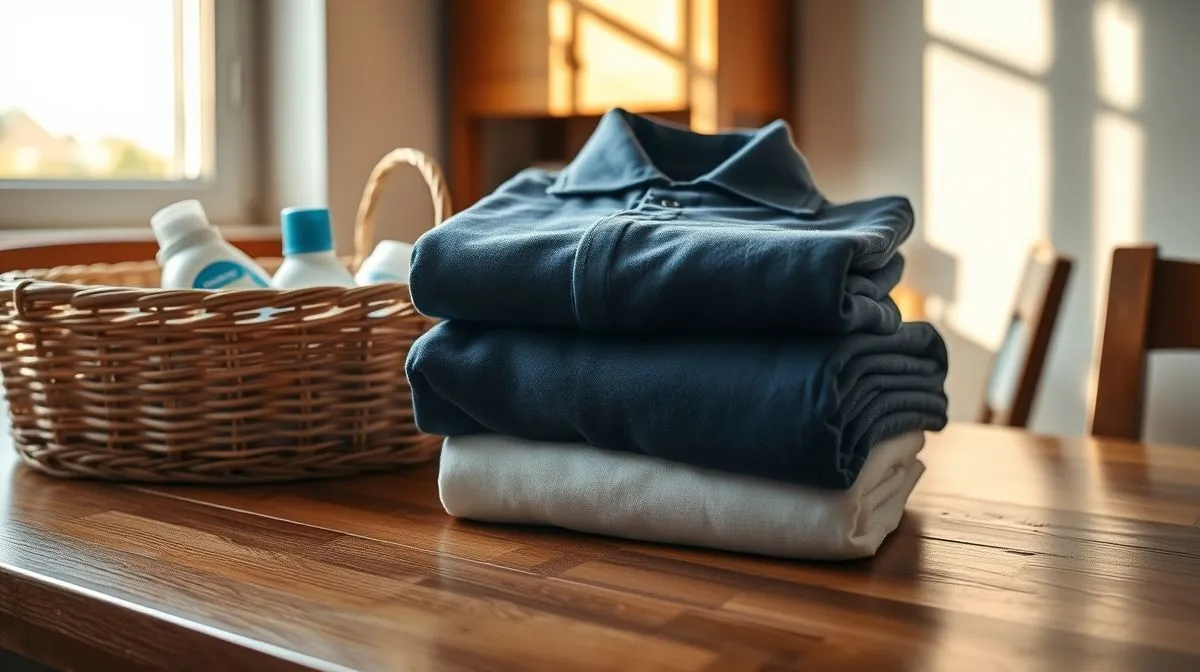
The Ultimate Guide: How to Properly Clean and Maintain School Uniforms for Longevity
Imagine the start of a new school year: fresh pencils, new books, and a crisp, pristine school uniform. It’s a symbol of belonging, discipline, and pride. But as the weeks turn into months, that crispness often gives way to stubborn stains, faded colors, and general wear and tear. Are you constantly battling to keep your child’s uniform looking presentable, or worse, finding yourself replacing items far too often?
The truth is, school uniforms endure a unique kind of daily assault—from playground adventures and lunch spills to art class mishaps and sports activities. Without a proper care regimen, these essential garments quickly lose their luster, impacting not only appearance but also your wallet. The challenge isn’t just about washing; it’s about understanding fabrics, tackling specific stains, and implementing maintenance practices that extend the life of each piece.
This comprehensive guide is your definitive resource on how to properly clean and maintain school uniforms. By the end of this reading, you will possess the expert knowledge and practical strategies to keep uniforms looking as good as new, saving you time, money, and the frustration of premature replacements. Let’s transform your uniform care routine from a chore into an art.
Understanding Your Uniform's Fabric: The First Step to Proper Care
Before you even think about throwing a uniform into the washing machine, it's crucial to understand the materials it's made from. Different fabrics react differently to water, heat, and detergents. Misunderstanding this can lead to shrinkage, color fading, or even irreversible damage.
Common Uniform Materials
- Polyester Blends: Often used for trousers, skirts, and blazers due to their durability, wrinkle resistance, and color retention. They are generally easy to care for but can be prone to static and heat damage.
- Cotton: Common in polo shirts, blouses, and some knitwear. Cotton is breathable and comfortable but can shrink if washed or dried at high temperatures, and it's more susceptible to wrinkling and staining.
- Wool/Wool Blends: Primarily found in blazers, jumpers, and some skirts. Wool is warm and durable but requires gentle care. It can shrink severely with high heat and agitation, often necessitating dry cleaning or very gentle handwashing.
- Synthetics (Nylon, Rayon, Acrylic): Used for various uniform components, offering different properties like stretch, quick-drying, or softness. Always check the care label as their specific needs vary.
Understanding these basic fabric properties will guide your washing, drying, and ironing decisions, preventing common mishaps and preserving the integrity of the garment.
Decoding Laundry Symbols: Your Uniform's Secret Language
Every uniform garment comes with a care label—a small but mighty tag filled with symbols that dictate its laundry requirements. Ignoring these symbols is one of the most common mistakes in uniform care. These symbols are standardized globally, providing instructions on washing, bleaching, drying, ironing, and professional cleaning. For a comprehensive guide to these symbols, you can refer to resources like Wikipedia's Laundry Symbol page.
- Wash Tub: Indicates washing method (hand wash, machine wash, temperature).
- Triangle: Pertains to bleaching instructions.
- Square: Relates to drying methods (tumble dry, line dry).
- Iron: Specifies ironing temperature and whether ironing is allowed.
- Circle: Denotes professional dry cleaning instructions.
Always take a moment to read and understand these symbols before the first wash. They are your uniform’s instruction manual for a reason.
Pre-Treatment and Stain Removal: Battling the Daily Grime
Stains are an inevitable part of school life. The key to successful stain removal and maintaining a pristine uniform lies in prompt action and the right technique. A stain that sets can be much harder, if not impossible, to remove later.
Immediate Action is Key
Have you ever watched a child spill juice on their white shirt and thought, “Oh no, that’s going to be impossible to get out!”? The truth is, the longer a stain sits, the more it bonds with the fabric fibers. As a senior writer and content SEO specialist, I’ve learned that immediate action is not just a tip, but a fundamental principle in textile care. Blot (don’t rub!) the stain with a clean cloth, paper towel, or even a napkin to absorb as much of the offending substance as possible. Then, as soon as possible, apply a pre-treatment.
Common Stain Types and Solutions
Different stains require different approaches. Here’s a quick guide:
- Food Stains (Grease, Ketchup, Chocolate): For grease, sprinkle cornstarch or baking soda to absorb the oil, then pre-treat with a dish soap or a dedicated grease stain remover. For ketchup and chocolate, rinse with cold water from the back of the fabric, then apply a liquid laundry detergent or stain remover.
- Ink Stains: Place a paper towel under the stain and dab with rubbing alcohol or hand sanitizer. Replace the paper towel frequently as the ink transfers. Rinse thoroughly before washing.
- Grass and Mud Stains: Allow mud to dry completely and then brush off as much as possible. For grass, pre-treat with an enzyme-based stain remover or a paste of laundry detergent and water, then scrub gently with an old toothbrush.
- Sweat Stains: Often appear as yellowing in armpits. Create a paste of baking soda and water or use a mixture of white vinegar and water. Apply, let sit for 30 minutes, then wash.
- Blood Stains: Always use cold water. Rinse immediately. Apply hydrogen peroxide or a specialized blood stain remover.
Gentle vs. Harsh Treatments
While powerful stain removers can be tempting, always consider the fabric. For delicate materials like wool or silk, opt for gentler, natural solutions or specific delicate fabric stain removers. Always test any new stain remover on an inconspicuous area of the uniform first to ensure it doesn't cause discoloration or damage. Remember, patience and gentle persistence are more effective than aggressive scrubbing, which can damage fibers.
The Washing Process: From Sort to Cycle
The actual washing machine cycle is where uniforms get their deep clean. However, a successful wash depends heavily on the preparation steps taken beforehand.
Sorting by Color and Fabric Type
This might seem basic, but it's fundamental. Washing whites with colors is a recipe for disaster, leading to dull whites and faded colors. Similarly, mixing heavy denim with delicate blouses can cause abrasion and damage. Separate uniforms into:
- Whites: For white shirts, blouses, and socks.
- Lights: Pastels or very light-colored uniforms.
- Darks: Navy, black, dark grey, and other deep colors.
- Delicates: Any items that require a gentle cycle or handwashing (e.g., specific knitwear, items with intricate details).
Consider also separating heavily soiled items from lightly soiled ones to prevent dirt from redepositing onto cleaner clothes.
Choosing the Right Detergent and Water Temperature
The right detergent can make a significant difference. High-efficiency (HE) detergents are formulated to work with less water and are suitable for HE machines. For specific needs:
- For Whites: A detergent with optical brighteners or a touch of bleach (if fabric allows) will keep whites crisp. Use warm or hot water, where permissible, for optimal cleaning and sanitization.
- For Colors: Use a color-safe detergent, preferably one designed for cold water washing. Cold water helps prevent colors from bleeding and fading, making it ideal for most colored school uniforms.
- For Delicates/Wool: Use a mild, pH-neutral detergent specifically designed for delicate fabrics or wool. Cold water is almost always recommended to prevent shrinkage.
Always avoid overloading the washing machine. Clothes need space to agitate and rinse properly. An overloaded machine won't clean effectively and can put strain on the appliance. According to appliance manufacturers, leaving enough space for your hand to fit comfortably above the clothes is a good rule of thumb.
The Art of Handwashing Delicate Items
Some uniform items, like wool blazers or certain knit sweaters, are best handwashed. This method offers the most control and gentleness.
- Fill a clean basin or tub with cool or lukewarm water.
- Add a small amount of mild, delicate-specific detergent.
- Submerge the item and gently swish it around. Avoid scrubbing or twisting.
- Let it soak for 10-15 minutes.
- Drain the soapy water and refill with clean, cool water for rinsing. Gently press the water through the fabric until all soap is gone.
- Do not wring. Gently squeeze out excess water, then roll the item in a clean towel to absorb more moisture before air drying.
Drying and Ironing: The Finishing Touches
After a thorough wash, proper drying and ironing are crucial for maintaining the uniform's shape, preventing wrinkles, and ensuring it's ready for the next school day.
The Dangers of Over-Drying and High Heat
Tumble dryers are convenient, but they can be a uniform's worst enemy if used incorrectly. High heat can cause shrinkage, especially in cotton and wool blends. It can also break down elastic fibers, lead to pilling, and set in wrinkles, making ironing harder. Over-drying, even on low heat, can make fabrics brittle and prone to static cling.
Air Drying vs. Machine Drying: Choosing Wisely
For most school uniforms, air drying is the gentlest and most recommended method. It conserves energy, prevents shrinkage, and extends the life of the fabric.
- Air Drying: Hang shirts, blouses, and trousers on hangers. Lay knitwear flat on a clean, dry surface to prevent stretching. Ensure good air circulation and avoid direct sunlight for colored items to prevent fading.
- Machine Drying: If using a dryer, opt for the lowest heat setting or an “air fluff” cycle. Remove items while they are still slightly damp to minimize wrinkles and over-drying. For items like socks or underwear, a regular heat setting is usually fine.
Ironing Techniques for Different Fabrics
Ironing restores a uniform's crisp, professional look. Always check the care label for recommended iron temperatures.
- Cotton: Iron when slightly damp on a medium-high setting. Use steam for stubborn wrinkles.
- Polyester Blends: Iron on a low-to-medium setting with a pressing cloth to prevent scorching or melting. Polyester can easily develop a 'shine' if ironed directly with too much heat.
- Wool/Wool Blends: Use a low setting with steam. Always use a pressing cloth and avoid direct contact with the iron to prevent scorching and unwanted shine.
- Synthetics: Use the lowest possible heat setting and a pressing cloth. Many synthetics are wrinkle-resistant and may not require ironing at all.
For best results, iron uniform items inside out to protect the outer surface, especially for darker colors which can show iron marks more easily.
Long-Term Maintenance and Storage: Extending Uniform Life
Proper cleaning is just one part of the equation when learning how to properly clean and maintain school uniforms. Long-term maintenance and smart storage are equally vital for maximizing their lifespan and keeping them ready for wear.
Repairing Minor Wear and Tear
Don't wait for a small tear to become a big hole or a loose button to disappear. Addressing minor issues promptly can save you from costly replacements.
- Loose Buttons: Re-sew them immediately. Keep a small sewing kit handy for quick fixes.
- Small Tears or Seams: Hand-stitch small tears with matching thread. For more significant damage, consider iron-on patches or professional tailoring.
- Frayed Hems: Re-hem trousers or skirts to prevent further fraying.
These small acts of repair not only extend the life of the garment but also teach children the value of caring for their belongings.
Seasonal Storage Best Practices
When uniforms are not in daily use, such as during school breaks or summer holidays, proper storage is essential to prevent damage, mildew, or insect infestations.
- Clean Before Storing: Always wash and thoroughly dry uniforms before putting them away. Any residual dirt, sweat, or moisture can attract pests and lead to mildew.
- Use Breathable Covers: Store blazers and other structured items in breathable garment bags, not plastic ones, which can trap moisture.
- Cool, Dry Place: Store uniforms in a cool, dry, dark place, away from direct sunlight or humidity, which can cause fading or mildew.
- Cedar or Lavender: Place cedar blocks or sachets of dried lavender in storage areas to naturally deter moths and other pests.
The Impact of Proper Care on Sustainability
Beyond saving money, extending the life of school uniforms through proper care is a significant step towards sustainability. The fashion industry, including uniform manufacturing, has a substantial environmental footprint. By making uniforms last longer, you contribute to reducing textile waste and the demand for new production. This aligns with broader efforts towards a circular economy where resources are used more efficiently. Organizations like the Ellen MacArthur Foundation advocate for such practices in the textile industry.
Common Mistakes to Avoid in Uniform Care
Even with the best intentions, certain habits can undermine your efforts to maintain school uniforms. Avoiding these common pitfalls will significantly improve your uniform care routine.
Overloading the Washing Machine
It's tempting to cram as many items as possible into one load to save time and water. However, an overloaded machine doesn't clean effectively. Clothes need space to agitate, allowing detergent and water to circulate properly and rinse away dirt. Overloading can also strain your washing machine and lead to excessive wrinkling.
Ignoring Care Labels
As discussed, care labels are your uniform's instruction manual. Washing a 'dry clean only' blazer or a 'hand wash' sweater in a hot machine cycle can lead to irreversible shrinkage or damage. Always take a moment to read and follow these crucial guidelines.
Using Too Much Detergent
More detergent doesn't equate to cleaner clothes. Excessive detergent can leave residue on fabrics, attracting more dirt, causing skin irritation, and even leading to a musty smell in your washing machine. Use the recommended amount for your load size and water hardness.
Bleaching Colored Uniforms
Bleach is excellent for keeping whites bright, but it's detrimental to colored fabrics, causing irreversible fading or unsightly spots. Always use a color-safe bleach alternative or oxygen bleach for colors, if needed, and only if the care label permits.
Eco-Friendly Uniform Care: A Sustainable Approach
Caring for school uniforms can also be an opportunity to embrace more environmentally friendly practices. Small changes in your routine can make a big difference for the planet.
Water and Energy Conservation
- Full Loads: Run your washing machine only when you have a full load to maximize water and energy efficiency.
- Cold Water Washing: Use cold water whenever possible. Modern detergents are highly effective in cold water, and heating water accounts for a significant portion of a washing machine's energy consumption.
- Air Drying: As mentioned, air drying clothes reduces energy consumption significantly compared to using a tumble dryer.
Biodegradable Detergents
Many conventional detergents contain phosphates and other chemicals that can harm aquatic ecosystems. Opt for biodegradable, plant-based detergents that are gentler on the environment. Look for certifications that indicate eco-friendliness.
Natural Stain Removers
Vinegar, baking soda, and lemon juice are powerful, natural alternatives for many stains and odors. For instance, a mix of white vinegar and water can act as a fabric softener and odor neutralizer, while baking soda is excellent for absorbing grease and odors.
Frequently Asked Questions (FAQ)
How often should school uniforms be washed? Daily wear items like shirts and socks should ideally be washed after each use. Trousers, skirts, and jumpers can often be worn a few times before washing, depending on activity level and visible soiling. Blazers and coats require less frequent cleaning, often just a few times a term or when visibly dirty.
Can I use bleach on white school uniforms? Yes, for pure white cotton or linen uniforms, diluted chlorine bleach can be used. However, always check the care label to ensure it's not a blend that would be damaged, and never use it on colored parts of the uniform. For most other fabrics, an oxygen-based bleach is a safer alternative.
What's the best way to remove ink stains from a uniform? For fresh ink stains, place a paper towel under the stain and dab with rubbing alcohol, hand sanitizer, or hairspray. The alcohol helps dissolve the ink. Continue dabbing and replacing the paper towel until no more ink transfers, then rinse thoroughly and wash.
How do I prevent uniform colors from fading? To prevent fading, wash colored uniforms in cold water, turn them inside out before washing, use a color-safe detergent, avoid excessive heat in the dryer, and air dry out of direct sunlight. Adding a cup of white vinegar to the rinse cycle can also help set colors.
Is it better to air dry or machine dry uniforms? Air drying is generally better for uniforms as it's gentler on fabrics, prevents shrinkage, saves energy, and extends the life of the garment. Machine drying, especially with high heat, can damage fibers, cause pilling, and lead to premature wear. Use machine drying only when necessary and on the lowest heat setting.
Recommended Reading
- Unleash Your Style: How to Incorporate Bold Prints into Streetwear Outfits
- Style a Pearl Necklace Everyday? The Ultimate Style Guide!
- Best Leggings for Sweaty Workouts: Ultimate Comfort & Performance
- Dazzle on Your Day: Choosing the Best Jewelry for Strapless Dresses
- Iconic Haute Couture Houses: Unveiling the Secrets & History!
Conclusion
Mastering how to properly clean and maintain school uniforms is more than just a chore; it's an investment in their longevity, appearance, and ultimately, your peace of mind. By understanding fabric types, acting promptly on stains, employing correct washing and drying techniques, and practicing proactive maintenance, you can keep uniforms looking sharp, term after term. Embrace these expert tips, and you’ll not only save money on replacements but also instill valuable lessons in care and responsibility. Your child’s uniform is a statement—let it be a statement of pride, neatness, and durability.




Your email address will not be published. Required fields are marked *