

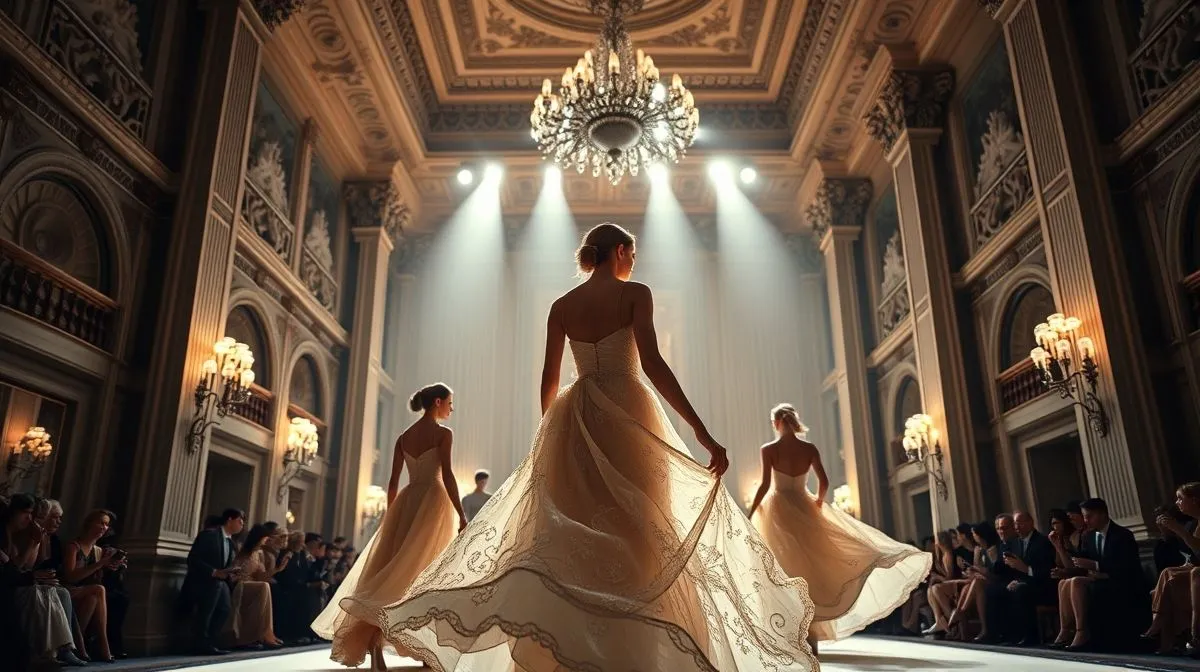
Iconic Haute Couture Houses History: A Journey Through Time
Ever wondered how the world's most glamorous fashion houses came to be? How did these bastions of style rise from humble beginnings to become the empires they are today? The story of haute couture is a tapestry woven with threads of artistry, innovation, and relentless dedication.
This article delves into the captivating history of iconic haute couture houses, tracing their origins and exploring the creative forces that shaped their destinies. We'll uncover the secrets behind their enduring appeal and the pivotal moments that cemented their place in fashion history.
By the end of this journey, you'll have a deep understanding of the evolution of haute couture, the key players who revolutionized the industry, and the lasting impact of these legendary houses on the world of fashion. Prepare to be inspired by the stories of visionaries who dared to dream and redefined the boundaries of style.
The Birth of Haute Couture: A Parisian Affair
Charles Frederick Worth: The Father of Haute Couture
The story of haute couture begins in the mid-19th century with Charles Frederick Worth, an English designer who revolutionized the fashion industry in Paris. Worth is widely regarded as the father of haute couture for his innovative approach to design and marketing.
- He was the first to create seasonal collections, showcasing his designs on live models.
- He allowed clients to choose fabrics, colors, and embellishments, offering a personalized experience.
- He branded his creations with labels, establishing a distinct identity for his house.
Worth's success attracted royalty and high society, solidifying Paris as the center of the fashion world. His legacy continues to inspire designers today.
The Golden Age: Glamour and Innovation
The Rise of Chanel: Liberating Women's Fashion
In the early 20th century, Gabrielle "Coco" Chanel emerged as a force to be reckoned with. She challenged traditional silhouettes and introduced a new era of comfort and practicality. Chanel's designs were revolutionary for their simplicity and elegance.
- She popularized jersey fabric, which was previously used only for men's underwear.
- She created the iconic little black dress, a timeless staple in every woman's wardrobe.
- She launched the Chanel No. 5 perfume, which remains one of the best-selling fragrances in the world.
Chanel's influence extended beyond fashion. She empowered women to embrace their individuality and break free from societal constraints. Her legacy as a trailblazer continues to resonate today. According to an article on the history of Chanel on Wikipedia, her impact is still felt in the fashion industry today Learn more here.
Christian Dior: The New Look and Post-War Optimism
After World War II, Christian Dior introduced "The New Look," a collection that epitomized post-war optimism and glamour. Dior's designs featured full skirts, cinched waists, and soft, feminine lines. The New Look was a stark contrast to the austere styles of the war years and signaled a return to elegance and luxury.
- His designs revitalized the French fashion industry and re-established Paris as the fashion capital.
- He created a vast network of licensees, expanding his brand globally.
- He established a distinct brand identity, associated with sophistication and timeless beauty.
Dior's impact on fashion was profound. He not only created beautiful clothes but also built a global empire. His legacy continues to inspire designers and fashion enthusiasts worldwide.
Expanding Horizons: New Voices and Global Influence
Yves Saint Laurent: The Rebel of Haute Couture
Yves Saint Laurent, who took over Dior's house after his death, quickly established himself as a visionary designer. He challenged conventions and embraced a more youthful and rebellious aesthetic. Saint Laurent's designs were known for their innovation and social commentary.
- He introduced the Le Smoking tuxedo suit for women, blurring the lines between masculine and feminine styles.
- He drew inspiration from diverse cultures and art movements, creating eclectic and groundbreaking collections.
- He democratized fashion by launching a ready-to-wear line, making his designs accessible to a wider audience.
Saint Laurent's legacy as a rebel and innovator continues to inspire designers to push boundaries and challenge the status quo. His influence can be seen in contemporary fashion trends and his impact is still felt today, as noted in a biography of Saint Laurent on Biography.com Read more about his life.
Givenchy: Elegance and Timelessness
Hubert de Givenchy founded his eponymous house in 1952, known for its elegance and timelessness. His designs were favored by actresses such as Audrey Hepburn, who became a muse and close friend. Givenchy's style was characterized by clean lines, sophisticated silhouettes, and impeccable tailoring.
- He created iconic looks for Audrey Hepburn in films such as "Breakfast at Tiffany's" and "Sabrina."
- He maintained a consistent aesthetic, focusing on classic elegance rather than fleeting trends.
- His designs embodied a sense of effortless chic, appealing to women of all ages.
Givenchy's legacy as a master of elegance continues to influence designers who strive to create timeless and sophisticated garments. His designs remain relevant and continue to be admired for their enduring beauty.
The Modern Era: Challenges and Transformations
The Evolution of Haute Couture in the 21st Century
The landscape of haute couture has changed dramatically in the 21st century. The rise of ready-to-wear, the globalization of fashion, and the increasing demand for fast fashion have presented challenges to the traditional haute couture model. However, these iconic houses have adapted and evolved to remain relevant.
- They have embraced technology, using digital platforms to showcase their collections and engage with customers.
- They have collaborated with artists and designers from other fields, creating innovative and cross-disciplinary projects.
- They have focused on sustainability and ethical practices, responding to the growing demand for responsible fashion.
Despite the challenges, haute couture continues to thrive as a symbol of artistry, craftsmanship, and luxury. These houses represent the pinnacle of fashion design and continue to inspire creativity and innovation.
Maintaining Heritage in a Fast-Paced World
One of the biggest challenges for iconic haute couture houses is balancing tradition with innovation. They must maintain their heritage and brand identity while also adapting to the changing tastes and demands of the modern consumer. This requires a delicate balance of honoring the past and embracing the future. Many houses are exploring new ways to engage customers using digital channels, as detailed in a report by McKinsey on the state of fashion Read the McKinsey Report.
- They are reinterpreting classic designs in modern ways, appealing to a new generation of customers.
- They are investing in craftsmanship and artisanal techniques, preserving the skills and traditions of haute couture.
- They are telling their stories through compelling narratives, connecting with customers on an emotional level.
By embracing innovation while staying true to their roots, these houses can ensure their legacy for generations to come.
Frequently Asked Questions (FAQ)
What is the difference between haute couture and prêt-à-porter? Haute couture refers to custom-made, high-fashion clothing created by leading designers. Prêt-à-porter, or ready-to-wear, is mass-produced clothing sold in standard sizes.
How does a fashion house become recognized as haute couture? To be recognized as a haute couture house by the French Ministry of Industry, a designer must meet specific criteria, including having a workshop in Paris, employing a certain number of artisans, and presenting a collection of original designs twice a year.
Why is haute couture so expensive? The high cost of haute couture reflects the extensive labor, exquisite materials, and exceptional craftsmanship involved in creating each garment. Each piece is custom-made and requires hundreds of hours of work by skilled artisans.
Are haute couture houses still relevant today? Yes, haute couture houses continue to be relevant as symbols of artistry, craftsmanship, and luxury. They inspire creativity and innovation in the fashion industry, and their designs often influence ready-to-wear trends.
What are some of the most important contributions of haute couture to fashion? Haute couture has contributed numerous innovations to fashion, including new silhouettes, fabrics, and techniques. It has also played a crucial role in shaping the image of Paris as the fashion capital of the world.
Recommended Reading
- How Does Smart Clothing Track Fitness Data? The Ultimate Guide
- Clean Vintage Beaded Purses Safely: The Ultimate Care Guide
- Broadway Costume Design: The Ultimate Guide to Stage Magic!
- Best Affordable Ethical Clothing Brands for Women: Top Choices!
- Effortless Style: Comfortable Everyday Outfits for Busy Moms
Conclusion
The history of iconic haute couture houses is a testament to the power of creativity, innovation, and craftsmanship. From the pioneering spirit of Charles Frederick Worth to the revolutionary designs of Coco Chanel and the timeless elegance of Christian Dior, these houses have shaped the course of fashion history. While the industry continues to evolve, the legacy of these iconic institutions remains a source of inspiration and a reminder of the enduring allure of haute couture. By understanding the history of these houses, we gain a deeper appreciation for the artistry and dedication that goes into creating truly exceptional garments. Explore the resources available from the Council of Fashion Designers of America for more information about modern designers and their influence Visit CFDA.com.


Your email address will not be published. Required fields are marked *