

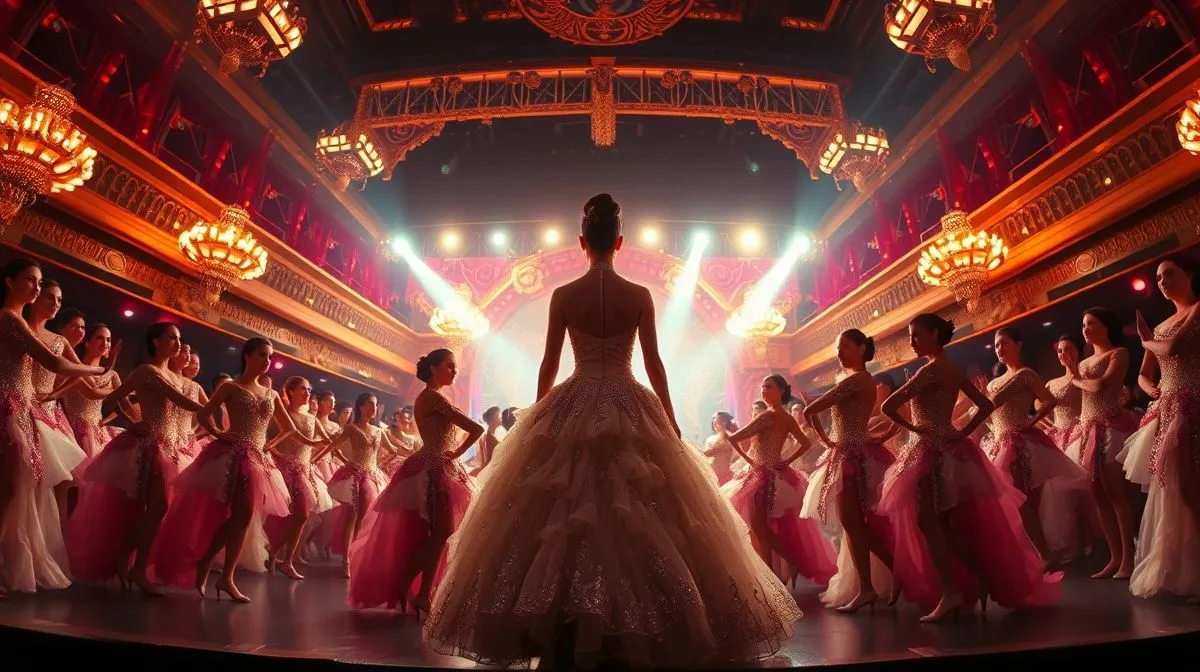
Stage Costume Design for a Broadway Musical: A World of Imagination
Ever wondered what it takes to bring characters to life on a Broadway stage, not just through acting and singing, but through the very clothes they wear? How do designers transform actors into believable figures, capable of captivating audiences night after night?
The problem is that creating costumes for a Broadway musical is far more complex than simply sewing fabric together. It's a multifaceted art form that demands creativity, technical skill, historical knowledge, and a deep understanding of storytelling.
In this comprehensive guide, we'll explore the fascinating world of stage costume design for a Broadway musical. You'll learn about the entire design process, from initial concept to final fitting, and discover the crucial role costumes play in shaping the audience's experience.
The Costume Designer's Vision
The costume designer is the visionary behind the show's visual identity. They collaborate closely with the director, set designer, lighting designer, and choreographer to create a cohesive and compelling world on stage.
Understanding the Script and Characters
The first step is always understanding the script. The designer must analyze the characters' personalities, motivations, and relationships, as well as the play's historical context, themes, and overall tone. This deep dive informs every design decision.
Research and Inspiration
Extensive research is crucial. This might involve studying historical fashion, art, architecture, and social customs relevant to the play's setting. Inspiration can come from anywhere – a painting, a photograph, a piece of music, or even a dream.
Creating Costume Sketches and Renderings
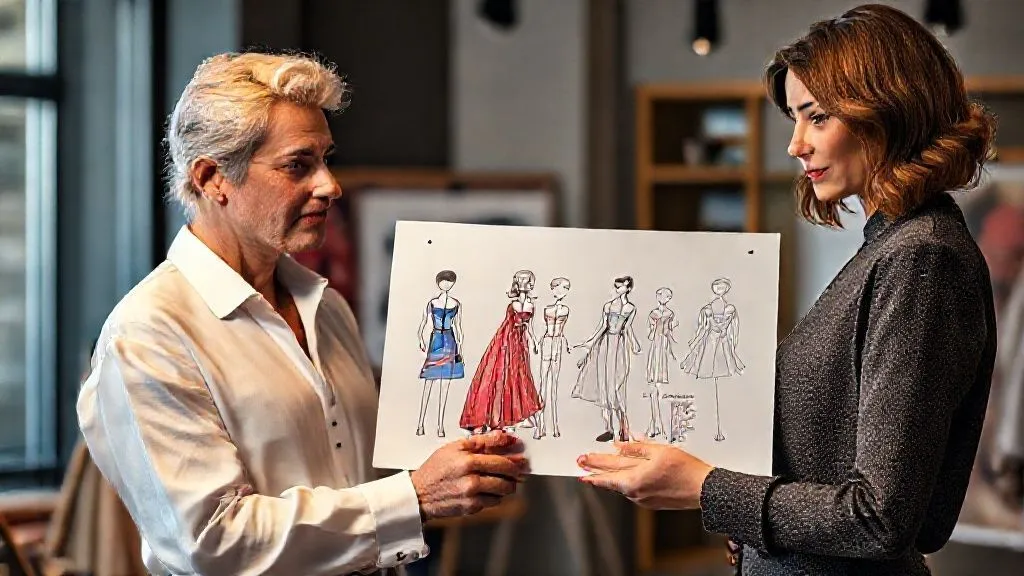
Once the research is complete, the designer begins to develop costume sketches and renderings. These are detailed drawings or paintings that illustrate the design for each character. Renderings typically include fabric swatches and notes on color, texture, and construction details. According to the Encyclopedia Britannica, costume design is a vital part of the theatrical arts.
The Costume Design Process: From Concept to Creation
The journey from initial sketch to finished costume is a complex and collaborative process involving many skilled artisans.
Fabric Selection and Sourcing
Choosing the right fabrics is essential. The designer must consider the fabric's drape, texture, weight, color, and durability. They also need to ensure that the fabrics are suitable for the stage lighting and movement. Sourcing fabrics can involve trips to fabric stores, vintage shops, and even international suppliers.
Pattern Making and Draping
Once the fabrics are chosen, the pattern maker creates patterns based on the designer's sketches and the actors' measurements. Draping involves manipulating fabric directly on a dress form to create the desired shape and silhouette.
Construction and Fitting
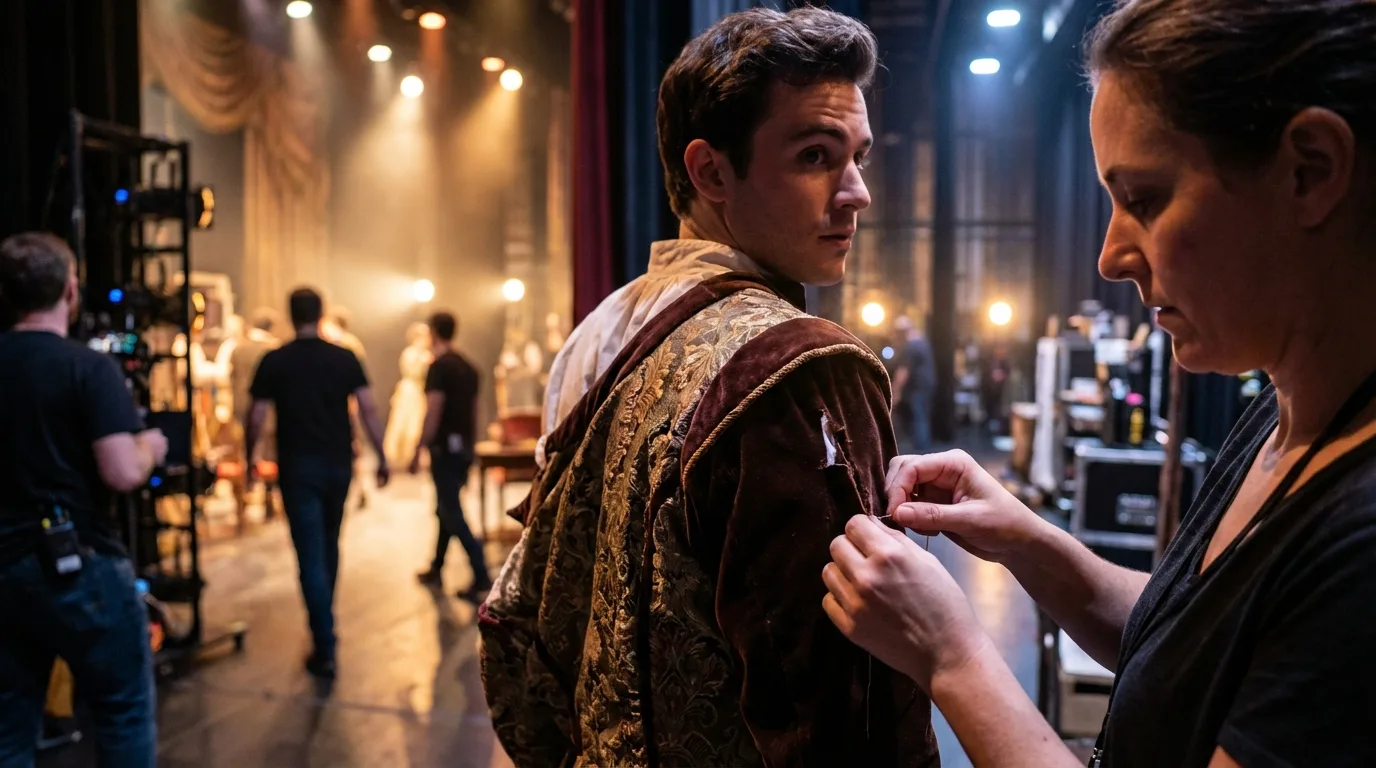
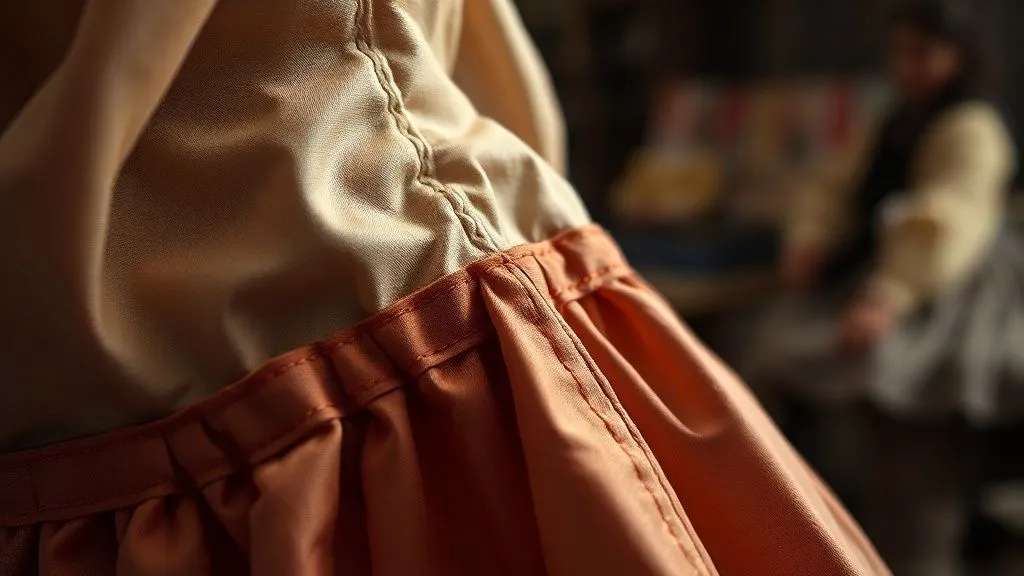
The costume construction team, which includes stitchers, tailors, and milliners, brings the designs to life. Each costume is carefully constructed to ensure a perfect fit and maximum comfort for the actor. Multiple fittings are necessary to make adjustments and ensure that the costume moves well on stage.
Alterations and Final Touches
Even after construction, costumes often require alterations. Hems might need to be adjusted, seams might need to be taken in or let out, and embellishments might need to be added. The final step is adding accessories, such as hats, shoes, jewelry, and props.
The Importance of Costume in Storytelling
Costumes are not merely decorative; they are powerful tools for storytelling. They can reveal a character's personality, social status, and emotional state. They can also help to establish the play's setting, time period, and mood.
Character Development
A well-designed costume can instantly communicate a character's essence to the audience. For example, a character in a tattered and stained costume might be portrayed as poor, desperate, or even villainous, while a character in a lavishly embroidered gown might be seen as wealthy and powerful.
Setting the Scene
Costumes can also help to establish the play's setting and time period. Accurate historical costumes can transport the audience to another era, while stylized costumes can create a fantastical or otherworldly atmosphere.
Enhancing the Mood
The colors, textures, and styles of costumes can all contribute to the overall mood of the play. Bright, vibrant colors can create a sense of joy and celebration, while dark, muted colors can evoke feelings of sadness or despair.
Budgeting and Time Management in Costume Design
Creating costumes for a Broadway musical is a costly and time-consuming endeavor. The costume designer must be skilled at managing budgets and deadlines.
Creating a Realistic Budget
The costume budget must cover all aspects of the design process, including research, fabric purchases, construction costs, and accessories. The designer must be able to prioritize spending and make informed decisions about where to allocate resources. According to data from Theatre Communications Group, costume costs can represent a significant portion of a production's overall budget.
Meeting Tight Deadlines
Broadway productions operate on tight schedules, and the costume designer must be able to meet demanding deadlines. This requires careful planning, efficient workflow management, and the ability to work under pressure.
Creative Problem-Solving
Unexpected challenges are inevitable in costume design. A fabric might be discontinued, a fitting might reveal a design flaw, or a performer might have a last-minute costume change. The designer must be able to think on their feet and find creative solutions to these problems.
The Evolution of Broadway Costumes
Broadway costumes have evolved significantly over the years, reflecting changes in fashion, technology, and theatrical trends.
Early Broadway Costumes
In the early days of Broadway, costumes were often simple and understated. Many productions relied on stock costumes or borrowed garments. However, as Broadway grew in popularity, costumes became more elaborate and visually stunning.
The Golden Age of Broadway
The Golden Age of Broadway (1940s-1960s) saw the rise of legendary costume designers such as Irene Sharaff, Miles White, and Freddy Wittop. These designers created iconic costumes for some of the most beloved musicals of all time, including "The King and I," "Guys and Dolls," and "Hello, Dolly!"
Modern Broadway Costumes
Today, Broadway costumes are more diverse and innovative than ever before. Designers are experimenting with new materials, technologies, and techniques to create costumes that are both visually striking and functional. Shows like "Wicked", "Hamilton", and "The Lion King" have pushed the boundaries of costume design, showcasing the power of theatrical storytelling.
Tips for Aspiring Costume Designers
If you're passionate about costume design and dream of working on Broadway, here are some tips to help you achieve your goals:
- Develop your skills: Take classes in costume design, sewing, pattern making, and draping.
- Build a portfolio: Showcase your best work in a professional portfolio.
- Network: Attend theater conferences, workshops, and networking events.
- Gain experience: Volunteer or intern at theaters, costume shops, or design studios.
- Stay inspired: Visit museums, attend theater performances, and follow the work of established designers.
Frequently Asked Questions (FAQ)
What is the difference between a costume designer and a wardrobe supervisor? The costume designer creates the initial designs for the costumes, while the wardrobe supervisor is responsible for maintaining and organizing the costumes during the production.
How much does it cost to design costumes for a Broadway musical? The cost can vary widely depending on the scope of the production, the complexity of the designs, and the materials used. It can range from tens of thousands to hundreds of thousands of dollars.
What are some of the challenges of designing costumes for a large ensemble? Designing costumes for a large ensemble requires careful planning and coordination to ensure that all the costumes are cohesive and visually appealing. It also requires managing a large budget and a tight schedule.
What are some of the most important qualities of a successful costume designer? Creativity, attention to detail, strong communication skills, and the ability to work collaboratively are all essential qualities for a successful costume designer.
Recommended Reading
- Style a Pearl Necklace Everyday? The Ultimate Style Guide!
- Draping Dreams: Best Fabric for Textile Art Costumes REVEALED!
- Haute Couture Consultations: Ask These Questions!
- How Does Smart Clothing Track Fitness Data? The Ultimate Guide
- Warmest Kids Winter Hat Material? Ultimate Guide for Parents
Conclusion
Stage costume design for a Broadway musical is an art form that blends creativity, technical skill, and storytelling. From the initial concept to the final fitting, every step of the process requires careful planning, attention to detail, and a deep understanding of the play's themes and characters. By mastering the art of costume design, you can play a vital role in bringing stories to life on the stage and creating unforgettable experiences for audiences. So, embrace your creativity, hone your skills, and embark on a journey into the magical world of Broadway costumes!

Your email address will not be published. Required fields are marked *