

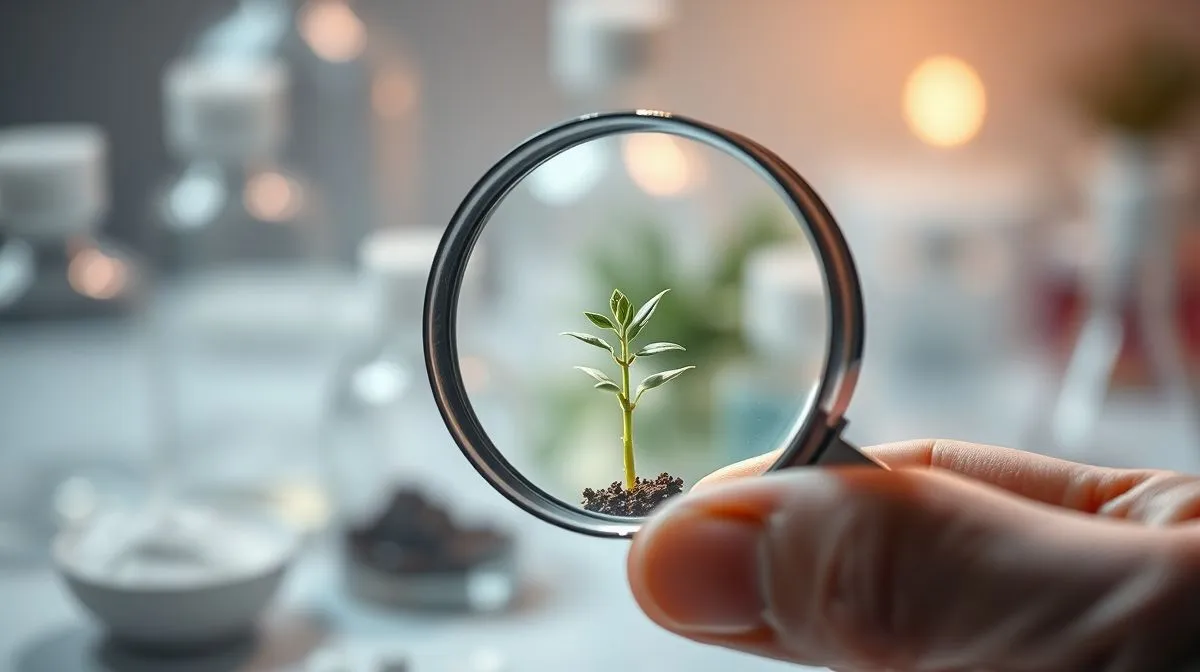
How to verify cruelty-free ingredient suppliers reliably?
For over 15 years in the dynamic and often tumultuous world of Beauty Fashion, I've seen countless brands rise and fall. Many aspire to be ethical, to be 'clean' or 'cruelty-free,' but few truly understand the labyrinthine complexities of their supply chains. The intent is often pure, but the execution can be fraught with missteps, leading to inadvertent greenwashing or, worse, a complete erosion of consumer trust.
The pain point is palpable: how do you, as a brand committed to ethical practices, genuinely ensure that every single ingredient, from the botanical extracts to the preservatives, has been sourced without a whisper of animal testing? The beauty industry's global nature, with its intricate web of manufacturers, distributors, and raw material suppliers, makes this a formidable challenge. It’s not enough to simply trust a supplier’s word or a single logo; true verification demands a deeper, more systematic approach.
In this comprehensive guide, I will share the actionable frameworks, insider insights, and rigorous due diligence processes that I've honed over years of navigating the ethical sourcing landscape. You'll learn not just what questions to ask, but *how* to verify the answers, giving you the confidence and clarity to build a truly cruelty-free brand that stands on a foundation of integrity and transparency.
The Cruelty-Free Landscape: Understanding the Nuances and Common Pitfalls
Before we dive into verification, it's crucial to understand what 'cruelty-free' truly means in the context of ingredients. Unlike a finished product, which might be tested on animals at the final stage, ingredients can be tested at various points in their lifecycle – during development, manufacturing, or when a supplier sources them from a third party. This multi-layered complexity is precisely where brands often stumble.
Many assume that if their direct supplier claims 'no animal testing,' they're in the clear. However, this statement often only applies to the supplier’s immediate operations or the specific batch they’re selling, not necessarily the entire chain of custody for that ingredient. It’s a common pitfall that can lead to unintentional ethical breaches and reputational damage.
Moreover, the global regulatory environment adds another layer of complexity. While some regions have banned animal testing for cosmetics, others still mandate it for certain products or ingredients before they can be sold in their markets. This means an ingredient might be cruelty-free in one market but not another, depending on its destination and the associated regulatory requirements.
Decoding Cruelty-Free Certifications: Beyond the Label
Certifications are an excellent starting point, but they are just that – a starting point. They provide a baseline of trust, but a truly diligent brand must understand their scope and limitations.
The Gold Standard: Leaping Bunny Certification Deep Dive
The Leaping Bunny Program, run by Cruelty Free International and the Coalition for Consumer Information on Cosmetics (CCIC) in North America, is widely considered the gold standard for cruelty-free certification. What makes it so robust?
- Company-Wide Commitment: Leaping Bunny certifies the entire company and all of its brands, not just individual products.
- Supplier Monitoring: Brands must implement a supplier monitoring system to ensure their ingredient suppliers (and even their suppliers' suppliers) do not conduct, commission, or pay for animal tests on ingredients, formulations, or finished products anywhere in the world, after a fixed cut-off date.
- Independent Audits: Companies commit to independent audits to ensure compliance. This is a critical differentiator.
If your ingredient supplier is Leaping Bunny certified, it significantly reduces your verification burden. However, it's still prudent to ask for their Leaping Bunny documentation and understand their internal monitoring protocols, especially if you're a large brand with complex needs.
PETA's Global Beauty Without Bunnies: What it Covers
PETA's 'Beauty Without Bunnies' program is another widely recognized certification. It offers two categories:
- Animal Test–Free: For companies that don't test on animals anywhere in the world and whose suppliers don't test on animals.
- Animal Test–Free and Vegan: For companies that meet the 'Animal Test–Free' criteria and whose products contain no animal-derived ingredients.
PETA’s program relies on a legally binding agreement from companies that they and their suppliers do not conduct or commission animal tests. While valuable, some critics argue it doesn't always involve the same level of third-party auditing as Leaping Bunny. As an expert, I advise using PETA's list as a strong indicator but supplementing it with your own due diligence, especially for key or novel ingredients.
For more details on companies certified by PETA, visit their official database: PETA's Global Beauty Without Bunnies.
Vegan Society and Other Certifications: Are They Enough?
The Vegan Society trademark primarily certifies that a product contains no animal-derived ingredients. While admirable and essential for vegan brands, it does not, by itself, guarantee cruelty-free status regarding animal testing. An ingredient can be vegan (plant-derived) but still have been tested on animals at some point in its history.
Other certifications, often focused on organic or natural ingredients, also typically do not cover animal testing as their primary focus. Therefore, while these certifications are valuable for other ethical considerations, they cannot be your sole basis for cruelty-free claims.
The Deep Dive: Essential Due Diligence for Every Potential Supplier
This is where the real work begins. Relying solely on a certification logo on a supplier's website is a rookie mistake. You need a systematic approach to probe deeper.
Step 1: The Questionnaire Protocol – Asking the Right Questions
My first recommendation for any brand, whether established or emerging, is to develop a comprehensive supplier questionnaire. This isn't just a formality; it's your first line of defense and a critical tool for transparency. Here's what it should cover:
- Animal Testing Policy: Ask for a clear, written statement outlining their policy on animal testing for all raw materials, formulations, and finished products. This policy should explicitly state that they do not conduct, commission, or participate in any animal testing, nor do their third-party suppliers.
- Cut-off Date: Inquire about their fixed cut-off date – the date after which they ceased any animal testing and will not use any new ingredients tested on animals. This is crucial for historical data.
- Third-Party Verification: Ask if they are certified by any recognized cruelty-free organizations (e.g., Leaping Bunny, PETA). If so, request copies of their certificates and audit reports.
- Supply Chain Transparency: Request information on their upstream supply chain. Do they know the source of their raw materials? Do they audit their own suppliers for animal testing compliance?
- Regulatory Compliance: How do they navigate markets where animal testing is mandated (e.g., mainland China for certain product categories)? Do they have a clear strategy to avoid animal testing even when entering such markets?
- Ingredient-Specific Declarations: For each specific ingredient you wish to purchase, request a signed declaration confirming its cruelty-free status from its point of origin through to their supply to you.
Step 2: Requesting Raw Material Declarations and Supplier Agreements
Verbal assurances are meaningless. You need documentation. Demand 'Statements of Non-Animal Testing' (SNATs) for every single ingredient you source. These documents should be signed by an authorized representative of the supplier and clearly state that the ingredient, and its constituent parts, have not been tested on animals by the supplier or its sub-suppliers since a specified cut-off date. This often needs to be updated annually.
Furthermore, integrate cruelty-free clauses directly into your supplier contracts. This legally binds them to adhere to your ethical standards. This clause should explicitly state that the supplier guarantees that all materials and components provided have not been, and will not be, tested on animals by them or any third party involved in the production or sourcing of said materials. Include provisions for regular audits and penalties for non-compliance.
Step 3: Tracing the Supply Chain: From Source to Finished Product
This is arguably the most challenging, yet most vital, step. An ingredient's journey can be incredibly complex, often involving multiple intermediaries before it reaches your direct supplier. True reliability comes from understanding this entire chain.
Ask your suppliers to provide a detailed breakdown of their ingredient's origin and the entities involved in its processing and supply. While they may not disclose proprietary information, they should be able to provide a general lineage. Cross-reference this information with public data where possible.
Case Study: EcoGlam's Supply Chain Triumph
EcoGlam, a burgeoning clean beauty brand, faced significant challenges in verifying a key botanical extract. Their initial supplier provided a standard cruelty-free declaration, but EcoGlam's internal policy, inspired by my own advice, pushed them to dig deeper. They requested the supplier's internal audit reports and discovered the extract was sourced from a third-party consolidator in a region with less stringent animal welfare laws. EcoGlam didn't stop there. They insisted on direct communication with the consolidator, who, after some negotiation, agreed to provide their own non-animal testing statement and open their books for a limited audit. This meticulous approach, though time-consuming, allowed EcoGlam to verify the extract's cruelty-free status back to its source, solidifying their brand's integrity and providing a powerful marketing narrative. This level of diligence earned them immense consumer trust and a leading position in their niche.
Beyond Documentation: Audits, Site Visits, and Ongoing Monitoring
Paperwork is essential, but it’s not the whole story. As a seasoned expert, I've learned that 'trust but verify' is not just a cliché; it's a fundamental business principle.
Conducting Independent Third-Party Audits: When and Why
For your most critical or high-volume ingredients, or for suppliers you are forming a long-term strategic partnership with, consider commissioning an independent third-party audit. These audits can:
- Verify the supplier’s internal animal testing policies and procedures.
- Review their documentation for raw material sourcing.
- Potentially conduct on-site inspections (if agreed upon) to observe their operations.
While an investment, a third-party audit provides an unparalleled level of assurance and demonstrates your brand's unwavering commitment to ethical sourcing. Look for auditors with experience in ethical supply chains or cosmetic ingredient manufacturing.
The Power of Supplier Relationship Management and Continuous Dialogue
Verification isn't a one-time event; it's an ongoing process. Maintain open and continuous communication with your suppliers. Regular check-ins, annual re-declarations, and updates on their policies or changes in their supply chain are crucial.
Building strong, collaborative relationships with your suppliers fosters transparency. When suppliers feel like partners rather than just vendors, they are more likely to share information proactively and work with you to meet your ethical standards. This proactive approach is far more effective than reactive problem-solving.
Avoiding Greenwashing: Red Flags and How to Spot Them
In the ethical beauty space, greenwashing is a constant threat. It’s the practice of making unsubstantiated or misleading claims about the environmental or ethical soundness of a product or company. For cruelty-free claims, here are some red flags to watch for:
- Vague or Ambiguous Statements: Phrases like 'we don't test on animals unless required by law' or 'our finished products are not tested on animals' are often loopholes. The devil is in the details, especially regarding ingredients.
- Lack of Third-Party Certification: While not all legitimate cruelty-free brands are certified, a complete absence of certification or clear, verifiable policies should raise questions.
- Reliance on Self-Declared Statements Alone: If a supplier only offers a simple email statement without supporting documentation or a willingness to provide more details, proceed with caution.
- Price That's Too Good to Be True: Ethical sourcing often involves higher costs due to stricter controls and quality assurance. Be wary of unusually low prices for ingredients that claim to be ethically sourced.
The true test of a brand's commitment isn't in their marketing, but in their meticulously documented supply chain. It's about proactive diligence, not reactive damage control.
According to a recent report by a leading market research firm, consumer demand for transparent and ethically sourced beauty products has surged by over 40% in the last three years. This trend underscores the importance of reliable verification methods for cruelty-free ingredient suppliers.
As marketing guru Seth Godin often emphasizes, building a truly remarkable brand isn't about shortcuts; it's about delivering genuine value and trust. For cruelty-free beauty, that value is inextricably linked to the integrity of your supply chain.
Building a Cruelty-Free Policy for Your Brand: Internal Best Practices
To truly embed cruelty-free principles, your brand needs a robust internal policy. This policy should:
- Define 'Cruelty-Free': Clearly articulate what cruelty-free means for your brand, encompassing ingredients, formulations, and finished products, as well as your stance on animal testing by third parties or for regulatory purposes.
- Outline Supplier Requirements: Detail the mandatory documentation, certifications, and audit requirements for all suppliers.
- Establish a Cut-Off Date: Adopt a fixed cut-off date after which no new ingredients tested on animals will be used.
- Assign Responsibility: Designate specific team members or departments responsible for supplier vetting, ongoing monitoring, and policy enforcement.
- Commit to Transparency: Outline how your brand will communicate its cruelty-free commitment and verification processes to consumers.
Leveraging Industry Resources and Networks for Verification
You don't have to navigate this journey alone. The beauty industry is becoming increasingly collaborative on ethical issues. Engage with:
- Industry Associations: Organizations focused on ethical beauty, sustainable sourcing, or clean beauty often share best practices and resources.
- Conferences and Webinars: Attend events focused on supply chain transparency and ethical sourcing. These are excellent opportunities to learn from peers and experts.
- Networking: Connect with other brand founders or supply chain managers who share your values. They may have insights into specific suppliers or verification challenges.
- Reputable Databases: Beyond Leaping Bunny and PETA, explore other databases or resources that list verified suppliers. Always cross-reference and apply your own due diligence.
This collective knowledge can significantly enhance your ability to reliably verify cruelty-free ingredient suppliers and accelerate your brand's ethical journey.
Frequently Asked Questions (FAQ)
Question: What if a supplier claims their ingredients are 'cruelty-free' but isn't certified by Leaping Bunny or PETA? While certification provides strong assurance, its absence doesn't automatically mean a supplier isn't cruelty-free. Many smaller, ethical suppliers may not have the resources or need for formal certification. In such cases, your due diligence process becomes even more critical. Rely heavily on their detailed written policies, signed declarations for each ingredient, and their willingness to provide transparency regarding their upstream supply chain. Consider a focused third-party audit for your most critical ingredients from such suppliers.
Question: How does the complexity of global regulations (e.g., China's animal testing mandates) affect ingredient verification? This is a significant challenge. Some countries, like mainland China, have historically required animal testing for certain imported cosmetic products. While there have been positive changes, it remains a complex landscape. Your supplier must have a clear strategy to navigate these regulations without compromising their cruelty-free commitment. This often means they only supply ingredients for products that will not be sold in markets requiring animal testing, or they employ alternative, non-animal testing methods accepted by those regulators. Crucially, their cruelty-free declaration must specify that no animal testing occurred for regulatory compliance purposes on the ingredients they provide to you.
Question: Can I rely on a Material Safety Data Sheet (MSDS) to confirm cruelty-free status? No, an MSDS (now often called a Safety Data Sheet or SDS) primarily provides information on the hazards and safe handling of a chemical substance. While it may list regulatory information, it generally does not contain details about animal testing history or cruelty-free status. You need specific declarations and policies from the supplier regarding animal testing, separate from their SDS.
Question: What's the difference between 'cruelty-free' and 'vegan' ingredients? This is a common point of confusion. 'Vegan' means an ingredient contains no animal-derived components (e.g., beeswax, lanolin, carmine). 'Cruelty-free' means the ingredient, and its constituent parts, have not been tested on animals. An ingredient can be vegan but still have been tested on animals at some point (e.g., a synthetic chemical that is vegan but was tested on animals during its development). Conversely, an ingredient could be cruelty-free but not vegan if it contains animal-derived components that were ethically sourced without animal testing (e.g., honey from a responsible beekeeper where the honey itself wasn't tested). For a truly ethical brand, many strive for both.
Question: How often should I re-verify my ingredient suppliers? Annual re-verification is the industry best practice. Supply chains can change, new regulations might emerge, or a supplier's internal policies could evolve. Request updated non-animal testing declarations and review their current certifications annually. For critical suppliers or those with a history of minor issues, more frequent check-ins, perhaps quarterly, might be warranted. Ongoing communication and relationship management minimize the need for reactive verification.
Recommended Reading
- Fashion Blogging: Social Media Style Tips to Explode Your Brand
- Ultimate Guide: Best Casual Shoes for Wide Feet Men
- 7 Proven Strategies for Consistent Waste Streams in Upcycled Fashion
- Unlock Camera Confidence: The Ultimate Guide to Posing for Fashion Bloggers
- Uncover the Hidden Impact: How Wartime Rationing Reshaped 1940s Fashion
Key Takeaways and Final Thoughts
- Diligence is Non-Negotiable: Never take 'cruelty-free' claims at face value. Implement a rigorous, multi-layered verification process.
- Certifications are a Start, Not the End: Understand the scope of certifications like Leaping Bunny and PETA, but supplement them with your own deep dive.
- Documentation is King: Demand signed declarations, robust supplier agreements, and transparency regarding upstream supply chains.
- Ongoing Relationship: Cultivate open, honest relationships with your suppliers, fostering a partnership built on shared ethical values.
- Educate Yourself Continuously: The ethical landscape evolves. Stay informed about new testing methods, regulations, and industry best practices.
The journey to reliably verify cruelty-free ingredient suppliers is challenging, but it is immensely rewarding. It's an investment in your brand's integrity, your consumers' trust, and the ethical future of the beauty industry. By embracing these expert strategies, you're not just building a product; you're building a legacy of genuine compassion and transparency. Your commitment reverberates beyond your brand, influencing the entire supply chain towards a more humane future. Embrace the challenge, and build a brand that truly makes a difference.




Your email address will not be published. Required fields are marked *