

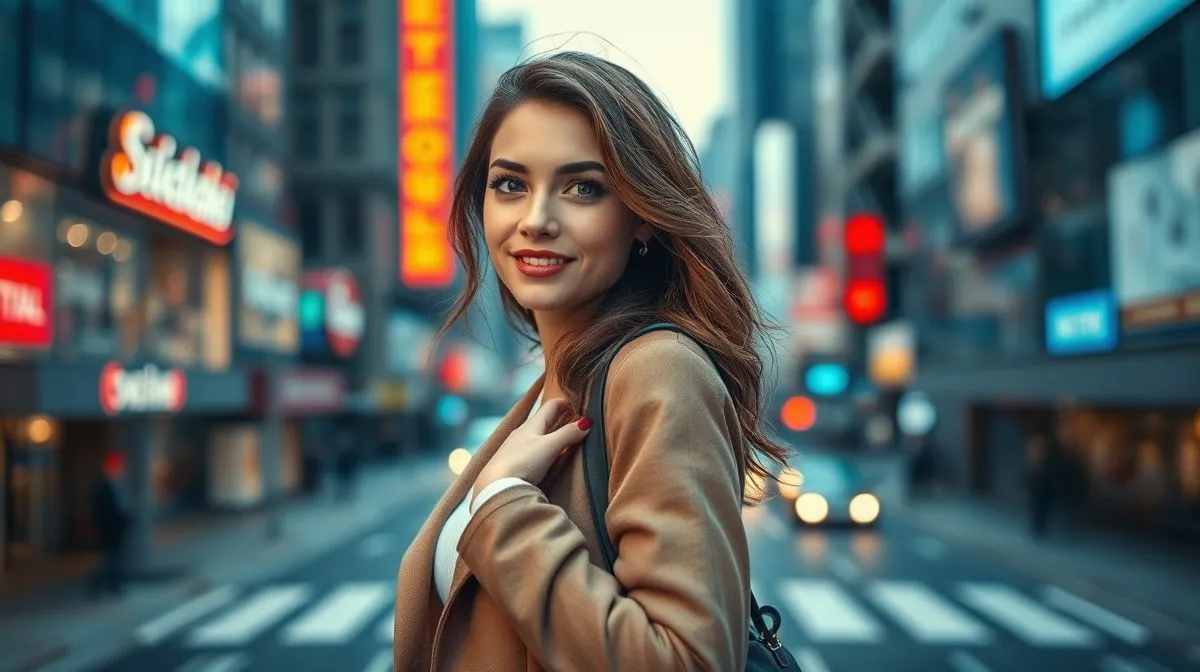
How to Pose for Fashion Photography as a Blogger: Your Ultimate Guide to Camera Confidence
Ever felt a pang of frustration when reviewing your latest fashion photos, wishing they conveyed the vibrancy and personality you know you possess? Many aspiring and established fashion bloggers grapple with the challenge of translating their unique style and vision into captivating imagery. It’s a common dilemma: you have the perfect outfit, the ideal location, but when the camera comes out, natural movement gives way to awkward stiffness, and poses feel forced or repetitive.
The core problem isn't a lack of style or photogenic qualities; it's often a missing understanding of how to truly connect with the lens, how to manipulate your body and expressions to tell a compelling story. Without this knowledge, your content can fall flat, failing to capture the attention and engagement your hard work deserves. This can lead to missed opportunities for collaboration, slower audience growth, and ultimately, a less impactful brand presence in the highly visual world of fashion blogging.
This definitive guide is your comprehensive solution. We will delve deep into the art and science of posing, transforming your approach from tentative to triumphant. By the end of this reading, you'll not only understand the fundamental principles of dynamic fashion photography but also possess a practical toolkit of techniques, tips, and a newfound confidence to truly shine in front of the camera, elevating your blog's visual narrative to professional heights.
The Mindset of a Master Poser: Beyond Just Standing Still
Before we even discuss specific poses, it's crucial to cultivate the right mental approach. Posing isn't merely about physical contortion; it's about embodying a feeling, conveying a message, and projecting confidence. Your mindset is the invisible thread that connects your inner self to the outer expression captured by the camera.
Embracing Imperfection and Authenticity
The pursuit of perfection can be paralyzing. Instead, embrace the idea that authentic moments, even those with slight imperfections, often resonate most deeply with an audience. Your followers want to see the real you, not a robotic mannequin. Allow for natural shifts, unforced smiles, and genuine reactions. This authenticity builds trust and makes your content relatable.
Remember that every professional model had to learn and practice. Don't be discouraged by initial awkwardness. It's a natural part of the learning curve. Focus on enjoying the process and letting your personality shine through.
Connecting with Your Audience Through Expression
Fashion photography, especially for bloggers, is a form of storytelling. Every pose, every glance, every subtle shift in your expression contributes to the narrative. Think about the emotion you want to evoke: joy, sophistication, mystery, playfulness? Your eyes, in particular, are incredibly powerful tools for communication. Engage them with the camera as if you're having a silent conversation with your audience.
Understanding the nuances of non-verbal communication, as explored by experts in non-verbal communication studies, can profoundly impact how your poses are interpreted. Practice conveying different emotions in a mirror to see how your facial muscles react.
The Power of Practice and Self-Assessment
Like any skill, posing improves with consistent practice. Dedicate time to experimenting in front of a mirror or with a self-timer. Record short videos of yourself posing to identify what looks natural and what feels forced. Pay attention to your posture, your hands, and your facial expressions. Self-assessment is a powerful tool for growth.
Don't just practice the 'perfect' poses; practice transitions between poses. This fluidity will make your photo shoots more efficient and your final images more dynamic. The more you practice, the more intuitive posing will become.
Understanding Your Body: Angles, Lines, and Curves
The human body is a canvas, and understanding how to manipulate its lines and curves can dramatically enhance your fashion photographs. It's about creating visually appealing shapes that draw the viewer's eye and highlight your outfit.
The S-Curve and Contrapposto
These classical art principles are fundamental to dynamic posing. The S-curve involves creating a graceful, serpentine line with your body, often achieved by shifting weight to one hip, creating a subtle curve from your shoulders to your feet. Contrapposto is a similar concept, where the weight is predominantly on one leg, causing the hips and shoulders to rotate in opposite directions, giving a more relaxed and natural appearance.
Both techniques add a sense of movement and dimension, preventing your pose from looking stiff or flat. Experiment with subtle shifts in weight and hip placement to see the immediate difference they make.
Maximizing Your Best Features
Every individual has unique features they can highlight. Do you have strong shoulders? An elegant neck? Long legs? Learn how to angle your body and limbs to emphasize these assets. For example, to elongate legs, try crossing one leg slightly in front of the other, or extending a leg towards the camera.
Consider the clothing you're wearing. Is it a dress with a beautiful back? Turn your back to the camera and look over your shoulder. Is it a statement sleeve? Position your arm to showcase it effectively. Posing should always serve to complement the fashion.
Creating Dynamic Shapes with Limbs
Avoid letting your arms and legs hang limply or appear parallel to your body, as this can create a static, unflattering look. Instead, think about creating triangles and angles with your limbs. Bend elbows and knees, place hands on hips, or cross arms. These small adjustments add visual interest and dynamism.
For hands, avoid flat palms facing the camera or clenched fists. Relaxed, slightly bent fingers often look more elegant. Consider holding a prop like a handbag or a pair of sunglasses to give your hands something natural to do.
Dynamic Posing Techniques for Fashion Bloggers
Static poses can quickly become monotonous. To truly captivate your audience, inject movement and interaction into your fashion photography. This is where your images come alive and tell a more compelling story.
Movement is Your Best Friend
Some of the most engaging fashion photos capture subjects in motion. Think about walking towards or away from the camera, twirling to show the flow of a skirt, or tossing your hair for a dramatic effect. These actions create natural lines and expressions that are difficult to replicate in a still pose.
- The Walk: Take slow, deliberate steps, letting your clothes move naturally. Look slightly away from the camera for a candid feel.
- The Twirl/Spin: Perfect for showcasing flowy dresses or skirts. Start slow and gradually increase speed.
- Hair Flip/Touch: A classic for adding dynamism and a touch of allure.
- Sitting/Standing Transitions: Capture the moments as you sit down or stand up, as these in-between moments can be very natural.
Interaction with Your Environment
Your location isn't just a backdrop; it's an extension of your pose. Lean against a wall, sit on a bench, climb stairs, or interact with railings. These interactions add context, depth, and realism to your photos. They also give your hands and body a natural anchor point.
Consider using props that complement your outfit or the story you're telling. A coffee cup, a book, or even a simple flower can add an extra layer of interest and give you something to naturally engage with, making your poses feel less contrived.
Storytelling Through Poses
Every outfit tells a story, and your pose should amplify it. Are you portraying a sophisticated city dweller, a whimsical free spirit, or a confident entrepreneur? Let your pose reflect that narrative. A powerful stance for a business outfit, a playful jump for a casual look, or a thoughtful gaze for an artistic ensemble.
Think about a sequence of poses that tell a mini-story. For instance, starting with a thoughtful look, then a dynamic movement, and finally a confident stance. This multi-faceted approach keeps viewers engaged and allows them to connect with your content on a deeper level.
The Art of the Candid Shot (Simulated Candid)
While truly candid shots are often spontaneous, you can master the art of the 'simulated' candid. This involves striking a pose that looks unplanned and natural. Look away from the camera, laugh at a joke from your photographer (or imagine one!), or adjust your clothing as if unaware of the lens. These moments often feel more authentic and relatable to your audience.
The key is to relax and let go of the pressure to be 'perfect'. Sometimes the best shots come from the moments in between directed poses, when your guard is down and your genuine personality shines through.
Facial Expressions and Eye Contact: The Soul of Your Photo
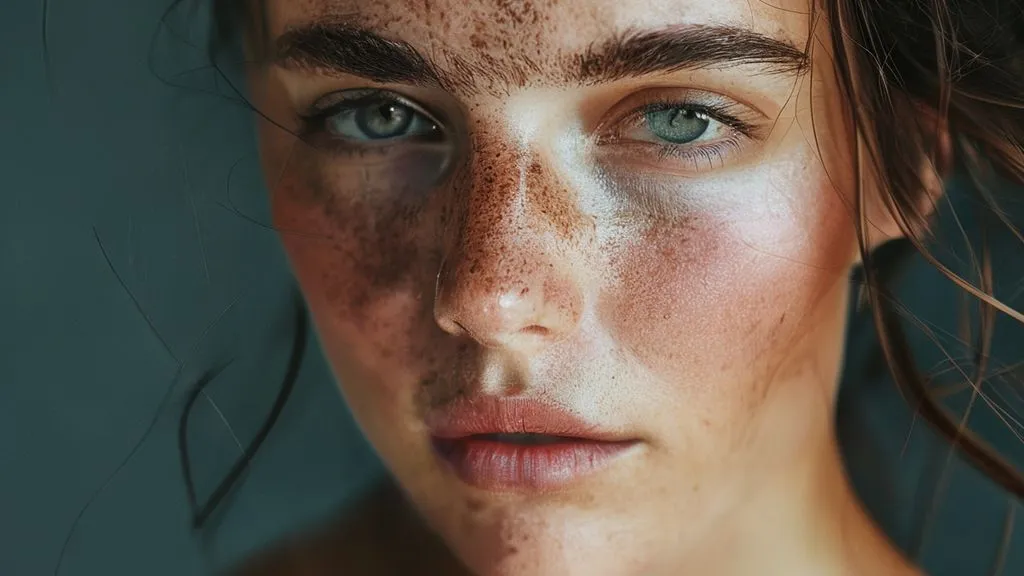
While your body pose sets the stage, your face and eyes are what truly draw the viewer in and convey emotion. A powerful pose can be undermined by a blank or awkward expression.
Conveying Emotion Authentically
Your face is a window to your soul. Practice expressing a range of emotions – joy, contemplation, confidence, playfulness – in front of a mirror. Pay attention to how your eyes, eyebrows, and mouth work together. A genuine smile reaches your eyes, creating 'crows feet' at the corners – this is a sign of true happiness.
Avoid forced smiles or overly dramatic expressions. Authenticity is key. If you're feeling the emotion, it will naturally translate to your face. Think about the story you want to tell and let that guide your expression.
The Gaze: Direct, Away, and Looking Down
Where you look can dramatically change the mood and message of your photo:
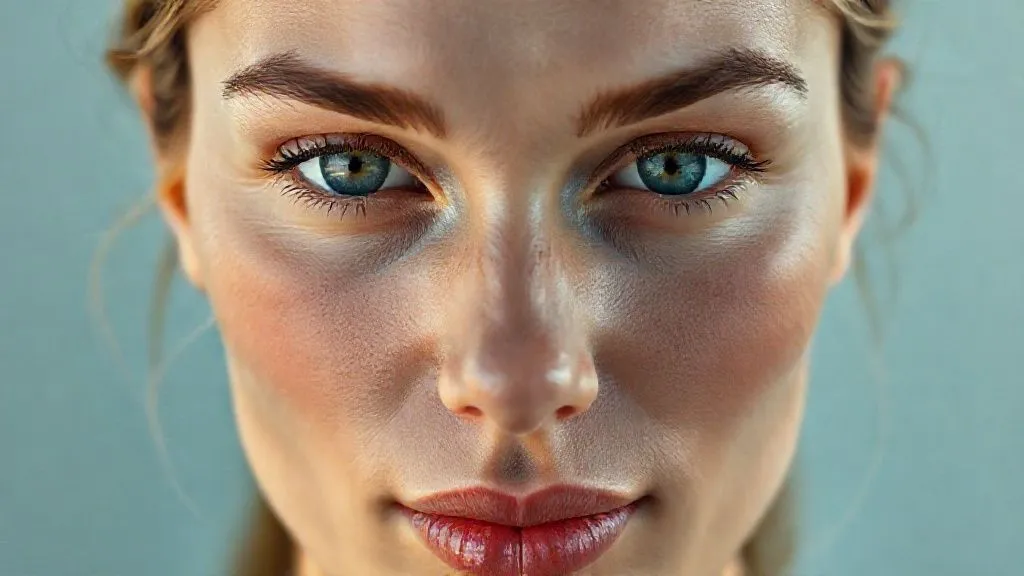
- Direct Gaze: Looking straight into the camera creates a powerful, confident connection with the viewer. It's assertive and engaging.
- Looking Away: This adds an air of mystery, contemplation, or a candid feel. It suggests you're lost in thought or observing something interesting off-camera.
- Looking Down: Can convey shyness, introspection, or highlight details of your outfit (like shoes or a handbag).
Experiment with each to see which best fits the mood of your outfit and the story you're trying to tell. Subtle shifts in your gaze can create entirely different vibes.
Mastering the Subtle Smile
Not every photo requires a wide, beaming smile. Often, a subtle, enigmatic smile can be far more captivating. Practice a slight upturn of the lips, combined with engaging eyes. This hint of a smile creates intrigue and sophistication, allowing the viewer to interpret the emotion.
If you find your smile looks forced, try thinking of something genuinely funny or heartwarming just before the shot. This can trigger a more natural, authentic expression that reaches your eyes.
Wardrobe and Styling Synergy: Posing with Your Outfit
Your outfit isn't just something you wear; it's an integral part of your fashion photography. Posing should work in harmony with your wardrobe to highlight its best features and maximize its impact.
Highlighting Garment Details
Think about the unique elements of your outfit. Is there intricate embroidery, a unique cut, or a statement accessory? Your pose should subtly draw attention to these details. For instance, if you have a beautiful sleeve, extend your arm to showcase it. If your pants have an interesting hem, angle your legs to make it visible.
Don't be afraid to physically interact with your clothes – adjust a collar, smooth out a crease, or hold a lapel. These small gestures can make your poses look more natural and draw attention to the garment's texture or fit.
Flow and Movement of Fabrics
Certain fabrics, like silk, chiffon, or flowing cotton, are designed to move beautifully. Incorporate movement into your poses to capture this dynamism. A gentle breeze can be your best friend for a flowing skirt or a cape. Walk, twirl, or even subtly shake a limb to create a ripple effect in the fabric.
Capturing the movement of fabric adds an ethereal quality to your images and communicates the true nature of the garment. It makes the outfit feel alive, rather than just a static piece of clothing.
Accessorizing for Impact
Accessories are not just add-ons; they are crucial elements of your styling. Integrate them into your poses. Hold your handbag elegantly, adjust your sunglasses, or show off a statement necklace by subtly touching it. These interactions can make your poses feel more organic and less like you're simply standing there.
A well-placed accessory can also give your hands something natural to do, solving the common problem of awkward hand placement. It adds another layer of visual interest and further tells the story of your style.
Common Posing Mistakes to Avoid (and How to Fix Them)
Even seasoned bloggers can fall into common posing traps. Awareness of these pitfalls is the first step towards rectifying them and elevating your fashion photography.
The Stiff and Lifeless Pose
This is perhaps the most common mistake. Standing rigidly, shoulders squared, and arms plastered to your sides. This pose makes you look uncomfortable and unapproachable. The solution is to introduce angles and movement. Shift your weight, bend a knee, angle your shoulders, and create space between your arms and body.
Remember the S-curve and contrapposto. Even a subtle shift in weight can transform a stiff pose into a dynamic one. Think about relaxing your body and letting go of tension.
Awkward Hand Placement
Hands can be notoriously tricky. Clenched fists, flat palms, or hands that look like claws can distract from an otherwise great photo. The fix is to relax your hands, keep fingers slightly bent, and give them something to do. Touch your face gently, run a hand through your hair, hold an accessory, or place them naturally on your hips or in pockets.
Avoid letting your hands disappear or look dismembered. Ensure they are visible and contribute to the overall elegance of the pose. A little practice with hand gestures can go a long way.
Ignoring Backgrounds and Foreground
A beautiful pose can be ruined by a cluttered or distracting background. Conversely, a great background can enhance your pose. Always be aware of your surroundings. Avoid lampposts seemingly growing out of your head or busy patterns that clash with your outfit.
Use the environment to frame yourself. Lean into leading lines, utilize natural frames like doorways, and consider the rule of thirds to place yourself effectively within the frame. A thoughtful background choice elevates the entire image.
Over-Posing and Losing Authenticity
While it's important to be intentional with your poses, there's a fine line between intentionality and over-posing. When you try too hard, your poses can look forced, unnatural, and lose their authentic appeal. This often happens when you try to emulate a pose exactly without understanding its nuances.
The solution is to find a balance. Start with a relaxed base, then add subtle adjustments. Focus on expressing a feeling rather than hitting a specific shape. Let your personality guide your movements, and don't be afraid to break away from rigid rules if it feels more natural.
Advanced Tips for Professional-Level Blogger Photography
To truly master how to pose for fashion photography as a blogger, consider these advanced techniques that distinguish amateur shots from professional-grade content.
Working with a Photographer vs. Self-Portraits
While self-portraits offer creative control, working with a professional photographer can elevate your content. They understand lighting, composition, and can provide real-time feedback on your poses. Communicate your vision clearly, and don't be afraid to ask for direction.
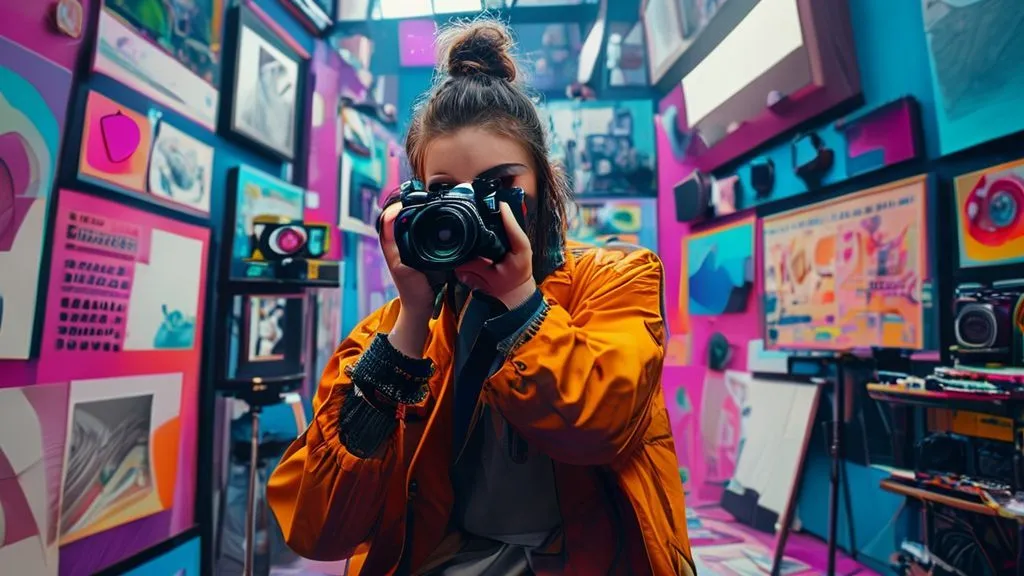
If shooting self-portraits, invest in a good tripod and a remote shutter. Use burst mode to capture multiple frames, increasing your chances of getting that perfect shot. Review your images frequently during the shoot to make adjustments.
Utilizing Natural Light to Your Advantage
Lighting is paramount in photography. Natural light, especially during the 'golden hour' (sunrise/sunset), can dramatically enhance your poses, creating soft shadows and beautiful highlights. Position yourself to face the light for even illumination, or use backlighting for a dramatic silhouette.
Mastering light, as detailed in many professional photography guides, is paramount. Avoid harsh midday sun, which can create unflattering shadows. Look for open shade or overcast days for softer, more diffused light.
Post-Processing for Enhanced Poses
Post-processing isn't just about filters; it's about refining your images. Minor adjustments to crop, straighten, or even subtly liquify can enhance your pose. For instance, cropping can emphasize your body lines, and minor tweaks can correct posture or limb placement.
However, use post-processing judiciously. The goal is to enhance, not to create an unrealistic image. Focus on getting the pose right in-camera first, and use editing as a final polish.
Building Your Posing Repertoire: Practice Makes Perfect
Developing a diverse range of poses requires consistent effort and a systematic approach. Don't just wait for a photoshoot; integrate posing practice into your routine.
Mirror Practice and Video Recording
Your mirror is your best friend for understanding your body. Spend time in front of it, experimenting with different angles, expressions, and movements. Record yourself using your phone's video camera. Reviewing these recordings allows you to objectively see what works and what doesn't, identifying areas for improvement that you might not notice in still photos.
Pay attention to the transitions between poses. Smooth, fluid movements look much more natural than abrupt, disjointed shifts. Practice moving from one pose to another seamlessly.
Creating a Mood Board and Shot List
Before a photoshoot, create a mood board of poses that inspire you. This could be from magazines, other bloggers, or professional fashion editorials. Don't copy them exactly, but use them as inspiration for angles, emotions, and overall vibe. Then, create a shot list outlining the types of poses you want to try for each outfit or location.
This preparation saves time during the shoot and ensures you cover a variety of looks. It also helps you communicate your vision clearly to your photographer or guide your self-timer sessions.
Analyzing Professional Fashion Editorials
Study how professional models pose in high-fashion magazines and campaigns. The evolution of fashion editorial photography offers a rich tapestry of posing inspiration. Pay attention to their body language, facial expressions, and how they interact with their environment and clothing.
Don't just look at the final image; try to deconstruct the pose. What makes it powerful? Is it the angle, the tension in the limbs, or the expression? Understanding these underlying principles will help you adapt them to your own unique style.
Frequently Asked Questions (FAQ)
How do I stop looking awkward in photos? The key is relaxation and practice. Tension makes you stiff. Try gentle movements, shift your weight, and focus on engaging your core. Practice in front of a mirror to identify and correct awkward habits.
What are some universal flattering poses? The S-curve, contrapposto, crossing ankles, placing hands on hips, or walking away from the camera are generally flattering. Angles are always more dynamic than straight-on shots.
How can I pose naturally if I'm not a professional model? Focus on authenticity over perfection. Think about the emotion you want to convey and let that guide your body. Use props, interact with your environment, and incorporate subtle movements to make poses feel less staged.
Should I look at the camera or away? Both! Looking directly connects with your audience, while looking away creates a candid or contemplative mood. Vary your gaze to add diversity and depth to your photos.
How do I pose with different types of clothing? Let the clothing guide you. For flowy items, incorporate movement. For structured pieces, emphasize strong lines. For details, highlight them with your hand or body position. Always aim to complement the garment.
Recommended Reading
- Clean Suede Shoes Like a Pro: Avoid Ruining Them! Here's How
- Find Your Perfect Hat: The Ultimate Guide to Choosing the Right Style for Your Face Shape
- Unlock Style: Integrating Luxury Runway Trends into Your Classic Wardrobe
- Unveiling the Secrets: What Techniques Elevate Haute Couture Craftsmanship?
- The Unseen Culprit: Why Does Your Activewear Still Smell After Washing?
Conclusion
Mastering how to pose for fashion photography as a blogger is not an overnight transformation, but a journey of self-discovery, practice, and continuous learning. We've explored the crucial shift from a rigid mindset to one of confident authenticity, delved into the power of understanding your body's angles and movements, and equipped you with dynamic techniques to tell compelling stories through your visuals. By avoiding common pitfalls and embracing advanced strategies like leveraging light and thoughtful post-processing, you can elevate your blog's visual appeal significantly.
Remember, the most captivating fashion photos are those that feel genuine and reflect your unique personality. Don't be afraid to experiment, to make mistakes, and to find what truly resonates with your brand. Apply the knowledge gained here, dedicate time to practice, and watch as your confidence in front of the camera translates into stunning, engaging content that truly sets your fashion blog apart. Your journey to camera confidence begins now – go out there and shine!


Your email address will not be published. Required fields are marked *