

The Lingering Mystery: Why Does My Performance Activewear Smell After Wash?
Ever pulled your favorite running shirt or yoga pants from the laundry, only to catch a faint, familiar whiff of... yesterday's workout? It's a common frustration, a silent question echoed in laundry rooms worldwide: how can something that's just been through a wash cycle still retain that tell-tale odor?
This isn't just a minor annoyance; it's a persistent challenge that undermines the very purpose of activewear – to keep you comfortable and confident during and after exercise. The baffling part is precisely why does my performance activewear smell after wash, when it should theoretically be pristine?
This comprehensive guide will unravel the hidden science behind this stubborn odor, reveal the common laundry mistakes you might unknowingly be making, and equip you with definitive strategies to ensure your performance activewear emerges from the wash truly fresh, clean, and odor-free, every single time.
The Science of Stink: What Makes Activewear Different?
To truly conquer the activewear odor dilemma, we must first understand its origins. The problem isn't just sweat; it's a complex interplay between your body, the unique properties of synthetic fabrics, and microscopic organisms.
The Microscopic Culprits: Bacteria and Biofilm
Your sweat itself is largely odorless. The smell comes from bacteria on your skin that break down sweat components, particularly lipids and proteins, into volatile organic compounds (VOCs). Performance activewear, often made from synthetic fibers like polyester, nylon, and spandex, creates an ideal environment for these bacteria to thrive.
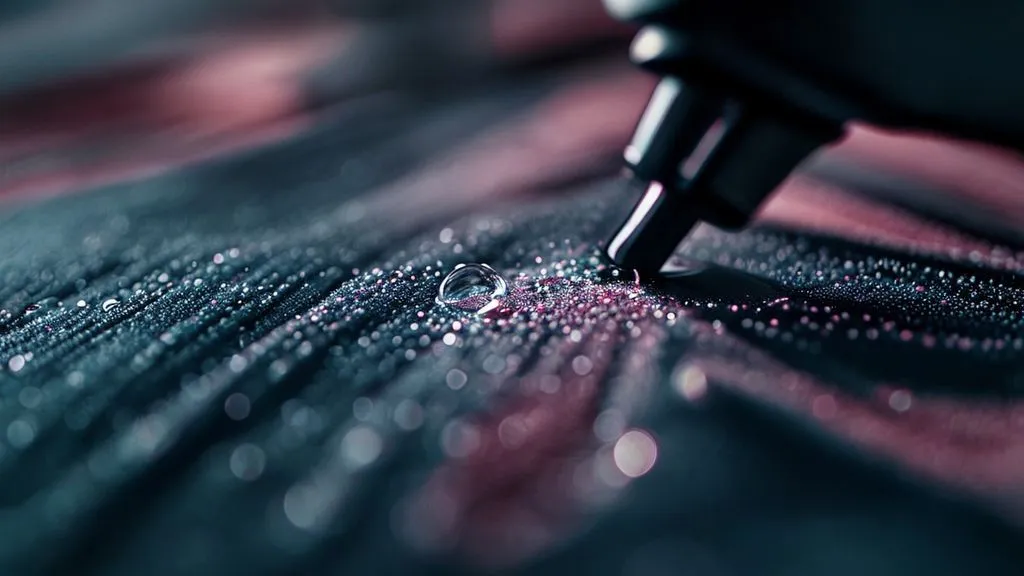
These synthetic fibers are hydrophobic, meaning they repel water. While this is great for wicking sweat away from your body, it also means they don't readily release the fatty compounds and skin cells that get trapped within their tight weave. Over time, these residues build up, forming a microscopic, slimy layer known as biofilm. This biofilm becomes a protected fortress for bacteria, making it incredibly difficult for regular detergents and wash cycles to penetrate and eliminate them.
Synthetic Fabrics: A Double-Edged Sword
The very properties that make activewear perform so well – its moisture-wicking capabilities, durability, and stretch – also contribute to its odor retention. Unlike natural fibers like cotton, which absorb moisture and release it easily, synthetics are designed to move moisture to the surface to evaporate quickly. However, this also means they tend to hold onto oil-based substances, like sebum and body oils, which are perfect food for bacteria.
Furthermore, the manufacturing process of some synthetic fabrics can create microscopic crevices and pores that become ideal hiding spots for bacteria, making them harder to dislodge during a typical wash. This inherent characteristic of synthetic fibers explains a significant part of why does my performance activewear smell after wash.
Sweat Composition and its Role
Different types of sweat also play a role. Eccrine sweat, produced by most of your sweat glands, is mostly water and salt. Apocrine sweat, produced in areas like armpits and groin, is richer in proteins and lipids. It's the apocrine sweat that bacteria particularly love, leading to the more pungent body odors associated with intense workouts. When these components get embedded in your activewear, they become a continuous food source for odor-causing bacteria, even after a superficial wash.
Common Laundry Missteps That Perpetuate Odor
Even with the best intentions, many common laundry habits can inadvertently contribute to your activewear's lingering smell. Correcting these can make a significant difference.
Overloading the Washing Machine
Stuffing too many clothes into your washing machine prevents proper agitation and water circulation. Your activewear needs space to move freely, allowing water and detergent to reach every fiber and rinse away trapped bacteria and residues. An overloaded machine means clothes aren't truly getting clean, leaving behind odor-causing elements.
Using Too Much Detergent (or the Wrong Kind)
It seems counterintuitive, but using too much detergent can actually make the problem worse. Excess detergent doesn't rinse away properly, leaving a sticky residue on your activewear. This residue acts like a magnet for dirt, body oils, and bacteria, trapping them within the fabric and providing a fresh breeding ground for odor. Standard detergents, especially those with added softeners or strong perfumes, can also be problematic for technical fabrics.
Washing with Hot Water
While hot water might seem like the ultimate sanitizer, it can actually damage the delicate fibers and elastic in performance activewear. High temperatures can 'cook' protein-based stains (like sweat and blood) into the fabric, making them harder to remove. More importantly, hot water can degrade the fabric's integrity and its moisture-wicking properties, reducing its lifespan and making it more susceptible to odor buildup over time.
Not Washing Immediately
Leaving sweaty activewear in a crumpled pile in your laundry basket or gym bag is a prime way to cultivate bacteria. The warm, damp environment is a perfect incubator for odor-causing microbes. The longer you wait to wash, the deeper those smells will set into the fabric, making them significantly harder to remove later. If you can't wash immediately, at least hang your activewear to air dry before putting it in the hamper.
Improper Drying
Just as important as the wash cycle is the drying process. Tossing activewear into a hot dryer can have similar detrimental effects as washing in hot water, damaging elastic and technical fibers. More critically, if activewear isn't dried completely and quickly, any residual moisture will allow bacteria to continue multiplying, leading to a mildewy, sour smell even if the initial sweat odor was gone.
The Definitive Guide to Odor-Free Activewear
Now that we understand the 'why,' let's dive into the 'how.' Implementing these strategies will help you achieve truly fresh activewear.
Pre-Treatment is Key
For deeply ingrained odors, a pre-treatment step is often essential to break down the biofilm and loosen trapped residues before the main wash.
- Vinegar Soak: Fill a sink or tub with cool water and add about one cup of distilled white vinegar. Submerge your activewear and let it soak for 30 minutes to an hour before washing. Vinegar is a mild acid that helps to neutralize odors and break down oils.
- Baking Soda Paste: For targeted spots, mix a small amount of baking soda with water to create a paste. Apply it directly to the smelly areas (like armpits) and let it sit for 15-30 minutes before washing. Baking soda is an excellent odor absorber.
Choosing the Right Detergent
Not all detergents are created equal, especially when it comes to performance fabrics.
- Specialized Sports Detergents: These detergents are formulated to break down body oils, sweat, and bacteria that cling to synthetic fibers. They often contain enzymes specifically designed for this purpose and are free of fabric softeners and harsh dyes that can harm activewear.
- Enzyme-Based Cleaners: Look for detergents that list enzymes (like protease, amylase, lipase) in their ingredients. These enzymes effectively break down the proteins, starches, and fats that make up sweat and body soil, making them easier to wash away.
Mastering the Wash Cycle
How you load and run your machine significantly impacts the outcome.
- Cold Water is Your Friend: Always wash activewear in cold water. This protects the fabric, prevents colors from fading, and is effective enough when combined with the right detergent and pre-treatment.
- Gentle Cycle Preference: Use the gentle or delicate cycle. This reduces wear and tear on the stretchy fibers and prevents pilling.
- Wash Inside Out: Turning your activewear inside out protects the outer surface from abrasion, preserves any logos or reflective elements, and allows the detergent and water to better access the areas most prone to odor buildup.
- Separate Activewear: Wash activewear separately from cotton towels or lint-shedding items. Lint can cling to synthetic fabrics, reducing their performance.
- Load Size Matters: Never overload your machine. Give your activewear plenty of room to move freely.
The Drying Dilemma
Proper drying is crucial to prevent residual moisture from fostering new bacterial growth.
- Air Drying for Longevity and Freshness: The best way to dry activewear is to hang it on a line or drying rack. Air drying prevents heat damage to elastic and wicking properties, and it allows the fabric to fully air out, preventing mildew.
- Avoiding High Heat: If you must use a dryer, tumble dry on the lowest heat setting or use an air-fluff cycle. Remove items as soon as they are dry to prevent over-drying and static cling.
Beyond the Wash: Maintenance for Lasting Freshness
Preventing odor isn't just about laundry day; it's about ongoing care and smart habits.
Storage Solutions
After a workout, if you can't wash your activewear immediately, hang it up to air dry. Do not wad it up and throw it into a hamper or gym bag where moisture will be trapped. Once clean and dry, store activewear in a well-ventilated drawer or closet. Avoid storing it in damp environments like a gym locker.
Fabric Softeners: The Silent Saboteur
This is a critical point: never use fabric softener on activewear. Fabric softeners work by coating fibers with a waxy residue, making them feel softer. On performance fabrics, this coating clogs the pores of the material, reducing its moisture-wicking capabilities and trapping bacteria, body oils, and odors more effectively. It's a primary reason why you might still wonder why does my performance activewear smell after wash, despite your best efforts. For a deeper dive into the science of fabric softeners and textiles, you can consult resources like this article on textile chemistry.
When to Retire Your Gear
Even with the best care, activewear has a lifespan. Over time, the fibers can break down, and the embedded biofilm might become impossible to fully remove. If your activewear consistently smells despite following all the recommended washing and care steps, it might be time to replace it. A good rule of thumb is to consider replacing heavily used activewear every 1-2 years, depending on frequency of use and care.
Addressing Stubborn Odors: Advanced Tactics
Sometimes, despite your best efforts, a particularly stubborn odor persists. Here are some advanced techniques for deep cleaning.
The Power of Borax
Borax (sodium borate) is a natural mineral with powerful cleaning, deodorizing, and pH-balancing properties. Add half a cup of borax to your wash cycle along with your detergent, or create a pre-soak solution with warm water and a quarter cup of borax for particularly smelly items. Borax helps to break down mineral deposits and boost the effectiveness of your detergent against tough odors.
Odor Eliminating Sprays (Post-Wash)
For a quick refresh between washes or for items that still have a faint lingering smell, consider using a specialized odor-eliminating spray designed for fabrics. Look for sprays that neutralize odors rather than just masking them with fragrance. These can be useful for items that aren't quite ready for a full wash or for a final touch of freshness.
Deep Cleaning with Oxygen Boosters
Oxygen-based bleach, or oxygen boosters (like OxiClean), are excellent for deep cleaning and deodorizing activewear without damaging the fabric or colors. They work by releasing oxygen bubbles that break down organic matter and odors. Add a scoop to your wash cycle with your regular detergent, or create a powerful pre-soak solution. Always check the garment's care label first.
Understanding Fabric Technology and Odor Resistance
The textile industry is constantly innovating to combat activewear odor. Understanding these technologies can help you make informed purchasing decisions.
Antimicrobial Treatments
Many modern activewear garments are treated with antimicrobial agents, such as silver ions or zinc pyrithione, which inhibit the growth of odor-causing bacteria on the fabric surface. While effective, the longevity of these treatments can vary with washing. It's important to note that these treatments don't make the fabric self-cleaning, but they significantly reduce bacterial proliferation. For more on the science of antimicrobial textiles, consider exploring academic resources like those found on Google Scholar.
Blended Fabrics (e.g., Merino Wool)
While synthetic fabrics are dominant, some activewear incorporates natural fibers known for their odor resistance. Merino wool, for example, is highly breathable, naturally antimicrobial, and excellent at wicking moisture. Its complex fiber structure makes it less hospitable for bacteria compared to smooth synthetics, and it can be a great option for those seeking natural odor control. Blends of synthetics with merino wool offer a balance of performance and odor resistance.
The Future of Activewear
Research continues into new fabric technologies, including bio-based materials, advanced fiber structures, and more durable antimicrobial finishes. As technology progresses, we can expect activewear that is even more resistant to odor, requiring less intensive care to stay fresh. These innovations aim to address the fundamental challenge of why activewear smells after wash, making it a problem of the past.
Frequently Asked Questions (FAQ)
Can I use bleach on my activewear? No, avoid chlorine bleach. It can damage the synthetic fibers, break down elastic, and strip away any moisture-wicking or antimicrobial treatments. Use oxygen-based bleaches (like OxiClean) if you need a whitening or deep-cleaning boost.
How often should I wash my activewear? Ideally, wash activewear after every single use. The longer sweat and bacteria sit on the fabric, the harder it is to remove the odor. If you can't wash immediately, hang it to air dry before putting it in the hamper.
Is it okay to use fabric softener on activewear? Absolutely not. Fabric softeners leave a residue that clogs the fibers, trapping bacteria and odors, and significantly reducing the fabric's wicking capabilities. They are one of the primary culprits for lingering smells.
Why does my activewear smell like mildew even after washing? This usually indicates that the activewear wasn't dried completely before storage, allowing mildew (a type of fungus) to grow. Ensure your activewear is thoroughly dry before putting it away, and consider a vinegar pre-soak to kill existing mildew.
Does freezing activewear kill odor-causing bacteria? While freezing can temporarily halt bacterial growth, it doesn't kill all bacteria or remove the biofilm and residues that cause the smell. It's not a substitute for proper washing and drying.
Recommended Reading
- Authenticating Pre-Owned Luxury Handbags: The Ultimate Guide
- Unveiling the Secrets: How Unique Haute Couture Silhouettes Are Constructed
- Unlocking the Past: Researching 18th Century Dress Patterns
- Dazzle on Your Day: Choosing the Best Jewelry for Strapless Dresses
- Unlock the Secret: How to Care for Delicate Artisan Jewelry Pieces
Conclusion
The persistent question of why does my performance activewear smell after wash is a common frustration, but it's a solvable problem. By understanding the science behind bacterial biofilm formation on synthetic fabrics and avoiding common laundry pitfalls, you can transform your activewear care routine. From strategic pre-treatments with vinegar or baking soda to choosing specialized detergents and mastering cold water washes, every step plays a crucial role. Remember to always air dry your gear and, most importantly, steer clear of fabric softeners. With these expert tips, you can ensure your favorite workout clothes remain fresh, functional, and truly odor-free, session after session, allowing you to focus on your performance, not your laundry.

Your email address will not be published. Required fields are marked *