

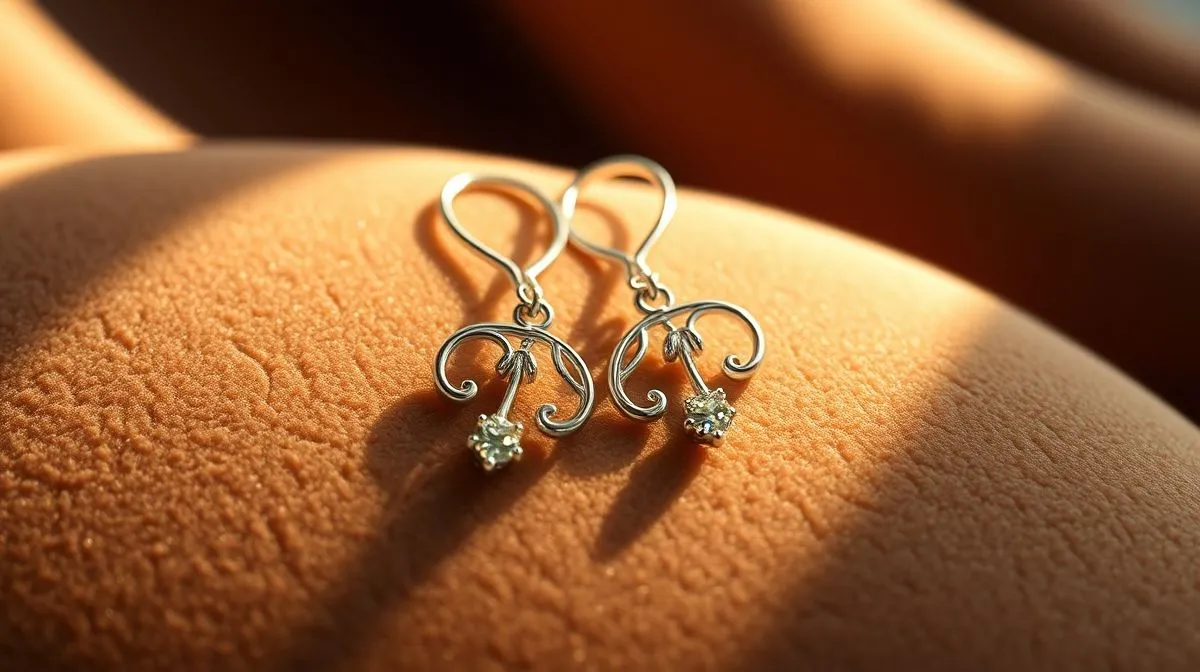
How to Care for Delicate Artisan Jewelry Pieces?
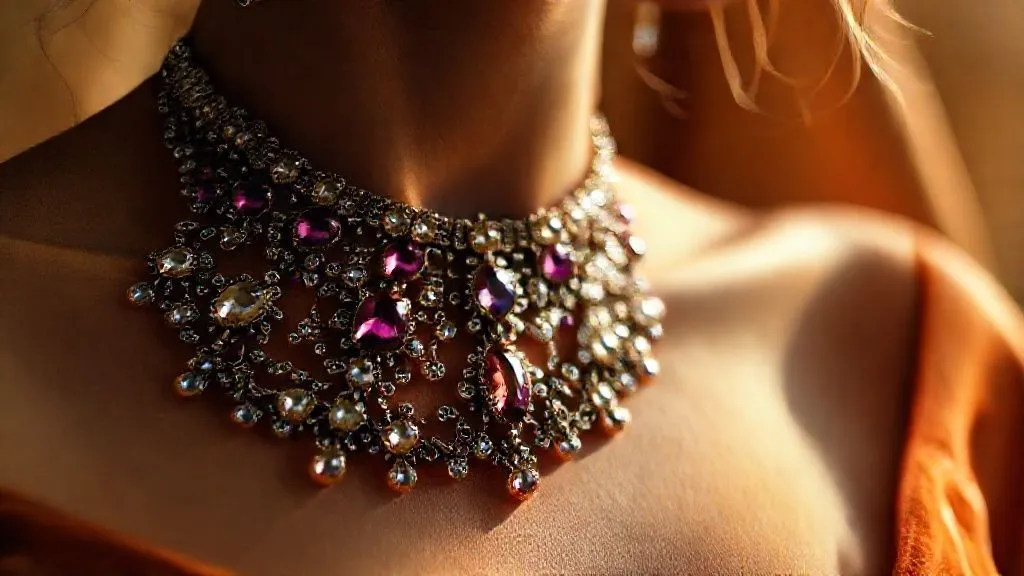
Have you ever held a piece of artisan jewelry in your hands and felt an immediate connection to its unique story, the craftsmanship, and the soul poured into its creation? These aren't just accessories; they are wearable art, often designed with intricate details, unique materials, and a level of fragility that mass-produced items rarely possess. Their charm lies in their individuality and the personal touch of the maker.
However, this very individuality often presents a challenge: how do we ensure these cherished, often delicate, pieces retain their original beauty and integrity for years, or even decades, to come? Unlike robust, factory-made items, artisan jewelry demands a more thoughtful and nuanced approach to care. Neglecting proper maintenance can lead to tarnish, damage, or even the loss of precious components, diminishing their value and sentimental worth.
This comprehensive guide is designed to empower you with the knowledge and practical tips needed to master the art of preserving your unique collection. From understanding the vulnerabilities of different materials to implementing safe cleaning and storage practices, you will learn everything required to ensure your beloved artisan pieces continue to shine brightly, just as their creators intended.
Understanding the Fragility of Artisan Jewelry
Before diving into specific care routines, it's crucial to grasp why artisan jewelry often requires such delicate handling. Its fragility stems from a combination of unique materials, intricate construction methods, and the inherent properties of natural elements.
What Makes Artisan Jewelry Unique?
Artisan jewelry stands apart due to its handcrafted nature. Makers often experiment with a diverse palette of materials, moving beyond common gold and silver. This can include exotic woods, hand-blown glass, polymer clay, antique beads, ethically sourced gemstones, and even repurposed industrial components. Each material brings its own set of characteristics, including varying levels of hardness, porosity, and susceptibility to environmental factors.
Furthermore, the techniques used are often highly specialized. Think of delicate filigree work, intricate wire wrapping, hand-painted enamels, or meticulously sculpted details. These methods, while creating stunning aesthetics, can also result in more vulnerable points in the piece's structure compared to solid, machine-stamped designs.
Common Vulnerabilities
The very elements that make artisan jewelry unique also contribute to its fragility. Soft metals, like fine silver or some alloys, are more prone to bending or scratching. Porous gemstones, such as turquoise, pearls, or opals, can absorb oils, chemicals, or even water, leading to discoloration or damage. Intricate settings, tiny prongs, or delicate chains can snag, bend, or break if not handled with extreme care. Adhesives used in certain designs might degrade over time or with exposure to moisture, causing components to detach. Understanding these inherent weaknesses is the first step in preventing damage.
The Golden Rules of Handling Delicate Pieces
Beyond specific cleaning routines, everyday habits play a monumental role in the longevity of your artisan jewelry. Adopting a mindful approach to wearing and handling can prevent a vast majority of common damages.
Gentle Touch is Key
It might sound obvious, but the importance of a gentle touch cannot be overstated. When putting on or taking off pieces, especially earrings with delicate hooks or necklaces with fine chains, avoid pulling, tugging, or forcing them. Always hold the sturdiest part of the jewelry, typically the metal setting, rather than a fragile bead or gemstone. Never drop your jewelry onto hard surfaces, as this can crack stones, bend settings, or cause components to break off.
"Last On, First Off" Principle
This simple mantra is one of the most effective ways to protect your delicate artisan jewelry. Always put your jewelry on as the very last step in your dressing routine, after applying makeup, perfume, hairspray, and lotions. These products contain chemicals that can dull finishes, erode organic materials, or even react with metals, leading to discoloration or damage. Similarly, take your jewelry off first before undressing or showering. This minimizes exposure to chemicals and reduces the risk of snagging on clothing.
Knowing When to Remove Your Jewelry
Certain activities are simply incompatible with wearing delicate jewelry. Always remove your pieces before:
- Sleeping: Chains can tangle, prongs can bend, and delicate elements can be crushed.
- Exercising: Sweat contains salts that can accelerate tarnish, and physical activity increases the risk of impact or snagging.
- Showering or Bathing: Water, especially chlorinated or hard water, can damage certain stones and metals. Soaps and shampoos can leave residue.
- Cleaning the House: Household chemicals are highly corrosive to most jewelry materials. Even "natural" cleaners can cause damage.
- Swimming: Chlorine and saltwater are extremely detrimental to metals and many gemstones, causing corrosion, discoloration, and dulling.
- Gardening or Manual Labor: Dirt, chemicals, and physical strain can easily damage or scratch pieces.
Adhering to these simple rules significantly reduces the risk of accidental damage and prolongs the life of your cherished artisan pieces.
Optimal Storage Solutions for Longevity
Proper storage is just as vital as careful handling and cleaning. The way you store your jewelry directly impacts its exposure to harmful elements and physical damage.
Individual Pouches and Compartments
The golden rule of storage for delicate jewelry is to keep pieces separated. Tossing all your jewelry into a single box is a recipe for disaster. Metals can scratch each other, chains can tangle into impenetrable knots, and delicate components can break off. Invest in soft cloth pouches (flannel or velvet are ideal), jewelry boxes with individual padded compartments, or even acid-free tissue paper for wrapping. This prevents abrasion and minimizes tangling.
Controlling Humidity and Temperature
Environmental factors are silent destroyers of jewelry. High humidity accelerates tarnish on silver and can cause certain organic materials like wood or amber to swell or crack. Extreme temperature fluctuations can also be detrimental. Store your jewelry in a cool, dry place, away from direct sunlight, heating vents, or radiators. A closet or a dresser drawer is often ideal. For particularly humid environments, consider using silica gel packets within your jewelry box to absorb excess moisture.
Avoiding Direct Sunlight and Extreme Heat
Prolonged exposure to direct sunlight can fade certain gemstones (like amethyst or topaz) and organic materials (like pearls or coral). Heat can also cause some stones to crack or become brittle, and it can weaken the adhesives used in some artisan pieces. Always store your jewelry away from windows or other sources of direct, intense light and heat.
Safe Cleaning Methods for Various Materials
Cleaning is essential, but it's where most damage occurs if done incorrectly. The key is to know your materials and use the gentlest method possible.
General Principles for Cleaning
Before attempting any cleaning, always identify the materials in your piece. A piece might combine silver, a porous stone, and a delicate enamel, each requiring a different approach. When in doubt, err on the side of caution. Always use a soft, lint-free cloth (microfiber is excellent) and avoid abrasive materials or harsh chemicals. Never use toothpaste, baking soda pastes, or other household cleaners not specifically designed for jewelry. For most pieces, a simple wipe with a dry or slightly damp cloth after wearing is sufficient to remove oils and dirt.
Precious Metals
Sterling Silver: Sterling silver is prone to tarnishing due to its copper content reacting with sulfur in the air. For light tarnish, gently rub with a silver polishing cloth. For heavier tarnish, a silver dip solution designed for jewelry can be used, but only if there are no porous stones or organic materials present, as these solutions can cause irreversible damage. Always follow product instructions carefully and rinse thoroughly. For more on silver tarnish, you can consult Wikipedia's section on Silver Tarnish.
Gold and Platinum: These metals are generally more stable. A solution of mild dish soap and warm water is usually sufficient. Soak the piece for a few minutes, then gently brush with a very soft toothbrush to remove dirt from crevices. Rinse thoroughly under running water (with the drain plugged!) and dry completely with a soft cloth. Avoid using harsh chemicals or abrasive cleaners.
Gemstones
The care for gemstones varies wildly depending on their hardness and porosity. Always be cautious with ultrasonic cleaners, as they can damage softer or fractured stones, and even dislodge pavé-set gems.
- Hard, Non-Porous Stones (Diamonds, Sapphires, Rubies): These can generally withstand gentle soap and water cleaning, and even a soft brush.
- Softer, Porous Stones (Turquoise, Opals, Pearls, Lapis Lazuli, Emeralds): These stones are highly sensitive. Avoid water, harsh chemicals, and extreme temperature changes. Clean only with a soft, dry or very slightly damp cloth. Never use ultrasonic cleaners or ammonia-based solutions. Pearls should be wiped with a damp cloth after each wear to remove body oils and then dried. For comprehensive information on gemstone care, the Gemological Institute of America (GIA) offers excellent resources.
- Organic Materials (Amber, Coral, Jet): Treat these similarly to porous gemstones. They are very sensitive to chemicals, heat, and excessive moisture. Wipe gently with a soft, dry cloth.
Mixed Media and Delicates
Many artisan pieces combine various materials, making cleaning more complex. For such items, the rule is to clean for the most delicate material present. If a piece has a porous stone set in silver, avoid silver dips. If it has delicate wirework, avoid brushing too vigorously. Sometimes, the best approach is simply a gentle wipe with a dry cloth or a professional cleaning by a jeweler experienced in artisan pieces. Never immerse pieces with glued components in water.
Recognizing and Preventing Common Damage
Proactive care involves not just cleaning, but also understanding the signs of potential damage and taking steps to prevent them.
Tarnish and Oxidation
Tarnish, particularly on silver, is a common issue. It's a chemical reaction that darkens the metal surface. While it can be cleaned, repeated tarnishing and aggressive cleaning can eventually wear down the metal. Prevention is key: store silver in anti-tarnish bags or cloths, keep it away from humidity, and avoid exposing it to chemicals like bleach, sulfur (found in some foods like eggs), and even certain types of paper or fabrics. Regular gentle polishing with a silver cloth can also prevent heavy build-up.
Scratches and Abrasions
Delicate metals and softer gemstones are highly susceptible to scratches. Always remove jewelry before engaging in activities where it might come into contact with hard surfaces. When storing, ensure pieces don't rub against each other. Even the simple act of setting a ring down on a counter can cause micro-scratches over time. Consider a soft tray or mat for placing jewelry temporarily.
Loose Settings and Clasps
Regularly inspect your artisan jewelry for signs of wear and tear. Check stone settings to ensure they are tight and secure. Gently jiggle stones to see if they move; if they do, a jeweler can often tighten the prongs or bezel. Examine clasps on necklaces and bracelets to ensure they close securely and aren't bent or worn. A loose clasp is an invitation for loss. Early detection of these issues can prevent the loss of a valuable stone or an entire piece.
When to Seek Professional Help
While this guide provides extensive advice on how to care for delicate artisan jewelry pieces, some situations warrant the expertise of a professional jeweler or conservator. Knowing when to step back and seek help is crucial for preserving your most treasured items.
Complex Repairs
If a piece is broken, has a loose or missing stone, or features intricate filigree work that has been bent or damaged, it's almost always best to take it to a professional. Attempting DIY repairs on delicate artisan jewelry can often lead to further, irreparable damage. Jewelers have specialized tools, knowledge of various materials, and techniques like laser welding that can repair intricate designs without damaging surrounding elements.
Deep Cleaning and Restoration
For heavily soiled pieces, or those that have lost their luster despite your best efforts, a professional cleaning might be necessary. Jewelers can use specialized equipment and solutions that are safe for a wider range of materials, often restoring a piece to its former glory. They can also perform light polishing to remove surface scratches that are beyond what a cloth can address. For antique or exceptionally fragile pieces, you might even consider a professional jewelry conservator, who specializes in the preservation and restoration of historical or highly valuable items.
Appraisals and Valuations
While not directly related to care, having your artisan jewelry appraised by a certified appraiser can be beneficial, especially for insurance purposes. An appraisal provides a detailed description of the piece, its materials, and its estimated value, which is crucial in case of loss, theft, or damage. This step underscores the value and unique nature of your artisan collection.
Cultivating a Mindset of Care and Appreciation
Ultimately, caring for delicate artisan jewelry pieces goes beyond a list of rules and cleaning methods; it's about cultivating a mindset of appreciation and respect for the artistry involved. These aren't just commodities; they are expressions of creativity, skill, and often, personal stories.
Viewing Jewelry as Wearable Art
When you view your artisan jewelry as wearable art, you naturally adopt a more protective stance. Each piece is a miniature sculpture, a painting, or a textile woven with intention. This perspective encourages mindfulness in how you wear, store, and clean your pieces, recognizing their value extends far beyond their monetary cost. It's about preserving a piece of someone's passion and skill.
The Joy of Preservation
The effort you put into caring for your artisan jewelry pays dividends in its longevity and enduring beauty. There's immense satisfaction in seeing a beloved piece, carefully maintained, continue to sparkle and tell its story year after year. This dedication ensures that these unique creations can be enjoyed by you, and potentially future generations, for a very long time, becoming heirlooms imbued with even deeper meaning.
Frequently Asked Questions (FAQ)
Can I use an ultrasonic cleaner for all artisan jewelry? No, definitely not. Ultrasonic cleaners should only be used for durable, non-porous stones and solid metal pieces. They can damage soft, porous, or fractured gemstones (like opals, pearls, or emeralds), organic materials, and pieces with glued components or delicate settings. Always check the materials first.
How often should I clean my delicate artisan pieces? For most pieces, a gentle wipe with a soft cloth after each wear is sufficient to remove oils and dirt. Deeper cleaning (like a mild soap bath for gold) can be done less frequently, perhaps every few months, depending on how often the piece is worn and its exposure to elements. For very delicate pieces, less is often more.
What's the best way to store necklaces to prevent tangling? To prevent tangling, store necklaces individually. You can hang them on a jewelry tree or hook, or lay them flat in separate compartments or soft pouches. For very fine chains, threading one end through a small straw before clasping can prevent knots.
My silver jewelry is tarnishing quickly, what can I do? Ensure it's stored in an airtight environment, ideally in an anti-tarnish bag or cloth. Avoid exposing it to high humidity, air pollutants, and chemicals. Regular, gentle polishing with a silver cloth can also slow down the tarnishing process.
Is it safe to wear artisan jewelry in the shower? It is generally not recommended. Water, especially with soap and shampoo, can leave residue, dull finishes, and damage certain gemstones or organic materials. It can also weaken adhesives and accelerate tarnish on metals. Always remove your jewelry before showering or bathing.
Recommended Reading
- The Ultimate Men's Capsule Wardrobe for Travel: Pack Light & Right!
- Unleash Your Style: How to Incorporate Bold Prints into Streetwear Outfits
- The Ultimate Guide: How to Properly Fit a Men's Formal Dress Shirt?
- Unveiling the Secret: How to Clean Delicate Theatrical Stage Costumes Like a Pro
- Shine On: How to Clean Diamond Jewelry at Home Safely (Easy Guide)
Conclusion
Mastering how to care for delicate artisan jewelry pieces is an investment in their beauty, longevity, and the preservation of their unique artistic spirit. By understanding their inherent vulnerabilities, adopting careful handling and storage habits, and employing appropriate cleaning techniques, you can significantly extend the life and luster of your cherished collection. Embrace the responsibility that comes with owning these exquisite works of art, and you will be rewarded with pieces that continue to tell their story and bring joy for generations to come. Your dedication to their care ensures that the passion of their creators lives on, sparkling brightly.

Your email address will not be published. Required fields are marked *