

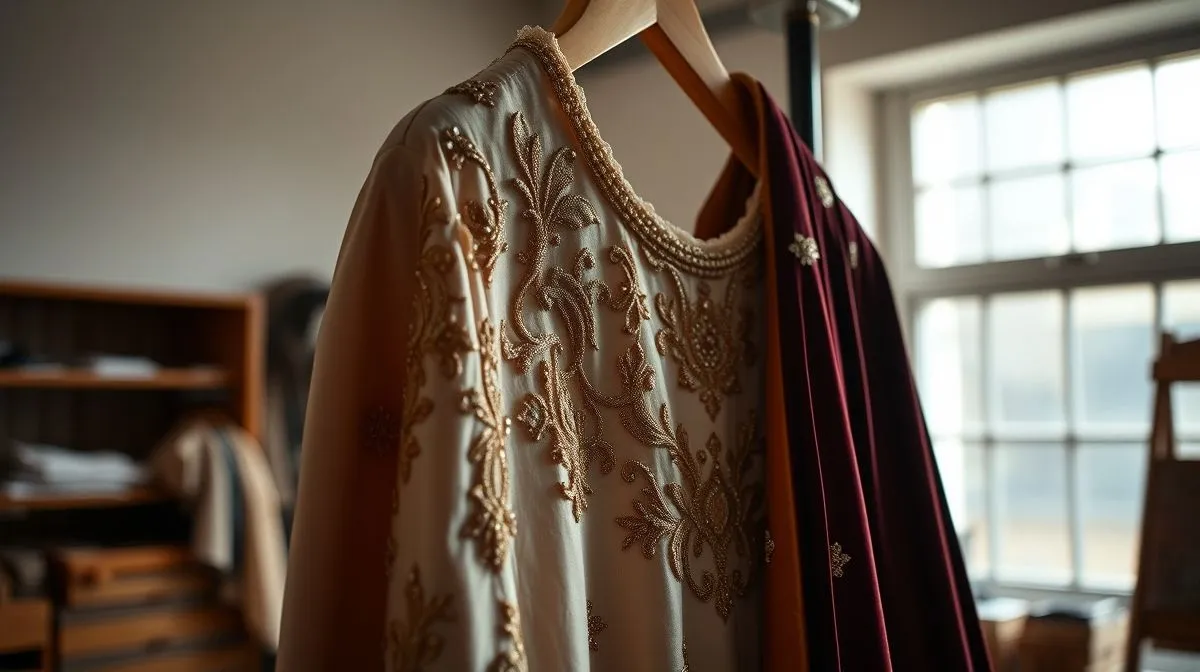
Introduction: The Art of Preserving Stage Magic: How to Clean Delicate Theatrical Stage Costumes
Imagine a century-old velvet cloak, its deep crimson still vibrant, having graced countless stages and witnessed untold stories unfold. Or perhaps a shimmering silk gown, hand-beaded and intricately embroidered, catching the spotlight with every graceful movement. These aren't just clothes; they are characters, artifacts, and vessels of theatrical history. But what happens when the curtain falls, and sweat, makeup, and stage grime threaten to diminish their magic?
The unique challenges of maintaining these sartorial masterpieces are immense. Unlike everyday garments, theatrical costumes are often constructed from a complex array of fragile materials—antique silks, fine lace, delicate embellishments, and sometimes, even genuine historical components. Their intricate designs, coupled with the rigors of performance, demand a cleaning approach far beyond a simple wash cycle. The problem isn't just about cleaning; it's about preservation, ensuring these pieces can continue to tell their stories for years to come.
This comprehensive guide delves into the precise art and science of how to clean delicate theatrical stage costumes. We will equip you with the knowledge, techniques, and crucial insights needed to tackle even the most challenging cleaning tasks, ensuring the longevity and brilliance of these irreplaceable artistic assets. From pre-cleaning assessments to specialized drying methods, prepare to master the meticulous care that every costume deserves.
Understanding the Unique Nature of Theatrical Costumes
Theatrical costumes are not merely garments; they are integral parts of a performance, designed to evoke specific eras, emotions, and characters. This artistic purpose imbues them with a unique set of characteristics that dictate their care.
Beyond Fabric: Embellishments and Construction
A costume's complexity often extends far beyond its primary fabric. Many pieces feature a myriad of embellishments such as sequins, beads, rhinestones, lace appliques, feathers, or intricate embroidery. These elements are often attached with delicate threads or glues that can be compromised by water, heat, or harsh chemicals. Furthermore, costumes might incorporate unusual materials like metals, plastics, or even historical components, each requiring a specific cleaning protocol. Understanding the entire construction, including linings, interfacings, and fastenings, is paramount before any cleaning attempt.
The Impact of Performance: Sweat, Makeup, and Stage Grime
The life of a stage costume is demanding. Performers sweat, makeup smudges, and the stage environment itself contributes dust, dirt, and sometimes even sticky residues from props. These contaminants aren't just superficial; sweat can degrade fabrics over time, leading to discoloration and brittleness, especially in natural fibers like silk and wool. Makeup, particularly oil-based varieties, can set into fibers, creating stubborn stains. Addressing these performance-specific soils effectively, yet gently, is a core challenge in costume maintenance.
The Golden Rules of Delicate Costume Care
Before any cleaning action is taken, a foundational set of principles must guide your approach to cleaning delicate theatrical stage costumes. Adhering to these rules minimizes risk and maximizes the chances of successful preservation.
Assessment is Key: Know Your Materials
Before touching a single drop of cleaning solution, thoroughly inspect the costume. Identify every fabric type, every embellishment, and every construction method. Is it silk, velvet, wool, or a synthetic blend? Are there beads, sequins, feathers, or painted elements? Check for existing damage like tears, loose threads, or degraded areas. This initial assessment dictates the entire cleaning strategy. For historical or extremely valuable pieces, consulting with a professional textile conservator is always advisable. Resources like the American Institute for Conservation of Historic & Artistic Works (AIC) can provide valuable guidance.
Test, Test, Test: Spot Cleaning First
Never apply a cleaning solution directly to a visible area without first testing it on an inconspicuous spot. This could be an inside seam, a hidden hem, or a small patch of spare fabric if available. Apply a tiny amount of your chosen cleaning agent and observe for any color bleeding, discoloration, fabric shrinkage, or damage to embellishments. Wait for it to dry completely to see the final effect. This crucial step prevents irreversible damage.
Gentle is Gold: Avoid Harsh Chemicals
Aggressive detergents, strong bleaches, or industrial solvents are the enemies of delicate costumes. Opt for the mildest possible cleaning agents. pH-neutral soaps specifically designed for delicate fabrics, or even distilled water, are often the best choices. Remember, the goal is to remove soil, not to strip the fabric or damage its structure. Patience and gentle mechanical action are far more effective and safer than harsh chemical intervention.
Pre-Cleaning Preparations: Setting the Stage for Success
Thorough preparation is the unsung hero of successful costume cleaning. These steps ensure you are ready to tackle the main cleaning process with confidence and minimal risk.
Documentation and Disassembly
Before any cleaning, document the costume extensively. Take detailed photographs from multiple angles, noting construction, embellishments, and any existing damage or stains. If parts of the costume (e.g., removable sleeves, collars, or accessories) can be safely detached, do so. This allows for individual treatment of components and prevents damage to one part from affecting another. Number or label pieces carefully to ensure correct reassembly.
Dusting and Debris Removal
The first physical step is to remove any loose dust, dirt, or surface debris. This can be done with a soft brush, a lint roller (used gently, especially on embellished areas), or a small, handheld vacuum cleaner with a brush attachment and very low suction. Always work in a clean, well-lit area. Removing this surface layer prevents it from turning into mud once wet.
Stain Identification and Pre-Treatment
Identify all stains and, if possible, determine their origin (e.g., makeup, sweat, food, stage blood). Different stains require different approaches. For example, oil-based stains might respond to a gentle solvent or cornstarch, while protein-based stains (like blood) require enzymatic cleaners or cold water. Pre-treat stubborn stains by applying a tiny amount of appropriate cleaner to the tested area and gently blotting. Avoid rubbing, which can spread the stain or damage fibers. For comprehensive stain removal techniques, resources like those from the George Washington University Museum and The Textile Museum can be invaluable.
Cleaning Methods for Various Delicate Materials
The core of how to clean delicate theatrical stage costumes lies in understanding and applying material-specific cleaning techniques. No single method fits all.
Silks and Satins: The Gentle Hand Wash
Silk and satin are luxurious but fragile. They can lose their sheen or shrink with improper washing. Hand washing is generally preferred. Fill a clean basin with cool to lukewarm water and add a few drops of pH-neutral silk detergent. Submerge the garment, gently swishing it. Do not wring or twist. Rinse thoroughly under cool, running water until no suds remain. Support the garment's weight as you lift it to prevent stretching.
Velvets and Brocades: Spot Cleaning and Steaming
Velvet's pile can be crushed or distorted by water, and brocades can be stiffened. Full immersion is often not recommended. Spot cleaning with a very lightly dampened cloth and mild detergent is usually the safest approach. For refreshing and removing odors, gentle steaming can be effective, but hold the steamer a safe distance away and test first. Never press velvet with an iron; use a steamer or hang in a steamy bathroom.
Sequins, Beads, and Embroidery: Protecting the Sparkle
Embellished areas are highly vulnerable. If possible, avoid getting these areas wet. If cleaning is necessary, use a damp cloth to gently wipe the surface. For attached beads or sequins, ensure they are securely fastened before any cleaning. Some embellishments, especially vintage ones, may be made of materials that dissolve or discolor with water or solvents. Consider professional cleaning for heavily embellished pieces.
Leather and Faux Leather: Specialized Care
Leather costumes require specific leather cleaners and conditioners. Wipe surfaces with a damp cloth and a small amount of mild soap, then wipe clean and condition. Faux leather can often be wiped clean with a damp cloth and mild detergent. Always avoid soaking or machine washing either, as this can cause cracking, peeling, or stiffness.
Feathers, Fur, and Hairpieces: Handling with Care
Feathers and fur (real or faux) can be incredibly delicate. For feathers, a gentle shake or a light dusting with a soft brush often suffices. If soiled, very gentle spot cleaning with a damp cloth and mild soap can be attempted, but allow to air dry completely. Real fur often requires professional fur cleaning. Hairpieces (wigs, beards, mustaches) should be cleaned using wig-specific shampoos and conditioners, carefully rinsed, and dried on a wig stand to maintain their shape.
Drying and Finishing: The Final Act of Preservation
Improper drying can undo all the careful cleaning work, leading to shrinkage, stretching, or mildew. This stage is as critical as the cleaning itself.
Air Drying Techniques
Never put delicate costumes in a tumble dryer. The heat and agitation are highly damaging. Instead, air dry them. For heavy or structured garments, lay them flat on a clean, dry towel, reshaping them as they dry. For lighter items, hang them on padded hangers, ensuring even weight distribution to prevent stretching. Place them in a well-ventilated area away from direct sunlight or heat, which can cause fading or damage. Rotate the garment periodically to promote even drying.
Steaming vs. Ironing
Once dry, wrinkles may need addressing. Steaming is often the safest method for delicate fabrics, as it uses moisture and heat without direct contact pressure. Hold the steamer a safe distance from the fabric. If ironing is necessary, always use the lowest heat setting appropriate for the fabric, use a pressing cloth, and iron on the reverse side of the fabric. Never iron over embellishments or raised surfaces.
Minor Repairs and Restoration
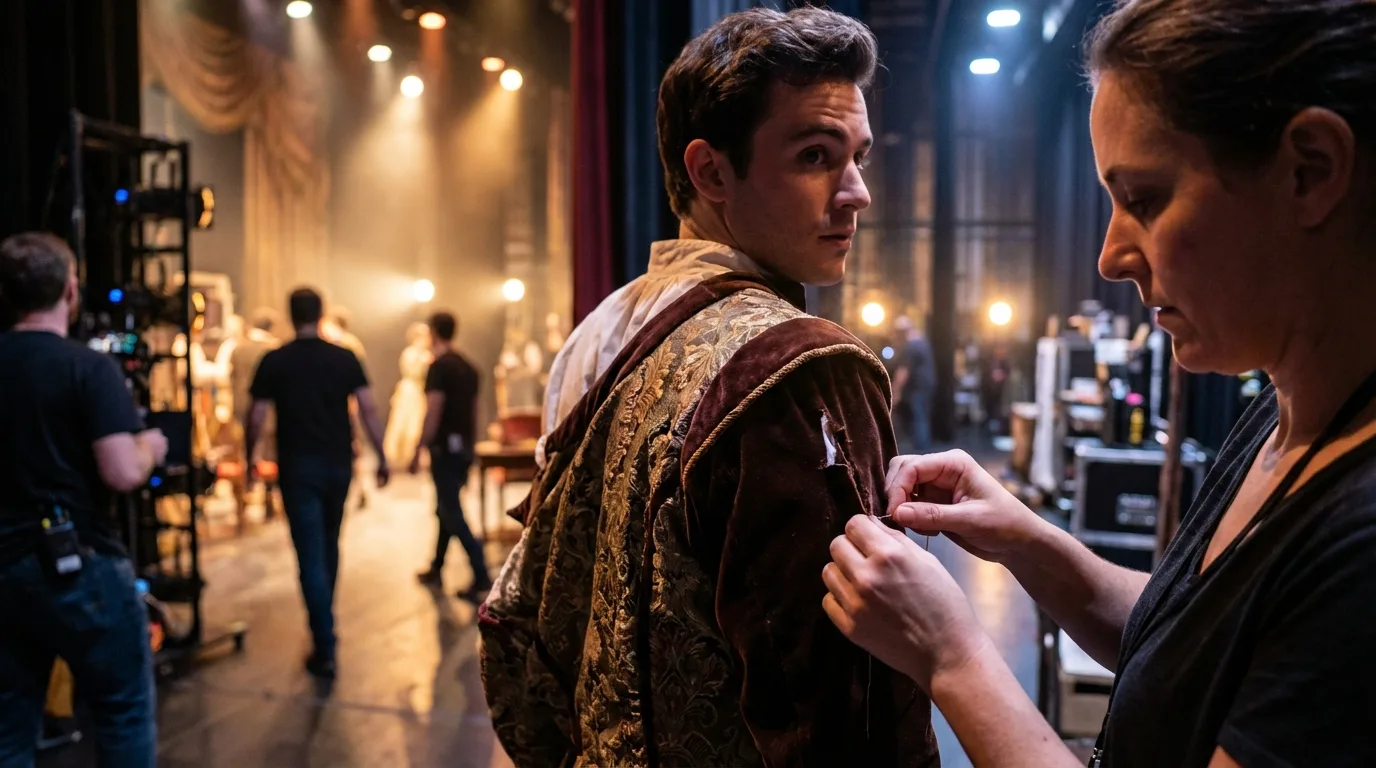
After cleaning and drying, inspect the costume for any new or previously unnoticed damage. Loose beads, unraveled seams, or minor tears should be addressed promptly. Small repairs can often be done by hand with a needle and thread, using matching thread colors and appropriate stitches. For significant damage or historical pieces, professional textile conservators or experienced theatrical costume stitchers should be consulted.
Storage Solutions: Protecting Your Investment Between Performances
Proper storage is crucial for the long-term preservation of theatrical costumes, protecting them from dust, light, pests, and environmental damage.
Proper Hanging and Folding
Heavy or structured costumes should be hung on padded hangers that support the garment's shoulders and prevent stretching or distortion. Avoid wire hangers. For delicate or heavily embellished items, or those prone to stretching (e.g., knits), folding them carefully into acid-free boxes with acid-free tissue paper is a better option. Ensure folds are soft and not sharply creased, which can damage fibers over time.
Environmental Control: Humidity and Pests
Costumes should be stored in a cool, dark, dry, and well-ventilated environment. High humidity can lead to mildew and degradation, while extreme dryness can make fabrics brittle. Aim for a stable temperature and relative humidity. Pests like moths and silverfish are a major threat; use natural repellents like cedar or lavender sachets, or consider archival pest control methods. Regular inspection of stored costumes is essential.
Archival Storage for Historical Pieces
For truly historical or highly valuable costumes, archival storage practices are paramount. This involves using acid-free, lignin-free materials for all storage components (boxes, tissue paper, garment bags). Garments should be stored flat if possible or on custom-padded forms. Specialized climate-controlled storage facilities are ideal for long-term preservation of irreplaceable items, aligning with best practices in textile conservation.
Common Pitfalls and How to Avoid Them
Even with the best intentions, mistakes can happen. Recognizing common pitfalls can save valuable costumes from irreversible damage when learning how to clean delicate theatrical stage costumes.
The Dangers of Machine Washing
Machine washing, even on a delicate cycle, is rarely suitable for theatrical costumes. The agitation, high spin speeds, and often excessive water volume can stretch, tear, or distort delicate fabrics and dislodge embellishments. Unless a costume is specifically designed for machine washability (which is rare for true theatrical pieces), always opt for hand washing or professional cleaning.
Over-Aggressive Stain Removal
Attempting to scrub out a stubborn stain with excessive force or harsh chemicals is a common mistake. This can abrade the fabric, create a permanent 'halo' around the stain, or even remove dye. Patience and gentle, repeated applications of a mild cleaner are far more effective. If a stain doesn't respond to gentle treatment, it's often best to leave it to a professional.
Ignoring Professional Advice
For complex, historically significant, or extremely fragile costumes, attempting DIY cleaning can be disastrous. Professional costume cleaners and textile conservators possess specialized knowledge, equipment, and experience. Ignoring their advice or opting out of professional services when warranted is a significant risk. According to experts in textile conservation, proper assessment by a professional can prevent irreparable damage and ensure the longevity of valuable items.
When to Call in the Experts: Professional Costume Cleaners
While this guide provides extensive knowledge on how to clean delicate theatrical stage costumes, there are instances where professional intervention is not just recommended, but essential.
Recognizing Complex Challenges
If a costume features a combination of extremely delicate materials (e.g., antique lace with intricate beadwork), multiple types of stubborn stains, or if it holds significant historical or monetary value, it's time to call a professional. Costumes with unknown fabric compositions, or those that have already suffered previous damage, also fall into this category. Professionals have the expertise to identify materials and choose the safest, most effective cleaning methods.
The Value of Specialized Knowledge
Professional costume cleaners and textile conservators have access to specialized equipment, solvents, and techniques not available to the average individual. They understand the nuances of textile chemistry and can safely treat a wide range of issues without compromising the integrity of the garment. Investing in professional cleaning for truly invaluable pieces is an investment in their preservation for future generations.
Frequently Asked Questions (FAQ)
Can I use a regular dry cleaner for my theatrical costumes? Generally, no. Regular dry cleaners often use harsh chemicals and aggressive processes that can damage delicate fabrics, embellishments, and dyes common in theatrical costumes. Seek out a specialist in costume or textile conservation.
How often should theatrical costumes be cleaned? It depends on usage and material. Costumes worn frequently, especially by actors who sweat a lot, may need cleaning after every few performances. Less frequently used or extremely delicate pieces might only need cleaning seasonally or when visibly soiled. Always prioritize gentle methods to extend the costume's life.
What's the best way to remove makeup stains from a costume? Identify the type of makeup (oil-based, water-based). For oil-based, a gentle solvent or cornstarch can help absorb oil before gentle washing. For water-based, a mild soap and cool water applied with a blotting motion is often effective. Always test on an inconspicuous area first.
Can I repair a tear in a delicate costume myself? For minor, simple tears, careful hand-stitching with a fine needle and matching thread might be possible. However, for significant damage, structural issues, or historical pieces, it's always best to consult a professional costume stitcher or textile conservator to prevent further damage.
Recommended Reading
- Eco-Friendly Kids Clothes: Last Longer & Save You Money!
- Most Flattering Denim Wash for Men: Look Your Best!
- Ultimate Guide: Athleisure Wear for Long Flights & Total Comfort
- Haute Couture: Is Exclusive Design Investment a Smart Move?
- Find Your Perfect Hat: The Ultimate Guide to Choosing the Right Style for Your Face Shape
Conclusion
The art of how to clean delicate theatrical stage costumes is a meticulous blend of knowledge, patience, and respect for the craft. By understanding the unique challenges these garments present, adhering to the golden rules of assessment and gentleness, and employing material-specific cleaning and drying techniques, you become a guardian of stage magic. Remember, every stitch, every bead, and every fiber holds a piece of performance history. Embrace the responsibility with confidence, and these extraordinary costumes will continue to captivate audiences for many encores to come, preserving their legacy for future generations of theatre lovers and artists alike.


Your email address will not be published. Required fields are marked *