

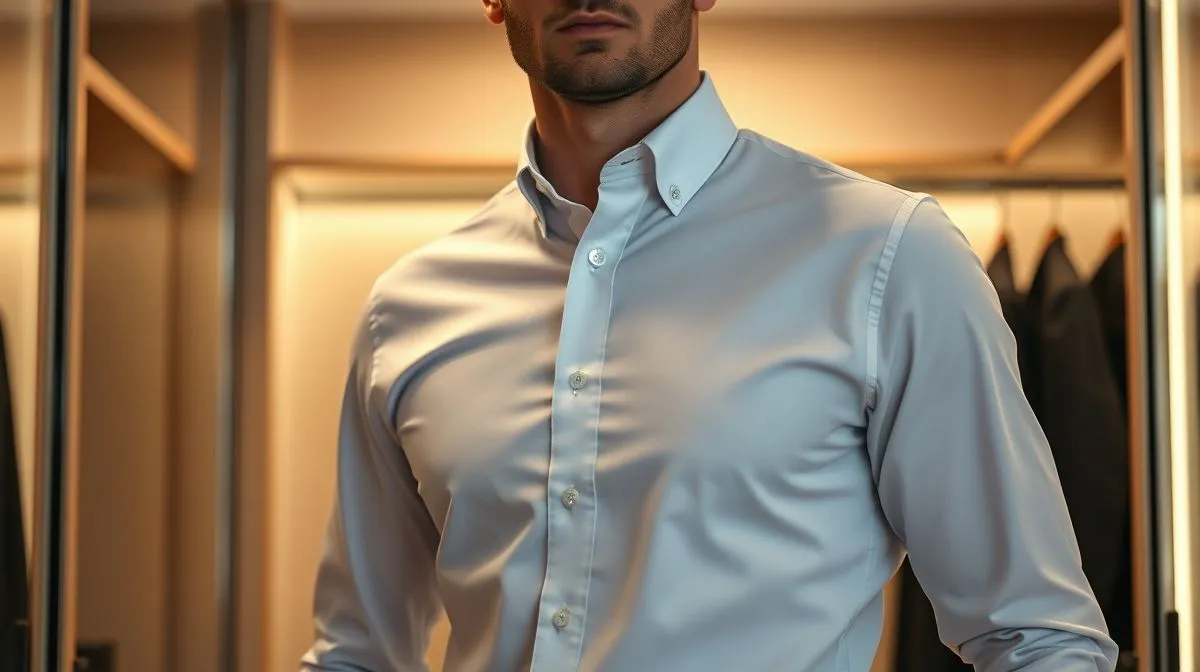
Unlock the Secret: How to Properly Fit a Men's Formal Dress Shirt?
Have you ever put on a dress shirt and felt something was just... off? Perhaps the collar was too tight, the sleeves too long, or the fabric billowed around your waist like a sail. It’s a common scenario, and one that can instantly undermine an otherwise impeccable outfit. A poorly fitting dress shirt doesn't just look bad; it can make you feel uncomfortable and less confident, regardless of the quality of the suit or tie you pair it with.
The problem often lies in the misconception that a dress shirt is merely a piece of fabric. In reality, it's a foundational element of a man's formal wardrobe, and its fit dictates the overall silhouette and impression you make. Many men settle for off-the-rack sizes that are 'close enough,' unaware of the transformative power of a truly well-fitted shirt. This oversight can lead to a perpetually disheveled appearance, even in the most formal settings.
This definitive guide will unravel the mysteries of the perfect dress shirt fit. We will delve into every critical measurement, explain why each dimension matters, and equip you with the knowledge to identify and achieve a fit that not only looks sharp but feels incredibly comfortable. By the end of this reading, you will understand precisely how to properly fit a men's formal dress shirt, ensuring you always present your best self.
Why Fit Matters: The Unseen Impact on Your Style
The saying 'clothes make the man' holds a profound truth, but it's more accurate to say 'fit makes the man.' A dress shirt that fits impeccably projects an image of confidence, attention to detail, and professionalism. Conversely, an ill-fitting shirt, no matter how expensive, can make you appear sloppy or even larger than you are. It’s the subtle difference that separates looking merely dressed from looking truly distinguished.
Beyond aesthetics, fit profoundly impacts comfort. A shirt that’s too tight restricts movement and can cause discomfort throughout the day, while one that’s too loose creates excess fabric that bunches and looks untidy. The ideal fit allows for full range of motion without excess material, making it a pleasure to wear from morning meetings to evening events. This balance of form and function is paramount for any formal attire.
Understanding Shirt Measurements: Beyond Neck and Sleeve
While neck and sleeve measurements are crucial starting points, they are far from the whole story when it comes to achieving the perfect fit. A truly well-fitted shirt considers several other dimensions that contribute to its overall drape and comfort. Ignoring these can lead to common fitting issues even if your neck and sleeves are correct.
- Collar Size: Measured around the base of your neck.
- Sleeve Length: Measured from the center back of your neck, across your shoulder, and down to your wrist.
- Chest Measurement: Taken around the fullest part of your chest.
- Waist Measurement: Taken around your natural waistline.
- Shirt Length: Measured from the top of the shoulder seam down to the hem.
- Shoulder Width: Measured across the back from shoulder seam to shoulder seam.
Understanding these measurements is the first step towards diagnosing fit issues and communicating effectively with tailors or sales associates. It empowers you to move beyond generic sizing and demand a fit that truly complements your physique.
Key Areas of Fit: A Head-to-Toe Breakdown
Achieving the perfect dress shirt fit requires attention to several critical areas. Each plays a vital role in the overall comfort and aesthetic of the garment. Neglecting even one can compromise the entire look.
Neck Fit: The Two-Finger Rule
The collar is the frame for your face, and its fit is immediately noticeable. A collar that is too tight can be suffocating and uncomfortable, while one that is too loose will look sloppy and can make your tie appear askew. The golden rule for collar fit is simple: you should be able to comfortably slip two fingers between the collar and your neck when the top button is fastened. Any more space, and it's too loose; any less, and it's too tight. This allows for comfort and a clean line when wearing a tie.
Shoulder Seams: The Foundation of Fit
The shoulder seams are arguably the most critical indicator of a shirt's overall fit. They should ideally sit precisely where your shoulder ends and your arm begins. If the seam extends past this point, the shirt is too big, leading to excess fabric in the sleeves and chest. If it sits inward, the shirt is too small, causing pulling across the chest and restricting arm movement. A properly aligned shoulder seam creates a clean, structured silhouette that is essential for a formal look.
Chest and Torso: Avoiding the Billow and the Strain
This section addresses the body of the shirt. The chest area should be snug but not tight, allowing for full range of motion without pulling across the buttons. You should be able to cross your arms comfortably without feeling constricted. For the torso, the goal is to eliminate excess fabric without the shirt clinging to your body. A common mistake is a shirt that billows excessively around the waist when tucked in, creating an unflattering 'muffin top' effect. Conversely, a shirt that is too tight will show every contour and strain at the buttons, which is equally undesirable. The shirt should gently follow the lines of your body, offering a clean, tapered look without being restrictive. According to a study by the University of Leeds on textile engineering, proper garment fit significantly impacts both perceived professionalism and wearer comfort.
Sleeve Length and Cuff: The Perfect Wrist Kiss
The sleeve length is crucial, especially when wearing a jacket. The cuff should end precisely where your wrist meets your hand, just above the wrist bone. When wearing a jacket, approximately half an inch of your shirt cuff should be visible beyond the jacket sleeve. If the sleeves are too long, they will bunch up; if too short, they will disappear into your jacket. The cuff itself should be snug enough that it doesn't slide freely up your forearm but loose enough to allow you to check your watch comfortably. You should be able to slip your hand through the fastened cuff with only a slight resistance.
Shirt Length: Tucked In or Out?
For a formal dress shirt, the length is designed to be tucked in. The shirt tail should be long enough to remain securely tucked throughout the day, even with movement. A good indicator is if the shirt reaches the bottom of your fly or slightly below your crotch when untucked. This ensures it won't pull out when you raise your arms or sit down. Shirts meant to be worn untucked (like casual button-downs) are typically shorter, ending around the middle of your fly.
The Fabric Factor: How Material Influences Fit and Comfort
The fabric of your dress shirt plays a surprisingly significant role in how it fits and feels. While the measurements are static, the drape, stretch, and breathability of different materials can alter the perceived fit and overall comfort. For example, a shirt made of 100% cotton poplin will feel different from one made of a cotton-spandex blend or a thicker oxford cloth.
- Cotton: The most common dress shirt material, offering breathability and a crisp feel. Varieties like poplin, twill, and pinpoint differ in weave and texture, affecting drape.
- Blends (e.g., Cotton-Polyester): Often more wrinkle-resistant and durable, but can be less breathable than pure cotton. The synthetic component can sometimes give a slightly stiffer feel.
- Linen: Highly breathable and absorbent, ideal for warmer climates, but wrinkles easily. Its relaxed drape is less formal.
- Performance Fabrics: Newer synthetic blends designed for stretch, moisture-wicking, and wrinkle resistance. These can offer a more forgiving fit and greater comfort for active individuals.
When trying on a shirt, consider how the fabric moves with your body. A fabric with a slight stretch might allow for a slightly trimmer fit, while a rigid cotton requires more room to prevent pulling. Understanding fabric properties helps you choose shirts that not only fit well but also suit your climate and lifestyle. For more information on textile properties, refer to academic resources like the Wikipedia page on Textiles.
Common Fitting Mistakes to Avoid
Even with the best intentions, men often fall prey to common fitting errors that undermine their efforts. Being aware of these pitfalls can help you avoid them and achieve a superior fit.
- Ignoring the Shoulder Seams: As discussed, this is the foundation. Don't compromise here.
- Buying for Neck Size Only: Many men focus solely on the collar, leading to shirts that fit the neck but billow elsewhere.
- Too Much Fabric in the Torso: The dreaded 'parachute' effect. This is usually due to buying a shirt that's too wide or not tapered enough.
- Sleeves That Are Too Long or Short: This ruins the clean line and impacts how your jacket fits over the shirt.
- Overlooking Fabric Stretch: Assuming all materials will behave the same way. A little stretch can forgive minor fit imperfections, but don't rely on it to make a too-small shirt work.
- Not Trying On With a Tie/Jacket: Always test the collar with a tie and see how the shirt interacts with your suit jacket, especially for sleeve length.
Avoiding these common mistakes is a significant step towards mastering how to properly fit a men's formal dress shirt and presenting a polished appearance.
Tailoring vs. Off-the-Rack: When to Invest
While off-the-rack shirts offer convenience, they are designed for an average build. Very few men fit this 'average' perfectly, which is why tailoring often becomes a necessity for an exceptional fit. Understanding when to opt for tailoring can save you time and improve your wardrobe significantly.
Off-the-Rack (Ready-to-Wear)
These are mass-produced shirts available in standard sizes (e.g., S, M, L or neck/sleeve combinations). They are convenient and generally more affordable. If you have a relatively standard build, you might find a good fit. However, expect to make compromises, especially in the torso or sleeve width. You might find a shirt that fits well in the shoulders and neck but is too baggy in the waist, or vice-versa.
Tailoring (Alterations)
For most men, even a good off-the-rack shirt can benefit from minor alterations. Common alterations include:
- Taking in the Sides: To reduce excess fabric in the torso, creating a more tapered look.
- Shortening Sleeves: If the length is slightly off.
- Adjusting Cuffs: To make them narrower or wider.
- Shortening the Hem: For casual shirts worn untucked, or if the formal shirt is excessively long.
A skilled tailor can transform a 'good enough' shirt into a 'perfect' one, making it look custom-made for your body. This investment is often minimal but yields significant returns in appearance and comfort.
Made-to-Measure or Bespoke
For the ultimate fit, made-to-measure or bespoke shirts are the answer. Made-to-measure shirts are created from a standard pattern that is then adjusted to your specific measurements. Bespoke shirts are crafted from a unique pattern created solely for you, involving multiple fittings. These options offer unparalleled fit and customization, but come at a higher price point. If you frequently wear formal attire or have a challenging body type, this investment is highly recommended for achieving the pinnacle of personal style. For insights into the history and practice of bespoke tailoring, a visit to the Bespoke Tailoring Wikipedia page can be enlightening.
Caring for Your Perfectly Fitted Shirt
Once you've invested in a perfectly fitted dress shirt, proper care is essential to maintain its integrity and fit. Incorrect washing or drying can cause shrinkage or damage, undoing all the effort put into achieving that ideal fit.
- Read the Care Label: Always check the manufacturer's instructions.
- Cold Water Wash: Helps prevent shrinkage and preserves fabric color.
- Gentle Cycle: Reduces wear and tear on the fabric and seams.
- Air Dry or Low Heat Tumble: High heat is a common culprit for shrinkage, especially with cotton shirts. Air drying or tumble drying on a very low heat setting is preferable.
- Ironing: Ironing while slightly damp can make the process easier and result in a crisp finish. Pay attention to the collar, cuffs, and placket for a sharp look.
Consistent care ensures your perfectly fitted shirts remain a cornerstone of your wardrobe for years to come, always ready to present you in the best possible light.
Frequently Asked Questions (FAQ)
Can a dress shirt be tailored if it's too big? Yes, most dress shirts can be tailored if they are too big, especially in the torso (sides can be taken in) and sleeves (can be shortened). However, if the shoulders are too wide, it's a very complex and expensive alteration, often not worth the cost.
How do I know my correct sleeve length? To measure sleeve length, bend your arm slightly, then measure from the center back of your neck, across the top of your shoulder, down your arm, and to your wrist bone. Alternatively, try on shirts and ensure the cuff hits where your wrist meets your hand.
Should a formal dress shirt be tight? No, a formal dress shirt should not be tight. It should be snug enough to follow your body's contours without pulling or straining across the chest, back, or buttons. You should be able to move freely and comfortably.
What's the difference between slim fit and classic fit? Classic fit shirts offer a more relaxed, traditional cut with more room in the chest, waist, and sleeves. Slim fit shirts are cut closer to the body, with a narrower waist and sleeves, designed for a more contemporary, streamlined silhouette. Neither should be tight, but slim fit is definitely more tapered.
How many dress shirts should a man own? The number varies by lifestyle, but a good starting point for a man who wears formal attire regularly is 5-7 quality dress shirts, allowing for rotation and cleaning. This can be expanded based on specific needs and style preferences.
Recommended Reading
- Stylish Glasses for Sensitive Eyes: The Ultimate Guide to Comfort and Style
- Sparkle Secrets: How to Clean Diamond Jewelry at Home Like a Pro
- Ultimate Guide: Best Men's Wallet Styles For Minimalist Carry
- Is Virtual Try-On Accurate for Clothes? The Surprising Truth!
- Unlock the Future: Can Robots Slash Waste in Fashion Manufacturing?
Conclusion
Mastering how to properly fit a men's formal dress shirt is more than just a style choice; it's an investment in your comfort, confidence, and overall presentation. From the critical two-finger rule for the collar to the precise placement of shoulder seams and the ideal sleeve length, every detail contributes to a cohesive and polished look. By understanding your measurements, recognizing common fitting mistakes, and knowing when to seek professional tailoring, you can transform your wardrobe and elevate your personal brand. Embrace the pursuit of the perfect fit, and you'll discover a newfound appreciation for the power of well-dressed elegance.





Your email address will not be published. Required fields are marked *