

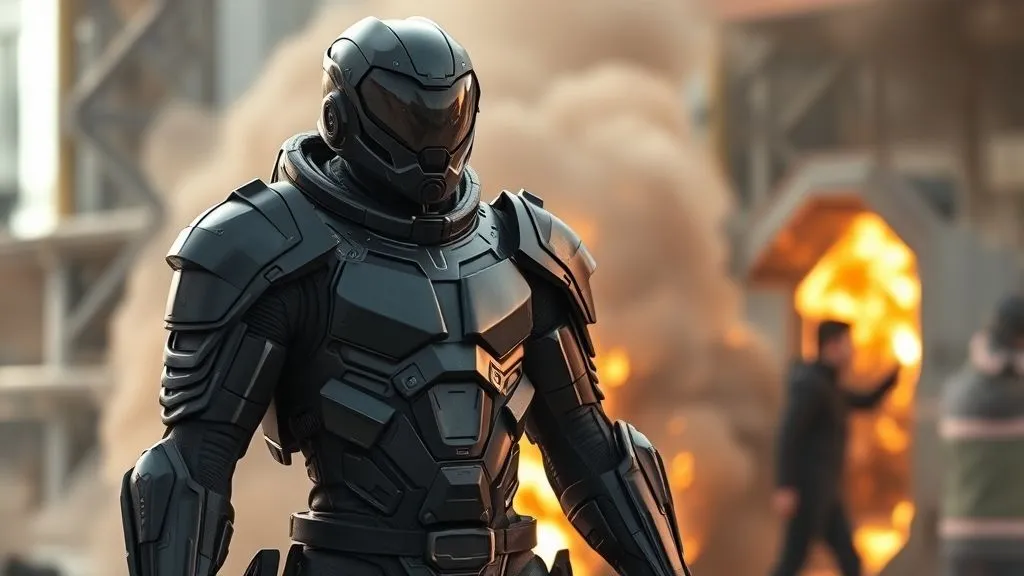
Preventing Damage to Intricate Special Effects Costumes During Stunts?
For over two decades in the demanding world of film and television, I've witnessed firsthand the heart-stopping moment when a meticulously crafted, often multi-million dollar, special effects costume faces its ultimate test: a high-octane stunt. The tension is palpable, not just for the performer, but for the entire costume department whose blood, sweat, and tears are woven into every fiber. I've seen masterpieces emerge unscathed, and I've also seen the devastating aftermath of a miscalculation, leading to costly repairs, schedule delays, and artistic compromise.
The challenge of protecting these intricate works of art while allowing for dynamic performance is one of the most complex puzzles in modern filmmaking. It's a delicate balance between aesthetic perfection, structural integrity, and the raw kinetic energy of a stunt. The pain point is clear: how do we ensure our incredible creations survive the rigors of action without sacrificing their visual impact or, more importantly, the safety of the performer?
In this definitive guide, I will share my accumulated wisdom, drawing from countless productions and cutting-edge innovations. We'll explore actionable frameworks, real-world strategies, and expert insights that will not only minimize damage to your intricate special effects costumes during stunts but elevate your entire production process, ensuring both visual spectaculars and robust longevity. This isn't just about patching holes; it's about a holistic approach to costume engineering and stunt integration.
The Foundation: Pre-Visualization & Integrated Stunt Choreography
The battle for costume integrity begins long before the first camera rolls. It starts in the pre-production phase, where meticulous planning and seamless integration between costume designers, stunt coordinators, and VFX supervisors are paramount. Ignoring this crucial step is, in my experience, the most common and easily avoidable pitfall.
Early Collaboration for Design & Functionality
I always advocate for costume design to be an integral part of stunt choreography discussions from day one. This isn't just about aesthetics; it's about anticipating every bend, twist, and impact. A costume that looks fantastic but restricts movement or is inherently fragile in key stress points is a liability waiting to happen.
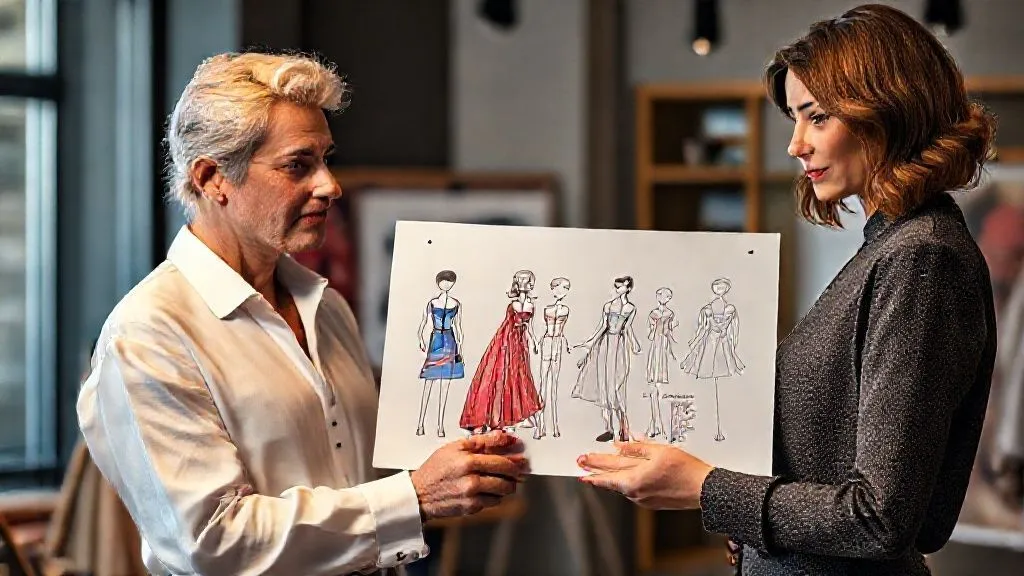
- Initial Concept Review: Present costume sketches and material proposals to the stunt team early. Discuss potential points of failure, range of motion requirements, and specific stunt movements.
- Stunt Breakdown Analysis: Work through the stunt script page by page. Identify every moment where the costume will be stressed, impacted, or dragged.
- Digital Pre-Visualization: Utilize virtual production tools and 3D modeling to simulate costume movement and potential points of contact during stunt sequences. This allows for virtual stress testing.
This early, iterative process allows for design modifications that can significantly enhance durability without compromising the artistic vision. It’s about building in resilience from the ground up.

Advanced Material Science & Construction Techniques
The choice of materials and how they are assembled is the bedrock of a durable special effects costume. We're no longer limited to traditional fabrics; the advent of material science offers incredible opportunities to build strength and flexibility into our creations.
Selecting Resilient & Responsive Materials
When I'm faced with a challenging stunt sequence, my first thought goes to the material palette. It's not just about what looks good; it's about what performs under pressure. Modern composites, technical fabrics, and smart polymers are game-changers.
- High-Tensile Strength Fabrics: Consider materials like ripstop nylon, Cordura, or even specialized Kevlar blends for areas prone to tearing or abrasion.
- Flexible Armor & Composites: Instead of rigid, brittle plastics, explore thermoformable plastics like Kydex, or even flexible urethane rubbers and silicones that can absorb impact without cracking.
- Self-Healing & Smart Materials: While still emerging, some experimental materials offer self-healing properties or can adapt to stress, hinting at the future of costume durability.
According to an article from Materials Today, advancements in polymer engineering are continually yielding materials with unprecedented strength-to-weight ratios, perfect for demanding applications like SFX costumes.
Strategic Construction & Seam Reinforcement
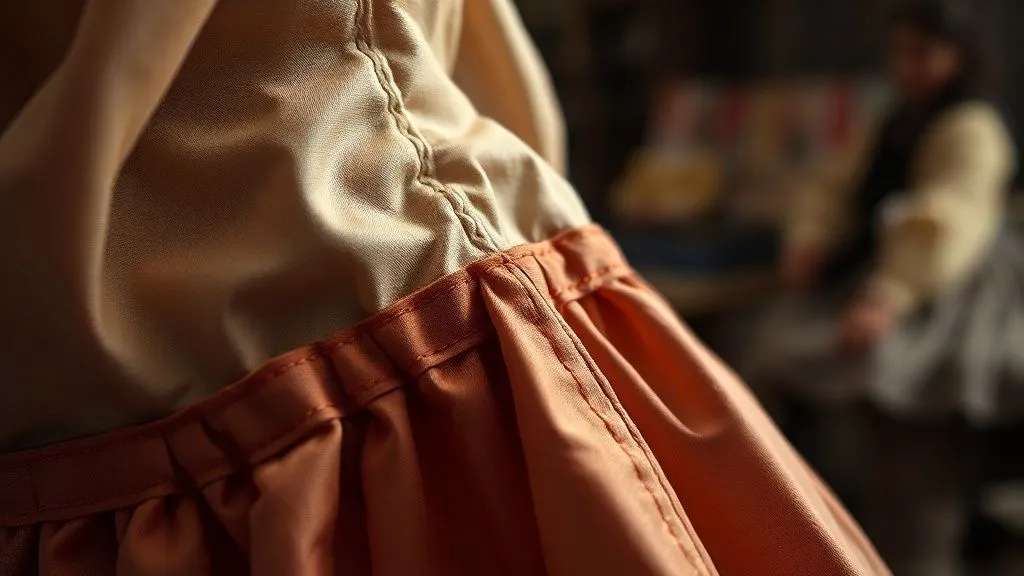
Even the strongest materials can fail if poorly constructed. Seams are often the weakest link. In my experience, reinforcing these critical junctions is non-negotiable for stunt-heavy costumes.
- Double/Triple Stitching: Utilize industrial-grade sewing machines with robust threads (e.g., bonded nylon or polyester) and employ multiple stitch lines on all critical seams.
- Stress Point Gussets & Panels: Integrate hidden gussets or additional fabric panels in high-stress areas like armpits, crotches, and knee joints to distribute tension.
- Bonding & Welding: For non-fabric components, consider chemical bonding agents, heat welding, or even mechanical fasteners (rivets, bolts) in addition to adhesives, ensuring layers won't delaminate under force.
"A costume's true strength isn't just in its primary materials, but in the unseen engineering that holds it together under duress. Over-engineering is often just good engineering in the stunt world."
Strategic Reinforcement & Hidden Protections
Beyond material selection, the strategic integration of protective elements is key. These are the unsung heroes that absorb impact, prevent abrasion, and maintain the costume's integrity without being visible to the camera.
Internal Armoring & Impact Absorption
Just as a stunt performer wears pads, so too can the costume. The trick is to conceal these protections seamlessly.
- EVA Foam & Urethane Inserts: Strategically place thin, high-density EVA foam or impact-absorbing urethane pads in areas prone to impact, such as elbows, knees, shoulders, and hips.
- Rigid Internal Structures: For costumes requiring significant form retention, integrate lightweight internal armatures of carbon fiber or aluminum tubing. These act as a skeleton, distributing force and preventing collapse.
- Layered Protection: Employ a system of multiple, thinner layers of protective material rather than one thick layer. This allows for greater flexibility and better energy dissipation.
Abrasion Guards & Scuff Plates
Sliding, dragging, and general contact with rough surfaces are major culprits of costume damage. Proactive abrasion protection is essential.
- Skid Plates: On areas likely to slide (e.g., knees, forearms, back), integrate thin, low-friction, high-density plastic or composite plates. These can be painted to match or hidden beneath a thin layer of costume fabric.
- Reinforced Edges: All edges that might rub against surfaces (e.g., cape hems, gauntlet edges) should be reinforced with a tougher, more abrasion-resistant material or a robust binding.
- Sacrificial Layers: For extremely high-wear areas, consider designing in easily replaceable 'sacrificial' outer layers that can be swapped out quickly between takes, saving the core costume from degradation.
This attention to detail in hidden protection is what truly distinguishes a stunt-ready costume from a purely aesthetic one. It's about thinking like an engineer as much as a designer.
| Protective Element | Placement | Benefit |
|---|---|---|
| EVA Foam Inserts | Elbows, Knees, Shoulders | Impact Absorption, Shape Retention |
| Kevlar Reinforcement | High-Tension Seams, Abrasion Zones | Tear Resistance, Durability |
| Skid Plates (Polycarbonate) | Forearms, Shins, Back | Surface Glide, Scuff Prevention |
| Internal Carbon Fiber Frame | Torso, Limbs (for rigid suits) | Structural Integrity, Force Distribution |
Performer Training & Costume Acclimatization
Even the most robust costume can be damaged if the performer isn't properly trained to wear and move in it. The performer becomes an extension of the costume, and their understanding of its limitations and strengths is vital.
Costume Rehearsals & Movement Coaching
It's not enough to simply hand a performer a complex costume on the day of the stunt. They need time to bond with it, to understand its nuances.
- Dedicated Rehearsal Time: Schedule specific rehearsal sessions where the performer wears the full costume for extended periods, practicing all required movements and stunts.
- Movement Restriction Identification: Identify any areas where the costume genuinely restricts natural movement and work with the stunt coordinator to adapt choreography or with the costume team for modifications.
- Weight & Balance Familiarization: Allow the performer to become accustomed to the costume's weight distribution and balance, which can significantly differ from their unencumbered movements.
As SAG-AFTRA's stunt safety guidelines often imply, a prepared performer is a safer performer, and that extends to their interaction with their wardrobe.
Case Study: How 'Aetherbound' Minimized Costume Damage
Case Study: How 'Aetherbound' Minimized Costume Damage
On the set of the sci-fi epic 'Aetherbound', the lead character wore an incredibly intricate power suit, featuring dozens of LED panels, articulated armor, and delicate wiring. Early tests showed significant stress on the suit's hip joints and wiring during a planned aerial combat sequence. By implementing dedicated costume rehearsals, the performer, a seasoned stunt actor, identified key points of friction and potential snagging. The costume department then strategically reinforced these areas with flexible, high-density mesh and rerouted a section of wiring through a less stressed channel, ultimately preventing what could have been catastrophic damage during filming. This proactive approach saved weeks of repair time and thousands in materials.
On-Set Maintenance & Rapid Repair Protocols
Despite all precautions, accidents happen. Having a dedicated on-set maintenance and repair strategy is crucial for mitigating damage and keeping production flowing.
The Dedicated SFX Costume Team
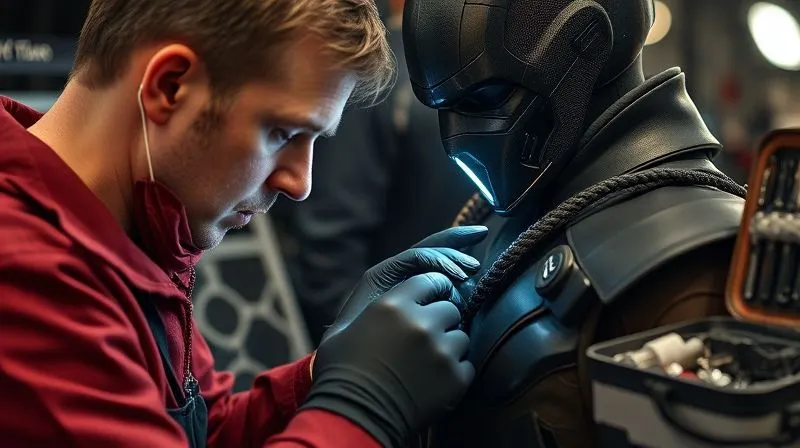
A specialized team, often including the original fabricators, should be present on set during all stunt sequences involving intricate SFX costumes. Their expertise is invaluable.
- Pre-Stunt Inspection: Conduct a thorough inspection of the costume before every take. Check all seams, fasteners, and stress points for any signs of wear or fatigue.
- Post-Stunt Assessment: Immediately after a stunt, assess the costume for any new damage, however minor. Small issues can quickly escalate if left unaddressed.
- Dedicated Repair Station: Set up a fully equipped, mobile repair station close to the set. This should include spare parts, specialized adhesives, sewing equipment, and tools specific to the costume's construction.
Emergency Repair Kits & Protocols
Speed is of the essence when repairs are needed. Having the right tools and materials immediately accessible prevents minor damage from becoming major delays.
- Quick-Cure Adhesives: Stock a variety of fast-drying glues suitable for different materials (e.g., contact cement, super glue for plastics, fabric glues).
- Patching Materials: Keep pre-cut patches of the costume's primary materials, colored to match, ready for immediate application.
- Specialized Tools: Depending on the costume, this might include miniature soldering irons, heat guns, specialized clamps, or even a portable sewing machine.
- Clear Communication: Establish a clear protocol for reporting damage and initiating repairs, ensuring the stunt coordinator, 1st AD, and costume supervisor are all informed.
For more insights into professional on-set management, I often refer to resources from organizations like The Costume Designers Guild, which emphasize preparedness.
Environmental Factors & Set Design Considerations
The environment in which a stunt takes place can be as damaging as the stunt itself. Understanding and mitigating these external factors is another layer of protection.
Surface Preparation & Hazard Mitigation
The ground, walls, and props involved in a stunt can be incredibly abrasive or snag-prone. Proactive set dressing can make a huge difference.
- Smooth Surfaces: Where possible, ensure stunt surfaces are as smooth as practicable. Use mats, carpets, or even polished surfaces to reduce friction and abrasion.
- Hazard Removal: Scour the stunt area for any sharp edges, protruding nails, splinters, or rough textures that could tear or snag the costume.
- Controlled Debris: If debris is part of the stunt, ensure it's made from costume-safe materials (e.g., breakaway props, soft foam 'rocks') and cleared immediately after each take.
Weather & Element Protection
Rain, extreme temperatures, and even dust can degrade costume materials and structural integrity.
- Waterproofing: For outdoor stunts, apply appropriate waterproofing sprays or sealants to permeable costume elements.
- Temperature Control: Extreme heat can soften adhesives and plastics, while extreme cold can make materials brittle. Store costumes in temperature-controlled environments between takes.
- Dust & Dirt Barriers: Use dust covers and clean work areas. Fine particulates can work their way into mechanisms or abrade surfaces.
Protecting intricate special effects costumes during stunts is a multi-faceted challenge, requiring vigilance from every department. It’s a testament to teamwork.
Post-Stunt Assessment & Archival Care
The work doesn't end when the stunt is wrapped. Proper post-stunt care is essential for extending the life of the costume and preparing it for future use or archival.
Detailed Damage Logging & Repair
Every piece of damage, no matter how small, should be documented and addressed.
- Comprehensive Inspection: After the stunt day, conduct a thorough, detailed inspection of the entire costume. Use checklists and photographic documentation.
- Damage Log: Maintain a log detailing all damage, the cause (if known), and the repair actions taken. This data is invaluable for future costume design and stunt planning.
- Full Repair Cycle: Don't just patch; undertake a full, structural repair. This might involve replacing entire panels, re-stitching, or re-bonding components to restore the costume to its original integrity.
Long-Term Storage & Archival Best Practices
Even when not in active use, costumes can degrade. Proper storage is paramount.
- Clean & Dry Environment: Store costumes in a climate-controlled, dry, and dust-free environment.
- Support & Suspension: Avoid hanging heavy or complex costumes by unsupported points. Use custom mannequins, padded hangers, or internal supports to maintain their shape and distribute weight evenly.
- Protective Covers: Use breathable garment bags or custom-fitted covers to protect from dust and light exposure.
For guidance on archival best practices, institutions like The Metropolitan Museum of Art's Conservation Department offer extensive resources on textile and costume preservation.
The Role of the Costume Supervisor & Stunt Coordinator
Ultimately, the success of preventing damage to intricate special effects costumes during stunts hinges on strong leadership and clear communication between key department heads.
Bridging the Gap: Communication & Advocacy
The Costume Supervisor and Stunt Coordinator are the primary advocates for their respective departments, but they must also act as a unified front.
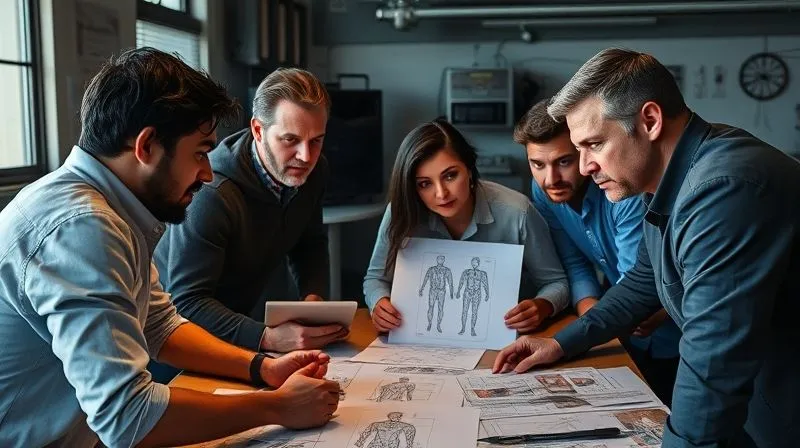
- Joint Planning Sessions: Regular meetings to discuss stunt requirements, costume capabilities, and potential compromises.
- Risk Assessment: Collaboratively assess risks to both performer and costume, identifying moments where a slight adjustment to choreography or costume could prevent significant issues.
- On-Set Presence: Both should be present and actively communicating during stunt rehearsals and filming, ready to flag concerns or propose solutions.
Empowering the Team
These leaders empower their teams to speak up, innovate, and problem-solve.
"The most successful productions I've worked on fostered an environment where every crew member felt empowered to voice a concern, no matter how small, especially when dealing with high-value assets like SFX costumes or performer safety." - A veteran Hollywood producer, as quoted in The Hollywood Reporter.
This collaborative ethos is the ultimate safeguard, ensuring that every angle is considered when preventing damage to intricate special effects costumes during stunts.
Frequently Asked Questions (FAQ)
Question? How much extra budget should be allocated for costume damage prevention and repair on a stunt-heavy film?
Answer: This varies greatly depending on the complexity of the costumes and the intensity of the stunts. As a rule of thumb, I'd suggest allocating an additional 10-20% of the primary costume fabrication budget specifically for stunt-proofing, on-set repair supplies, and dedicated repair personnel. This acts as an insurance policy, often saving far more in avoided delays and re-shoots than its initial cost. For extremely intricate or custom-engineered SFX suits, this percentage might need to be even higher, sometimes requiring multiple iterations of specific costume parts.
Question? Are there specific materials that should be avoided at all costs for stunt costumes, even if they look good?
Answer: Absolutely. While aesthetics are important, brittle plastics (like thin vacuformed styrene without reinforcement), delicate silks or laces in high-stress areas, non-stretch leathers where flexibility is needed, and any material that shatters or creates sharp edges upon impact should be approached with extreme caution or avoided entirely. Always prioritize safety and durability over pure visual appeal for stunt versions of costumes. If a specific look is crucial, consider creating 'hero' versions for close-ups and stunt-specific, reinforced versions for action.
Question? What's the biggest mistake costume departments make when preparing SFX costumes for stunts?
Answer: In my experience, the biggest mistake is insufficient communication and integration with the stunt department during pre-production. Designing a costume in isolation, then expecting it to miraculously perform flawlessly during complex stunts, is a recipe for disaster. Lack of early material testing, neglecting to create multiple 'stunt' versions with varying levels of reinforcement, and underestimating the cumulative wear and tear are also common pitfalls.
Question? How do you balance protecting the costume with allowing the performer full range of motion for the stunt?
Answer: This is the perennial challenge. The key lies in strategic design and material choice. Use flexible, multi-directional stretch fabrics in joint areas, incorporate hidden gussets, and employ articulated armor pieces rather than single rigid plates. Impact protection should be thin, contoured, and placed only where absolutely necessary, allowing for maximum freedom elsewhere. Extensive rehearsal in the costume is critical to identify and rectify any restrictive elements before filming. It's often a process of iterative refinement.
Question? Can CGI/VFX fix costume damage, making prevention less critical?
Answer: While CGI and VFX are powerful tools, relying on them to 'fix' physical costume damage is a costly and inefficient approach. Digital fixes take time and budget that could be better spent elsewhere. Minor tears or scuffs might be paintable in post, but significant damage like shattered armor or extensive rips requires extensive digital reconstruction, which rarely looks as convincing as a well-maintained physical costume. Prevention is always more cost-effective and yields a more authentic result.
Key Takeaways and Final Thoughts
Protecting intricate special effects costumes during stunts is not merely a logistical challenge; it's an art form that blends design, engineering, and meticulous planning. It demands a proactive, collaborative approach from every department involved.
- Integrate Early: Bring costume, stunt, and VFX teams together from the earliest stages of pre-production.
- Engineer for Resilience: Select advanced materials and employ strategic reinforcement techniques to build durability into the costume's core.
- Train & Acclimatize: Ensure performers are thoroughly rehearsed and comfortable in their costumes, understanding their limitations and strengths.
- Prepare for the Unexpected: Establish robust on-set maintenance and rapid repair protocols to address issues immediately.
- Consider the Environment: Mitigate external hazards from the set itself, including surfaces and weather.
- Document & Learn: Conduct thorough post-stunt assessments to inform future designs and processes.
By embracing these principles, you're not just preventing damage to intricate special effects costumes during stunts; you're safeguarding artistic vision, optimizing production efficiency, and, most importantly, ensuring the safety of your invaluable performers. The investment in prevention always pays dividends, yielding stunning visuals and peace of mind. Go forth and create, with confidence in the durability of your extraordinary creations!
Recommended Reading
- The Ultimate Guide: How to Keep Your Wedding Dress Wrinkle-Free on Your Big Day
- The Ultimate Guide: How to Get Your Fashion Photos Published in Top Magazines
- 5 Actionable Ways: Revamp Stale Streetwear for New Buyers Now
- Unleash Your True Self: How to Develop a Unique Personal Street Style
- 7 Steps to Master Custom Jewelry Revisions & Boost Profit


Your email address will not be published. Required fields are marked *