

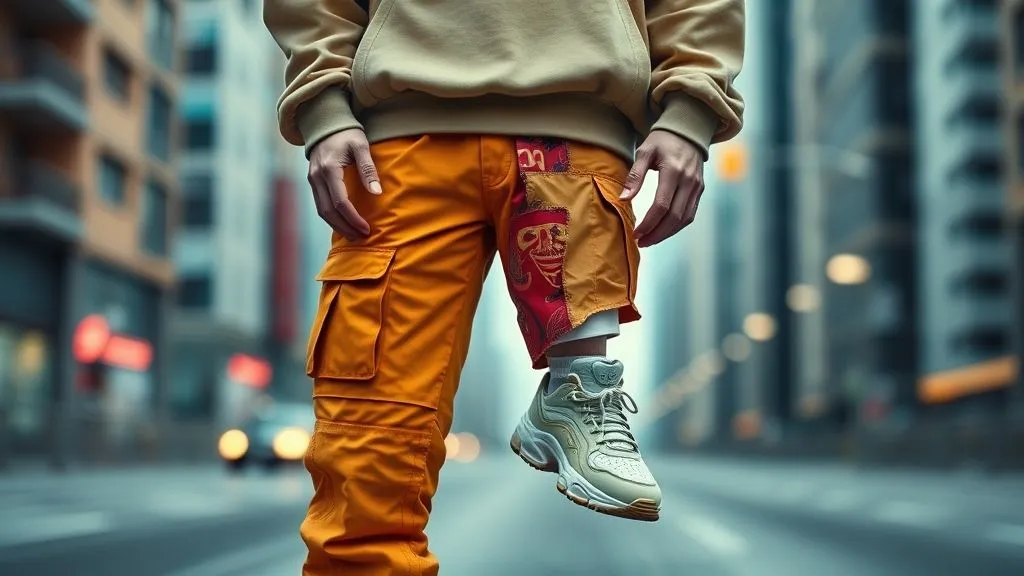
How to Revamp a Stale Streetwear Aesthetic for New Buyers?
For over two decades immersed in the dynamic, often turbulent, world of streetwear, I've witnessed countless brands rise to meteoric fame only to slowly fade into irrelevance. The pattern is painfully familiar: an initial spark of innovation, a period of undeniable cultural impact, and then, a slow drift into a 'stale' aesthetic. It’s a challenge I’ve helped navigate for emerging labels and established titans alike – the inevitable moment when your signature style, once groundbreaking, starts to look dated and fails to resonate with the freshest wave of consumers.
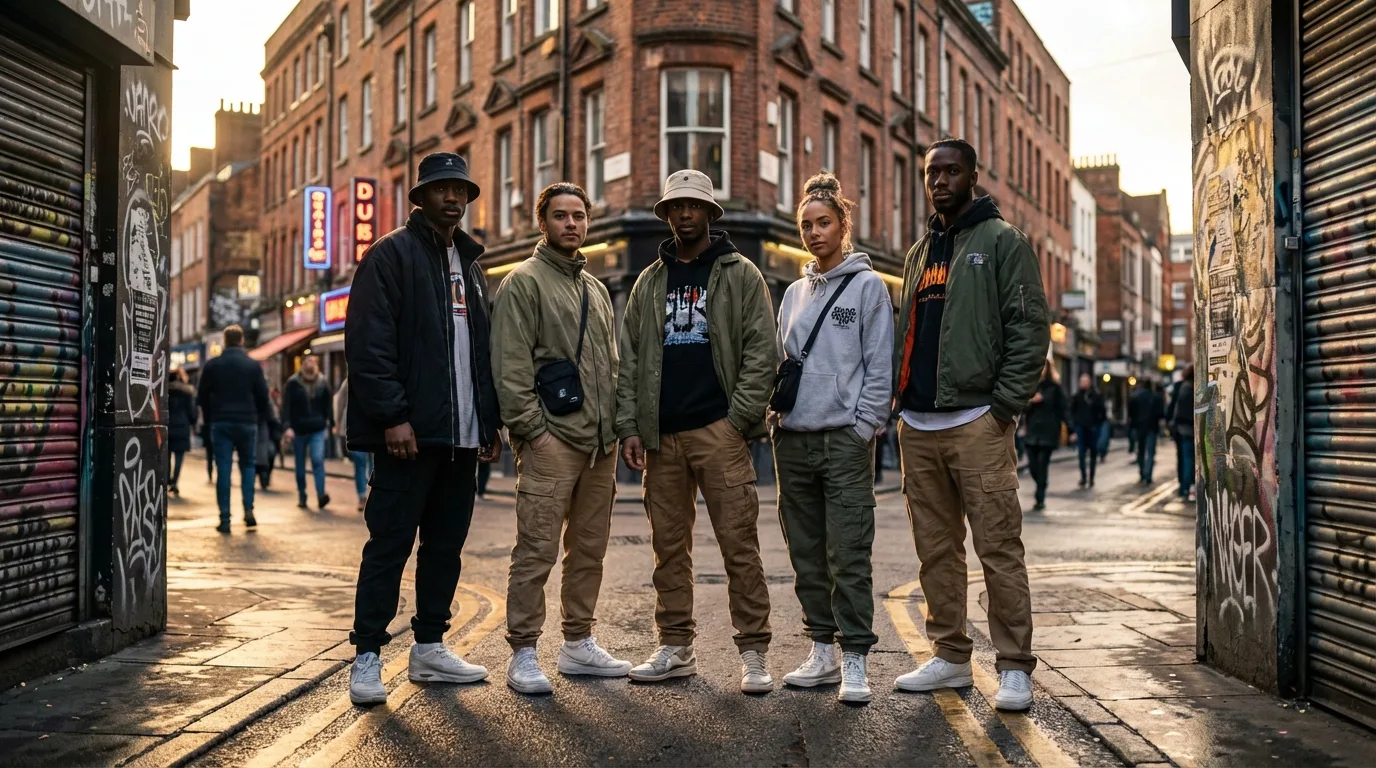
The problem isn't just about losing market share; it's about losing cultural currency. A stale streetwear aesthetic signals a brand out of touch, unable to speak the language of the new generation. This disconnect is particularly damaging when you're trying to attract 'new buyers' – often Gen Z and Gen Alpha – who are highly attuned to authenticity, social values, and genuine innovation. They don't just buy clothes; they invest in narratives, communities, and identities. If your brand looks like a relic, they'll simply scroll past.
But here's the good news: stagnation isn't a death sentence; it's an invitation to reinvent. In this definitive guide, I'll walk you through the precise strategies and frameworks I've developed and refined over the years to breathe new life into a flagging streetwear aesthetic. We'll explore everything from understanding the nuanced psychology of today's youth market to implementing agile design methodologies, ensuring your brand isn't just refreshed, but future-proofed for sustained relevance and growth.
Understanding the New Buyer: Gen Z & Gen Alpha's Streetwear Ethos
Before we even think about design changes, we must deeply understand who we're trying to reach. The new buyer, primarily Gen Z and the emerging Gen Alpha, isn't just a demographic; they represent a fundamental shift in consumer values and expectations. They are digital natives, global citizens, and inherently skeptical of traditional marketing. They crave authenticity, transparency, and a sense of belonging.
In my experience, brands often make the mistake of assuming 'young people' want the same things their older siblings or parents did. This couldn't be further from the truth. Gen Z, for instance, values individuality over brand loyalty, sustainability over fast fashion, and comfort over rigid trends. They are influenced by micro-influencers and peer recommendations more than celebrity endorsements. To truly revamp a stale streetwear aesthetic for these new buyers, you must internalize their world view.
"The new generation of streetwear consumers isn't looking for status symbols; they're looking for self-expression, community, and values alignment. Your aesthetic must reflect these deeper aspirations."
Key Characteristics of the New Streetwear Consumer:
- Authenticity & Transparency: They demand to know where and how products are made. Greenwashing is immediately spotted and condemned.
- Sustainability & Ethics: A non-negotiable. They will actively choose brands that demonstrate genuine commitment to environmental and social responsibility.
- Individuality & Fluidity: Gender norms are dissolving; personal style is about mixing, matching, and expressing a unique identity, not conforming to a single look.
- Digital-First & Community-Driven: Social media isn't just a platform; it's where culture is created, communities are formed, and brands are discovered. TikTok, Discord, and Twitch are their new malls.
- Comfort & Functionality: While aesthetics are crucial, comfort and practical wearability are paramount.
Understanding these foundational shifts is the bedrock upon which any successful aesthetic revamp must be built. Without this, you're merely redecorating a house with a crumbling foundation.
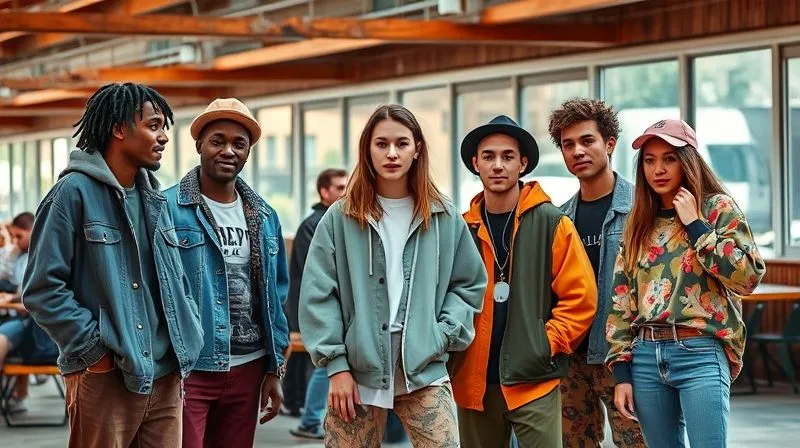
Deconstructing 'Stale': Identifying Outdated Elements in Your Aesthetic
One of the hardest truths for any brand founder to face is that their once-iconic aesthetic has become 'stale'. It’s often not a sudden decay, but a gradual accumulation of outdated design choices, repetitive motifs, and a failure to evolve with the cultural zeitgeist. To effectively revamp a stale streetwear aesthetic, you need an honest, surgical assessment of what's no longer working.
I advise my clients to conduct a 'Brand Aesthetic Audit'. This isn't just about looking at your latest collection; it's about dissecting your entire visual language, from typography and color palettes to garment silhouettes and campaign imagery. Ask yourself: Does this feel fresh? Does it speak to today's youth? Does it still represent the cutting edge, or is it merely echoing past glories?
Actionable Steps for Your Brand Aesthetic Audit:
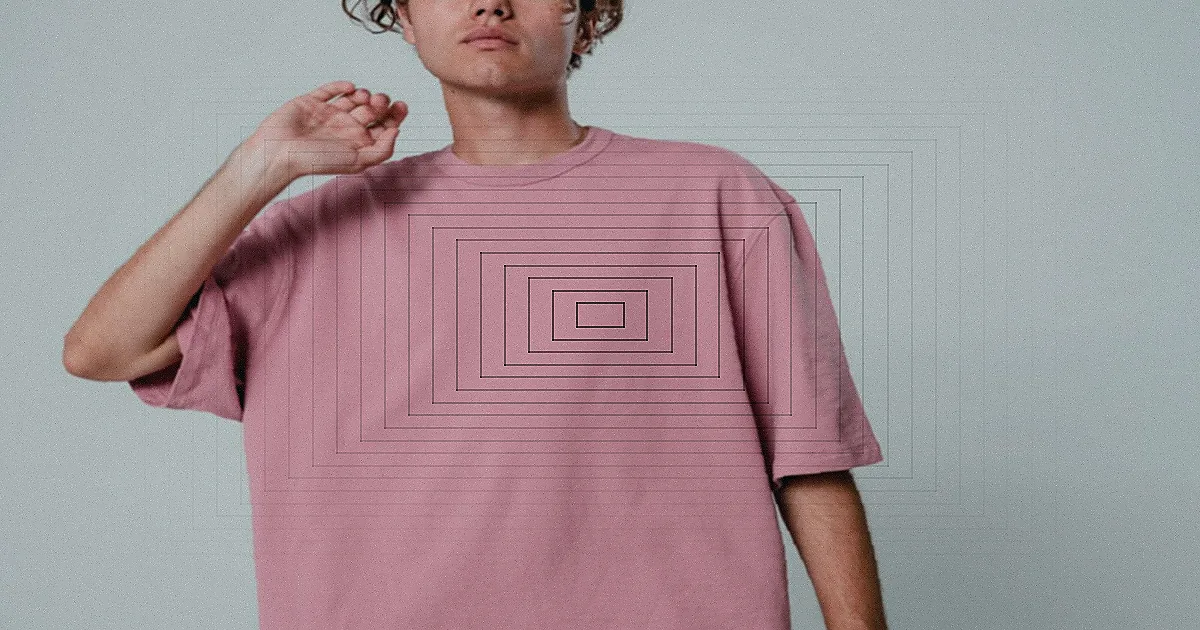
- Analyze Your Archives: Compare your current collection with your most successful past collections. Identify recurring themes or design elements that might now appear dated. Is that oversized graphic tee still hitting the mark, or does it feel like a relic of the mid-2010s?
- Competitor & Trend Analysis: Study both your direct competitors and adjacent cultural movements. What are the emerging brands doing right? What new silhouettes, fabrics, or graphic styles are gaining traction? Don't copy, but understand the pulse.
- Seek External Feedback: Your internal team might be too close to the brand. Conduct anonymous surveys or focus groups with your target new buyers. Ask them directly: "What feels fresh? What feels old-fashioned about our brand?" Be prepared for candid feedback.
- Examine Your Brand Storytelling: Is your visual narrative congruent with your design? If your clothes feel fresh but your marketing imagery looks like it's from five years ago, you have a disconnect.
A common culprit for staleness is the overuse of overt branding – giant logos, repetitive motifs, and predictable placements. While branding is essential, the new buyer often prefers subtle nods, unique detailing, and a sense of discovery. As Harvard Business Review often highlights in personal branding, authenticity trumps aggressive self-promotion.
| Aesthetic Element | Stale Approach | Revamped Approach |
|---|---|---|
| Graphic Tees | Large, front-and-center logo, generic pop culture references | Subtle embroidery, abstract art, thought-provoking messaging, unique back graphics |
| Silhouettes | Rigidly oversized, predictable cuts (e.g., standard boxy tee, skinny jeans) | Varied proportions, gender-fluid fits, technical fabrics, relaxed wide-leg trousers, layered functionality |
| Color Palettes | Neon brights, monochromatic black/white, overly muted earth tones | Sophisticated pastels, unexpected color blocking, experimental textures, seasonal shifts beyond basic trends |
The Art of Subtlety: Evolving Beyond Overt Branding and Predictable Silhouettes
Once you've identified the elements contributing to your brand's staleness, the next step is to strategically evolve. For many streetwear brands, this means moving away from the very things that once defined them: the loud logos, the aggressive graphics, and the predictable silhouettes. The new buyer is looking for a more nuanced form of expression.
I've seen brands successfully pivot by embracing a philosophy of 'understated impact'. This doesn't mean becoming minimalist; it means shifting the focus from overt brand shouting to intricate design details, innovative fabric choices, and sophisticated cuts that speak for themselves. Think about how brands like A-COLD-WALL* or Fear of God achieve their aesthetic impact through material experimentation and refined tailoring, rather than just bold logos.
Redefining Your Brand's Visual Language:
- Subtle Branding: Explore alternative logo placements (cuffs, hems, inner labels), tonal embroidery, or debossed branding. Let the quality and design speak first.
- Material Innovation: Invest in technical fabrics, sustainable textiles, or unique blends that offer new textures, drapes, and functionalities. This immediately elevates the perceived value and freshness.
- Experiment with Silhouettes: Break free from standard cuts. Introduce unexpected layering pieces, modular designs, adjustable elements, and gender-neutral fits that offer versatility and individual expression. Think beyond the classic hoodie and t-shirt.
- Refined Color Palettes: Move beyond primary colors or predictable muted tones. Explore sophisticated gradients, unexpected color combinations, or seasonal palettes that feel fresh and contemporary, drawing inspiration from art, nature, and global cultures.
This evolution requires courage, as it might mean letting go of elements that loyal, older customers associate with your brand. However, to truly revamp a stale streetwear aesthetic for new buyers, you must be willing to redefine your visual identity for the future, not just iterate on the past.
Sustainability & Ethical Production: A Non-Negotiable Core Aesthetic
The conversation around sustainability and ethics has transcended niche concern to become a mainstream expectation, especially among new buyers. For Gen Z and Gen Alpha, a brand's commitment to the planet and its people isn't just a marketing ploy; it's a fundamental part of its aesthetic and value proposition. A brand that ignores this will quickly be perceived as stale, regardless of its design.
I often tell my clients: sustainability isn't a trend; it's a paradigm shift. Integrating it into your streetwear aesthetic isn't about adding a 'green' label; it's about fundamentally rethinking your supply chain, materials, and production processes. This commitment must be visible, transparent, and authentic, woven into the very fabric of your brand's identity and communication.
Case Study: 'Terra Threads' - From Stagnation to Sustainable Success
Terra Threads, a fictional mid-tier streetwear brand, faced declining sales and struggled to attract younger demographics. Their aesthetic was heavily reliant on bold, mass-produced graphics and conventional cotton. After an internal audit, I worked with them to integrate sustainability as a core pillar of their revamp. They transitioned to using organic cotton, recycled polyester blends, and began sourcing dyes from natural, plant-based pigments. They partnered with local artisans for limited-edition embroidery runs, emphasizing fair labor. Their new collection featured more earthy tones, natural textures, and subtle, nature-inspired graphics. Crucially, they documented their entire process transparently, sharing factory visits and material certifications on social media. Within 18 months, Terra Threads saw a 60% increase in new buyer acquisition and a 35% boost in overall sales, proving that an ethical aesthetic resonates deeply.
This commitment must be visible. It can manifest in the choice of fabrics (recycled, organic, upcycled), the design philosophy (longevity, modularity, repairability), and even the packaging (minimal, biodegradable). When new buyers see this genuine effort, it adds a layer of depth and purpose to your aesthetic that no amount of flashy graphics can replicate.
Leveraging Digital & Experiential Marketing: Beyond the Lookbook
A revamped aesthetic is only as powerful as its presentation. New buyers live online, and their discovery journeys are highly interactive and community-driven. Relying solely on traditional lookbooks or static Instagram posts will leave your fresh designs gathering digital dust. To truly revamp a stale streetwear aesthetic for new buyers, you must embrace innovative digital and experiential marketing strategies.
I've observed that the most successful brands don't just showcase products; they create experiences. They understand that platforms like TikTok, YouTube, and even gaming environments are not just advertising channels but cultural touchstones where trends are born and communities thrive. Your marketing strategy needs to be as dynamic and forward-thinking as your new aesthetic.
Strategies for Engaging New Buyers Digitally:
- TikTok & Short-Form Video: Create engaging, authentic content that showcases your garments in real-life, dynamic settings. Focus on styling tips, behind-the-scenes glimpses, and user-generated challenges. Partner with micro-influencers whose aesthetics align with your revamped vision.
- Augmented Reality (AR) & Virtual Try-Ons: Offer immersive AR experiences that allow users to virtually try on your new collection via their smartphones. This provides a playful, interactive way to engage and reduces purchase friction.
- Gaming & Metaverse Integration: Explore collaborations with popular games or create virtual garments for metaverse platforms. This taps into a massive, engaged youth audience and positions your brand at the forefront of digital culture.
- Pop-ups & Experiential Retail: Beyond digital, create temporary physical spaces that offer unique, immersive brand experiences – art installations, workshops, exclusive drops. These create buzz and provide shareable moments that translate into online amplification.
Remember, the goal is not just to show your clothes, but to integrate your brand into the cultural fabric where new buyers reside. This means being less about direct selling and more about content creation and community building. As a Deloitte study on Gen Z consumers emphasizes, they value experiences and social connection over mere transactions.
Collaborations & Curation: Strategic Partnerships for Freshness
One of the quickest and most effective ways to inject new energy and perspective into a stale streetwear aesthetic is through strategic collaborations. The right partnership can instantly expand your brand's reach, introduce you to new audiences, and imbue your aesthetic with a fresh, unexpected edge. However, not all collaborations are created equal.
In my professional opinion, the key to successful collaboration for a brand revamp lies in authenticity and mutual benefit. It's not just about slapping two logos together; it's about finding partners whose values, audience, and creative vision genuinely complement and elevate your own. This could be an artist, another designer, a non-profit organization, a musician, or even a tech company.
Choosing the Right Collaboration Partners:
- Shared Values: Partner with entities that align with your brand's evolving ethos, especially if you're leaning into sustainability or social impact.
- Audience Overlap (with a twist): Look for partners whose audience shares some common ground with your target new buyers but also introduces you to a slightly different, yet receptive, demographic.
- Creative Synergy: The collaboration should feel organic and creatively inspiring. It should push your aesthetic boundaries in a meaningful way, not just rehash existing styles.
- Cultural Relevance: Partner with individuals or organizations that are currently making waves in youth culture, art, music, or technology. This instantly boosts your brand's contemporary appeal.
A well-executed collaboration can be a powerful statement, signaling to new buyers that your brand is dynamic, open to innovation, and connected to the broader cultural conversation. It's an opportunity to tell a new story, challenge perceptions, and demonstrate your brand's willingness to evolve.
Community Building: From Consumers to Co-Creators
The new generation of streetwear enthusiasts doesn't just want to buy products; they want to be part of something bigger. They are actively seeking communities that reflect their values and allow for self-expression. To truly revamp a stale streetwear aesthetic for new buyers, you must shift your focus from merely selling clothes to fostering a vibrant, inclusive community around your brand.
I've seen firsthand how brands that successfully cultivate a strong community transform their customers into passionate advocates and even co-creators. This approach builds deep loyalty, provides invaluable feedback, and generates authentic user-generated content that is far more impactful than traditional advertising. It moves your brand from being a distant entity to an integral part of your buyers' lifestyles.
"Your brand's community is its most powerful asset. Nurture it, listen to it, and empower it. They are the true arbiters of what's fresh and what's stale."
Strategies for Building an Engaged Streetwear Community:
- Create Dedicated Online Spaces: Utilize platforms like Discord, Reddit, or private Facebook groups to create exclusive spaces where your community can connect, share ideas, and interact directly with your brand.
- Host Community-Driven Events: Organize online workshops, styling sessions, or even local meet-ups (if feasible) that bring your community together. These can be educational, social, or creative.
- Empower User-Generated Content (UGC): Encourage your customers to share their styling, art, or stories featuring your brand. Repost and celebrate their content across your official channels, giving them recognition.
- Incorporate Feedback & Co-Creation: Actively solicit feedback on new designs, colorways, or concepts from your community. Consider limited-edition drops designed by community members or inspired by their ideas. This makes them feel invested and valued.
- Tell Their Stories: Feature community members on your blog or social media. Highlight their unique style and personal narratives. This reinforces the idea that your brand is about more than just clothing.
This approach transforms your brand from a static entity into a living, breathing culture. It's a powerful way to ensure your aesthetic remains relevant and dynamic, constantly evolving with the input of those who wear it most.
Agile Design & Micro-Collections: Staying Relevant in a Fast-Paced Market
The pace of fashion, especially streetwear, is relentless. What's fresh today can feel dated in a matter of months. To effectively revamp a stale streetwear aesthetic for new buyers and keep it relevant, brands must adopt a more agile approach to design and production. This means moving away from rigid seasonal collections and embracing more frequent, smaller, and responsive drops.
In my experience, brands that thrive in this environment are those that can quickly adapt, experiment, and respond to emerging trends and consumer feedback. This 'micro-collection' or 'drop' model isn't just a sales tactic; it's a design philosophy that allows for continuous aesthetic evolution without the risk of massive, unsellable inventory from a single, large collection.
Implementing Agile Design Principles:
- Data-Driven Design: Utilize social media analytics, sales data, and community feedback to inform your design decisions for upcoming drops. What styles are gaining traction? What colors are trending?
- Rapid Prototyping: Develop the ability to quickly prototype new designs, test them with a small segment of your community, and iterate based on their input.
- Limited Edition Drops: Release smaller, curated collections more frequently. This creates a sense of urgency and exclusivity, which resonates strongly with new buyers. It also allows you to test new aesthetic directions without committing to a full-scale production.
- Modular & Adaptable Designs: Create pieces that can be easily mixed and matched, layered, or even customized. This extends the life of individual garments and allows for greater personal expression.
This agile approach ensures that your brand's aesthetic remains nimble and responsive. It's a continuous process of evolution, allowing you to stay ahead of the curve and consistently offer something fresh and exciting to new buyers, rather than waiting for your aesthetic to become stale again. For more on business agility, see insights from leading business strategists like Seth Godin who advocate for constant adaptation.
Frequently Asked Questions (FAQ)
How often should a streetwear brand refresh its aesthetic? The concept of a 'big refresh' is becoming outdated. Instead, I recommend a continuous, agile evolution. With micro-collections and data-driven design, you should be subtly refreshing and experimenting with elements of your aesthetic every 2-3 months. A significant shift might be needed every 1-2 years, but it should feel like a natural progression, not a jarring pivot.
Is it possible to alienate existing loyal customers during a revamp? Yes, it's a genuine risk. The key is communication and gradual evolution. Involve your most loyal customers in the process (e.g., exclusive previews, feedback sessions). Explain the 'why' behind the changes – that it's to ensure the brand's longevity and continued relevance. Offer limited-edition 'heritage' pieces that nod to your roots while introducing new designs. It’s a balancing act of respecting your past while building your future.
What's the role of nostalgia in modern streetwear aesthetics? Nostalgia is powerful, but it must be handled with extreme care. New buyers appreciate a tasteful nod to past eras, but they demand a fresh, contemporary reinterpretation, not a direct copy. Think 'inspired by' rather than 'replica'. Focus on bringing forgotten silhouettes, graphics, or cultural references into a modern context with updated fabrics, fits, and brand messaging. Avoid anything that feels like a costume.
How can smaller brands compete with established giants when revamping? Smaller brands actually have an advantage: agility. They can respond to trends faster, experiment more freely, and build more intimate communities. Focus on niche appeal, hyper-authenticity, and exceptional quality over mass production. Leverage unique collaborations and direct-to-consumer models. Your size allows for genuine connection and innovation that larger brands often struggle to replicate.
What are the biggest pitfalls to avoid when trying to appeal to new buyers? The biggest pitfalls are inauthenticity and trying too hard. New buyers can spot 'faking it' a mile away. Avoid chasing every single micro-trend; instead, understand the underlying values. Don't simply slap a trendy graphic on an outdated silhouette. Avoid tokenism in diversity or sustainability efforts. Be genuine, be consistent, and be prepared to listen more than you speak.
Key Takeaways and Final Thoughts
Revamping a stale streetwear aesthetic for new buyers isn't just a design challenge; it's a strategic imperative that touches every aspect of your brand. It demands a deep understanding of today's youth culture, a willingness to honestly audit your past, and the courage to embrace innovation. As an industry veteran, I can assure you that the brands that thrive are those that view change not as a threat, but as an endless opportunity for growth and reinvention.
- Know Your Audience: Deeply understand the values, digital habits, and aesthetic preferences of Gen Z and Gen Alpha.
- Audit Relentlessly: Identify and shed outdated design elements, branding approaches, and storytelling.
- Embrace Subtlety & Innovation: Shift from overt branding to sophisticated details, material innovation, and unique silhouettes.
- Prioritize Authenticity & Ethics: Weave sustainability and ethical practices into the core of your brand's identity.
- Engage Digitally & Experientially: Create immersive marketing experiences on platforms where new buyers live.
- Collaborate Strategically: Partner with culturally relevant entities to inject fresh perspectives.
- Build Community: Transform consumers into co-creators and advocates.
- Adopt Agile Design: Implement micro-collections and data-driven feedback loops for continuous relevance.
The streetwear landscape will continue to evolve at breakneck speed. By internalizing these strategies and committing to a philosophy of continuous adaptation, your brand won't just revamp its aesthetic; it will forge a path to lasting relevance, captivating the next generation of buyers and cementing its place as a true cultural innovator. The future of streetwear belongs to the bold, the authentic, and the perpetually evolving.
Recommended Reading
- The Ultimate Guide: How to Select Durable Fabrics for Active Stage Costumes?
- The Ultimate Secret: How to Properly Prevent Pilling on Yoga Leggings
- The Ultimate Guide: How to Choose Comfortable Fabrics for Kids Wear
- Unlock Deeper Rest: How Blue Light Glasses Transform Executive Sleep
- Beyond Sponsored Posts: 7 Proven Streams for Fashion Blog Income?

Your email address will not be published. Required fields are marked *