


How do blue light glasses improve executive sleep quality?
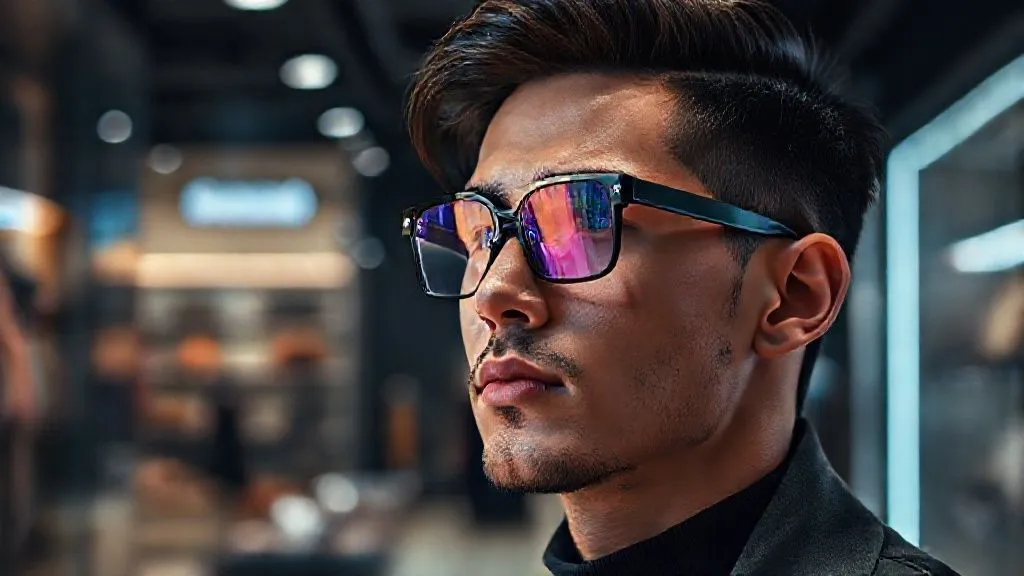
For over two decades in the world of eyewear fashion and health, I've had a front-row seat to the evolving challenges faced by high-achieving professionals. I've seen countless brilliant executives, at the pinnacle of their careers, grappling with an insidious problem: persistent fatigue. They push through long hours, complex decisions, and global calls, often believing that a few hours of sleep is a badge of honor, not a red flag. What many don't realize is that their very tools of success – laptops, tablets, smartphones – are often the silent saboteurs of their much-needed rest.
The relentless demands of the modern executive role mean constant connectivity. Emails ping late into the night, reports need reviewing at dawn, and international teams require flexible schedules. This pervasive digital presence, while enabling incredible productivity, comes at a significant cost: the disruption of our natural sleep cycles. This isn't just about feeling tired; it impacts cognitive function, emotional resilience, and ultimately, the very quality of leadership.
But what if there was a simple, yet profoundly effective, tool that could mitigate this digital assault on your sleep? In this definitive guide, I'll draw upon my extensive experience and the latest scientific research to explain precisely how blue light glasses improve executive sleep quality. We'll explore the underlying science, debunk common myths, and provide actionable strategies to integrate this game-changing solution into your demanding lifestyle, helping you reclaim restorative sleep and unlock peak performance.
The Invisible Threat: Understanding Blue Light's Impact on Circadian Rhythm
What is Blue Light and Why Does it Matter?
Let's start with the basics. Blue light is a segment of the visible light spectrum that naturally emanates from the sun. In daylight hours, it's incredibly beneficial, boosting our mood, attention, and reaction times. It signals to our brains that it's daytime, helping to regulate our natural sleep-wake cycle, known as the circadian rhythm.
However, the ubiquity of digital screens – smartphones, tablets, laptops, LED lighting – means we are now exposed to significant amounts of artificial blue light, often well into the evening. Unlike natural sunlight, which diminishes as dusk approaches, our devices continue to flood our eyes with this stimulating wavelength, even when our bodies are preparing for rest. This prolonged, unnatural exposure is where the problem begins for busy executives.
Melatonin Suppression: The Core Problem
The human body is an incredibly sophisticated biological clock. As evening approaches and natural light fades, our brains begin to release melatonin, often called the 'sleep hormone.' Melatonin signals to the body that it's time to wind down, initiating physiological changes that prepare us for sleep. It's the key conductor of your body's nightly symphony of rest.
Here's the critical point: the specific wavelength of blue light is highly effective at suppressing melatonin production. When you're staring at a screen late at night, your brain receives a powerful signal that it's still daytime, even if the clock says midnight. This delays the onset of melatonin release, pushing back your natural sleep time and often leading to fragmented, less restorative sleep. According to a landmark study by Harvard Medical School, exposure to blue light at night significantly alters circadian rhythms and suppresses melatonin more powerfully than other wavelengths. You can read more about Harvard's findings here.
Beyond Sleep: The Ripple Effect of Poor Executive Rest
While the primary concern of 'How do blue light glasses improve executive sleep quality?' centers on sleep, the ramifications of poor sleep extend far beyond simply feeling tired. For executives, the stakes are incredibly high.
Cognitive Decline and Decision Fatigue
I've witnessed firsthand how chronic sleep deprivation erodes the sharp edge of executive function. When you're not getting enough deep, restorative sleep, your brain doesn't have the chance to clear metabolic waste, consolidate memories, or perform crucial 'housekeeping' tasks. This leads to impaired decision-making, reduced creativity, slower reaction times, and difficulty with complex problem-solving. Think of it like trying to run a marathon on an empty tank – you might make it to the finish line, but your performance will be severely compromised. Executives need to be at their cognitive best, and sleep is the fuel for that.
Physical and Mental Health Consequences
The impact isn't just cognitive; it's holistic. Prolonged sleep deprivation can weaken your immune system, making you more susceptible to illness – a luxury no executive can afford. It contributes to increased stress and anxiety levels, as the body remains in a heightened state of alert. Over time, this can lead to a higher risk of serious health issues like cardiovascular disease, obesity, and diabetes. As the World Health Organization emphasizes, adequate sleep is a fundamental pillar of overall health, and its neglect carries significant long-term risks. The WHO provides comprehensive insights into sleep disorders and their health impacts.
The Science Behind Blue Light Filtering Eyewear
How Blue Light Glasses Work
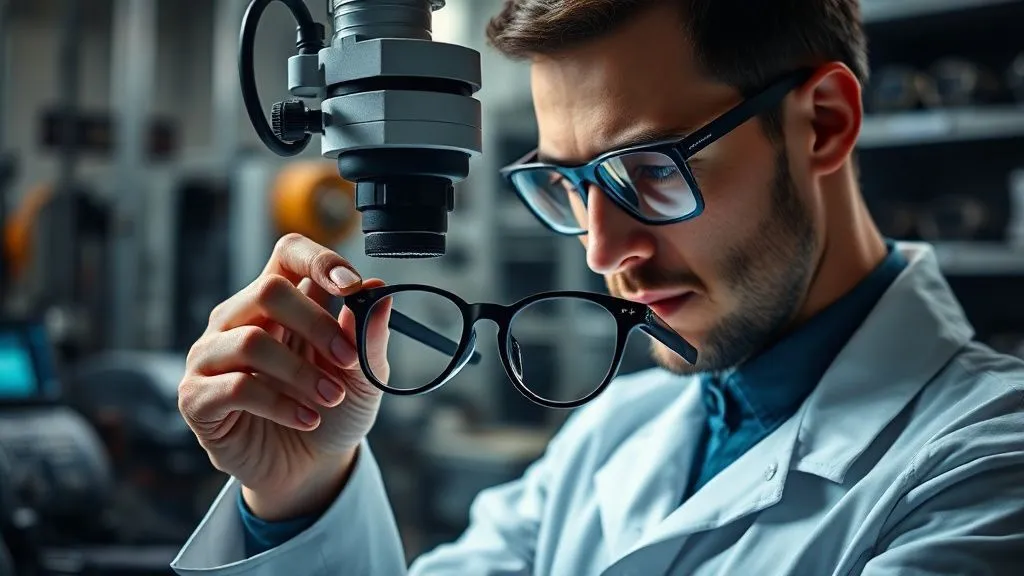
At their core, blue light glasses are designed with specialized lenses that filter out a significant portion of the blue light spectrum emitted by digital screens and artificial lighting. These lenses often have a slight yellow or amber tint, or a specialized coating, that absorbs or reflects the problematic wavelengths, preventing them from reaching your eyes. The goal isn't to block all blue light, which would be unnatural and potentially harmful during the day, but rather to selectively filter the most disruptive wavelengths, particularly those between 450-490 nanometers, which are most potent in melatonin suppression.
By reducing your exposure to these specific wavelengths, especially during evening hours, blue light glasses help to preserve your body's natural melatonin production. This allows your circadian rhythm to function more effectively, signaling to your brain that it's indeed time for sleep, rather than stimulating it further.
Empirical Evidence: Studies Supporting Their Efficacy
The efficacy of blue light filtering eyewear isn't just anecdotal; it's backed by a growing body of scientific research. Numerous studies have demonstrated their positive impact on sleep quality and related metrics. For instance, a study published in the Journal of Adolescent Health found that wearing blue light-blocking glasses in the evening significantly improved sleep quality and reduced sleep latency (the time it takes to fall asleep) in adolescents. While this study focused on a younger demographic, the underlying physiological mechanisms are universal.
Another study, this one by the University of Houston, reported that participants who wore blue light-blocking glasses showed a 58% increase in their nighttime melatonin levels. This substantial increase directly translates to a greater readiness for sleep and improved sleep architecture. These findings underscore precisely how blue light glasses improve executive sleep quality by directly addressing the root cause of melatonin suppression. You can explore the University of Houston's research here.
How Blue Light Glasses Improve Executive Sleep Quality: A Practical Framework
Understanding the 'why' is crucial, but the 'how' is where the real transformation happens. Integrating blue light glasses effectively into a demanding executive lifestyle requires a thoughtful approach.
Step-by-Step Integration into an Executive's Routine
- Choose the Right Pair: Not all blue light glasses are created equal. Look for reputable brands that specify the percentage of blue light blocked (aim for 50-90% for evening use, especially in the 450-490nm range). While clear lenses offer some protection for daytime use, consider amber-tinted lenses for evening work as they offer superior blocking capabilities for melatonin preservation. Style also matters – choose a pair that you feel comfortable and confident wearing, as consistency is key.
- Timing is Key: This is perhaps the most crucial step. I recommend putting on your blue light glasses at least 2-3 hours before you intend to go to sleep. This allows your body sufficient time to begin its natural melatonin production without interference from digital screens. If your work demands late-night screen time, wearing them diligently during those hours becomes even more critical.
- Consistency is Crucial: Like any new habit, the benefits compound with consistency. Make wearing your blue light glasses an unnegotiable part of your evening routine. Place them next to your laptop or phone charger as a visual reminder. The more regularly you use them, the more effectively they will support your circadian rhythm.
- Combine with Sleep Hygiene: Blue light glasses are a powerful tool, but they are not a magic bullet. For optimal results, combine their use with other good sleep hygiene practices. This includes maintaining a consistent sleep schedule, ensuring your bedroom is dark, quiet, and cool, avoiding heavy meals and excessive caffeine close to bedtime, and incorporating a relaxing pre-sleep ritual.
Case Study: Sarah's Transformation from Burnout to Brilliance
Sarah, a high-flying CEO of a rapidly scaling tech startup, was consistently working 14-hour days, often reviewing complex financial documents and responding to international emails late into the night. Her sleep was fragmented, characterized by difficulty falling asleep and frequent awakenings, and she often woke up feeling more exhausted than when she went to bed. After struggling for months with decision fatigue, irritability during team meetings, and a persistent feeling of being 'on edge,' she decided to try blue light glasses upon my recommendation during a wellness consultation. She chose a high-quality pair with an amber tint for evening use and committed to wearing them diligently two hours before winding down each evening, especially during her late-night review sessions. Within three weeks, Sarah reported a remarkable change: she found herself falling asleep significantly faster, experiencing deeper, uninterrupted sleep, and waking up feeling genuinely refreshed and energized for the first time in years. This newfound energy translated directly into sharper focus during board meetings, more innovative problem-solving, and a noticeable reduction in her overall stress levels. Her executive team even commented on her improved mood and clarity, noting a return to her characteristic strategic brilliance. Sarah's experience vividly illustrates how blue light glasses improve executive sleep quality and, by extension, overall professional performance.
Dispelling Myths and Addressing Common Concerns
Are All Blue Light Glasses Created Equal?
Absolutely not. The market is flooded with options, and quality varies wildly. Cheap, uncertified glasses may offer minimal protection or distort colors in an unhelpful way. When considering how blue light glasses improve executive sleep quality, investing in a reputable brand that provides clear specifications on the percentage of blue light blocked, especially in the most harmful wavelengths (around 450-490nm), is crucial. Look for certifications or independent testing data if possible. My advice is always to prioritize quality over cost when it comes to something as vital as your sleep and eye health.
Do They Affect Daytime Productivity?
This is a common concern. For daytime use, when you still need natural blue light to maintain alertness and focus, clear-lensed blue light glasses are generally recommended. These typically filter a smaller percentage of blue light, enough to reduce digital eye strain without significantly impacting your natural circadian rhythm or color perception. However, for evening use, the amber or orange-tinted lenses, which block a much higher percentage of blue light, are far more effective for sleep improvement. Using amber lenses during the day might make you feel drowsy or affect your perception of colors, so it's best to reserve them for pre-sleep hours.
Can They Replace Good Sleep Habits?
No, blue light glasses are a powerful tool, but they are not a substitute for comprehensive sleep hygiene. Think of them as a critical component in your sleep toolkit, not the entire workshop. While they effectively mitigate the negative impact of artificial light, they won't magically solve sleep problems rooted in stress, poor diet, lack of exercise, or an inconsistent sleep schedule. They work best when integrated into a holistic approach to sleep health. It's about empowering your body's natural processes, not overriding them entirely.
Optimizing Your Digital Environment for Better Sleep
Beyond Glasses: Holistic Approaches
While discussing how blue light glasses improve executive sleep quality is central, it's vital to remember that they are part of a larger ecosystem of sleep management. Here are additional strategies to optimize your digital environment and overall sleep hygiene:
- Activate Night Mode/Blue Light Filters on Devices: Most modern smartphones, tablets, and computers have built-in 'night mode' or 'night shift' settings that automatically adjust screen color temperature to warmer tones in the evening. While these are helpful, they typically don't block as much blue light as dedicated glasses, so use them in conjunction.
- Implement Digital Curfews: Aim to power down all screens at least 60-90 minutes before your intended bedtime. Use this time for winding down activities like reading a physical book, listening to calming music, or engaging in light conversation.
- Optimize Your Bedroom: Ensure your sleep environment is a sanctuary. It should be dark (consider blackout curtains), quiet, and cool (ideally between 60-67°F or 15-19°C). Remove all electronic devices that emit light or notifications.
- Maintain a Consistent Sleep Schedule: Go to bed and wake up at roughly the same time every day, even on weekends. This helps to regulate your internal body clock and reinforce your circadian rhythm.
- Strategic Screen Breaks: During long workdays, implement the 20-20-20 rule: every 20 minutes, look at something 20 feet away for 20 seconds. This reduces digital eye strain, which can contribute to sleep difficulties.
The Executive Edge: Why This Matters More for Leaders
The pursuit of peak performance is a hallmark of executive success. Yet, many leaders inadvertently undermine their own potential by neglecting sleep. The ability to make clear, strategic decisions under pressure, to inspire and motivate teams, and to innovate consistently, all hinge on a well-rested mind. Investing in solutions like blue light glasses and prioritizing sleep isn't a luxury; it's a strategic imperative for sustained leadership effectiveness. A well-rested executive is a more resilient, creative, and impactful leader.
The highest performers aren't those who sleep least, but those who optimize their rest to deliver their best. Sleep is not a surrender to weakness; it is a strategic investment in strength.
Frequently Asked Questions (FAQ)
Question 1: How quickly can an executive expect to see results from using blue light glasses for sleep improvement?
While individual results can vary, many executives report noticing improvements in sleep latency (how quickly they fall asleep) and sleep quality within just a few days to a week of consistent use. Significant improvements in feeling more refreshed upon waking often become apparent within 2-4 weeks, as the body's circadian rhythm begins to re-regulate. Consistency is absolutely key here.
Question 2: Are there specific types or tints of blue light glasses that are more effective for evening use?
Yes, for evening use, glasses with amber, orange, or even red tints are generally more effective at blocking the specific wavelengths of blue light that interfere with melatonin production. Clear lenses offer some protection against digital eye strain during the day, but for serious sleep improvement in the evening, a visible tint is usually indicative of higher blue light blocking capability. Look for glasses that specify blocking 80-100% of blue light in the 450-490nm range.
Question 3: Can wearing blue light glasses during the day negatively impact my natural circadian rhythm or alertness?
Wearing heavily tinted (e.g., amber or orange) blue light glasses during the day can potentially make you feel drowsy or reduce your natural alertness, as they mimic the absence of stimulating daylight. For daytime use, it's generally recommended to use clear-lensed blue light glasses that filter a lower percentage of blue light, specifically designed to reduce eye strain from screens without disrupting your daytime rhythm. Your body needs some blue light exposure during the day to stay alert.
Question 4: Beyond sleep, what other benefits might an executive experience from reducing blue light exposure?
Beyond profound improvements in sleep quality, executives often report a significant reduction in digital eye strain symptoms like dry eyes, headaches, and blurred vision. This leads to increased comfort and endurance during long screen-time sessions. Furthermore, better sleep directly translates to enhanced cognitive function, improved mood regulation, reduced anxiety, and a stronger immune system, all of which contribute to higher overall productivity and well-being.
Question 5: Are expensive blue light glasses necessarily better, or can affordable options be effective?
While price doesn't always equate to quality, there's often a correlation. Very cheap blue light glasses might not effectively filter the critical wavelengths of blue light, or their coatings may degrade quickly. Mid-range to higher-end options from reputable brands are more likely to offer certified protection, durable construction, and clearer optics. It's about finding a balance between effectiveness and budget, but always prioritize certified blue light blocking capabilities over just a 'blue light' label.
Recommended Reading
- Find Your Perfect Fit: Best Luxury Eyewear Brands for Oval Faces
- 7 Proven Strategies: Slash Sport Eyewear Returns by 30%+
- The Future of Fashion: How Advanced Materials Will Reshape Clothing Design
- 7 Proven Ways: Build Buyer Trust for Authentic 1920s Vintage Pieces
- Unveiling the Secrets: What Techniques Elevate Haute Couture Craftsmanship?
Key Takeaways and Final Thoughts
- The pervasive presence of artificial blue light from screens significantly disrupts melatonin production and an executive's natural circadian rhythm.
- This disruption leads to profound negative impacts on cognitive function, decision-making, and overall physical and mental health.
- Blue light filtering glasses are a scientifically-backed tool that effectively mitigates these effects by blocking problematic wavelengths, directly addressing how blue light glasses improve executive sleep quality.
- For optimal results, prioritize quality eyewear, implement consistent evening use 2-3 hours before bed, and integrate them into a holistic sleep hygiene routine.
- Investing in restorative sleep is not a luxury; it is a strategic imperative that directly enhances an executive's leadership capabilities, resilience, and sustained performance.
As a seasoned industry expert, I've seen the transformative power of prioritizing sleep, not just for individual well-being but for organizational success. The modern executive landscape demands peak performance, and that starts with peak rest. By understanding the science behind blue light and embracing simple yet powerful tools like blue light glasses, you're not just buying a piece of eyewear; you're investing in your most valuable asset: your well-being and your capacity to lead with clarity and vigor. Reclaim your nights, and watch your days transform. For further reading on the importance of executive well-being, consider insights from leading business publications. Forbes offers valuable perspectives on executive sleep and leadership. And for deeper dives into sleep research, reputable institutions like the National Sleep Foundation are excellent resources. Explore more at the Sleep Foundation's website.

Your email address will not be published. Required fields are marked *