

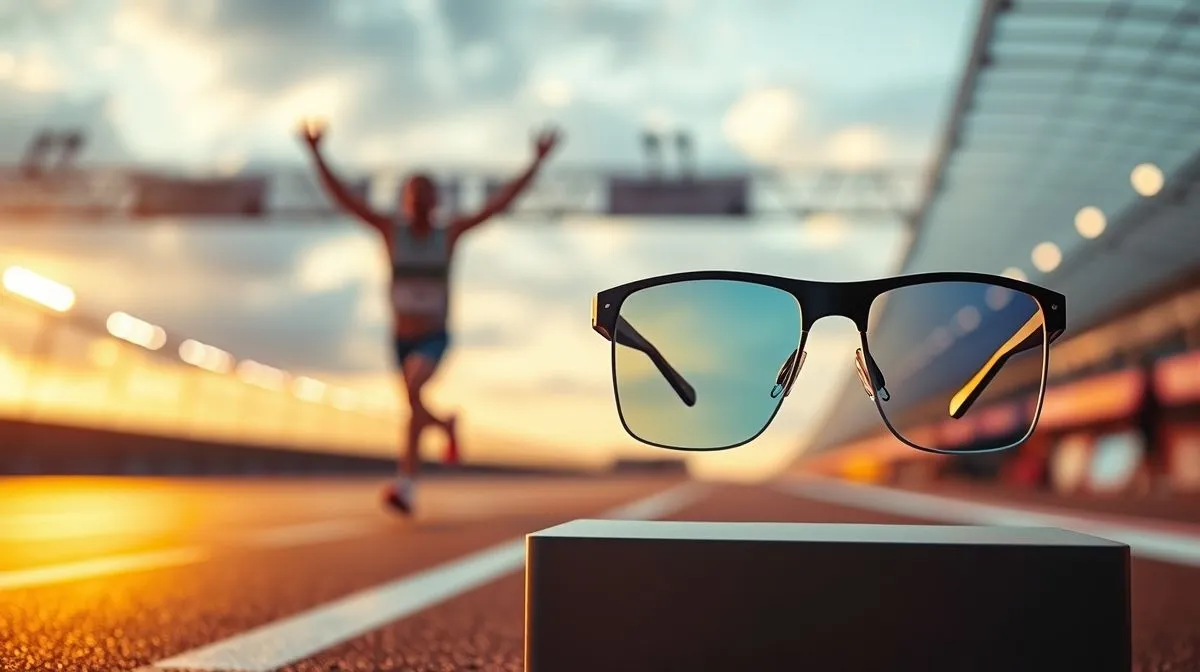
How to Reduce Returns of Sport-Specific Performance Eyewear?
For over two decades in the dynamic world of eyewear fashion and performance optics, I've witnessed countless innovations, shifting trends, and evolving consumer demands. Yet, one persistent challenge continues to plague businesses, from boutique opticians to large online retailers: the high return rate of sport-specific performance eyewear. It's a silent drain on profitability, a dent in brand reputation, and a source of significant frustration for both businesses and the athletes they serve.
This isn't just about a customer changing their mind; it’s about a fundamental misalignment between expectation and reality, fit and function. The unique demands of athletic performance mean that a 'good enough' fit or 'decent' lens simply won't cut it. When eyewear fails to perform under pressure, it comes back, often with a scathing review attached.
Today, I want to pull back the curtain on this complex issue and share the actionable strategies I've seen successfully implemented to significantly reduce returns of sport-specific performance eyewear. We'll delve into everything from pre-purchase precision to post-sale support, offering frameworks and insights designed to transform your return rate into a metric of success and build a loyal base of confident athletes.
The Root Cause: Why Sport Eyewear Returns are Different
Before we dive into solutions, it's crucial to understand why sport-specific eyewear faces a higher return propensity than, say, a pair of everyday fashion frames. It’s a nuanced problem, rooted in the very purpose of these specialized products.
Fit vs. Function: Beyond Aesthetics
Unlike casual eyewear, where aesthetics and general comfort often suffice, sport-specific performance eyewear is an integral piece of athletic equipment. It must stay securely in place during vigorous movement, withstand impacts, and provide unobstructed vision in diverse conditions. A slight slippage, pressure point, or visual distortion can render it useless for its intended purpose, leading to immediate returns. I've seen athletes return frames simply because they couldn't wear their helmet comfortably with them, or because they constantly slid down their nose during a run.
Performance Expectations: High Stakes on the Field
Athletes purchase performance eyewear with very specific, high expectations. They anticipate superior optical clarity, anti-fog capabilities, effective glare reduction, and robust durability. When a lens fogs up mid-race, or a frame cracks after a minor bump, it's not just an inconvenience; it can impair performance or even pose a safety risk. The stakes are higher, and so is the disappointment when the product fails to meet these critical needs.
Lack of Education: The Buyer's Remorse Trigger
Often, the consumer isn't fully educated on the specific features, benefits, or even proper usage of their sport eyewear. They might buy a polarized lens for cycling through shaded trails, unaware that polarization can obscure certain road hazards. Or they might choose a frame that looks great but isn't designed for high-impact sports. This knowledge gap, whether on the part of the salesperson or the consumer, frequently leads to buyer's remorse and, inevitably, a return. In my experience, a well-informed customer is almost always a satisfied customer.
Strategy 1: The Pre-Purchase Precision Fit Protocol
The single most impactful way to reduce returns of sport-specific performance eyewear starts before the purchase is even made: impeccable fit. This goes far beyond just trying on a pair of glasses.
Advanced Measurement Techniques
We're in an era of incredible technological advancement, and eyewear fitting should reflect that. I advocate for the adoption of digital measurement tools that can map facial geometry with precision. These tools can capture exact pupillary distance (PD), optical centers, and even facial curves, ensuring lenses are precisely aligned with the wearer's eyes and the frame sits optimally. Some advanced systems can even simulate how different frames will interact with helmet straps or headgear.
Sport-Specific Fit Guides
Develop and utilize detailed fit guides tailored to specific sports. For instance, a cyclist needs eyewear that provides wide peripheral vision and doesn't interfere with helmet ventilation. A runner needs lightweight frames with superior grip to prevent slippage due from sweat. These guides should cover:
- Frame Geometry: How frame wrap affects peripheral vision and wind protection.
- Temple Design: Straight temples vs. curved, and how they interact with helmets or hats.
- Nosepiece Adjustability: Crucial for stability and comfort during impact or heavy perspiration.
- Ventilation: Features that prevent fogging.
Virtual Try-On Innovations
For online retailers, augmented reality (AR) powered virtual try-on tools are no longer a luxury but a necessity. While not a replacement for in-person fitting, these tools offer a significantly better approximation of fit and look than static images. They empower customers to see how frames sit on their face, helping them narrow down choices and reduce uncertainty, which is a major contributor to online returns.
Here are actionable steps for implementing a precision fit protocol:
- Invest in Digital Fitting Technology: Research and acquire state-of-the-art measuring devices for in-store use.
- Train Staff Extensively: Ensure every sales associate is an expert in sport-specific fit, understanding the nuances of different athletic demands.
- Develop Comprehensive Online Fit Guides: Provide detailed, sport-specific sizing charts and measurement instructions on your website.
- Integrate AR Try-On: Implement a robust virtual try-on feature for online customers.
- Offer a 'Fit Guarantee': Stand behind your fitting process, offering easy adjustments or exchanges for fit-related issues to build customer confidence.
Strategy 2: Educating for Empowerment: The Athlete-Centric Consultation
A well-fitted pair of glasses is only half the battle. The other half is ensuring the athlete truly understands the technology they're investing in and how it will enhance their performance. This is where the expert consultation comes in.
Lens Technology Demystified
Many consumers are unaware of the vast differences in lens technology. It's not enough to say 'polarized.' Explain *what* polarization does, *when* it's beneficial (e.g., water sports, driving), and *when* it might be a hindrance (e.g., viewing LCD screens, certain snow conditions). Discuss photochromic lenses, anti-fog coatings, hydrophobic treatments, and impact resistance ratings (e.g., ANSI Z87.1). Use analogies to make complex concepts simple.
Frame Material & Durability
Educate customers on the properties of different frame materials: TR90 for flexibility, O Matter™ for stress resistance, titanium for lightweight durability. Explain how these materials contribute to the eyewear's performance and longevity under athletic stress. Highlight features like interchangeable lenses or adjustable nose pads, and how they enhance versatility.
Understanding Use Cases: From Trail Running to Cycling
Engage the customer in a dialogue about their specific sport, the environments they train in, and their pain points. Are they a cyclist who rides in varying light conditions? Suggest photochromic or interchangeable lenses. Are they a trail runner who needs maximum airflow and impact protection? Recommend a lightweight, vented frame with high-impact lenses. This personalized approach ensures the recommendation directly addresses their needs.
In my journey, I've learned that the most powerful sales tool isn't a discount, but genuine, tailored education. When an athlete understands *why* a particular feature matters to *their* sport, the value proposition becomes undeniable. They don't just buy a product; they buy a solution to their specific challenges.
Case Study: How 'Apex Optics' Slashed Returns by 20% Through Enhanced Consultations
Apex Optics, a leading retailer specializing in performance eyewear, faced a frustrating 18% return rate on their sport-specific models. Their sales team was knowledgeable but often focused on features rather than benefits tailored to the athlete's specific needs. By implementing a mandatory, in-depth 'Athlete-Centric Consultation' training program for all staff, they transformed their approach.
The training emphasized active listening, asking open-ended questions about the customer's sport and environment, and then translating product features into direct performance benefits. For example, instead of just saying 'this lens is polarized,' staff would explain, 'this polarized lens will cut glare off the water, giving you clearer vision when you're paddling, and reducing eye strain during long sessions.' They also introduced a 'Sport-Specific Lens Selector' tool for customers to use alongside the consultation.
Within six months, Apex Optics saw their sport eyewear return rate drop to 14.4%, a significant 20% reduction. Customer feedback improved, and their average transaction value for sport eyewear also increased, as customers felt more confident investing in higher-end, perfectly suited products.
Strategy 3: Post-Purchase Support: Beyond the Sale
The transaction doesn't end when the customer leaves the store or clicks 'confirm order.' Robust post-purchase support is a critical, often overlooked, component in reducing returns of sport-specific performance eyewear.
Comprehensive Care Guides
Provide clear, easy-to-understand instructions on how to care for and maintain their specific eyewear. This includes:
- Cleaning: Proper techniques for lenses and frames to avoid scratches.
- Storage: Best practices to prevent damage (e.g., in a hard case, away from extreme heat).
- Maintenance: How to tighten screws, adjust nose pads, or clean hinges.
These guides can be physical inserts, digital PDFs, or even short video tutorials accessible via QR code on the packaging.
Troubleshooting Common Issues
Anticipate common problems and provide solutions. Does the lens fog up? Explain anti-fog sprays or proper ventilation. Does the frame slip? Suggest adjusting nose pads or using retention straps. Empower the customer to solve minor issues themselves, preventing a premature return.
Proactive Follow-Ups
A simple email or text message a week or two after purchase can make a huge difference. This isn't a sales pitch; it's a check-in. Ask if they're enjoying their new eyewear, if they have any questions, or if they need assistance with fit or care. This demonstrates you care about their experience beyond the sale, fostering loyalty and providing an opportunity to address minor concerns before they escalate into a return.
- Automate Post-Purchase Emails: Set up an email sequence providing care tips, troubleshooting, and a direct line for questions.
- Create a Resource Library: Host videos and articles on your website covering common issues and maintenance.
- Offer Virtual Support: Provide video calls for remote adjustments or troubleshooting.
- Encourage Feedback: Use short surveys to gather insights on initial satisfaction and identify areas for improvement.
Strategy 4: Leveraging Data for Predictive Insights
To truly understand how to reduce returns of sport-specific performance eyewear, you must speak the language of data. Returns aren't just a cost; they're a goldmine of information waiting to be analyzed.
Analyzing Return Reasons
Implement a robust system for categorizing every return. Was it due to fit? Discomfort? Fogging? Lens performance issues? Durability concerns? Customer changed their mind? The more granular your data, the clearer the patterns become. I've worked with brands who discovered that 60% of their returns for a particular cycling frame were due to it interfering with helmet straps – a simple design flaw they could then address.
Customer Feedback Loops
Beyond categorizing, actively solicit detailed feedback from returning customers. Use short surveys, direct phone calls, or even offer a small incentive for their input. This qualitative data provides the 'why' behind the quantitative trends. According to a study by Deloitte, effective returns management can actually enhance customer loyalty.
Inventory Optimization
Once you've identified common return culprits (e.g., a specific model, a particular lens tint, or a size range), use this data to inform your purchasing and inventory decisions. Are certain SKUs consistently underperforming? Perhaps they need design tweaks, better product descriptions, or more targeted marketing. This proactive approach prevents future returns by addressing issues at the source.
Strategy 5: Quality Control & Supplier Vetting
No amount of perfect fitting or customer education can compensate for a fundamentally flawed product. Ensuring the highest quality of sport-specific performance eyewear starts with rigorous quality control and careful supplier vetting.
Rigorous Product Testing
Before any new model hits the shelves, it should undergo extensive real-world testing. This means more than just lab tests; it means having athletes wear and test prototypes during their actual training and competitions. Subject the eyewear to impact, sweat, extreme temperatures, and repeated use. Identify weaknesses before they become customer complaints and returns.
Supplier Standards & Audits
Work only with suppliers who adhere to the highest manufacturing standards. Conduct regular audits of their facilities and processes. Ensure they have their own robust quality control measures in place. This partnership approach ensures consistency and reliability across your product line. I've always emphasized that your supplier is an extension of your brand; their quality directly reflects on yours.
Material Science Deep Dive
Stay abreast of the latest advancements in material science. Are there new, more durable frame materials? Better lens coatings for anti-fog or scratch resistance? Continuously evaluate and integrate these innovations to enhance product performance and longevity, thereby reducing the likelihood of returns due to product failure.
Strategy 6: The "Try-Before-You-Buy" & Customization Advantage
Reducing the perceived risk for the consumer is a powerful way to minimize returns, especially for high-value items like performance eyewear. Allowing them to experience the product in a low-commitment way can build immense confidence.
Home Try-On Programs
For online retailers, offering a home try-on program where customers can select a few frames to test out for a limited period, often with a refundable deposit, significantly boosts conversion and reduces returns. This allows athletes to test fit and comfort in their own environment, perhaps even during a light workout, without the pressure of an immediate purchase decision. The confidence gained from this hands-on experience translates directly into fewer returns.
Custom Rx Integration
For athletes requiring prescription eyewear, a seamless and accurate Rx integration process is paramount. This includes:
- Precise Rx Verification: Double-checking prescription details with the customer.
- Optimal Lens Lab Partnership: Working with labs that specialize in high-wrap, sport-specific prescriptions to minimize distortion.
- Clear Communication: Managing expectations about adaptation periods for new or complex prescriptions.
Misaligned or incorrectly ground prescription lenses are a frequent cause of returns for performance eyewear.
Personalization Options
Offering options for customization, such as interchangeable lenses, adjustable nose pads, or even custom engraving, allows athletes to tailor their eyewear precisely to their needs and preferences. When a product feels truly 'theirs' and is optimized for their specific use, they are far less likely to return it.
Strategy 7: Building a Community of Confident Athletes
Ultimately, reducing returns is about fostering a stronger connection with your customer base. Building a community around your brand can significantly reduce buyer's remorse and enhance product satisfaction.
User-Generated Content (UGC)
Encourage customers to share photos and videos of themselves using your eyewear during their activities. This authentic content builds trust among potential buyers. When new customers see real athletes successfully using your products in various sports, it reinforces the product's credibility and performance, making them more confident in their purchase. As marketing guru Seth Godin often says, "People do not buy goods and services. They buy relations, stories and magic."
Ambassador Programs
Recruit a diverse group of athletes, from local champions to everyday enthusiasts, to become brand ambassadors. Provide them with eyewear and gather their honest feedback. Their real-world experiences and testimonials, shared authentically, can serve as powerful social proof, guiding other athletes in their purchasing decisions and reducing uncertainty.
Educational Content Hub
Create a comprehensive content hub on your website featuring articles, videos, and detailed FAQs about sport eyewear. This hub should address common questions, provide sport-specific recommendations, and offer troubleshooting tips. By providing readily accessible, high-quality information, you empower customers to make informed decisions and solve minor issues independently, preventing returns. An informed customer is a confident customer, and a confident customer is a satisfied customer.
Frequently Asked Questions (FAQ)
Question: Is it really worth investing in high-tech fitting tools for sport eyewear? Absolutely. In my experience, the initial investment in advanced digital measurement tools and AR try-on technology pays for itself many times over by drastically reducing return rates. Precise fit is the cornerstone of performance eyewear satisfaction. It minimizes costly exchanges, boosts customer confidence, and differentiates you from competitors who rely on guesswork. Think of it as an investment in customer loyalty and long-term profitability.
Question: How do I effectively train my staff to be eyewear experts for athletes, not just salespeople? The key is continuous, specialized training. Go beyond product features and focus on problem-solving for specific athletic needs. Partner with local sports coaches or trainers to provide real-world scenarios. Conduct workshops on different sports' visual demands. Role-play complex customer consultations, emphasizing active listening and empathetic questioning. Create a culture where learning about sports and optics is an ongoing journey, not a one-off course.
Question: What's the biggest mistake retailers make when selling sport eyewear that leads to returns? The single biggest mistake I've observed is treating sport eyewear like fashion eyewear. They focus on style over substance, failing to adequately explain the performance benefits and technical nuances specific to an athlete's sport. This leads to a mismatch between product capability and customer expectation, almost guaranteeing a return. It's about selling a performance solution, not just an accessory.
Question: Can online sales truly reduce returns for sport eyewear, given customers can't physically try them on? Yes, but it requires a strategic approach. While physical try-on is ideal, online retailers can significantly mitigate return risk by implementing robust virtual try-on tools (AR), extremely detailed product descriptions with clear sizing guides, comprehensive educational content (videos, blogs), and a generous, hassle-free return policy that encourages initial trial. Proactive post-purchase support and clear communication also play a huge role.
Question: How often should I update my product education materials and staff training for sport eyewear? In the rapidly evolving world of optics and sports technology, I recommend updating product education materials and conducting refresher staff training at least annually, or whenever significant new product lines or technologies are introduced. Continuous learning ensures your team and your customers are always equipped with the most current and accurate information, directly contributing to reduced dissatisfaction and fewer returns.
Recommended Reading
- Unlock the Secret: How to Choose Formal Wear for a Summer Wedding with Style
- Unlock Your Best Silhouette: How to Style Pear Shape Body for Flattering Looks
- Unveiling the True Value: What Makes a Luxury Designer Brand Worth Buying?
- Authentic Natural Beauty: 7 Steps to Marketing Without Greenwashing
- Find Your Perfect Hat: The Ultimate Guide to Choosing the Right Style for Your Face Shape
Key Takeaways and Final Thoughts
Reducing returns of sport-specific performance eyewear isn't about implementing a single fix; it's about adopting a holistic, athlete-centric approach that permeates every facet of your business. From the initial point of contact to post-purchase support, every interaction is an opportunity to build confidence and ensure the perfect match between athlete and eyewear.
- Prioritize Precision Fit: Invest in technology and training for unparalleled accuracy.
- Educate and Empower: Turn your sales team into expert consultants who explain the 'why' behind the 'what.'
- Extend Support Beyond the Sale: Proactive care and clear guidance prevent minor issues from becoming returns.
- Leverage Data: Understand *why* returns happen to implement targeted solutions.
- Demand Quality: Partner with the best suppliers and rigorously test products.
- Reduce Risk for Customers: Offer try-before-you-buy options and seamless customization.
- Build Community: Foster trust and confidence through authentic user experiences.
By embracing these strategies, you won't just see your return rates decline; you'll build a stronger brand reputation, foster deeper customer loyalty, and ultimately contribute to athletes performing at their best, confidently equipped with eyewear that truly meets their demanding needs. It's a win-win for everyone involved.



Your email address will not be published. Required fields are marked *