

How Will Advanced Materials Reshape Clothing Design?
Imagine a shirt that monitors your heart rate, adjusts its temperature to keep you comfortable, or even repairs itself if it gets a tear. What if your everyday jeans could purify the air around you, or your running shoes could generate electricity as you walk? This isn't science fiction; it's the near future of fashion, driven by groundbreaking advancements in material science. The very fabric of our lives, quite literally, is on the cusp of an unprecedented transformation.
For centuries, clothing has primarily served basic functions: protection, modesty, and aesthetic expression. While fashion has always evolved, the fundamental properties of textiles—cotton, wool, silk, synthetics—have remained largely consistent. However, we now face pressing global challenges, from environmental degradation to the demand for enhanced personal performance and well-being. Traditional materials, with their inherent limitations in durability, sustainability, and functionality, are increasingly proving insufficient to meet these complex modern needs.
This article will delve deep into the revolutionary world of advanced materials, exploring precisely how will advanced materials reshape clothing design. We will uncover the innovations that are pushing the boundaries of what clothing can be, from smart textiles that interact with their environment to eco-friendly alternatives that promise a sustainable future. By the end of this comprehensive guide, you will understand the profound impact these materials will have on comfort, performance, sustainability, and the very aesthetics of our wardrobes.
The Dawn of Smart Textiles: Beyond Mere Fabric
The concept of clothing that does more than just cover the body is no longer a distant dream. Smart textiles, also known as e-textiles or intelligent fabrics, are at the forefront of this revolution. These materials integrate digital components and functionalities directly into the fabric structure, allowing garments to sense, react, and adapt to their surroundings or the wearer's needs.
What Are Smart Textiles?
Smart textiles are fabrics that have enhanced functionalities through the incorporation of technology. This can range from conductive fibers that transmit electrical signals to phase-change materials (PCMs) that regulate temperature. They are typically categorized into passive, active, and ultra-smart textiles based on their level of interaction. Passive smart textiles, for instance, only sense environmental conditions, while active ones can react to them. Ultra-smart textiles can adapt and learn over time.
- Conductive Fibers: Woven into fabrics to create circuits, allowing for embedded sensors or heating elements.
- Phase-Change Materials (PCMs): Microencapsulated into fibers, absorbing and releasing heat to maintain thermal comfort.
- Self-Healing Materials: Fabrics that can autonomously repair small tears or punctures, extending their lifespan.
- Chromic Materials: Change color in response to light, temperature, or pressure, offering dynamic aesthetics.
Wearable Technology Integration
The seamless integration of wearable technology is one of the most exciting aspects of smart textiles. Instead of bulky gadgets, sensors and microcontrollers can now be imperceptibly woven into garments. This allows for continuous, non-invasive data collection, opening up new possibilities for health monitoring, fitness tracking, and communication.
For example, a smart shirt could monitor heart rate, respiration, and even stress levels, transmitting data directly to a smartphone or medical professional. Athletes could wear garments that track performance metrics like muscle activity and fatigue, providing real-time feedback for optimizing training. Furthermore, smart textiles are enabling new forms of human-computer interaction, from gesture-controlled interfaces embedded in sleeves to clothing that provides haptic feedback.
Impact on Performance and Comfort
The benefits of smart textiles extend far beyond data collection. They are fundamentally changing the performance and comfort paradigms of clothing. In athletic wear, smart fabrics can regulate body temperature more effectively, wick moisture away from the skin with unprecedented efficiency, and even provide targeted compression to support muscles and reduce injury risk. For medical applications, smart textiles are transforming patient care, offering continuous vital sign monitoring, wound healing acceleration, and even drug delivery systems integrated into bandages.
Moreover, adaptive comfort is becoming a reality. Imagine a jacket that automatically warms up when you step into the cold and cools down when you enter a heated room, all without needing to add or remove layers. This level of responsiveness makes clothing a truly dynamic and interactive element of our daily lives.
Sustainability at the Core: Eco-Conscious Material Innovation
One of the most critical drivers for the adoption of advanced materials is the urgent need for sustainability in the fashion industry. Traditional textile production is notoriously resource-intensive and polluting. Advanced materials offer pathways to significantly reduce the environmental footprint of clothing, moving towards a more circular and regenerative economy.
Biodegradable and Bio-based Materials
The shift away from fossil-fuel-derived synthetics and resource-heavy natural fibers is gaining momentum. Researchers are developing innovative materials from unexpected sources that are both renewable and biodegradable. These materials aim to return to nature harmlessly at the end of their life cycle, preventing landfill accumulation and microplastic pollution.
- Mushroom Leather (Mycelium): Grown from fungi, offering a sustainable, animal-free alternative to traditional leather with comparable durability and texture.
- Algae Fibers: Derived from algae, these fibers are carbon-negative, requiring minimal resources for growth and offering vibrant color possibilities without toxic dyes.
- Pineapple Leaf Fibers (Piñatex): Utilizing waste products from pineapple harvests, creating a durable and versatile leather alternative.
- Spider Silk & Lab-Grown Proteins: Bio-engineered materials that mimic the strength and elasticity of natural spider silk, produced sustainably in labs without animal involvement.
Recycled and Upcycled Fabrics
Beyond new bio-based materials, the industry is revolutionizing how we handle existing waste. Advanced recycling technologies are enabling the transformation of discarded garments and plastic waste into high-quality new fibers, closing the loop on textile production. This reduces the demand for virgin resources and diverts waste from landfills.
For instance, technologies now exist to break down old cotton and polyester blends into their original polymers, which can then be spun into new yarns. Companies are also actively transforming ocean plastic into performance fabrics for sportswear, demonstrating a powerful example of environmental remediation through material innovation. This approach is crucial for building a truly circular fashion economy, where materials are kept in use for as long as possible.
Energy-Efficient Production Processes
The sustainability impact of advanced materials also extends to their manufacturing. Innovations in processes aim to reduce water consumption, energy use, and the reliance on harsh chemicals. Techniques like solution dyeing, where color is added to the fiber solution before spinning, significantly reduce water and energy compared to traditional dyeing methods. Furthermore, new enzyme-based treatments are replacing chemical finishes, leading to cleaner effluent and safer working conditions. According to a report by the Sustainable Apparel Coalition, optimizing production processes can lead to a 20-30% reduction in environmental impact across the supply chain.
Performance Revolution: Enhancing Functionality and Durability
The quest for enhanced performance and durability is another key area where advanced materials are making a profound impact. From extreme sports to everyday wear, these innovations are pushing the boundaries of what clothing can withstand and how it can improve human capability and comfort.
Moisture-Wicking and Temperature Regulation
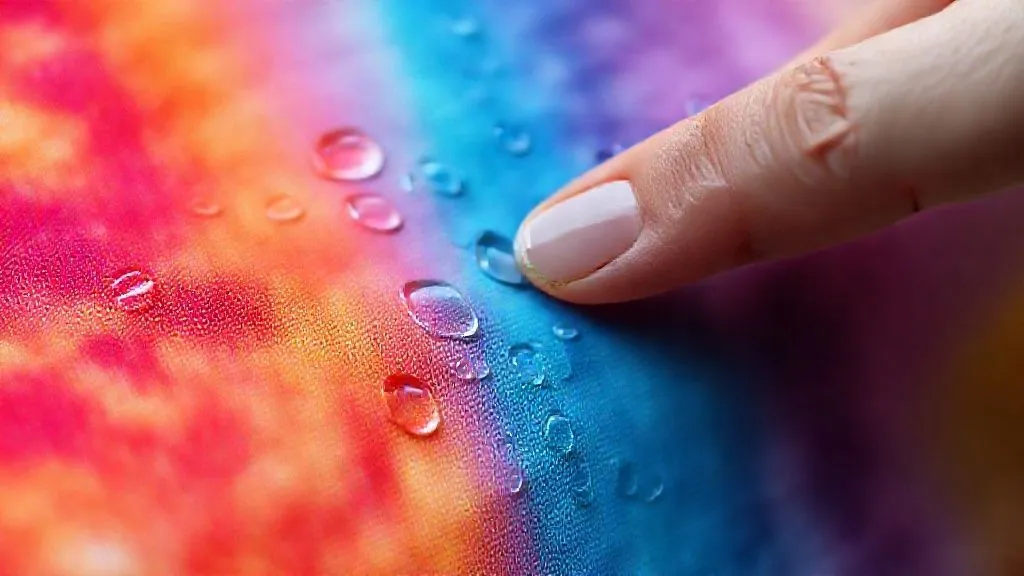
While traditional synthetics offered some moisture-wicking properties, advanced materials take this to a new level. Fabrics engineered with specific fiber structures and surface treatments can rapidly pull moisture away from the skin and disperse it, facilitating quick evaporation. This keeps the wearer dry and comfortable, crucial for athletes and individuals in demanding environments. Beyond wicking, materials incorporating PCMs or even active cooling/heating elements can dynamically regulate body temperature, offering unprecedented thermal control in varying conditions.
Durability and Self-Healing Properties
One of the biggest challenges in fast fashion is the short lifespan of garments. Advanced materials are addressing this by creating fabrics that are inherently more durable, resistant to abrasion, tearing, and fading. Furthermore, the development of self-healing polymers and coatings means that minor damage, like small cuts or scratches, can spontaneously repair, significantly extending the life of a garment. This not only reduces waste but also provides better value to the consumer.
Protective and Adaptive Clothing
Advanced materials are revolutionizing protective clothing, moving beyond bulky, rigid designs. Lightweight, flexible, yet incredibly strong materials like graphene and carbon nanofibers are being integrated into garments to offer superior impact resistance for sports or occupational safety. Moreover, fabrics that can adapt to environmental changes are emerging. This includes materials that offer dynamic UV protection, increasing their blocking capability in intense sunlight, or garments that become more water-repellent in rainy conditions, providing on-demand protection without compromising breathability or comfort. This adaptive functionality is a game-changer for outdoor apparel and specialized uniforms.
The Aesthetic and Design Paradigm Shift
Beyond functionality and sustainability, advanced materials are fundamentally transforming the aesthetic possibilities and design processes within the fashion industry. Designers are no longer limited to the traditional palette of textures, colors, and forms. This new era brings a fluidity and responsiveness to clothing that was previously unimaginable, profoundly influencing how will advanced materials reshape clothing design from a creative perspective.
New Textures and Visual Effects
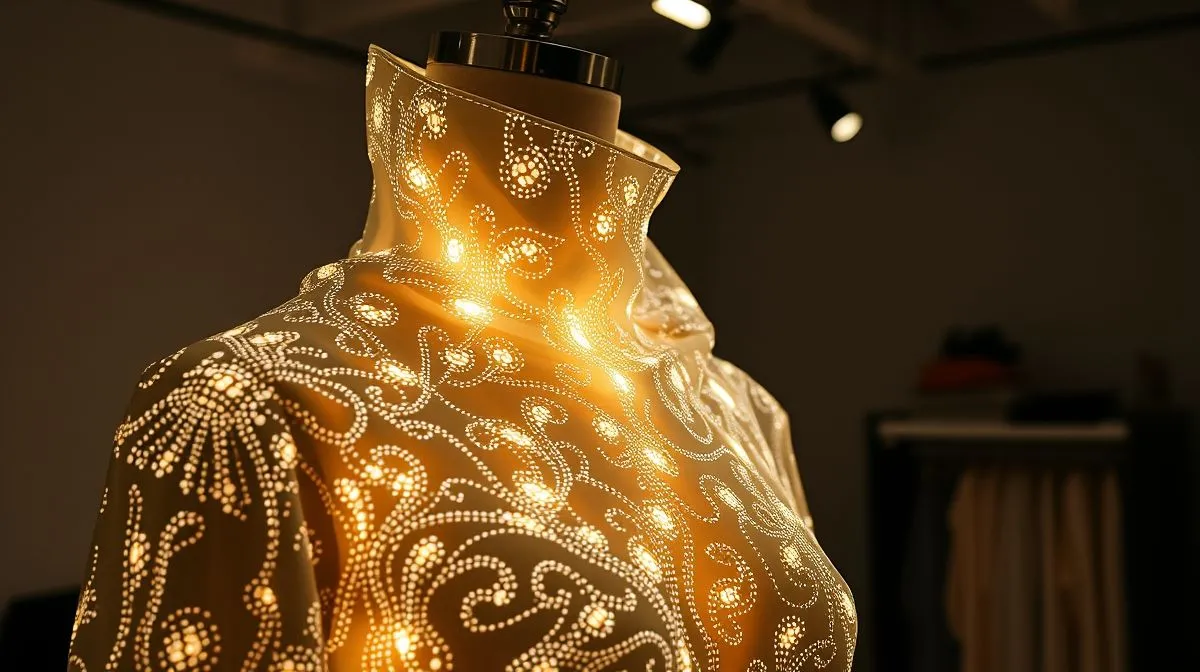
The advent of advanced materials introduces a breathtaking array of new textures and visual effects. We are seeing fabrics that shimmer with iridescent qualities, materials that change color with temperature or light, and textiles embedded with micro-LEDs that allow for dynamic, programmable displays. Imagine a dress that changes its pattern throughout the day, or a jacket that lights up in response to music. These innovations offer designers unprecedented tools for creating visually stunning and interactive garments that truly come alive.
Furthermore, the ability to manipulate materials at a molecular level allows for the creation of fabrics with unique haptics – how they feel to the touch. From incredibly soft, almost fluid textiles to structured, architectural forms that hold their shape without traditional interlinings, the tactile experience of clothing is being redefined.
Customization and Personalization
Advanced manufacturing techniques, often coupled with new materials, are paving the way for unprecedented levels of customization and personalization in clothing. Technologies like 3D printing, for example, allow for the creation of intricate, bespoke garment components or even entire outfits on demand. This reduces waste associated with mass production and allows consumers to have truly unique pieces tailored precisely to their bodies and preferences. Advanced materials are often formulated to be compatible with these additive manufacturing processes, enabling designers to explore complex geometries and functional integrations that were previously impossible with traditional cut-and-sew methods.
Fluidity and Form: Challenging Traditional Silhouettes
The inherent properties of advanced materials are challenging the very notion of garment construction and silhouette. Materials that can stretch in multiple directions, remember their shape, or even stiffen and soften on command, allow designers to create garments with dynamic forms that adapt to movement or environment. This moves beyond rigid, pre-defined shapes to fluid, organic structures that can interact with the wearer's body in new ways. The traditional boundaries between structure and drape are blurring, opening up a realm of design possibilities that prioritize comfort, adaptability, and expressive movement. This creative liberation is a core aspect of how advanced materials are revolutionizing clothing design.
Challenges and Ethical Considerations
While the promise of advanced materials in clothing design is immense, their widespread adoption is not without significant challenges and ethical considerations. Addressing these hurdles will be crucial for ensuring a truly sustainable and equitable future for fashion.
Cost and Accessibility
Developing and producing advanced materials often involves cutting-edge research, specialized equipment, and complex manufacturing processes, leading to higher costs compared to traditional textiles. This can make these innovative garments inaccessible to the average consumer, limiting their impact to luxury markets or highly specialized applications. Bridging this gap will require further technological advancements, economies of scale, and potentially government incentives or research grants to drive down production costs and make these materials more widely available.
Ethical Sourcing and Labor
Even with the focus on environmental sustainability, the ethical sourcing of raw materials and fair labor practices throughout the supply chain remain paramount. The production of some advanced materials might still rely on minerals or chemicals extracted under questionable conditions, or involve manufacturing processes in regions with lax labor laws. Ensuring transparency and accountability from raw material extraction to final garment assembly is vital. Organizations like Fashion Revolution continue to advocate for greater transparency and ethical conduct across the entire fashion value chain, a principle that must extend to advanced materials as well.
Disposal and Lifecycle Management
While many new materials are designed to be biodegradable or recyclable, the infrastructure for their proper disposal and recycling is often underdeveloped. A bio-based material, for example, might require specific industrial composting facilities that are not widely available. Similarly, complex smart textiles with integrated electronics pose challenges for recycling, as separating the different components can be difficult. The industry must invest in robust end-of-life solutions and educate consumers on how to properly dispose of or return these advanced garments to truly close the loop on their lifecycle.
The Future Wardrobe: A Glimpse into Tomorrow
Looking ahead, the integration of advanced materials promises a future wardrobe that is not only stylish and comfortable but also highly functional, sustainable, and deeply integrated into our lives. This evolution will redefine our relationship with clothing, transforming it from mere covering to an active participant in our well-being and daily experiences.
Personalized Health and Wellness Garments
The medical and wellness sectors stand to benefit immensely from advanced materials. Imagine clothing that continuously monitors your vital signs, detects early signs of illness, or administers medication through the skin. Garments could become personalized diagnostic tools, providing actionable insights into our health and allowing for proactive wellness management. This integration of health tech into everyday apparel will make health monitoring seamless and non-intrusive, potentially revolutionizing preventive care.
Interactive and Social Clothing
Clothing will become increasingly interactive, not just with the wearer but also with the environment and other people. Fabrics that light up, change patterns, or display dynamic content could turn clothing into a new form of personal expression and communication. Imagine a garment that displays your mood, responds to social media interactions, or even connects with other smart garments in a network. This opens up entirely new dimensions for social interaction and digital integration, making our clothing an extension of our digital selves.
Circular Fashion Ecosystems
Ultimately, advanced materials are paving the way for truly circular fashion ecosystems. The goal is to move beyond the linear 'take-make-dispose' model to a regenerative system where materials are continuously cycled, minimizing waste and maximizing resource efficiency. This involves designing products for longevity, repairability, and eventual recyclability or biodegradability, ensuring that every garment has a planned end-of-life solution. This shift, driven by material innovation, will redefine value in fashion, prioritizing resourcefulness and environmental stewardship over endless consumption. The circular economy principles are at the heart of this transformative vision for the fashion industry.
Frequently Asked Questions (FAQ)
What are some examples of advanced materials currently used in clothing? Currently, examples include graphene-enhanced fabrics for strength and conductivity, phase-change materials for temperature regulation, bio-based alternatives like mushroom leather and algae fibers, and recycled polyesters from plastic waste.
Are advanced materials sustainable? Many advanced materials are specifically developed with sustainability in mind, focusing on biodegradability, recyclability, and reduced environmental impact during production. However, like all materials, their true sustainability depends on their entire lifecycle, including sourcing, manufacturing, and end-of-life management.
Will advanced materials make clothing more expensive? Initially, yes, the cost of research, development, and specialized manufacturing can make advanced material garments more expensive. However, as technologies mature and production scales, costs are expected to decrease, making them more accessible to a broader market.
How do smart textiles get powered? Smart textiles can be powered through various methods, including tiny embedded batteries, inductive charging, kinetic energy harvesting (from movement), or even solar power integrated into the fabric itself. Research is ongoing to develop more efficient and discreet power solutions.
Recommended Reading
- Unlock the Future: Can Robots Slash Waste in Fashion Manufacturing?
- Unlock the Secret: Why Bamboo Fabric is Your Ultimate Sustainable Clothing Choice
- The Ultimate Guide to Selecting Your Dream Destination Wedding Dress Fabrics
- Bespoke Jewelry Design: Your Ultimate Guide to Getting Started
- The Frustrating Truth: Why Does Seamless Activewear Roll Down During Workouts?
Conclusion
The journey of clothing design is entering its most exciting chapter yet, powered by the incredible innovations in material science. From smart textiles that anticipate our needs to bio-engineered fabrics that redefine sustainability, advanced materials are not just changing what our clothes are made of; they are fundamentally transforming their function, aesthetics, and environmental impact. The answer to how will advanced materials reshape clothing design is clear: they will usher in an era where clothing is intelligent, adaptive, sustainable, and deeply personal, moving beyond mere fabric to become an integral part of our future well-being and interaction with the world. Embrace this revolution, for the wardrobe of tomorrow is already being woven today.


Your email address will not be published. Required fields are marked *