


Why Does Seamless Activewear Roll Down During Workouts?
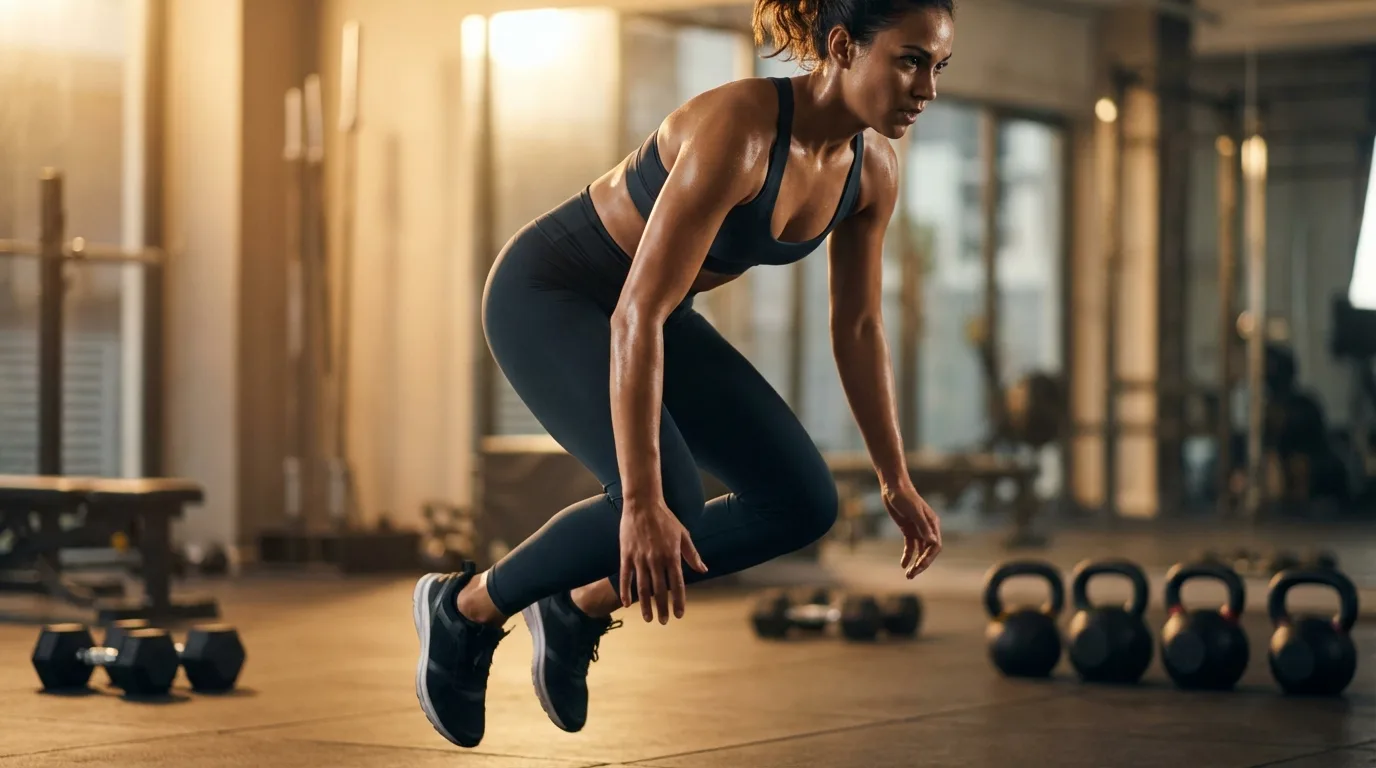
Have you ever found yourself mid-burpee or deep in a squat, only to feel that familiar, irritating sensation of your seamless activewear waistband betraying you, slowly but surely rolling down? It’s a common plight for many fitness enthusiasts, transforming a focused workout into a constant battle against slipping fabric. This isn't just a minor annoyance; it disrupts your flow, undermines your confidence, and can even impact the effectiveness of your exercise by forcing you to adjust constantly.
The problem of rolling activewear, particularly with seamless designs, is more complex than it appears. It’s not always about a faulty garment or a single design flaw. Instead, it’s often a confluence of factors involving the garment's construction, the fabric's properties, your body's unique mechanics, and even the type of exercise you're performing. Understanding these underlying causes is the first step toward finding a lasting solution to this pervasive workout wardrobe woe.
By the end of this comprehensive guide, you will gain a profound understanding of why seamless activewear rolls down during workouts. We will delve into the science of fabric, the nuances of garment design, and practical strategies to ensure your activewear stays put, allowing you to focus purely on your performance and achieve your fitness goals without distraction.
The Anatomy of Seamless Activewear: Beyond the Stitch
What Makes Seamless, Seamless?
Seamless activewear is a marvel of modern textile engineering. Unlike traditional garments assembled from multiple cut fabric pieces sewn together, seamless clothing is typically knit in a circular fashion on specialized machines. This process creates a single, continuous piece of fabric with minimal or no seams, particularly in critical areas like the torso and legs. The primary benefits include enhanced comfort (no chafing from seams), a smoother aesthetic, and often, improved elasticity and flexibility.
The absence of traditional seams means that the garment relies heavily on its knitting structure and the inherent properties of its yarn to provide shape, compression, and support. This continuous knit allows for targeted compression zones and ventilation patterns to be integrated directly into the fabric, offering a second-skin feel that moves with the body. However, this unique construction also introduces specific challenges when it comes to maintaining garment stability during dynamic movements.
The Role of Fabric Blend and Weave
The performance of seamless activewear is intrinsically linked to its fabric blend. Most seamless pieces are made from synthetic fibers like nylon, polyester, and spandex (elastane). Nylon is prized for its strength, durability, and soft feel, while polyester offers excellent moisture-wicking properties and resistance to shrinking and stretching. Spandex, the elastic component, is crucial for stretch, recovery, and providing the necessary compression to keep the garment in place.
The ratio of these fibers and the specific knitting pattern (weave) significantly influence how the fabric behaves under stress. A higher spandex content generally translates to better stretch retention and recovery, which is vital for preventing roll-down. However, too much spandex without sufficient structural support from nylon or polyester can lead to a garment that feels too restrictive or, paradoxically, loses its shape too quickly. The density and type of knit also play a role; a tighter, denser knit will offer more compression and stability than a looser, more open one.
Understanding the Core Culprits Behind Rolling
Improper Sizing: The Most Common Offender
Believe it or not, one of the most frequent reasons why seamless activewear rolls down during workouts is simply incorrect sizing. Many people assume a tighter fit is always better for activewear, but this isn't necessarily true, especially with seamless garments. If your activewear is too small, the fabric will be overstretched, losing its intended compression and causing the waistband to dig in and then flip or roll down under pressure. Conversely, if it's too large, there isn't enough tension to hold it up, allowing it to slide down your body.
- Too Small: Leads to excessive tension at the waist, causing the fabric to curl or fold under the strain.
- Too Large: Lacks the necessary compression to stay put, resulting in sagging and rolling.
- Inconsistent Sizing: Brands vary; always consult size charts and consider trying different sizes.
A properly sized seamless garment should feel snug and supportive without feeling restrictive or creating excessive pressure points. It should move with your body like a second skin, maintaining its position without constant adjustment.
Fabric Composition and Elasticity Degradation
Even with the correct size, the quality and longevity of the fabric's elasticity are paramount. The spandex fibers in activewear provide its stretch and recovery. Over time, and with improper care, these elastic fibers can degrade. Exposure to high heat (e.g., hot water washes, tumble drying), harsh detergents, and prolonged exposure to chlorine can break down spandex, reducing its ability to snap back into shape. Once the elasticity is compromised, the waistband loses its grip and is far more prone to rolling.
A well-made seamless garment uses high-quality spandex that is more resilient to wear and tear. However, even the best fabrics will eventually show signs of degradation. This is why proper care instructions are not just suggestions but critical steps to extend the lifespan and performance of your activewear.
Body Mechanics and Movement Patterns
Your unique body shape and the mechanics of your movements during exercise play a significant role. For individuals with a more pronounced hip-to-waist ratio, or those with a shorter torso, certain activewear designs might naturally be more prone to rolling. When you bend, squat, or twist, your body compresses and stretches the fabric in different ways. If the waistband isn't designed to accommodate these dynamic movements, or if your body shape creates points of pressure that push the fabric downwards, rolling can occur.
Activities that involve repeated bending at the waist, such as Pilates, yoga, or weightlifting (especially squats and deadlifts), put particular stress on the waistband. The continuous folding and unfolding action can encourage the fabric to roll if it lacks sufficient structural integrity or grip.
Design Flaws and Waistband Construction
Not all seamless activewear is created equal. The design of the waistband itself is a critical factor. Some seamless leggings feature a simple folded-over waistband, which, while comfortable, may lack the rigidity needed to stay up. Others incorporate a wider, reinforced waistband, sometimes with internal elastic bands or silicone grippers, designed to provide extra support and prevent slippage.
Key design elements that help prevent rolling include:
- High-waisted designs: These offer more coverage and can distribute pressure over a larger area, reducing the likelihood of a single point of failure.
- Reinforced waistbands: Often thicker or with double-layered fabric, providing more structure.
- Internal elastic or drawstrings: Some designs include hidden elastic bands or drawstrings that can be tightened for a custom, secure fit.
- Silicone grippers: Small silicone strips on the inside of the waistband can create friction against the skin, helping to hold the garment in place.
Poorly executed designs, even with these features, can still fail. For instance, a too-tight internal elastic can create an uncomfortable pressure point that encourages rolling above or below it.
The Impact of Your Workout Routine and Intensity
High-Impact vs. Low-Impact Activities
The type of workout you engage in significantly influences how your activewear performs. High-impact activities like running, jumping, and plyometrics involve repetitive up-and-down movements that can cause friction and slippage. The constant jostling tests the garment's ability to stay put. For these activities, activewear with strong compression and a highly secure waistband is paramount.
In contrast, low-impact activities such as yoga, Pilates, or walking might be less demanding on the waistband, but they often involve deep stretches and bends that can still encourage rolling if the fabric lacks adequate recovery or the waistband design is not flexible enough. The key is to match your activewear to the demands of your chosen exercise.
Sweat, Friction, and Garment Adhesion
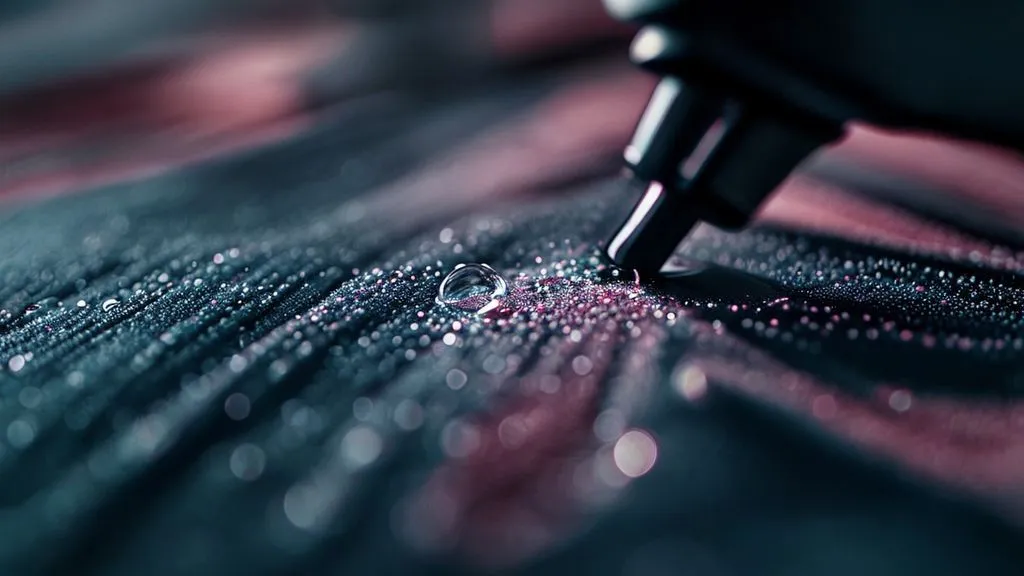
Sweat is a natural byproduct of intense exercise, but it can also be a culprit in activewear slippage. As your body sweats, the friction between your skin and the fabric can change. Some fabrics become slicker when wet, reducing their ability to adhere to your skin and making them more prone to sliding down. Additionally, the accumulation of sweat can add weight to the fabric, further contributing to the problem. Quality activewear is designed to wick away moisture, keeping your skin drier and maintaining optimal friction for stability. However, if the garment becomes saturated, its performance can be compromised.
According to a study by the University of Manchester's School of Materials, the interaction between skin and textile surfaces, particularly in the presence of moisture, is a complex biomechanical issue that directly impacts comfort and garment stability during physical activity. Understanding this dynamic is crucial for effective activewear design.
Solving the Roll-Down Dilemma: Practical Solutions
Mastering the Art of Sizing and Fit
The single most impactful step you can take is to ensure your activewear is the correct size. Don't rely solely on the label; body shapes vary widely. Always consult the brand's specific size chart, paying attention to waist, hip, and inseam measurements. If possible, try on different sizes and move around in them – squat, bend, jump. A perfect fit means the waistband lies flat against your skin, doesn't dig in, and stays put during dynamic movements. Remember, a garment that feels slightly compressive without being restrictive is often ideal.
Choosing the Right Fabric for Your Activity
For high-intensity workouts or those involving significant bending, opt for seamless activewear with a higher percentage of spandex (ideally 20% or more) and a dense, supportive knit. These fabrics offer superior stretch, recovery, and compression. For lower-impact activities, you might prioritize softer, less compressive fabrics, but still ensure they have enough elasticity to prevent slippage. Look for fabrics that explicitly mention moisture-wicking properties to manage sweat effectively.
Innovative Waistband Technologies
Seek out seamless activewear that incorporates advanced waistband designs. Look for features such as:
- Wide, high-rise waistbands: These distribute pressure more evenly and offer more surface area to grip your torso.
- Internal silicone grippers: Small, strategically placed silicone dots or strips on the inside of the waistband can create non-slip friction against the skin.
- Drawstrings or adjustable bands: While less common in seamless designs, some innovative pieces offer internal drawstrings for a customizable fit.
- Reinforced or bonded seams: Even seamless garments may have minimal bonding for structural integrity, especially at the waistband. Well-executed bonding can enhance stability.
Researching brands known for their technical activewear can lead you to garments with these effective features.
Proper Care and Maintenance for Longevity
To preserve the elasticity and performance of your seamless activewear, adhere strictly to care instructions. Generally, this means:
- Washing in cold water.
- Using a gentle cycle.
- Avoiding harsh detergents, fabric softeners, and bleach.
- Air-drying or tumble drying on low heat (ideally, air-dry to protect spandex).
- Washing inside out to protect the outer surface.
Proper care extends the life of the elastic fibers, ensuring your activewear maintains its supportive fit for longer, thus reducing the likelihood of it rolling down.
Beyond the Basics: Advanced Tips for a Flawless Fit
The Importance of Underwear Choice
While seemingly unrelated, your choice of underwear can subtly impact how your activewear stays put. Seamless or laser-cut underwear can reduce bulk and friction points that might otherwise contribute to your leggings shifting. Avoid underwear with thick seams or elastic bands that could push your activewear waistband or create discomfort that makes you want to adjust.
Styling for Stability: Layering and Accessories
Sometimes, external factors can help. Wearing a close-fitting tank top or sports bra that extends slightly below the waist of your leggings can create an additional layer of friction, helping to hold the waistband in place. Some athletes also use grip spray (designed for sports) on the inside of the waistband, though this is a more temporary and less common solution. Ensure any layering doesn't add bulk or restrict movement, which would defeat the purpose.
Common Mistakes to Avoid When Buying Activewear
Ignoring the Size Chart
A common pitfall is assuming your usual clothing size translates directly to activewear, especially seamless garments. Activewear brands often have unique sizing, and a medium in one brand might be a small or large in another. Always take a few moments to measure yourself and compare against the brand's specific size guide. This simple step can save you a lot of frustration and returns.
Prioritizing Style Over Function
While aesthetics are important, prioritizing flashy designs or trendy colors over functional features like waistband construction, fabric composition, and fit is a mistake. A beautiful pair of leggings that constantly rolls down is ultimately useless for its intended purpose. Invest in pieces that are engineered for performance first, and then consider the style elements.
Neglecting Fabric Care Instructions
As discussed, improper care is a leading cause of activewear degradation. Many consumers treat their activewear like any other laundry item, subjecting it to hot washes and high-heat drying. This significantly shortens the lifespan of the elastic fibers, leading to premature loss of shape and support. Always read and follow the care label to maximize your garment's performance and longevity. For further insights into textile care, consult resources like the Textile World's guide to textile care, which provides detailed information on fabric properties and maintenance.
Frequently Asked Questions (FAQ)
Q: Does seamless activewear always roll down? No, not necessarily. While it can be a common issue, well-designed and properly sized seamless activewear should stay in place during workouts. The problem often arises from a combination of fit, fabric quality, and movement patterns.
Q: Can I fix my seamless activewear if it keeps rolling down? Sometimes. If the issue is minor and due to slight sizing discrepancies, wearing a grip-enhancing underlayer or using a grip spray might help. However, if the fabric's elasticity is severely degraded or the design is fundamentally flawed, replacement might be the only permanent solution.
Q: Is high-waisted seamless activewear better for preventing rolling? Generally, yes. High-waisted designs offer more coverage and distribute pressure over a larger area of your torso, making them less prone to rolling down compared to mid-rise or low-rise options. They also tend to provide better core support.
Q: How can I tell if my activewear is the right size without trying it on? Always consult the brand's specific size chart and measure your waist and hips. Look for reviews that comment on sizing accuracy. If in doubt, order two sizes and return the one that doesn't fit, or choose brands with a generous return policy.
Q: Are certain workout types more prone to causing activewear to roll down? Yes, workouts involving deep squats, lunges, bending, or high-impact jumping can put more stress on the waistband and increase the likelihood of rolling. Activities like powerlifting, CrossFit, or dynamic yoga flows often highlight this issue more than, say, cycling or swimming.
Recommended Reading
- Are Virtual Fashion Shows Eco-Friendly? The Surprising Truth Revealed
- Unveiling the True Value: What Makes a Luxury Designer Brand Worth Buying?
- The Ultimate Guide: How to Find Practical Kids Wear That Lasts & Grows
- Petite Style Guide: What to Wear Daily for a Flattering Fit!
- Eco-Friendly Kids Clothes: Last Longer & Save You Money!
Conclusion
The frustration of seamless activewear rolling down during workouts is a common experience, but it's far from an insurmountable problem. By understanding the intricate interplay of factors such as garment sizing, fabric composition, waistband design, and even your unique body mechanics, you can make informed choices that revolutionize your workout experience. Investing in properly fitting, high-quality seamless activewear that aligns with your activity level and body shape is key to unlocking uninterrupted performance and confidence. Remember, your activewear should support you, not distract you, allowing you to focus on achieving your fitness aspirations with comfort and style.

Your email address will not be published. Required fields are marked *