

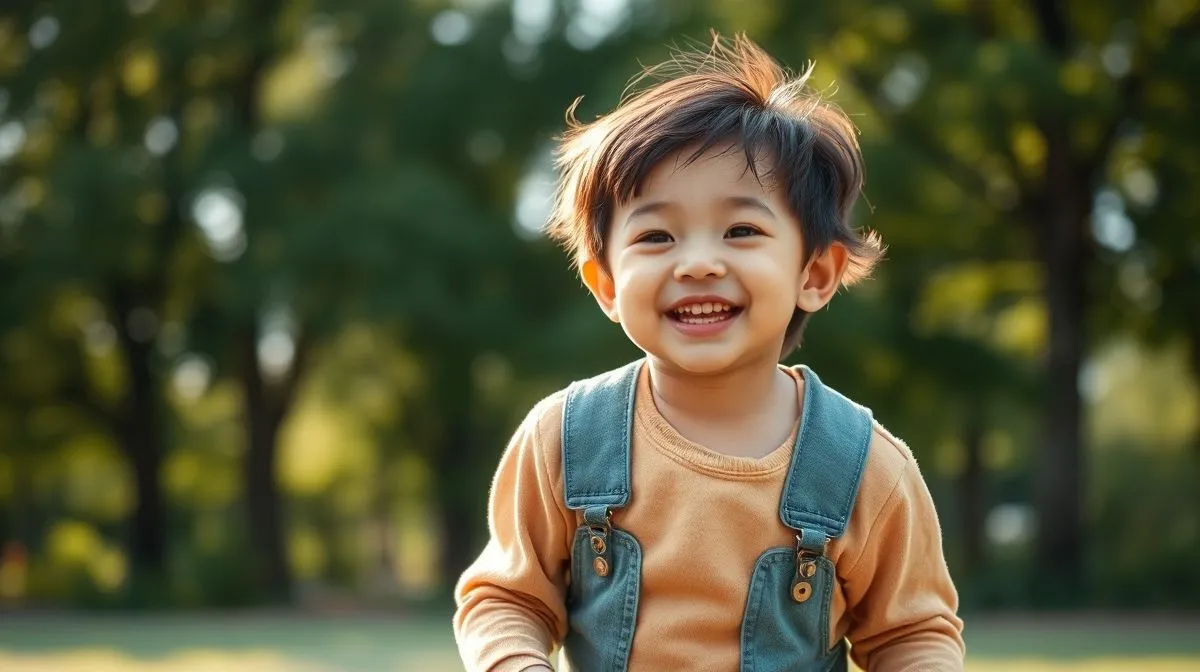
How to Find Practical Kids Wear That Lasts and Grows? The Ultimate Guide
Have you ever felt the frustration of buying a brand-new outfit for your child, only for it to succumb to tears, stubborn stains, or be outgrown within mere weeks? It's a common lament among parents, a seemingly endless cycle of purchasing, wearing out, and replacing.
The challenge isn't just about the immediate financial outlay; it's also about the environmental impact of fast fashion and the sheer inconvenience of constantly refreshing a rapidly expanding wardrobe. The problem of finding clothing that truly keeps pace with a child's active life and growth spurts is a persistent one for families globally.
This comprehensive guide will show you exactly how to find practical kids wear that lasts and grows, offering solutions that are durable, sustainable, and economically sensible. By the end of this reading, you'll be equipped with the knowledge to make smart choices that benefit your child, your wallet, and the planet.
Understanding the True Cost of Kids' Clothing
Many parents focus solely on the initial price tag when purchasing children's clothing. However, this overlooks the true economic and environmental cost associated with garments that quickly wear out or become too small. Understanding this broader perspective is the first step towards more sustainable and economical choices.
The Fast Fashion Trap
The allure of cheap, trendy clothing is strong, but it often comes at a high price. Fast fashion cycles encourage overconsumption, leading to garments made with lower-quality materials and construction that simply aren't designed to last. These items quickly end up in landfills, contributing significantly to textile waste. According to a report by the EPA, textile waste is a growing concern, with millions of tons ending up in landfills annually.
This rapid turnover means you're constantly buying new clothes, which might seem affordable individually but adds up to a substantial expense over time. It’s a vicious cycle that depletes resources and strains family budgets.
Calculating Cost Per Wear
Instead of focusing on the upfront price, consider the cost per wear. This metric evaluates how much you pay each time a garment is worn. A $5 T-shirt worn once before tearing has a cost per wear of $5, while a $30 durable shirt worn 100 times has a cost per wear of just $0.30. This simple calculation reveals the long-term value of investing in quality.
Purchasing fewer, higher-quality items that withstand repeated wear and washing often proves to be more economical in the long run. It reduces the need for constant replacements and offers better value for money. This shift in mindset is crucial for smart kids' wear investment.
Key Characteristics of Durable Kids Wear
Durability in children's clothing isn't just about toughness; it's about resilience, longevity, and the ability to withstand the rigors of childhood. Identifying these characteristics will help you discern quality from fleeting trends.
Fabric Matters: The Foundation of Longevity
The type of fabric is paramount when it comes to durability. Certain materials naturally offer better resistance to tears, abrasions, and fading. Understanding these properties will guide your choices.
- Organic Cotton: Known for its softness and breathability, organic cotton is also surprisingly durable, especially when woven densely. It's gentle on sensitive skin and holds up well to frequent washing.
- Wool: Merino wool, in particular, is incredibly resilient, naturally odor-resistant, and regulates temperature effectively. It's a fantastic choice for active kids, offering longevity and comfort.
- Nylon and Polyester Blends: While not always the most natural choice, modern synthetic blends can offer exceptional strength, water resistance, and quick-drying properties, making them ideal for outerwear and play clothes. Look for recycled options to mitigate environmental impact.
- Denim: A classic for a reason, good quality denim is robust and designed to withstand heavy wear. Look for denim with a small percentage of stretch for added comfort and flexibility.
Avoid flimsy, thin fabrics that show signs of wear even before the first wash. Thicker, tightly woven materials generally indicate better durability.
Construction Quality: Seams and Stitching
Even the best fabric can fail if the construction is poor. Inspecting seams and stitching is a critical step in assessing a garment's longevity. Look for:
- Double Stitching: Especially in high-stress areas like knees, elbows, and crotches. This adds significant strength and prevents tears.
- Reinforced Seams: Flat-felled seams (like those on jeans) or overlocked seams are more robust than simple single stitches.
- Bar Tacks: Small, dense stitches found at the ends of zippers or pocket openings, providing extra reinforcement against pulling and tearing.
- Quality Zippers and Snaps: Opt for metal zippers over plastic where possible, and ensure snaps feel secure and well-attached. YKK zippers are often a sign of quality.
Weak seams are often the first point of failure in children's clothing, so paying attention to these details can save you from premature rips and holes.
Design for Durability: Reinforcements and Hardware
Beyond fabric and stitching, thoughtful design elements can significantly extend a garment's life. Consider:
- Reinforced Knees and Patches: Many brands now incorporate extra fabric layers or padded patches on knees, an area notorious for wear and tear in active children's pants.
- Gussets: Diamond-shaped fabric inserts in the crotch or underarms allow for greater range of motion and reduce stress on seams, preventing rips during active play.
- Adjustable Features: While also a 'grow-with-me' feature, adjustable waistbands and cuffs can prevent premature wear caused by ill-fitting clothing.
These small but significant design choices indicate a brand's commitment to creating clothing that truly lasts through the adventures of childhood.
Embracing 'Grow-With-Me' Technology and Design
The rapid growth of children is a primary reason clothes are discarded. 'Grow-with-me' clothing offers an ingenious solution, maximizing wear time and reducing the need for constant replacements.
Adjustable Features: Cuffs, Waistbands, and Hems
Modern children's wear often incorporates clever adjustable features that allow garments to adapt as children grow. These innovations are key to making clothes last longer:
- Roll-Up Cuffs and Hems: Many pants and sleeves feature extra fabric that can be unrolled as a child grows, adding significant length. Some even have internal snap or button systems for easy adjustment.
- Adjustable Waistbands: Elastic waistbands with internal button-and-elastic systems are common, allowing parents to tighten or loosen the waist for a perfect fit, accommodating growth and different body types.
- Extendable Shoulders: Some tops and bodysuits have expandable necklines or shoulder snaps that stretch to fit a growing child's torso.
These simple yet effective designs mean one garment can span multiple sizes, providing excellent value and reducing textile waste.
Sizing Up Strategically
While 'grow-with-me' features are ideal, sometimes strategic sizing is also necessary. This doesn't mean buying clothes that drown your child, but rather choosing items that offer a little room to grow without being impractical.
For example, buying a coat that's slightly oversized allows for layering and extends its usability for an extra season. Similarly, selecting pants that are a touch long can be managed by rolling up the cuffs initially, then unrolling them as legs lengthen. This approach requires a keen eye for fit and an understanding of your child's growth patterns.
Gender-Neutral and Timeless Styles
Opting for gender-neutral colors and timeless designs significantly enhances a garment's hand-me-down potential. Bright, character-specific clothing might be fun for a season, but classic stripes, solids, and versatile patterns can easily be passed down to siblings or friends, regardless of gender.
Choosing styles that don't quickly go out of fashion also ensures that clothes remain relevant and wearable for longer. This approach supports a circular economy within your own family or community, maximizing the lifespan of each item.
The Role of Sustainability and Ethical Production
Beyond durability and grow-with-me features, the conscious parent also considers the broader impact of their purchases. Sustainable and ethical production practices are increasingly vital in the children's clothing industry.
Eco-Friendly Materials and Processes
Sustainable clothing begins with the raw materials and how they are processed. Look for brands that prioritize:
- Organic Fibers: GOTS-certified organic cotton, hemp, and linen are grown without harmful pesticides and chemicals, making them better for the environment and for your child's skin.
- Recycled Materials: Fabrics made from recycled polyester (RPET) or upcycled textiles reduce waste and conserve resources.
- Innovative Sustainable Fabrics: Materials like Tencel (Lyocell) and Modal, derived from sustainably managed forests, use closed-loop production processes that minimize water and chemical waste.
- Low-Impact Dyes: Brands using natural dyes or OEKO-TEX certified dyes ensure that harmful chemicals are not released into the environment or present in the final garment.
Supporting brands committed to these practices helps reduce the ecological footprint of children's fashion.
Supporting Ethical Brands
Ethical production means ensuring fair wages, safe working conditions, and no child labor throughout the supply chain. While sometimes more expensive upfront, investing in ethically produced clothing supports a more just and humane industry.
Look for certifications like Fair Trade or B Corp, which indicate a commitment to social and environmental responsibility. Many smaller, independent children's wear brands are founded on these principles, offering transparency about their manufacturing processes.
The Circular Economy of Kids' Clothing
The concept of a circular economy aims to keep resources in use for as long as possible, extracting the maximum value from them while in use, then recovering and regenerating products and materials at the end of each service life. For kids' clothing, this means:
- Resale and Consignment: Selling or donating outgrown clothes to consignment shops or online marketplaces gives them a second life.
- Rental Services: A growing trend, some companies offer subscription-based clothing rentals for children, allowing access to high-quality items without the commitment of ownership.
- Recycling Programs: When clothes are truly at the end of their life, look for textile recycling initiatives in your community.
Embracing these practices helps close the loop on textile waste and promotes a more sustainable consumption model.
Smart Shopping Strategies for Lasting Kids Wear
Knowing what to look for is one thing; knowing where and how to acquire it is another. Smart shopping strategies can significantly improve your success in finding practical kids wear that lasts and grows.
Where to Shop: Beyond the Big Box Stores
While large retailers offer convenience and low prices, they often prioritize quantity over quality. Consider exploring alternative shopping avenues for more durable and sustainable options:
- Independent Boutiques: Many small businesses curate collections from brands that focus on quality, ethical production, and unique designs.
- Online Specialty Retailers: Websites dedicated to sustainable or organic children's clothing often provide detailed information about materials and manufacturing.
- Consignment and Thrift Stores: These are treasure troves for high-quality, pre-loved items. If a garment has already survived one child, it's a good sign it's durable.
- Direct-to-Consumer Brands: Many emerging brands sell directly online, often cutting out middlemen and sometimes offering better value for quality products.
Diversifying your shopping sources can open up a world of more durable and unique options.
Reading Labels and Reviews
Become a savvy label reader. Beyond the size, pay close attention to the fabric composition, care instructions, and any certifications. A garment labeled 100% cotton might still vary wildly in quality depending on the weave and finish.
Online reviews can also be incredibly insightful. Look for comments specifically addressing durability, how the item holds up after washing, and whether it truly accommodates growth. Real-world experiences from other parents are invaluable.
Second-Hand and Hand-Me-Downs: A Smart Choice
Embracing second-hand clothing is perhaps one of the most practical and sustainable choices you can make. Not only does it save money, but it also reduces demand for new production and keeps clothes out of landfills.
The beauty of second-hand is that the clothes have already proven their durability by withstanding a previous child's adventures. Look for items in excellent condition, often barely worn. Family hand-me-downs are also fantastic, fostering a sense of continuity and reducing waste within your own circle.
This strategy is a cornerstone in the quest to find practical kids wear that lasts and grows, offering both economic and environmental benefits.
Care and Maintenance for Extended Lifespan
Even the most durable clothing needs proper care to reach its full potential lifespan. Simple habits can significantly extend the life of your children's garments.
Proper Washing and Drying Techniques
The way clothes are laundered has a huge impact on their longevity. Always refer to the care label, but generally:
- Wash in Cold Water: Cold water is gentler on fabrics, prevents shrinking, and uses less energy.
- Use Gentle Cycles: Reduce agitation to minimize wear and tear on fibers and seams.
- Avoid Overloading: Give clothes space to move freely in the machine for a more effective and less damaging wash.
- Air Dry When Possible: The heat from tumble dryers can degrade elastic, shrink fabrics, and cause colors to fade. Line drying or laying flat to dry is best for most items.
- Spot Clean: Address stains immediately with a targeted spot treatment rather than washing the entire garment, reducing overall wear.
These practices not only preserve the clothing but also contribute to energy savings and reduced environmental impact.
Simple Repairs and Upcycling
A small tear or a missing button doesn't have to signal the end of a garment's life. Learning basic mending skills can save many items from the discard pile:
- Mending Tears: Simple hand-stitching or iron-on patches can easily repair small holes and rips, especially on knees.
- Replacing Buttons and Zippers: These are often straightforward fixes that can give a garment a new lease on life.
- Upcycling: When a garment is truly beyond repair for its original purpose, consider upcycling it into something new, like cleaning rags, doll clothes, or even fabric scraps for craft projects.
These small acts of repair and creativity not only extend the life of clothing but also teach children valuable lessons about resourcefulness and sustainability.
Beyond Clothing: A Holistic Approach to Kids' Belongings
The principles of durability and longevity extend beyond clothing to other items in a child's life. Embracing a holistic approach to acquiring and caring for all belongings can foster a mindset of value and sustainability.
Toys and Gear That Endure
Just as with clothing, choosing durable toys and gear means less waste and better value. Opt for wooden toys, sturdy construction sets, and multi-functional items that can grow with your child or be easily passed down. Think about items that encourage open-ended play rather than single-use plastic novelties.
Investing in high-quality strollers, car seats, and baby gear that can be used for multiple children or have excellent resale value aligns with the same principles applied to clothing. This minimizes your overall consumption footprint.
Teaching Kids About Value and Care
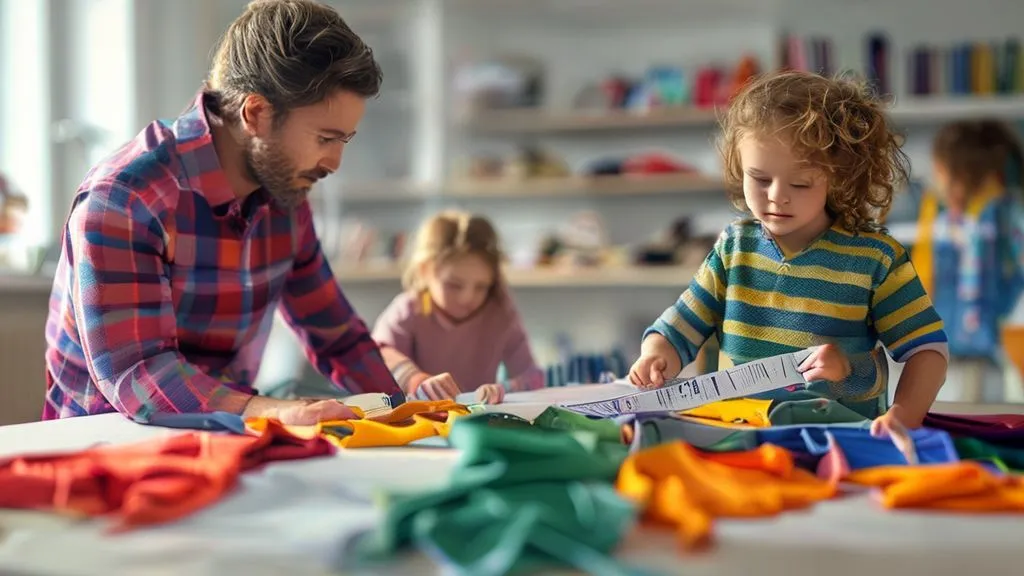
Involving children in the process of caring for their belongings, including their clothes, teaches them valuable life skills and fosters respect for resources. This could involve:
- Helping with laundry (sorting, folding).
- Learning simple mending (sewing on a button, patching).
- Understanding the concept of hand-me-downs and donating items they've outgrown.
- Choosing quality items over disposable ones when given the opportunity.
These lessons extend beyond mere practicalities; they instill a deeper appreciation for what they own and the effort involved in creating and maintaining it. It's about cultivating a generation that values durability and sustainability.
Frequently Asked Questions (FAQ)
What are the best fabrics for durable kids' clothes? The best fabrics include organic cotton (especially dense weaves), Merino wool, high-quality denim, and durable synthetic blends like recycled polyester or nylon for outerwear. Look for tight weaves and robust textures.
How can 'grow-with-me' features save money? 'Grow-with-me' features like adjustable waistbands, roll-up cuffs, and extendable hems allow a single garment to fit your child for a longer period, sometimes spanning multiple sizes. This reduces the frequency of needing to buy new clothes as your child grows, leading to significant savings over time.
Are sustainable kids' clothing brands really worth the extra cost? While sustainable and ethically produced clothing often has a higher upfront cost, it is generally made with superior materials and construction, designed for durability. This means fewer replacements, better longevity, and a lower cost per wear in the long run, making them a worthwhile investment for both your budget and the planet.
What's the best way to care for kids' clothes to make them last longer? Always follow care labels, but generally, wash in cold water on a gentle cycle, avoid overloading the machine, and air dry whenever possible. Promptly spot clean stains and mend small tears or replace missing buttons to extend garment life.
Where can I find high-quality, second-hand children's clothing? Excellent sources include local consignment shops, online marketplaces (like Facebook Marketplace or specialized apps), children's resale events, and well-maintained thrift stores. Often, you can find nearly new items from reputable brands at a fraction of the original price.
Recommended Reading
- Unlock the Future: Can Robots Slash Waste in Fashion Manufacturing?
- Unlock Hyper-Realism: The Ultimate Guide to Improving Costume Design Sketch Realism
- Best Comfort Shoes for Plantar Fasciitis Relief: Your Ultimate Guide
- Eyewear for Sensitive Skin: Find Your Perfect, Irritation-Free Fit
- The Ultimate Guide: How to Properly Fit a Men's Formal Dress Shirt?
Conclusion
Navigating the world of children's clothing can be a challenge, but armed with the right knowledge, you can make choices that truly matter. By understanding the true cost, prioritizing durable fabrics and construction, embracing 'grow-with-me' features, and supporting sustainable practices, you can confidently how to find practical kids wear that lasts and grows.
This approach not only saves you money and reduces stress but also contributes positively to the environment by lessening textile waste. Ultimately, investing in quality, long-lasting children's wear means more time for play, less time shopping, and a more sustainable future for our children. Start making those smart choices today, and experience the peace of mind that comes with a durable, thoughtful wardrobe.


Your email address will not be published. Required fields are marked *