

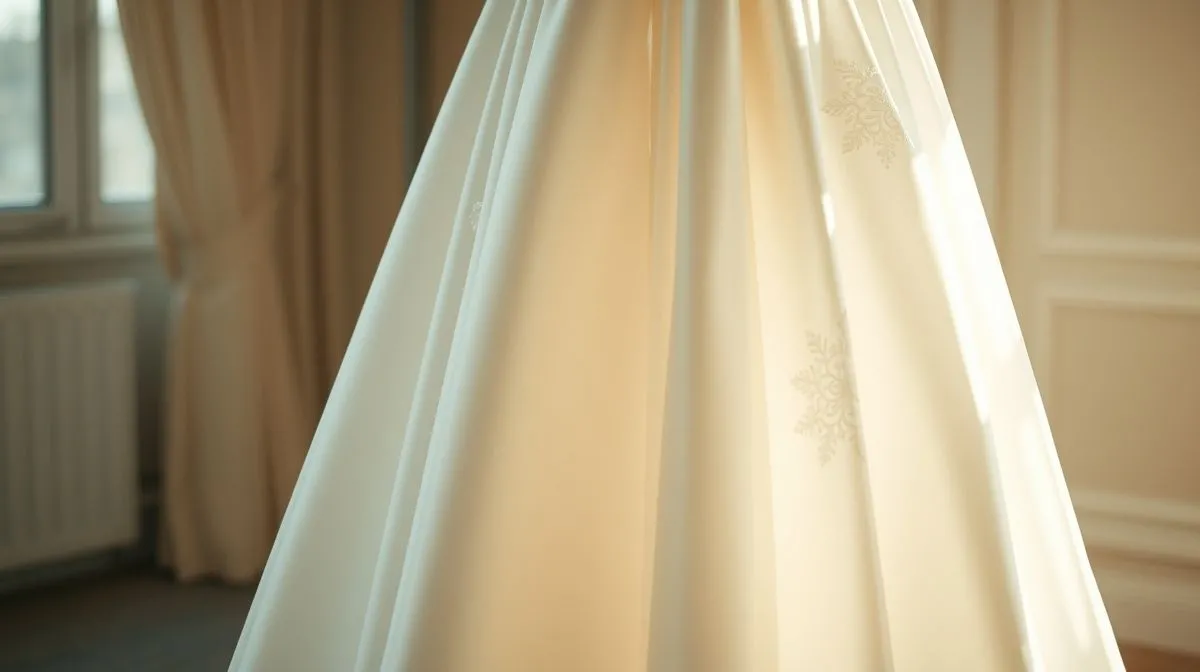
How to Keep Your Wedding Dress Wrinkle-Free on Wedding Day: The Ultimate Guide
Imagine this: months, perhaps even years, of planning culminate in a single, breathtaking day. Every detail meticulously chosen, from the flowers to the vows. You glide down the aisle, radiant and confident, your dream dress flowing perfectly around you. But what if, in that perfect vision, a jarring detail emerged – a noticeable crease or wrinkle marring the pristine fabric of your gown? It’s a bride’s silent nightmare, a small imperfection that can loom large on a day meant for flawless beauty.
The journey of a wedding dress, from boutique to ceremony, often involves travel, storage, and handling that can inevitably lead to unwanted creases. The question isn't just 'will my dress wrinkle?' but 'how do I ensure it stays absolutely pristine, from the moment I put it on until the last dance?' This seemingly simple challenge can cause significant anxiety for brides-to-be, overshadowing the excitement of their big day.
Fear not, future brides! This comprehensive guide is your definitive resource on how to keep wedding dress wrinkle-free on wedding day. We'll delve into the science of fabrics, explore pre-wedding prevention, master travel techniques, and arm you with day-of strategies and essential tools. By the end of this reading, you'll possess the knowledge and confidence to ensure your gown remains as picture-perfect as your love story.
Understanding Fabric Types and Their Wrinkle Tendencies
The first step in wrinkle prevention is understanding the very material your gown is made of. Different fabrics react uniquely to pressure, heat, and moisture, making some inherently more prone to wrinkling than others. Knowing your fabric is key to effective care.
Silk and Satin
- Characteristics: Luxurious, smooth, and flowing, silk and satin are beloved for their elegant drape and subtle sheen. Silk is a natural fiber, while satin refers to a weave that can be made from silk, polyester, or blends.
- Wrinkle Tendency: Both silk and satin are highly susceptible to wrinkling. Their smooth surface means creases show easily, and they can set deeply if not handled with care. Polyester satin tends to be slightly more resilient than pure silk.
- Care Tip: These fabrics require gentle handling and are best steamed carefully from a distance. Avoid sharp folds or prolonged compression.
Taffeta and Organza
- Characteristics: Taffeta is known for its crispness and rustle, often used for structured gowns. Organza, a sheer, stiff fabric, adds volume and ethereal layers. Both can be made from silk or synthetic fibers.
- Wrinkle Tendency: Taffeta can crease significantly, especially along fold lines, but its stiffness can also help it hold shape. Organza, being sheer and lightweight, tends to show wrinkles less prominently but can still develop soft creases.
- Care Tip: Steam carefully. For taffeta, its crispness means wrinkles are more like sharp folds that need careful steaming. Organza benefits from gentle, diffused steam.
Lace and Tulle
- Characteristics: Lace offers intricate patterns and texture, often used as an overlay. Tulle is a fine, net-like fabric used for veils and voluminous skirts.
- Wrinkle Tendency: These fabrics are generally less prone to visible wrinkles due to their open weave and textured nature. Minor creases often blend in or fall out naturally.
- Care Tip: While less prone to wrinkles, they can still compress. A light steam can fluff them up. Be extremely cautious with delicate lace, as snagging is a greater risk than wrinkling.
Crepe and Chiffon
- Characteristics: Crepe has a distinctive crinkled, textured surface and a beautiful drape. Chiffon is a lightweight, sheer fabric with a soft, flowing quality.
- Wrinkle Tendency: Crepe's textured surface naturally hides minor wrinkles, making it quite forgiving. Chiffon is also less prone to prominent creasing due to its fluidity and light weight, but can develop soft folds.
- Care Tip: These fabrics respond well to gentle steaming. Their delicate nature means they should not be pulled or stretched excessively during handling.
Understanding these characteristics empowers you to apply the most effective anti-wrinkle strategies tailored to your specific gown.
Pre-Wedding Day Wrinkle Prevention Strategies
The battle against wrinkles begins long before your wedding day. Proactive measures can significantly reduce the need for last-minute fixes, ensuring your dress is in prime condition.
Professional Steaming vs. DIY
While DIY solutions exist, professional steaming is highly recommended for your wedding gown. A professional cleaner or bridal salon possesses industrial-grade steamers and the expertise to handle delicate fabrics, ensuring a flawless, consistent finish without risking damage. They understand how different materials react to steam and can address specific creases effectively.
- When to do it: Ideally, have your dress professionally steamed a few days to a week before the wedding. This allows time for any lingering moisture to dissipate and for the dress to settle.
- DIY considerations: If professional steaming isn't an option, a high-quality handheld steamer can be used. Always test on an inconspicuous area first. Use distilled water to prevent mineral stains. Keep the steamer a few inches away from the fabric, moving it slowly and evenly.
Proper Storage at Home
Once steamed, the way your dress is stored is paramount. Improper storage is a leading cause of wrinkles.
- Hanger: Use a sturdy, padded hanger that can support the gown's weight without deforming the shoulders. Wire hangers are an absolute no-go as they can stretch or damage fabric.
- Garment Bag: Store your dress in a breathable, acid-free garment bag. Plastic bags can trap moisture, leading to mildew or yellowing, and don't allow the fabric to breathe, which can exacerbate creasing.
- Location: Hang your dress in a cool, dry, dark place away from direct sunlight, humidity, and heat sources. A spare closet is ideal. Ensure there's ample space around the dress so it's not compressed against other garments or walls.
- Train Management: If your dress has a long train, you may need to loop it over the hanger or carefully lay it flat on a clean sheet on the floor of the closet to prevent it from pooling and wrinkling at the bottom.
The Art of Traveling with Your Wedding Gown
Whether you're traveling across town or across the globe, transporting your wedding dress requires careful planning to maintain its pristine condition. This is often where many wrinkles originate.
Flying with Your Dress
Flying with your wedding dress can be nerve-wracking, but with the right approach, it doesn't have to be. The golden rule: never check your wedding dress. Always carry it on.
- Carry-on: Most airlines allow wedding dresses as a carry-on item, often in addition to your standard carry-on luggage. Call your airline in advance to confirm their policy.
- Flight Attendant's Closet: Upon boarding, politely ask a flight attendant if there's a garment closet available. Many airlines have them, especially in first or business class, and are usually happy to accommodate bridal gowns.
- Overhead Bin (as a last resort): If a closet isn't available, carefully fold your dress into a soft, structured garment bag and place it gently in the overhead bin. Try to lay it flat on top of other luggage to minimize compression.
- Packing Smart: If folding is unavoidable, use acid-free tissue paper between folds to cushion the fabric and prevent sharp creases.
Car Travel Best Practices
Car travel offers more control but still requires diligence to avoid wrinkles.
- Lay Flat: The ideal method is to lay the dress flat across the back seat of a car, or even in the trunk if it's clean and spacious enough. Ensure it's covered with a clean sheet or garment bag.
- Hang High: If laying flat isn't possible, hang the dress from the grab handles in the back seat, ensuring the train doesn't drag on the floor. You might need to gently loop the train up to keep it off the ground.
- Secure: Use seatbelts to secure the garment bag if laying flat to prevent shifting during turns or stops.
- Avoid Compression: Do not place anything on top of the dress. Clear out the car beforehand to ensure maximum space.
Hotel Arrival and Unpacking
The moment you arrive at your destination, your dress should be your top priority.
- Immediate Unpacking: As soon as you enter your hotel room or venue, unpack your dress from its travel bag.
- Hang High: Hang it immediately in a spacious area, ideally from a high curtain rod or a sturdy door frame to allow the train to hang freely. This helps gravity work its magic, allowing minor wrinkles to naturally fall out.
- Inspect: Take a moment to inspect the dress for any new creases or issues that may have arisen during travel. This allows time for corrective action.
Day-Of Strategies for a Flawless Gown
The morning of your wedding is the final frontier for wrinkle prevention. These last-minute strategies ensure your dress is absolutely perfect before you step out.
Steaming on the Wedding Morning
A handheld garment steamer is an invaluable tool for last-minute touch-ups. Ensure you have one ready at your getting-ready location. Remember these critical points:
- Distilled Water: Always use distilled water to prevent mineral deposits and potential stains on delicate fabrics.
- Test First: If you haven't used the steamer on your dress before, test it on an inconspicuous inner seam.
- Distance is Key: Hold the steamer nozzle a few inches away from the fabric. Never let it directly touch the dress, especially with delicate materials like silk, satin, or lace, as this can cause water spots or heat damage.
- Vertical Motion: Move the steamer slowly in a downward, vertical motion. Allow the steam to penetrate the fabric and relax the fibers.
- Inside Out: For very delicate or embellished areas, steam the dress from the inside out. This protects beading, sequins, or lace from direct heat or moisture.
- Patience: Work in small sections, allowing the fabric to cool and dry completely before moving or sitting down.
The Bathroom Steam Method (Emergency Fix)
This is a classic emergency hack that can help relax light wrinkles, especially for more forgiving fabrics. It's not a substitute for proper steaming but can be effective in a pinch.
- How It Works: Hang your dress on a sturdy hanger in the bathroom. Close all windows and doors. Turn on the hottest shower setting, creating a steamy environment.
- Duration: Leave the dress in the steamy bathroom for 15-30 minutes. The humidity will help relax the fabric fibers.
- Ventilate: After the steaming, turn off the shower, open the door, and allow the dress to air dry completely in the humid environment before moving it. Do not touch the dress while it's damp.
- Limitations: This method is less precise than a steamer and may not remove deep creases. It also carries a slight risk of excessive moisture for certain fabrics.
Gentle Handling and Movement
Even a perfectly steamed dress can wrinkle with rough handling. Practice mindful movement throughout the day.
- Sitting: When sitting, gather your dress's skirt and carefully arrange it around you to avoid crushing the fabric. Try to sit on the very edge of your seat or stand as much as possible.
- Walking: Practice walking in your dress before the wedding day to understand how it moves and where it might bunch.
- Car Rides: When getting into and out of vehicles, have someone help you gather the skirt to prevent it from getting caught or crushed in the door.
Essential Tools for Wrinkle Management
Having the right tools on hand can make all the difference in maintaining your dress's pristine condition.
Handheld Fabric Steamers
A compact, powerful handheld steamer is your best friend for last-minute touch-ups. Look for one with a good water reservoir capacity and a quick heat-up time. Brands like Conair, Rowenta, or Jiffy are often recommended. Always use distilled water.
Wrinkle Release Sprays (Use with Caution)
These sprays work by relaxing fabric fibers to help creases fall out. While convenient, they should be used with extreme caution on a wedding dress.
- Test First: Absolutely essential to test on an inconspicuous area first, as some sprays can leave water marks or residues on delicate bridal fabrics.
- Application: Spray lightly and evenly from a distance, then gently smooth the fabric with your hands. Allow to air dry completely.
- Best For: Generally better for more robust fabrics like cotton or linen, and less ideal for silk, satin, or heavily embellished gowns.
Lint Rollers and Spot Cleaners (Bonus Essentials)
While not for wrinkles, these are crucial for overall gown presentation:
- Lint Roller: Keep a lint roller handy for stray fibers, dust, or pet hair that might cling to your dress.
- Spot Cleaner: A small, fabric-safe spot cleaner (like a Tide To Go pen) can be a lifesaver for minor smudges. Again, test on an inconspicuous area first.
Common Mistakes to Avoid
In the rush and excitement of the wedding day, it's easy to make missteps. Being aware of these common mistakes can save your dress from disaster.
Ironing Your Wedding Dress
Never iron your wedding dress directly. The high, direct heat from an iron can scorch delicate fabrics, melt synthetic fibers, or leave unsightly shine marks. Even on a low setting, an iron is too harsh for most bridal gown materials. If you must use heat, a steamer is the only safe option.
Over-Steaming or Improper Technique
While steaming is crucial, over-steaming can lead to problems. Too much moisture can leave water spots on certain fabrics, especially silk and satin, or make the dress feel damp and heavy. Holding the steamer too close can also cause heat damage or create too much localized moisture. Always maintain distance and allow the fabric to dry thoroughly between passes.
Last-Minute Panic and Rough Handling
The stress of the wedding morning can lead to rushed decisions. Avoid pulling, tugging, or roughly handling your dress if you discover a wrinkle. Panic can lead to accidental tears, snags, or irreversible damage. Instead, take a deep breath, assess the situation, and apply your chosen wrinkle-removal method calmly and deliberately. Remember, a calm approach is key to successfully addressing how to keep wedding dress wrinkle-free on wedding day.
The Role of Your Bridal Party and Coordinator
You don't have to tackle wrinkle management alone. Your bridal party and wedding coordinator can be invaluable allies.
Delegating Wrinkle Watch
Appoint a trusted bridesmaid, maid of honor, or family member as your 'dress guardian.' This person can be responsible for:
- Ensuring the dress is hung properly upon arrival at the venue.
- Assisting with last-minute steaming if needed.
- Helping you manage your train and skirt when sitting, standing, or moving.
- Keeping an eye out for any developing creases throughout the day.
This delegation allows you to focus on enjoying your day, knowing your gown is in capable hands.
Emergency Kit Essentials
Prepare a small emergency kit for your dress that your designated 'dress guardian' can carry. It should include:
- A travel-size handheld steamer.
- A small bottle of distilled water.
- A lint roller.
- Fabric-safe spot remover pen.
- Safety pins and a small sewing kit for minor emergencies.
- White chalk (can temporarily cover small smudges on white fabric).
For more detailed information on fabric care and preservation, resources like the Wikipedia page on Textile Preservation offer valuable insights into maintaining delicate garments over time. Additionally, learning about general garment care from reputable sources, such as guides provided by institutions like the Cornell University Library's guide on Textile Care, can broaden your understanding of fabric longevity and appearance.
Frequently Asked Questions (FAQ)
Can I iron my wedding dress? No, it is highly recommended to never iron your wedding dress directly. The intense, direct heat can damage or scorch delicate bridal fabrics like silk, satin, and even synthetic blends. Always opt for steaming as the safest method for wrinkle removal.
How far in advance should I steam my dress? Ideally, have your dress professionally steamed a few days to a week before the wedding. This allows the fabric to fully dry and settle. If doing a DIY steam, do it the morning of or the night before, allowing ample time for it to air dry.
What if my dress gets wrinkled during transport? Upon arrival at your destination, immediately unpack and hang your dress in a spacious area. Allow gravity to do its work. For persistent wrinkles, use a handheld steamer or the bathroom steam method. Do not panic; most travel creases are superficial and easily remedied.
Are wrinkle release sprays safe for all fabrics? No, wrinkle release sprays are not universally safe for all wedding dress fabrics. They can leave water marks or residues on delicate materials like silk, satin, or heavily embellished areas. Always test the spray on an inconspicuous inner seam before applying it to the main body of your gown.
Should I hang my dress or lay it flat before the wedding? For most wedding dresses, hanging is the preferred method, especially if it has a train or significant volume, as it allows gravity to help prevent and release wrinkles. Use a sturdy, padded hanger and a breathable garment bag. Only lay it flat if hanging is not possible, ensuring it's in a clean, flat space without compression.
Recommended Reading
- Best Comfort Shoes for Plantar Fasciitis Relief: Your Ultimate Guide
- Unleash Your True Self: How to Develop a Unique Personal Street Style
- Unlock the Secret: How to Prevent Scratches on Your Watch Crystal
- Mastering Authentication: How to Spot Fake Limited Edition Sneakers
- Eyewear for Sensitive Skin: Find Your Perfect, Irritation-Free Fit
Conclusion
The journey to a wrinkle-free wedding dress on your big day is a testament to careful planning, proactive measures, and a calm, informed approach. From understanding your fabric's unique needs to mastering travel techniques and executing day-of touch-ups, every step plays a crucial role in ensuring your gown remains as pristine and picture-perfect as you've always dreamed. By implementing the strategies outlined in this guide, you gain not just a smooth dress, but the invaluable peace of mind that allows you to fully immerse yourself in the joy and magic of your wedding day, knowing every detail, especially your stunning gown, is absolutely flawless.



Your email address will not be published. Required fields are marked *