

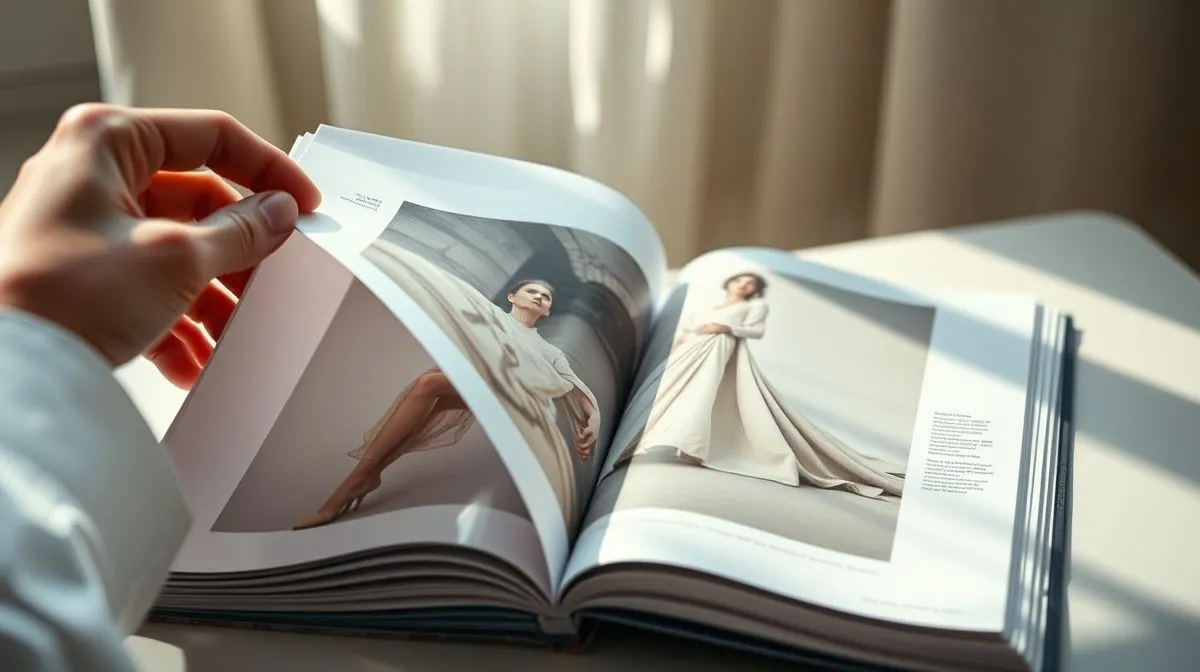
Unlocking the Pages: How to Get Fashion Photos Published in Magazines?
Imagine flipping through the glossy pages of Vogue, Elle, or Harper's Bazaar and seeing your very own fashion photography gracing an editorial spread. For many aspiring and established photographers, this isn't just a dream; it's the pinnacle of their professional aspirations. The allure of having your work showcased in a prestigious publication is undeniable, offering unparalleled exposure, credibility, and a definitive stamp of success in the highly competitive world of fashion.
Yet, the path to seeing your work gracing these esteemed publications often feels shrouded in mystery. How do you break through the noise? What are editors truly looking for? And what are the practical steps to transform your creative vision into a published reality? These questions can seem daunting, leaving many talented individuals unsure of where to even begin their journey towards magazine publication.
This comprehensive guide will demystify the process, revealing exactly how to get fashion photos published in magazines. We'll delve into the nuances of portfolio curation, the art of the perfect pitch, the importance of networking, and the critical legal considerations that protect your work. By the end of this reading, you'll possess a clear, actionable roadmap to navigate the editorial landscape and significantly increase your chances of seeing your fashion photography in print.
Building an Irresistible Portfolio: Your Visual Resume
Your portfolio is more than just a collection of images; it's your visual resume, your artistic statement, and your most powerful tool for attracting attention from magazine editors. Before you even think about submissions, ensure your portfolio is meticulously curated and represents your absolute best work.
Quality Over Quantity
Resist the urge to include every single shot you've ever taken. Editors are busy and will quickly lose interest if they have to wade through mediocre images to find the gems. Focus on showcasing only your strongest, most impactful photographs. Each image should be technically flawless, creatively inspiring, and strategically chosen to align with the kind of work you want to be known for. Think of it as a highlight reel of your career.
Curating Your Niche and Style
While versatility is valuable, demonstrating a clear artistic voice and a defined niche can set you apart. Do you specialize in avant-garde fashion, street style, minimalist aesthetics, or high-glamour editorials? Editors often look for photographers who can bring a specific, consistent vision to their pages. Developing a signature style makes your work memorable and helps editors envision where your photography would fit within their publication's aesthetic.
The Power of a Strong Narrative
Editorial photography, by its very nature, tells a story. Your portfolio should reflect this. Instead of just individual shots, consider presenting mini-editorials or cohesive series that demonstrate your ability to develop a narrative through a sequence of images. This shows an editor that you understand the flow and storytelling required for a magazine spread, proving you can handle a full assignment.
Digital Presentation: Websites and Online Platforms
In today's digital age, a professional, easy-to-navigate website is non-negotiable. Your website should be clean, fast-loading, and mobile-responsive. High-resolution images are crucial, but ensure they are optimized for web viewing to prevent slow loading times. Consider also having a strong presence on platforms like Instagram, but ensure your feed is curated to reflect your professional aspirations, acting as an extension of your portfolio rather than just a personal diary. Platforms like Behance or ArtStation can also be useful for showcasing specific projects, but your own website should be the primary hub.
Understanding the Magazine Landscape: Who, What, Where?
Blindly submitting your work to every magazine you know of is a recipe for disappointment. A strategic approach requires a deep understanding of the fashion magazine ecosystem.
Researching Your Target Publications
Before you even consider hitting 'send', spend considerable time researching the magazines you aspire to be published in. Obtain physical copies, pore over their online editions, and study their mastheads. Ask yourself:
- What is their aesthetic? Is it high-fashion, commercial, indie, or avant-garde?
- What kind of stories do they tell?
- Who are their contributing photographers? Do they have a consistent style?
- What is their target audience?
- Who are the photo editors, art directors, or fashion directors?
Understanding these elements will help you tailor your portfolio and pitch to their specific needs, making your submission far more relevant and impactful. For example, a submission to a high-end publication like Vogue would require a different aesthetic and narrative than one for an independent, niche fashion zine.
Editorial Calendars and Themes
Many magazines work on editorial calendars, planning their themes and features months in advance. While these are often internal documents, paying attention to seasonal trends, major fashion events (like fashion weeks), and recurring annual features can give you clues. If you can align your proposed editorial with an upcoming theme, your chances of acceptance increase significantly. For instance, a swimwear editorial is more likely to be considered for a summer issue than a winter one.
Distinguishing Between Commercial and Editorial Work
It's vital to understand the difference between commercial and editorial photography. Commercial photography is typically commissioned by brands to sell products or services, often with strict creative guidelines. Editorial photography, on the other hand, is created to illustrate a story or concept within a publication, offering more creative freedom. While some photographers do both, magazines are primarily interested in your editorial capabilities. Your portfolio should clearly demonstrate your ability to craft compelling narratives for editorial purposes.
Crafting the Perfect Submission: Beyond Just Photos
Once your portfolio is polished and you've identified your target magazines, the next step is the submission itself. This involves more than just attaching a few JPEGs to an email.
The Art of the Cover Letter and Pitch
Your cover letter is your first direct communication with an editor, and it needs to be as compelling as your images. Keep it concise, professional, and personalized. Address the editor by name and briefly explain why your work is a perfect fit for their publication. Highlight your unique vision or the story behind your proposed editorial. Avoid generic templates. A well-crafted pitch that demonstrates you've done your research and understand their magazine's ethos can make all the difference.
Storyboarding Your Editorial Concept
For unsolicited submissions, especially if you're proposing a full editorial, consider including a brief storyboard or concept outline. This doesn't need to be overly elaborate but should convey the mood, narrative, and key looks of your proposed shoot. Include references, mood board images, and a brief synopsis. This shows editors that you're not just sending random photos but have a fully formed creative vision that could translate directly into their pages.
Including a Comprehensive Team List
Fashion photography is a collaborative art form. Always include a comprehensive list of everyone involved in your shoot: models (with agency if applicable), stylists, hair and makeup artists, and any assistants. This not only gives credit where it's due but also demonstrates your ability to work with a professional team, which is highly valued by magazines. It also helps editors see potential future collaborations with talent they might already know or be interested in.
Image Sizing and Formatting Guidelines
This is a seemingly small detail that can lead to immediate rejection. Every magazine has specific guidelines for image sizing, resolution, and file formats. Some prefer low-res JPEGs for initial review, while others might ask for a link to a private gallery. Always adhere strictly to these guidelines. Sending oversized files, incorrect formats, or images that aren't properly named reflects poorly on your professionalism. Double-check everything before sending.
Networking and Relationship Building: Your Industry Allies
In the fashion industry, relationships are paramount. Often, it's not just what you know, but who you know, and more importantly, who knows you and trusts your work.
Connecting with Editors, Stylists, and Art Directors
While direct unsolicited submissions are possible, building relationships can open more doors. Attend industry events, art gallery openings, or fashion shows where you might meet key players. LinkedIn can also be a powerful tool for professional connections. When you do connect, be respectful of their time and space. A genuine, non-pushy approach focused on building a long-term relationship is far more effective than an immediate hard sell. Consider reaching out to their assistants first, as they often filter submissions.
Attending Industry Events and Fashion Weeks
Fashion weeks in major cities like New York, London, Milan, and Paris are hubs of activity where editors, stylists, and designers converge. While getting access can be challenging, even attending peripheral events or networking outside the main shows can be beneficial. These events offer unparalleled opportunities to observe trends, understand the industry's pulse, and potentially make valuable connections. Remember to carry a concise business card or a digital portfolio link.
Leveraging Social Media Professionally
Instagram, in particular, has become an indispensable tool for fashion photographers. Treat your Instagram feed as a dynamic, evolving portfolio. Post your best work consistently, use relevant hashtags, and engage with other creatives and industry professionals. However, maintain a professional tone; avoid overly personal content that detracts from your artistic brand. Many editors use Instagram as a scouting tool, so a strong, curated presence can directly lead to opportunities. According to a recent article by The Business of Fashion, social media has become a primary discovery platform for new talent in the fashion industry.
Navigating Rights, Fees, and Contracts: Protecting Your Work
Congratulations, your photos have been accepted! This is where the business side of photography becomes critical. Understanding your rights, negotiating fees, and signing contracts are non-negotiable steps.
Understanding Licensing and Usage Rights
When a magazine publishes your work, they are usually acquiring a license to use your images, not ownership of the copyright. This license will specify the usage (e.g., editorial, print, digital), the duration (e.g., one-time use, one year), and the territory (e.g., national, international). Always retain your copyright. Be clear about what rights you are granting and for how long. For more detailed information on licensing, resources like the American Society of Media Photographers (ASMP) offer invaluable guides.
Negotiating Fees and Publication Agreements
While some smaller or independent magazines might offer only tear sheets (copies of the published page) or a nominal fee, established publications typically pay for editorial work. Do not be afraid to negotiate. Research industry standards for similar publications and assignments. Consider factors like the magazine's circulation, the prestige of the publication, and the extent of the usage rights requested. Always aim for a fair fee that reflects the value of your creative work and the time invested.
The Importance of a Written Contract
Never proceed with publication without a clear, written contract. This document should detail everything: the images being used, the agreed-upon fees, the scope of the license, payment terms, and any other relevant clauses. A contract protects both you and the magazine, preventing misunderstandings and providing legal recourse if issues arise. If they don't offer one, draft one yourself or consult with a legal professional specializing in photography contracts.
Persistence and Professionalism: The Keys to Long-Term Success
The journey to seeing your fashion photos published in magazines is rarely a linear one. It requires tenacity, resilience, and an unwavering commitment to professionalism.
Handling Rejection Gracefully
Rejection is an inevitable part of any creative career, especially in a competitive field like fashion photography. Not every submission will be accepted, and that's okay. When faced with rejection, avoid taking it personally. Instead, view it as an opportunity to learn. Politely ask for feedback if appropriate, but always maintain a respectful and professional demeanor. Burning bridges by reacting negatively will only harm your reputation in the long run.
Continuous Learning and Adaptation
The fashion industry is constantly evolving, with new trends, technologies, and aesthetics emerging regularly. Stay curious and committed to continuous learning. Experiment with new techniques, attend workshops, study the work of your peers and masters, and keep abreast of industry news. Adaptability ensures your work remains fresh, relevant, and appealing to discerning editors.
Maintaining a Professional Demeanor
From initial contact to post-publication follow-up, always exhibit the utmost professionalism. This includes clear and timely communication, meeting deadlines, being reliable, and maintaining a positive attitude. Your reputation as a professional is just as important as the quality of your images. Editors are more likely to work with photographers who are not only talented but also a pleasure to collaborate with.
Common Pitfalls to Avoid When Submitting
Even with outstanding work, certain missteps can derail your chances of publication. Being aware of these common pitfalls can save you time and frustration.
Submitting Unsolicited or Irrelevant Work
As discussed, research is key. Sending a high-glamour editorial to a minimalist, indie magazine is a waste of your time and the editor's. Ensure your work aligns with the publication's style and current needs. Moreover, avoid sending unsolicited work if the magazine explicitly states they do not accept it. Respecting their submission policy is a basic professional courtesy.
Lack of Polish or Professionalism
This covers everything from poorly written emails and misspelled words to unedited images or broken website links. Every touchpoint reflects on you as a professional. Ensure your email is grammatically correct, your images are perfectly retouched, and your online presence is impeccable. First impressions truly matter in this industry.
Ignoring Submission Guidelines
This is perhaps the most common and easily avoidable mistake. Magazines often have very specific submission guidelines regarding file size, naming conventions, number of images, and preferred contact methods. Failing to follow these instructions demonstrates a lack of attention to detail and respect for the magazine's process, often leading to immediate disqualification without review.
Frequently Asked Questions (FAQ)
How long does it typically take to hear back after submission? Response times vary widely depending on the magazine's size, editorial cycle, and volume of submissions. It can range from a few weeks to several months. Patience is key. If you haven't heard back after a reasonable period (e.g., 6-8 weeks), a polite follow-up email is acceptable, but avoid being pushy.
Should I submit to multiple magazines at once? Generally, it's best to submit an editorial concept exclusively to one top-tier magazine at a time, especially if it's a major, unique story. This shows respect for their exclusivity. However, for smaller or online-only publications, or if you have different bodies of work, simultaneous submissions might be acceptable, but always disclose this if asked, or if you suspect it might be an issue. Always check their specific guidelines.
What if my photos are rejected? Rejection is part of the process. Don't be discouraged. Analyze why it might have been rejected (e.g., not the right fit, quality issues, timing). Use the feedback (if given) to improve. Consider submitting the same work to other, perhaps slightly less competitive, publications. Remember, one rejection does not define your talent.
Do I need an agent to get published? While an agent can open doors and handle negotiations, especially for larger assignments, it is absolutely possible to get published without one, especially when starting out. Many photographers build their careers by directly submitting their work and networking. An agent often comes into play once you have a solid portfolio and a track record of published work.
Recommended Reading
- Unleash Your True Self: How to Develop a Unique Personal Street Style
- Unlocking Tomorrow's Style: How to Predict Emerging Streetwear Trends
- Best Sneakers for Walking All Day: Ultimate Comfort Guide
- The Ultimate Guide: Mastering Care for Your Rare Exotic Leather Handbags
- Eco-Friendly Shoes That Last: Find Durable & Sustainable Brands
Conclusion
The journey of getting your fashion photos published in magazines is challenging but immensely rewarding. It demands not only exceptional photographic talent but also strategic thinking, meticulous preparation, and unwavering persistence. From building an irresistible portfolio that truly speaks your artistic language to understanding the nuances of magazine aesthetics and mastering the art of the pitch, every step is crucial.
Remember that professionalism, attention to detail, and the ability to build meaningful relationships within the industry are as vital as your creative vision. Embrace rejection as a learning opportunity, continuously refine your craft, and always protect your work through clear contracts and an understanding of your rights. By applying the comprehensive strategies outlined in this guide, you are not just sending photos; you are presenting a compelling narrative of your expertise and dedication. The glossy pages await your unique perspective – go forth and capture them!


Your email address will not be published. Required fields are marked *