

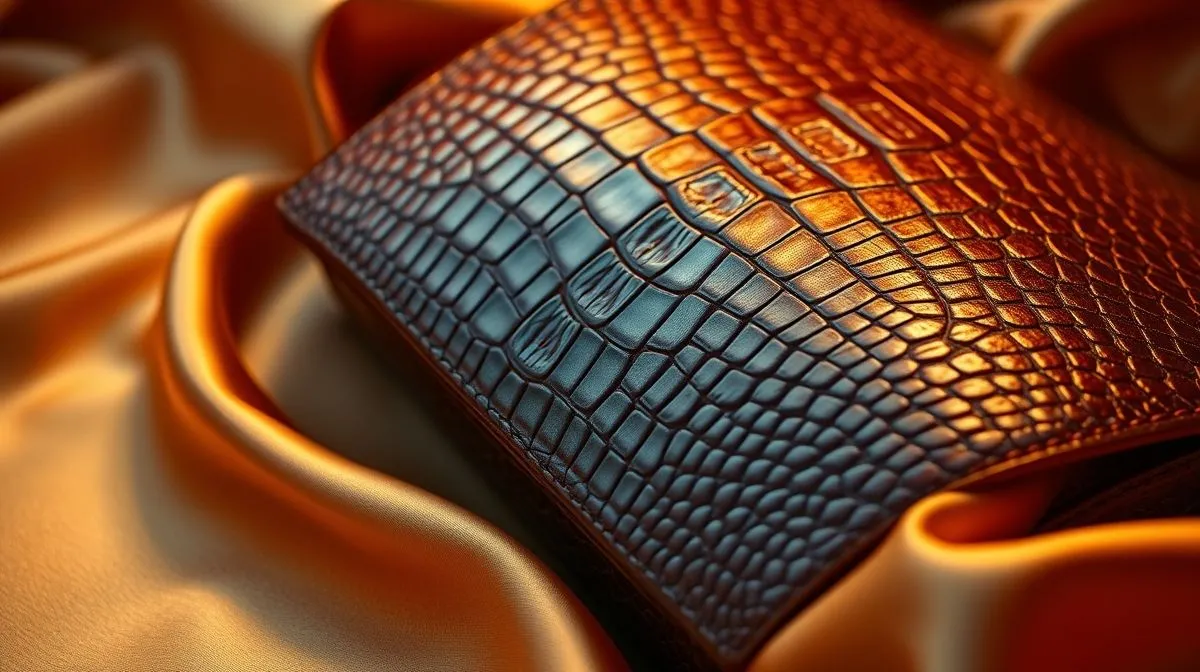
Unlocking the Secrets to Caring for Rare Exotic Leather Luxury Handbags
Imagine inheriting a vintage alligator Birkin or acquiring a bespoke python clutch. These aren't just accessories; they are wearable art, investments, and often, cherished heirlooms. But unlike their common leather counterparts, the unique textures and delicate structures of exotic skins demand a specialized approach to maintenance. The thought of a misplaced stain or a developing crack can be daunting for any owner.
This inherent vulnerability presents a significant challenge. How do you preserve the supple feel of ostrich, the distinct scales of crocodile, or the delicate sheen of stingray without causing irreversible damage? Standard leather cleaners and generic care routines simply won't suffice, often leading to dullness, cracking, or even permanent discoloration. The problem isn't just about cleaning; it's about understanding the very essence of these extraordinary materials.
Fear not, for this comprehensive guide is your definitive resource for caring for rare exotic leather luxury handbags. We will equip you with the expert knowledge and precise techniques required to not only maintain their exquisite beauty but also to significantly extend their lifespan, ensuring your treasured pieces remain as captivating as the day you acquired them. Prepare to master the art of exotic leather preservation.
Understanding Your Exotic Leather: Types and Unique Characteristics
The first step in effective exotic leather care is to truly understand the material you're working with. Each exotic skin possesses distinct qualities that dictate its specific care requirements. Treating all exotic leathers the same way is a common pitfall.
Alligator and Crocodile Leather
Known for their iconic scales and remarkable durability, alligator and crocodile skins are among the most sought-after exotic leathers. They are generally robust but prone to drying out and cracking if not properly moisturized. The scales can lift if exposed to excessive moisture or harsh chemicals. Their natural oils need to be replenished to maintain suppleness and shine.
Python and Snake Skin
These leathers are characterized by their intricate patterns and delicate, often raised, scales. Python and snake skins are more susceptible to scale lifting, especially in areas of high friction or if exposed to dryness. They require a very gentle touch during cleaning and conditioning, always working with the direction of the scales to prevent damage. Water can cause significant staining and stiffness.
Ostrich Leather
Recognizable by its unique 'quill' marks (follicles where feathers were removed), ostrich leather is incredibly soft, pliable, and naturally rich in oils, making it quite durable and resistant to cracking. However, it can still benefit from conditioning to maintain its luxurious feel and prevent dryness, particularly in arid climates. Over-moisturizing can lead to a greasy feel.
Stingray Leather
Often referred to as 'shagreen,' stingray leather is distinctive for its pebbled, pearlescent texture and exceptional durability. It's naturally waterproof and highly resistant to abrasions. While incredibly tough, its unique surface requires specific cleaning methods to avoid dulling its natural sparkle. Traditional conditioners may not penetrate its dense structure effectively.
The Essential Tools and Products for Exotic Leather Care
Equipping yourself with the right tools and products is non-negotiable for proper exotic leather care. Using generic or inappropriate items can inflict more harm than good, leading to irreversible damage to these valuable materials. Invest wisely in specialized products.
What You'll Need
- Soft Microfiber Cloths: Essential for gentle wiping and buffing without scratching.
- Specialized Exotic Leather Cleaner: Formulated to be gentle on delicate skins, often pH-neutral.
- Exotic Leather Conditioner: Specifically designed to hydrate and protect unique skin structures.
- Horsehair Brush: For gently removing dust from crevices and buffing, especially useful for scaled leathers.
- Lint-Free Gloves: To prevent transferring natural hand oils and dirt during handling.
- Acid-Free Tissue Paper: For stuffing bags to maintain shape during storage.
- Breathable Dust Bags: Original dust bags are ideal; cotton or felt bags are good alternatives.
- Hygrometer: To monitor humidity levels in your storage area.
What to Avoid at All Costs
Understanding what to avoid is just as crucial as knowing what to use. Many common household items or general leather products are detrimental to exotic skins.
- Harsh Chemicals: Alcohol-based cleaners, ammonia, or bleach will strip natural oils and cause irreparable damage.
- Baby Wipes: While seemingly gentle, they often contain chemicals or alcohols that can dry out and stain delicate leathers.
- Universal Leather Cleaners: Unless explicitly stated for exotic leathers, these can be too abrasive or contain unsuitable ingredients.
- Direct Heat: Hairdryers or direct sunlight will dry out and crack the leather, leading to brittleness.
- Excessive Water: Water can cause stiffening, staining, and scale lifting, especially on python and alligator.
- Silicon-Based Products: These can create a superficial shine but may clog pores and prevent the leather from breathing, leading to long-term damage.
Daily Habits: Proactive Care for Longevity
The secret to preserving your investment lies not just in occasional deep cleaning, but in consistent, mindful daily practices. Proactive care is the best defense against wear and tear, and it significantly reduces the need for intensive restoration later on.
Gentle Wiping After Each Use
After every outing, take a moment to gently wipe down your exotic leather handbag with a soft, dry microfiber cloth. This simple act removes surface dust, light grime, and any environmental pollutants before they have a chance to settle into the leather's pores or between scales. For scaled leathers like python, always wipe in the direction of the scales to avoid lifting them.
Handling with Care
Be conscious of how you handle your bag. Avoid touching it with hands that have lotions, perfumes, or food residue. These substances can transfer oils and chemicals that may stain or degrade the leather over time. Furthermore, try not to overstuff your handbag; excessive strain can distort its shape and put undue stress on seams and hardware, especially for structured bags made from stiffer exotic skins.
Immediate Spill Response
Accidents happen, but your reaction time is critical. If a spill occurs on your exotic leather, immediately blot (do not rub!) the affected area with a clean, dry, absorbent cloth. The goal is to absorb as much liquid as possible without spreading it further into the leather. For oil-based stains, a light dusting of cornstarch or talcum powder can help absorb the grease, left for a few hours before gently brushing off. For more severe or persistent stains, professional intervention is often the safest route.
Protecting from the Elements
While some exotic leathers like stingray are naturally water-resistant, most are not. Avoid prolonged exposure to direct sunlight, which can fade colors and dry out the leather, leading to cracking. Similarly, protect your bag from rain and excessive humidity. If caught in the rain, gently blot dry and allow to air dry naturally away from heat sources. Consider using a specialized protective spray designed for exotic leathers, always patch-testing first.
Deep Cleaning and Conditioning Techniques
While daily care keeps surface issues at bay, periodic deep cleaning and conditioning are vital for the long-term health and beauty of your exotic leather handbags. This process replenishes essential moisture and removes deeper grime that accumulates over time.
Patch Testing is Paramount
Before applying any cleaner or conditioner to your entire bag, always perform a patch test on an inconspicuous area. This could be a small spot on the bottom or inside flap. Apply a tiny amount of the product and observe for any adverse reactions, such as discoloration, dulling, or stickiness, over a 24-hour period. This crucial step prevents potential damage to your entire luxury item.
The Cleaning Process
- Prepare the Bag: Empty the bag completely and gently wipe down the exterior with a dry microfiber cloth to remove loose dust.
- Apply Cleaner Sparingly: Dispense a small amount of your specialized exotic leather cleaner onto a clean, soft cloth. Do not apply directly to the bag.
- Gentle Application: Gently wipe the bag's surface. For scaled leathers (alligator, python), always follow the direction of the scales to avoid lifting them. For smooth exotic leathers (ostrich, stingray), use light, even strokes. Work in small sections.
- Wipe Residue: Use a separate clean, damp (not wet) cloth to gently wipe away any cleaner residue. Ensure no moisture is left behind. Allow the bag to air dry completely for at least 30 minutes before conditioning.
Conditioning Ritual
Conditioning is crucial for restoring moisture, preventing cracking, and maintaining the leather's suppleness. The frequency depends on your climate and usage, but generally, every 3-6 months is a good guideline for caring for rare exotic leather luxury handbags.
- Apply Conditioner: Apply a small amount of specialized exotic leather conditioner onto a clean, soft cloth.
- Evenly Distribute: Gently massage the conditioner into the leather using light, circular motions. For scaled leathers, work with the grain. Ensure even coverage without over-saturating. The leather should absorb the product rather than sit on the surface.
- Allow Absorption: Let the conditioner penetrate the leather for the time recommended by the product manufacturer, typically 10-15 minutes.
- Buff Gently: With a clean, dry microfiber cloth or a soft horsehair brush, gently buff the surface to remove any excess conditioner and restore a natural sheen. This step is particularly important for scaled leathers to prevent residue buildup between scales.
Mastering Storage: Protecting Your Investment
Proper storage is arguably as important as regular cleaning and conditioning in preserving the long-term integrity and beauty of your exotic leather handbags. The environment in which your bag rests profoundly impacts its condition over time.
The Ideal Environment
Exotic leathers thrive in cool, dry, and dark conditions with stable humidity. The ideal relative humidity range is between 40% and 60%. Fluctuations in temperature and humidity can cause leather to dry out and crack, or conversely, encourage mold and mildew growth. Using a hygrometer in your closet or storage area can help you monitor these crucial levels. Avoid attics, basements, or garages where conditions fluctuate wildly. Direct sunlight is an absolute no-go, as UV rays will fade colors and degrade the leather's structure over time.
Proper Stuffing and Shaping
To prevent your bag from losing its shape, especially during extended periods of storage, it's essential to stuff it properly. Use acid-free tissue paper, uncolored muslin cloth, or specialized bag shapers. Avoid using newspaper, which can transfer ink and is acidic. Stuff the bag just enough to maintain its original silhouette without over-stuffing, which can stretch the leather or put stress on seams. For structured bags, ensure all compartments are gently filled to support their form. Hanging bags by their handles can cause stretching or distortion; it's best to store them upright.
Breathable Protection
Always store your exotic leather handbag in its original breathable dust bag. If you no longer have it, opt for a soft, breathable cotton or felt bag. Never store exotic leather in plastic bags or airtight containers. Plastic traps moisture, which can lead to mildew, and prevents the leather from breathing, potentially causing it to sweat and degrade. The breathability of natural fibers allows for proper air circulation while protecting the bag from dust and light.
Air Circulation and Space
Ensure your luxury handbags are not cramped or crushed together in your closet. Good air circulation is vital to prevent moisture buildup and potential odor absorption. Give each bag enough space to breathe and maintain its shape. If storing multiple bags, consider using padded dividers or individual shelves to prevent them from rubbing against each other, which can cause scuffs or damage to delicate scales.
When to Seek Professional Help: Recognizing the Limits
Despite your best efforts in caring for rare exotic leather luxury handbags, there are instances when professional intervention is not just advisable, but absolutely necessary. Recognizing when DIY methods are insufficient is key to preventing further damage and ensuring the longevity of your prized possession.
When DIY Isn't Enough
Certain issues are simply beyond the scope of at-home care. These include: deep-set stains that have penetrated the leather's layers; significant tears, rips, or structural damage; severe discoloration or fading that cannot be corrected with conditioning; extensive scale lifting on alligator or python skins; or the presence of mold and mildew that has deeply embedded itself. Attempting to fix these complex problems yourself often leads to irreparable damage, devaluing the bag significantly.
Choosing a Specialist
Selecting the right professional is crucial. Look for a highly reputable luxury handbag restorer or a leather artisan with proven expertise specifically in exotic skins. Not all leather repair shops have the specialized knowledge or tools required for these delicate materials. Ask for their portfolio, inquire about their methods for different exotic leathers, and seek references. A true specialist will understand the unique properties of each skin and use appropriate, gentle techniques. According to industry experts, a specialist's understanding of the leather's original tanning process is often key to successful restoration.
Understanding Restoration vs. Repair
It's important to differentiate between restoration and repair. Repair typically addresses structural damage like torn seams or broken hardware. Restoration, on the other hand, aims to bring the leather back to its original or near-original aesthetic condition, addressing issues like color fading, dryness, or surface damage. A reputable professional will provide a clear assessment of what can be achieved, managing your expectations. They might explain the concept of 'patina' – the natural aging and softening of leather over time – and advise against trying to remove it if it contributes to the bag's character.
Common Mistakes to Avoid in Exotic Leather Care
Even with the best intentions, owners can inadvertently make mistakes that compromise the integrity and beauty of their exotic leather luxury handbags. Being aware of these common pitfalls is vital for effective care.
Over-Cleaning or Under-Cleaning
Striking the right balance is crucial. Over-cleaning, especially with harsh products, can strip the leather of its natural oils, leading to dryness, cracking, and a dull appearance. Conversely, under-cleaning allows dirt, grime, and body oils to accumulate, which can also lead to discoloration, stiffening, and eventually, degradation of the leather fibers. Establish a consistent, gentle cleaning routine based on usage and environmental factors, typically every few months for deep cleaning.
Using Wrong Products
This is perhaps the most common and damaging mistake. Applying general leather cleaners, household cleaning agents (like window cleaner or dish soap), or even baby wipes to exotic skins is a recipe for disaster. These products often contain alcohol, detergents, or silicones that are too aggressive for delicate exotic leathers, causing permanent stains, dryness, or surface damage. Always use products specifically formulated and tested for exotic skins, and remember the patch test rule.
Ignoring Environmental Factors
Neglecting the impact of environment is a significant oversight. Exposure to direct sunlight, extreme temperatures (hot or cold), and fluctuating humidity levels are highly detrimental. Sunlight causes fading and dryness. High humidity promotes mold, while low humidity leads to cracking. Storing your bag in an uncontrolled environment, such as a sunny windowsill, a damp basement, or a hot car, will inevitably lead to its premature deterioration. Maintaining stable conditions is just as important as physical cleaning.
Improper Storage Techniques
Stuffing your bag with newspaper, storing it in a non-breathable plastic bag, or cramming it into a tight space are all common mistakes. Newspaper is acidic and can transfer ink. Plastic bags trap moisture and prevent air circulation, fostering mildew. Crushing a bag can permanently deform its structure and crease the leather. Always opt for acid-free tissue paper, breathable dust bags, and ample space to allow your bag to maintain its shape and breathe.
Protecting Against the Elements: Sun, Rain, and Spills
The beauty of exotic leather is undeniable, but so is its vulnerability to environmental aggressors. Proactive measures against sun, rain, and spills are critical for preserving the pristine condition of your luxury investment.
UV Damage: The Invisible Threat
Prolonged exposure to direct sunlight or even strong indoor lighting (like fluorescent bulbs) can cause significant damage to exotic leather. UV rays break down the dyes and natural oils in the leather, leading to irreversible fading, discoloration, and a drying out of the material. This can make the leather brittle and prone to cracking. Always store your bags away from direct light sources and be mindful when carrying them outdoors for extended periods. Consider using a UV-protective spray specifically designed for leather, after a thorough patch test, to add an extra layer of defense.
Water Damage: A Common Adversary
Most exotic leathers, especially python, alligator, and ostrich, are highly susceptible to water damage. Even a few raindrops can leave permanent water spots, cause stiffening, or lead to the lifting of delicate scales. If your bag gets wet, act immediately: blot (do not rub!) the moisture with a clean, dry, absorbent cloth. Allow the bag to air dry naturally, away from any heat sources, by stuffing it with acid-free tissue paper to maintain its shape. Once completely dry, re-condition the leather to restore any lost moisture and suppleness. Prevention is key here; avoid using your exotic bag on rainy days or in humid environments unless it has been professionally treated for water resistance.
Oil and Ink Stains: Act Fast
Oil-based stains (from makeup, food, or body oils) and ink stains are notoriously difficult to remove from exotic leather. The porous nature of many exotic skins means these substances can quickly penetrate and set, leaving permanent marks. For oil stains, immediate action is crucial: gently sprinkle a small amount of absorbent powder like cornstarch or talcum powder over the stain. Let it sit for several hours (or overnight) to absorb the oil, then gently brush it off with a soft brush. For ink, it's often best to consult a professional cleaner immediately, as DIY attempts can spread the ink or damage the leather further. Prevention, such as using a separate cosmetic pouch or pen case inside your bag, is the best strategy.
Frequently Asked Questions (FAQ)
Can I use regular leather conditioner on my exotic handbag? No, it is strongly advised against. Regular leather conditioners may contain ingredients that are too harsh or unsuitable for the delicate and unique structures of exotic skins, potentially causing discoloration, dryness, or damage. Always use products specifically formulated for exotic leathers.
How often should I clean and condition my exotic leather bag? The frequency depends on usage and climate. For a bag used regularly, a gentle wipe-down after each use is recommended. Deep cleaning and conditioning should be done every 3 to 6 months, or as needed, based on the leather's appearance and feel. Always observe your bag's condition.
What should I do if my exotic leather handbag gets wet? Immediately blot the wet area with a clean, dry, absorbent cloth. Do not rub. Stuff the bag with acid-free tissue paper to maintain its shape and allow it to air dry naturally at room temperature, away from direct heat or sunlight. Once completely dry, apply a suitable exotic leather conditioner. For severe water damage, consult a professional.
Why are the scales on my python bag lifting? Scale lifting on python or other scaled leathers is often caused by dryness, improper handling (rubbing against the grain), or exposure to excessive moisture. Regular conditioning helps keep the scales supple. Always handle and clean with the direction of the scales. If severe, a professional can sometimes re-adhere them.
Is it okay to store my exotic bag in its original box? While the original box offers protection, it's crucial that the bag is also stored in a breathable dust bag within the box. Storing directly in a non-breathable box or plastic without proper air circulation can trap moisture and lead to mold or mildew. Ensure the box is kept in a cool, dry, and stable environment.
Recommended Reading
- Are Virtual Fashion Shows Eco-Friendly? The Surprising Truth Revealed
- The Ultimate Guide: How to Properly Break In New Men's Running Shoes
- The Ultimate Guide: How to Ensure Perfect Custom Bridal Gown Fit for Your Big Day
- Find Your Perfect Fit: Best Luxury Eyewear Brands for Oval Faces
- Style a Pearl Necklace Everyday? The Ultimate Style Guide!
Conclusion
Caring for rare exotic leather luxury handbags is undeniably an art form, demanding patience, knowledge, and the right tools. We've explored the unique characteristics of various exotic skins, armed you with the essential products and techniques for cleaning and conditioning, and underscored the paramount importance of proper storage. From understanding the nuances of alligator scales to mastering the delicate touch required for python, every step contributes to the longevity and enduring beauty of these extraordinary accessories. By embracing these expert guidelines, you're not just maintaining a luxury item; you're preserving a piece of artistry and ensuring it continues to tell its story for generations to come. Invest your time and care wisely, and your exotic leather companions will reward you with timeless elegance.



Your email address will not be published. Required fields are marked *