

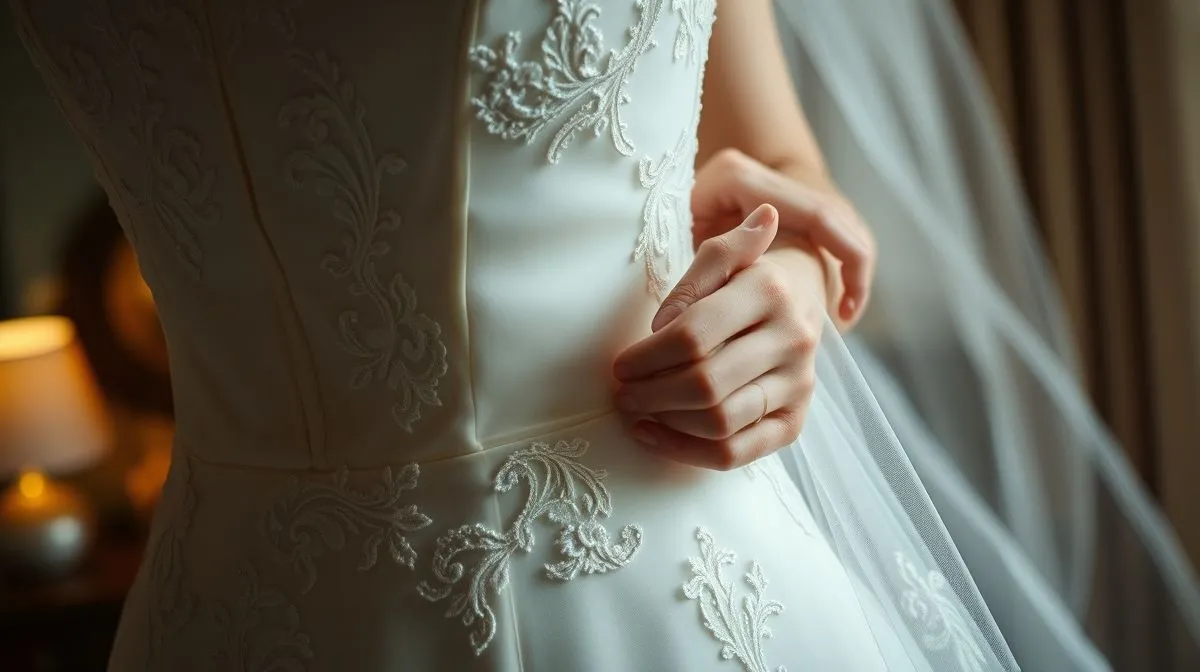
How to Ensure Perfect Custom Bridal Gown Fit: The Ultimate Guide
Imagine standing at the altar, bathed in the soft glow of candlelight, every eye on you. Your heart swells with joy, but then a fleeting thought crosses your mind: Is my dress sitting right? For many brides, the dream of a perfectly tailored wedding gown can sometimes be overshadowed by anxieties about the fit. This isn't just about looking good; it's about feeling utterly comfortable and confident as you embark on one of life's most significant journeys.
The journey to finding or creating your dream wedding dress is filled with excitement, but the nuances of achieving an impeccable fit can often feel daunting. From the initial measurements to the final bustling, every step holds potential pitfalls if not navigated with precision. How do you ensure that your custom bridal gown, a garment designed specifically for you, truly embraces your unique silhouette without a single wrinkle or pinch?
This comprehensive guide is your definitive resource on how to ensure perfect custom bridal gown fit. We'll demystify the process, from understanding the critical role of accurate measurements to mastering the art of fittings and final adjustments. By the end, you'll possess the knowledge and confidence to truly understand how to ensure perfect custom bridal gown fit, making your wedding day vision a reality.
The Foundation: Understanding Your Body and Measurements
The journey to a flawless fit begins long before the first stitch is sewn. It starts with an intimate understanding of your own body and a meticulous approach to measurements. This foundational step is arguably the most critical in the entire custom gown process.
Why Accurate Measurements are Non-Negotiable
Think of your measurements as the blueprint for your gown. Any inaccuracy here, even by a fraction of an inch, can cascade into significant fit issues later. A custom gown is built to your exact specifications, meaning there's no 'off-the-rack' size to fall back on. Precision ensures the garment flows with your body, rather than against it.
- Bust: Measure around the fullest part of your bust, ensuring the tape is level.
- Waist: Find the narrowest part of your torso, typically above your navel.
- Hips: Measure around the fullest part of your hips and derriere.
- Hollow to Hem: From the hollow of your throat to where you want the hem to fall, wearing your wedding shoes.
- Shoulder to Bust/Waist/Hip: Crucial for bodice and skirt proportions.
- Arm Length/Circumference: Important for sleeves.
It's vital that these measurements are taken by a professional who understands garment construction. They know how to account for natural curves, posture, and the specific style of the gown.
The Role of a Professional Seamstress/Consultant
While you might be tempted to take measurements at home, a professional seamstress or bridal consultant brings invaluable expertise. They not only measure accurately but also understand how different fabrics drape and how specific gown silhouettes will sit on your body. They can identify nuances in your posture or body shape that a simple tape measure might miss, ensuring these are accounted for in the pattern.
Their trained eye can spot potential fitting challenges early on, allowing for proactive adjustments in the design phase. This partnership is key to translating your unique form into a perfectly fitting gown.
Choosing the Right Custom Gown Designer or Boutique
The success of your custom bridal gown fit hinges significantly on the expertise and artistry of your chosen designer or boutique. This is a collaborative journey, and selecting the right partner is paramount.
What to Look for in a Designer
When entrusting someone with your dream gown, look beyond aesthetics. Research their reputation, read reviews, and examine their portfolio for consistency in quality and fit. A designer who specializes in custom work will have a deeper understanding of pattern making, fabric manipulation, and the nuances of individual body shapes.
- Experience with Custom Work: Do they have a proven track record of creating bespoke gowns, not just altering ready-to-wear?
- Communication Style: Are they attentive listeners? Do they clearly explain the process and set realistic expectations?
- Attention to Detail: Look for precision in their sample work and discussions.
- Fabric Knowledge: A good designer understands how different fabrics behave and drape on the body.
- Fitting Process: Inquire about their typical fitting schedule and what each stage entails.
A reputable designer will prioritize the fit as much as the design, understanding that one cannot truly shine without the other.
Initial Consultation and Design Discussions
The initial consultation is your opportunity to articulate your vision and for the designer to understand your body. Be open about your preferences, comfort concerns, and any specific areas you want to highlight or de-emphasize. This is where the designer begins to conceptualize how to translate your dream into a pattern that perfectly aligns with your measurements and desired aesthetic.
They should discuss fabric options, silhouette choices, and any unique design elements, always with an eye towards how these elements will impact the final fit. Don't hesitate to ask questions about their process for ensuring accuracy.
The Customization Journey: From Concept to First Fitting
Once the design is finalized and measurements are taken, the magic of custom creation begins. This phase involves translating the two-dimensional design into a three-dimensional garment, piece by precise piece.
Fabric Selection and Silhouette Considerations
The choice of fabric profoundly impacts how your gown will fit and drape. A structured fabric like duchess satin or mikado will hold its shape, creating crisp lines, while softer fabrics like chiffon, silk crepe, or charmeuse will flow and contour to the body. Your designer should guide you through options that complement your chosen silhouette and body type, ensuring the fabric supports the desired fit.
Understanding the unique characteristics of different fabrics—from the flowing grace of chiffon to the structured elegance of duchess satin—is crucial. Each material behaves differently, impacting how it drapes and fits the body. For an in-depth look at textile properties, resources from institutions like the Metropolitan Museum of Art's textile collection can offer valuable insights.
The Importance of a Mock-Up (Toile)
For truly custom gowns, many designers create a 'toile' or muslin mock-up. This is a preliminary version of your gown made from inexpensive fabric. Its purpose is purely to perfect the fit and proportions before cutting into the expensive bridal fabrics. This stage is invaluable:
- It allows for significant adjustments without risking the final garment.
- You can visualize the silhouette and how it sits on your body.
- It's an opportunity to refine neckline, armhole, and waist placements.
- Any major design changes are easier and less costly at this stage.
Embrace the toile fitting as a critical opportunity to fine-tune your gown's foundation. It's an investment in the ultimate perfect fit.
Navigating Your Bridal Gown Fittings: A Step-by-Step Guide
Fittings are where your custom gown truly comes to life on your body. These are not merely appointments but crucial collaborations between you and your seamstress to achieve perfection.
First Fitting: The Foundation Check
This is often the first time you'll see your gown in its actual fabric, or at least a significant portion of it. The focus here is on the gown's foundation—the bodice, waist, and hip areas. Your seamstress will pin and mark adjustments to ensure the core of the dress fits snugly and comfortably. Be honest about how it feels.
- Wear the exact undergarments (bra, shapewear) and shoes you plan to wear on your wedding day.
- Bring any accessories like a veil or jewelry to visualize the complete look.
- Move around, sit down, and raise your arms to check for comfort and mobility.
- Pay attention to the bust, waist, and hip areas. Is anything pulling or gaping?
The principles of haute couture, for instance, emphasize meticulous measurements and multiple fittings to achieve unparalleled precision, a tradition that underpins the custom bridal gown process. To delve deeper into this rich history, you can explore resources like the Wikipedia page on Haute Couture.
Second Fitting: Refinements and Adjustments
At this fitting, you'll see the initial adjustments incorporated. The focus shifts to finer details: sleeve length and fit, shoulder adjustments, and the overall silhouette. The hemline will also likely be marked at this stage. Again, bring your complete wedding-day ensemble.
This is where you might start to see the gown truly taking its final shape. Don't be afraid to voice any concerns, no matter how small. A good seamstress welcomes feedback and is dedicated to achieving your perfect fit.
Third (and Subsequent) Fittings: Fine-Tuning and Final Touches
Often, a third fitting, and sometimes a fourth or fifth for complex designs, is necessary. These appointments are about fine-tuning. The hem will be perfected, bustle points marked, and any last-minute nips and tucks made. This is also when details like buttons, zippers, and embellishments are checked for perfect alignment and security.
For your final fittings, it's highly recommended to bring a trusted friend or family member who will be assisting you on your wedding day. They can learn how to properly lace up a corset, secure a bustle, and help you get in and out of the gown smoothly.
Key Factors Influencing Your Gown's Fit
Beyond the measurements and fittings, several other elements play a crucial role in ensuring your custom bridal gown fits flawlessly on your big day.
Undergarments and Shoes: Non-Negotiables
This cannot be stressed enough: The exact shoes and undergarments you plan to wear on your wedding day must be present at every fitting. Different heel heights drastically change the hemline, and varying bra styles or shapewear can alter your bust and waist measurements, impacting the gown's drape.
A seamless, supportive foundation is crucial. If you're unsure, consult your seamstress for recommendations on the best type of bra, shapewear, or even adhesive solutions that will complement your gown's design.
Weight Fluctuations and Timeline Management
Significant weight changes, whether gain or loss, can impact your gown's fit. While custom gowns offer more flexibility for adjustments, drastic changes can sometimes compromise the original design or incur additional alteration costs. Most designers recommend maintaining a stable weight as you approach your wedding date.
Schedule your final fitting as close to your wedding day as possible, typically 2-3 weeks prior, to account for any last-minute body changes. This also allows time for any minor, final adjustments without panic.
Understanding Different Fabric Drapes and Their Impact
The way a fabric falls and moves is called its 'drape.' A stiff fabric like silk gazar will hold a structured shape, while a fluid fabric like silk charmeuse will cling and flow. Your designer will consider the fabric's drape when creating the pattern to ensure the garment sits on your body as intended.
For example, a bias-cut gown made from a fluid fabric will mold to your curves, while a structured A-line made from a stiffer material will maintain its silhouette independent of your body shape. Understanding this interplay helps manage expectations and ensures the chosen fabric enhances the fit.
Common Fit Challenges and How to Address Them
Even with meticulous planning, minor fit challenges can arise. Knowing how to identify and address them ensures a smooth path to perfection.
Bust and Waist Issues
One of the most common concerns is the bust or waist being too tight or too loose. If the bust is gaping, it might need darts or a slight redesign of the neckline. If it's too tight, there might be seam allowance to let out, or the side seams need adjustment. For the waist, a simple nip or tuck can often resolve looseness, while tightness might require letting out seams or adjusting boning.
Always communicate discomfort. A gown that digs in will be unbearable on your wedding day, and one that's too loose will feel insecure and look ill-fitting.
Length and Hemline Perfection
The hemline is critical for both aesthetics and safety. Too long, and you risk tripping; too short, and it can look awkward. The hem should just skim the top of your shoes, or for a ball gown, float about an inch above the floor. This is why wearing your exact wedding shoes at every fitting is non-negotiable.
For gowns with intricate lace or beading at the hem, a 're-appliqued' hem is often necessary, where the original embellishments are carefully removed and re-sewn after the length adjustment. This is a time-consuming process, so account for it in your timeline and budget.
Strap and Shoulder Adjustments
Straps that dig in or constantly fall off are common issues. They can be shortened or lengthened, and sometimes reinforced. For off-the-shoulder or illusion necklines, ensuring they sit flush against your skin without gapping or puckering requires precise adjustments to the armholes and neckline.
A well-fitted shoulder and strap area ensures the bodice stays securely in place, providing necessary support and comfort throughout your wedding day.
The Final Walk-Through: Your Last Chance for Perfection
The final pickup of your gown is more than just collecting it; it's your ultimate quality control check. This is your last opportunity to ensure every detail is perfect.
What to Check During the Final Pickup
When you pick up your gown, try it on one last time. Don't rush this process. Your seamstress should be present to observe and answer any final questions. Pay attention to:
- Overall Fit: Does it still feel comfortable and secure?
- Hemline: Is the length perfect with your shoes?
- Bustle: Understand how to properly secure and release the bustle. Have your helper practice.
- Zippers/Buttons/Closures: Are they smooth and secure?
- Embellishments: Are all beads, sequins, and lace appliqués securely attached?
- Cleanliness: Is the gown perfectly clean and pressed?
- Bagging: Is it properly bagged for transport and storage?
Take photos or videos of the bustling process for your bridal party's reference. This small step can save significant stress on the wedding day.
Preparing for Your Wedding Day
Once your gown is perfect, store it properly according to your designer's instructions, typically in a breathable garment bag, hung from the loops inside the dress, not the straps. Avoid storing it in plastic for extended periods, as it can trap moisture.
On your wedding day, allow ample time for getting dressed. Your perfectly fitted gown will slide on beautifully, and with your trusted helper, you'll be ready to float down the aisle feeling nothing short of magnificent.
Frequently Asked Questions (FAQ)
How many fittings are typically needed for a custom bridal gown? Typically, a custom bridal gown requires between 3 to 5 fittings, including the initial measurement and design consultation, a toile (mock-up) fitting, and subsequent fittings for the actual gown. Complex designs or significant body changes might require more.
What should I bring to my bridal gown fittings? Always bring the exact shoes and undergarments you plan to wear on your wedding day. This includes your bra, shapewear, and any specific hosiery. It's also helpful to bring any accessories like your veil or jewelry to visualize the complete look.
Can my weight fluctuations affect my custom gown's fit? Yes, significant weight fluctuations can impact the fit of your custom gown. While minor adjustments are possible, drastic changes might require extensive alterations that could compromise the original design or incur additional costs. It's best to maintain a stable weight as you approach your wedding date.
When should I start the custom bridal gown process? It's generally recommended to begin the custom bridal gown process 9 to 12 months before your wedding date. This allows ample time for design, fabric sourcing, creation of a toile, multiple fittings, and any unforeseen delays.
Is a custom bridal gown more expensive than off-the-rack? While often perceived as more expensive, a custom bridal gown's cost can vary widely. It often includes the design, fabric, and all alterations, providing a unique garment tailored specifically to you. Off-the-rack gowns might seem cheaper initially but often incur significant alteration costs to achieve a perfect fit.
Recommended Reading
- Eco-Friendly Kids Clothes: Last Longer & Save You Money!
- The Ultimate Secret to Effortlessly Transitioning Outfits for Busy Women
- Broadway Costume Design: The Ultimate Guide to Stage Magic!
- Unlocking Feminine Style: The Essential Characteristics You Need to Know
- The Ultimate Guide: How to Choose Comfortable Fabrics for Kids Wear
Conclusion
Achieving the perfect fit for your custom bridal gown is not a matter of luck, but a meticulous process built on precision, communication, and collaboration. From understanding your unique measurements to navigating the crucial stages of fittings, every step is an opportunity to refine and perfect your dream dress. Mastering how to ensure perfect custom bridal gown fit is an art that culminates in a garment that not only looks stunning but feels like a second skin, allowing you to move with grace and confidence on your most special day. Embrace the journey, trust your professionals, and step into your wedding day knowing you look and feel absolutely magnificent.

Your email address will not be published. Required fields are marked *