

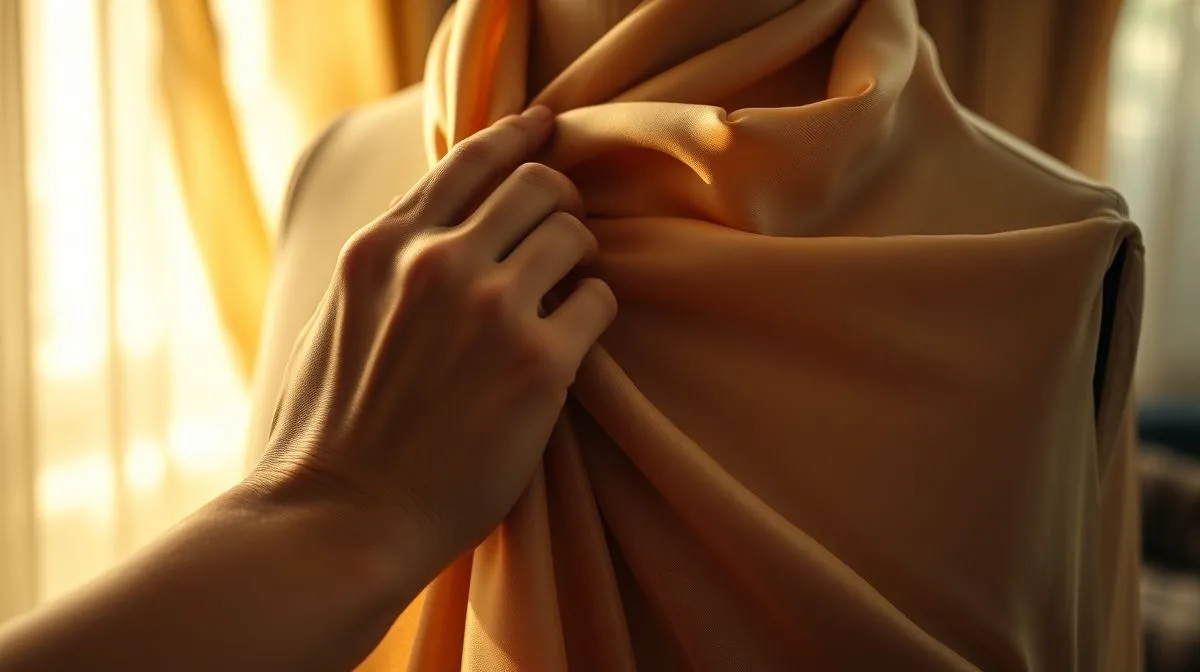
What Are the Characteristics of Feminine Style? Unveiling Its Timeless Allure
Have you ever walked into a room and instantly recognized an aura of grace, elegance, and undeniable charm emanating from someone's presence, not just their demeanor, but their very attire? It’s more than just a preference for dresses over trousers; it's an intricate language of aesthetics that speaks volumes without uttering a single word. This captivating presence often stems from a mastery of what we broadly refer to as feminine style.
But what truly defines this elusive concept? Is it merely about ruffles and pink, or does it delve much deeper into the very essence of how clothing can evoke softness, strength, and sophistication? Many find themselves asking, 'what are the characteristics of feminine style,' seeking to understand its fundamental components beyond superficial trends.
This comprehensive guide will unravel the intricate layers of feminine style, exploring its historical lineage, core design principles, and the subtle nuances that distinguish it. By the end, you'll possess a profound understanding of its defining elements, empowering you to cultivate a wardrobe and a presence that radiates timeless femininity.
The Enduring Legacy: A Brief History of Feminine Style
Feminine style is not a modern invention; its roots stretch back through centuries, evolving with societal shifts while retaining core elements. Understanding its historical context helps illuminate its enduring appeal and adaptability.
Ancient Roots and Royal Influences
In ancient civilizations, garments often emphasized natural drapes and flowing lines, as seen in the peplos and chiton of ancient Greece, or the elaborate tunics and gowns of Egyptian royalty. These early forms celebrated the human figure with grace, often using natural fibers like linen and silk. The emphasis was on elegant movement and the subtle revelation of form beneath layers of fabric, establishing an early precedent for softness and fluidity.
Victorian Era to Mid-Century Glamour
The Victorian era saw the rise of highly structured feminine fashion, with corsets creating exaggerated hourglass silhouettes and voluminous skirts signifying status and modesty. While restrictive, these styles cemented the idea of a defined waist and a dramatic, sweeping silhouette as hallmarks of femininity. Moving into the 20th century, particularly the mid-century, designers like Christian Dior championed the 'New Look,' which reintroduced the nipped waist, full skirts, and rounded shoulders, epitomizing post-war optimism and a return to refined glamour. This period solidified the association of feminine style with impeccable tailoring, luxurious fabrics, and a celebration of the female form. For a deeper dive into fashion history, you can explore resources like Wikipedia's History of Fashion.
Core Design Principles: Decoding the Feminine Aesthetic
At its heart, feminine style adheres to several foundational design principles that differentiate it from other aesthetics. These principles guide the choice of silhouette, fabric, color, and embellishment.
Emphasis on the Form
A primary characteristic of feminine style is its careful attention to the natural curves and lines of the female body. This often translates into designs that:
- Define the waist: Whether through belting, nipped-in bodices, or peplum details, highlighting the narrowest part of the torso is common.
- Accentuate the bust and hips: Silhouettes like the hourglass, A-line, and fit-and-flare gently enhance these areas, creating a harmonious and balanced proportion.
- Create flattering lines: Vertical seams, princess seams, and strategic darting are used to sculpt the garment to the body, offering a polished and tailored appearance.
Softness and Flow
Unlike more angular or rigid styles, feminine fashion embraces fluidity and gentle movement. This is achieved through:
- Draping: Fabrics that fall gracefully, creating soft folds and cascades.
- Gathers and pleats: These add volume and movement without stiffness, often seen in skirts, sleeves, and bodices.
- Layering: Sheer or lightweight layers that add depth and a dreamy quality.
Detail and Embellishment
Intricate details and delicate embellishments are hallmarks of feminine style, adding a touch of artistry and luxury. These include:
- Lace: From delicate Chantilly to intricate guipure, lace is a quintessential feminine element, adding romance and texture.
- Embroidery: Floral motifs, intricate patterns, or subtle stitching can elevate a garment.
- Bows and ruffles: These playful yet sophisticated elements add volume, texture, and a touch of whimsy.
- Beading and sequins: Used sparingly or extensively, they add sparkle and visual interest, particularly for evening wear.
Silhouettes and Forms: Sculpting the Feminine Shape
The choice of silhouette is paramount in defining a feminine look. These shapes are designed to flatter and create an impression of grace and elegance.
The A-Line and Fit-and-Flare
These are perhaps the most iconic feminine silhouettes. The A-line, a classic shape that is fitted at the hips and gradually widens towards the hem, offers universal flattery and ease of movement. The fit-and-flare takes this a step further, with a more defined waist and a fuller, often pleated or gathered, skirt that flares out dramatically, creating a playful yet elegant profile.
Defined Waists and Hourglass Shapes
A consistently defined waistline is a cornerstone of feminine style, whether achieved through a belt, a tailored bodice, or the natural cut of a garment. This emphasizes the narrowest part of the torso, creating an hourglass effect even on figures that aren't naturally hourglass-shaped. It contributes to a polished and put-together appearance.
Flowing Skirts and Dresses
The movement of fabric is key. Maxi skirts, full circle skirts, and sweeping dresses that swish and sway with every step are quintessential. These provide a sense of lightness and romance, evoking images of old-world charm and effortless grace.
Soft Shoulders and Necklines
Sharp, angular shoulders are less common in feminine style. Instead, designers often favor rounded, gentle shoulder lines, sometimes with a slight puff or gather. Necklines are typically open and soft, such as sweetheart, scoop, boat, or V-necks, which frame the décolletage elegantly without being overly revealing, contributing to an overall soft and inviting aesthetic.
Fabrics and Textures: The Sensory Language of Femininity
The tactile quality and drape of fabrics play a crucial role in conveying femininity. Certain materials inherently possess characteristics that align with this aesthetic.
Luxurious Drapes
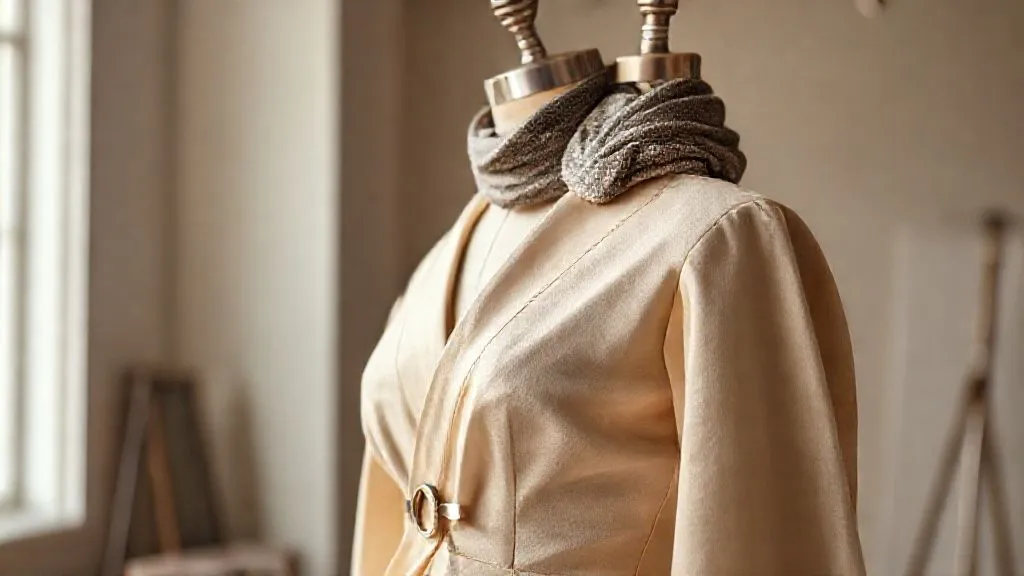
Fabrics that flow and fall beautifully are central. Silk, with its lustrous sheen and fluid drape, is a prime example, offering unparalleled elegance. Satin, often made from silk or synthetic fibers, provides a similar smooth, reflective surface. Chiffon and georgette, lightweight and sheer, create ethereal layers and delicate movement. Rayon and certain blends can mimic these qualities, offering accessible options for graceful garments.
Softness and Comfort
While elegant, feminine style also embraces materials that feel gentle against the skin. High-quality natural fibers like fine merino wool, soft cashmere, and luxurious cotton blends offer comfort without compromising sophistication. These materials provide warmth and a pleasant tactile experience, embodying a gentle approach to dressing.
Delicate Textures
Textured fabrics add depth and visual interest. Lace, as mentioned, is iconic. Brocade and jacquard, with their intricate woven patterns, add richness and a vintage appeal. Velvet, with its soft pile and deep color saturation, exudes luxury and softness. These textures invite touch and add a layer of sophistication to any garment. Understanding different fabric properties can be further explored through textile resources such as Textile World.
Color Palettes and Patterns: Expressing Softness and Grace
The choice of color and pattern significantly influences the overall feminine impression, leaning towards hues and motifs that evoke softness, romance, and timeless elegance.
Pastel Hues and Muted Tones
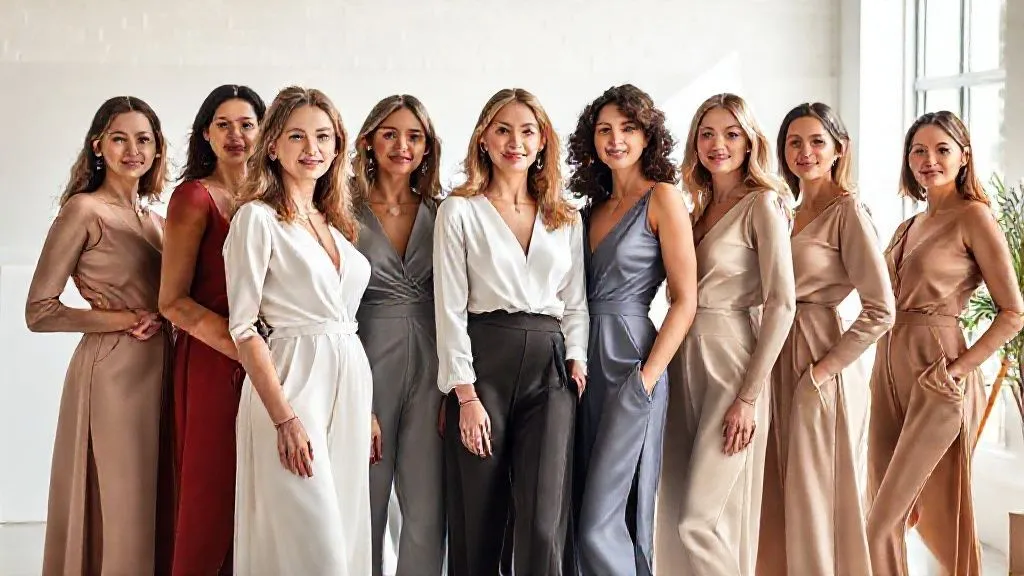
Soft, muted colors are a hallmark. Think of blush pinks, sky blues, lavender, mint green, and creams. These shades are inherently gentle, soothing, and evoke a sense of delicacy and innocence. They create a harmonious and approachable look, often associated with spring and softness. Neutrals like beige, soft grey, and ivory also play a crucial role as foundational colors, allowing other elements to shine.
Jewel Tones for Depth
While pastels dominate, rich jewel tones like emerald green, sapphire blue, ruby red, and amethyst purple are also embraced, especially for evening wear or statement pieces. These colors add depth and luxury without being harsh. Their richness complements the elegant silhouettes and luxurious fabrics, providing a sophisticated alternative to lighter shades.
Gentle Patterns
Patterns in feminine style tend to be subtle and organic. Floral prints, from delicate scattered blossoms to large, romantic blooms, are quintessential. Other common patterns include delicate polka dots, subtle gingham, and abstract prints with soft edges. The key is that the patterns should complement, not overpower, the garment's form and the wearer's features. They add visual interest and a touch of whimsy without being overly bold or geometric.
Accessories and Embellishments: The Art of the Finishing Touch
Accessories are not mere afterthoughts in feminine style; they are integral components that complete the narrative of grace and refinement. They provide opportunities to add sparkle, texture, and personal flair.
Jewelry
Delicate and classic pieces are preferred. Think of simple gold or silver chains with dainty pendants, pearl earrings or necklaces, and elegant bracelets. The emphasis is on quality over quantity, with pieces that enhance rather than distract. Vintage-inspired jewelry also fits beautifully within this aesthetic.
Scarves and Wraps
Silk scarves, pashminas, and lightweight wraps add an element of softness, color, and versatility. They can be draped elegantly, tied in a bow, or worn to add a layer of warmth and sophistication, enhancing the flowing lines of an outfit.
Handbags
Structured top-handle bags, elegant clutch bags, and refined crossbodies are favored. Materials like leather, suede, or satin, often in classic colors or soft pastels, contribute to the polished look. The design is typically clean, with minimal hardware, emphasizing timelessness.
Footwear
Elegant footwear elevates the entire ensemble. Classic pumps, block heels, kitten heels, and sophisticated ballet flats are common choices. They often feature pointed or rounded toes, delicate straps, or subtle embellishments like bows, contributing to a refined and graceful walk.
Hair and Makeup
Beyond clothing, the overall presentation contributes significantly to feminine style. Hair is often styled in soft waves, classic updos, or neatly pulled back, emphasizing natural beauty and neatness. Makeup tends to be natural and enhancing, focusing on a clear complexion, subtle eye makeup, and a soft lip color, highlighting features without heavy application.
Beyond Clothing: The Demeanor of Feminine Style
While garments form the visible foundation, true feminine style extends beyond fabric and form. It encompasses an inner quality that subtly influences how clothing is worn and perceived.
Poise and Grace
A woman embodying feminine style often carries herself with an inherent poise and grace. This translates into thoughtful movements, good posture, and an overall sense of composure. It’s about how one walks, sits, and interacts, adding an ethereal quality to the visual aesthetic.
Confidence and Self-Assuredness
Authentic feminine style is underpinned by confidence. It’s not about seeking external validation but about a quiet self-assuredness that radiates from within. When a woman is comfortable and confident in her own skin, her chosen attire, regardless of its specific elements, becomes an extension of her inner strength and elegance.
Thoughtful Presentation
Attention to detail in grooming, neatness, and overall presentation is crucial. This includes well-maintained hair and nails, a fresh appearance, and ensuring clothes are clean, pressed, and fit well. These small details collectively contribute to a polished and respectful self-presentation that enhances the feminine appeal.
Common Misconceptions and Nuances of Feminine Style
It's important to dispel common myths and understand the nuances that prevent a superficial understanding of feminine style.
Not Just Pink and Ruffles
A common misconception is that feminine style is limited to overtly 'girly' elements like excessive pink, bows, and ruffles. While these can be part of the aesthetic, true feminine style is far more versatile and sophisticated. It encompasses a wide range of expressions, from minimalist elegance to opulent glamour, all unified by the underlying principles of softness, grace, and flattering forms.
Strength in Softness
Feminine style is often mistakenly equated with weakness or submissiveness. On the contrary, there is immense strength in softness. The ability to embrace vulnerability, express empathy, and exude grace can be incredibly powerful and assertive. Many powerful women throughout history have embraced feminine aesthetics, proving that this style is compatible with, and can even amplify, strong leadership and influence. This nuanced understanding of strength and femininity is explored in various sociological and fashion studies, such as those found in academic journals on gender and fashion.
Adapting to Modernity
Feminine style is not about being old-fashioned or stuck in a bygone era. It's about timelessness. It adapts to modern trends by incorporating contemporary cuts, fabrics, and styling while retaining its core characteristics. For instance, a classic A-line skirt can be paired with a modern knit top, or delicate jewelry can complement a sleek, tailored suit, demonstrating its enduring relevance in today's fashion landscape.
Incorporating Feminine Style into Your Modern Wardrobe
Embracing feminine style doesn't require a complete wardrobe overhaul. It's about thoughtful additions and a shift in perspective.
Start with Staples
Begin by investing in a few key pieces that embody the aesthetic: a well-fitting A-line dress, a silk blouse, a soft knit cardigan, and a classic pair of pumps. These versatile items can form the foundation of many outfits.
Mix and Match
Combine feminine pieces with elements from other styles to create a balanced look. For instance, pair a delicate lace top with tailored trousers for a sophisticated office look, or a flowing skirt with a crisp white shirt for a smart casual ensemble. This blending allows for personal expression while retaining the core feminine appeal.
Personalization
Ultimately, feminine style is a framework, not a rigid set of rules. Personalize it with unique accessories, signature scents, and styling choices that reflect your individual personality. The goal is to feel authentic and confident, allowing your inner grace to shine through your chosen attire.
Frequently Asked Questions (FAQ)
Is feminine style only for women? While traditionally associated with women, 'feminine' in style refers to an aesthetic characterized by softness, grace, and fluidity. Anyone can appreciate and incorporate elements of this style into their wardrobe, regardless of gender, if it resonates with their personal expression.
Can feminine style be professional? Absolutely. Feminine style can be highly professional and authoritative. By choosing tailored silhouettes, luxurious fabrics, and classic colors, one can create a look that is both elegant and business-appropriate. Think of a well-fitted sheath dress, a silk blouse, or a structured skirt suit.
How do I start building a feminine wardrobe? Begin by identifying key pieces like A-line dresses, flowing skirts, silk blouses, and delicate accessories. Focus on quality fabrics and flattering silhouettes. Gradually integrate these pieces and experiment with how they combine with your existing wardrobe.
Does feminine style mean sacrificing comfort? Not at all. Modern feminine style prioritizes comfort alongside elegance. Many luxurious fabrics like silk, cashmere, and soft cotton blends are inherently comfortable. Opt for well-fitting garments that allow ease of movement, and choose footwear that is both stylish and comfortable for extended wear.
Is feminine style defined by current trends? No, feminine style is largely timeless. While it can incorporate elements from current trends, its core characteristics of grace, softness, and flattering forms remain constant. It's about enduring elegance rather than fleeting fashion fads.
Recommended Reading
- Timeless Elegance: How to Build Your Dream Wardrobe Now!
- Victorian Dress Patterns: Your Ultimate Guide to Sewing History
- Ultimate Guide: Best Men's Skincare Routine for Sensitive Skin
- Bespoke Jewelry Design: Your Ultimate Guide to Getting Started
- Top Picks: Discover the Best Contemporary Urban Streetwear Brands Now!
Conclusion
Understanding what are the characteristics of feminine style reveals a rich tapestry of design principles, historical influences, and subtle nuances that go far beyond superficial appearances. It is an aesthetic language spoken through soft silhouettes, luxurious fabrics, gentle colors, and thoughtful embellishments, all culminating in an expression of grace, confidence, and timeless elegance. By embracing these core elements and allowing them to harmonize with your unique personality, you can cultivate a wardrobe and a presence that truly radiates sophisticated femininity. This journey is not just about clothes; it's about embodying an enduring and captivating allure.



Your email address will not be published. Required fields are marked *