

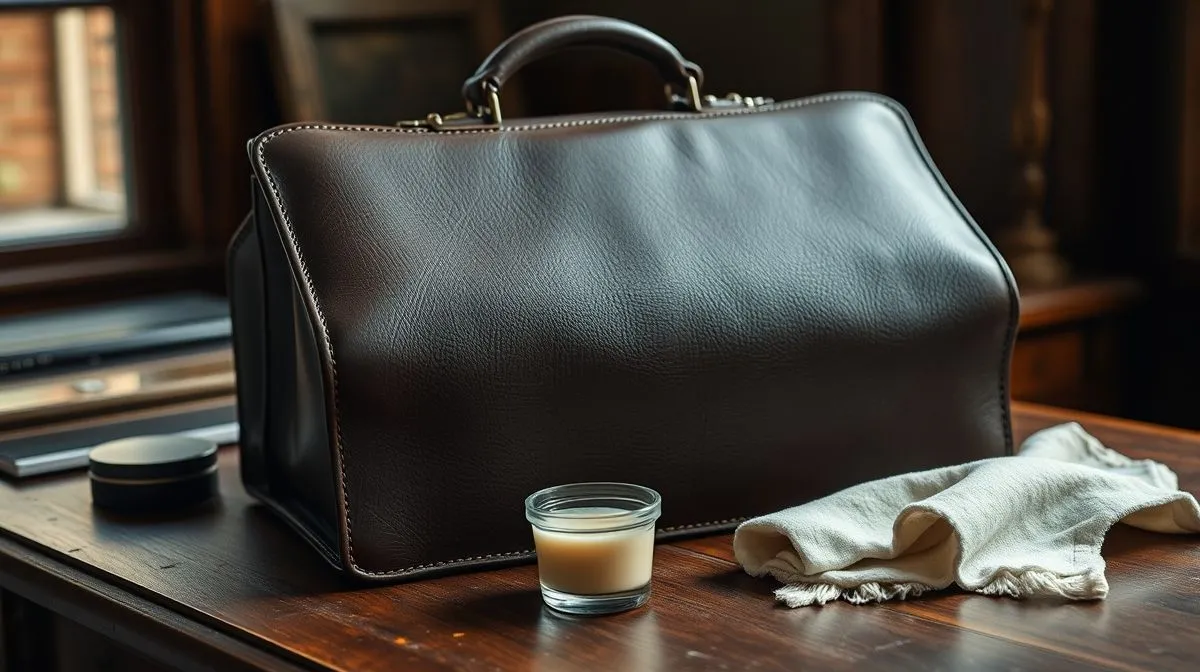
How to Care for Handcrafted Bespoke Leather Goods?
Imagine holding a piece of art in your hands—a wallet, a bag, a pair of shoes—crafted with meticulous precision, stitched with passion, and designed exclusively for you. This isn't just an accessory; it's an extension of your personality, a testament to enduring quality. But what happens when the initial gleam starts to fade, or a minor scuff appears? Do you know how to preserve its unique beauty and ensure it lasts a lifetime, truly living up to its 'bespoke' promise?
Many owners of such exquisite items find themselves at a crossroads, unsure of the best practices to maintain their investment. The unique properties of handcrafted leather demand more than just a casual wipe; they require specific knowledge and dedicated care to prevent premature wear, cracking, or discoloration. Without proper attention, even the highest quality leather can lose its luster, compromising its integrity and aesthetic appeal.
This comprehensive guide is designed to empower you with the definitive knowledge needed to master the art of preserving your cherished handcrafted bespoke leather goods. From understanding the nuances of different leather types to implementing daily care routines, deep cleaning methods, and long-term storage solutions, you will learn the secrets to ensuring your leather pieces not only endure but also develop a rich, beautiful patina that tells their unique story.
Understanding Your Bespoke Leather: The Foundation of Care
Before diving into care routines, it’s crucial to understand the material itself. Handcrafted bespoke leather is not a monolith; it encompasses a diverse range of hides and tanning processes, each with unique characteristics that influence its care requirements. Knowing what kind of leather you own is the first step towards effective preservation.
The Nuances of Full-Grain vs. Top-Grain vs. Genuine Leather
- Full-Grain Leather: This is the highest quality leather, retaining the natural grain and imperfections of the hide. It's incredibly durable and develops a beautiful patina over time. Its open pores mean it's more susceptible to absorbing liquids but also breathes better. Care for full-grain leather focuses on gentle cleaning and consistent conditioning to prevent drying and cracking.
- Top-Grain Leather: Slightly thinner than full-grain, with the outermost layer (and its imperfections) sanded off. It's more pliable and stain-resistant due to a finished surface, but less breathable. Care often involves surface cleaning and lighter conditioning.
- Genuine Leather: This term can be misleading. It's often made from the lower layers of the hide or bonded leather scraps, making it less durable and prone to breaking down faster. While still 'real' leather, its care needs are different, often requiring less intensive conditioning and more frequent gentle cleaning to prolong its limited lifespan.
Tanning Processes: Vegetable vs. Chrome Tanning
The tanning process significantly impacts leather's properties and how it should be cared for:
- Vegetable-Tanned Leather: Utilizes natural tannins from bark and other plant matter. This process is slower, more environmentally friendly, and results in leather that is stiffer, more durable, and develops a rich, unique patina. It's more absorbent and can be sensitive to water. Regular, specific conditioning is vital to keep it supple.
- Chrome-Tanned Leather: The most common tanning method, using chromium sulfates. It's faster, produces softer, more pliable leather, and is often more water-resistant and less prone to stretching. While durable, it doesn't develop the same depth of patina as vegetable-tanned leather. Care for chrome-tanned leather often involves gentle cleaning and lighter, less frequent conditioning.
Understanding these distinctions allows you to tailor your care regimen, ensuring you provide the optimal treatment for your specific handcrafted bespoke leather goods.
The Golden Rules of Daily Leather Care
Consistent, gentle daily habits are the cornerstone of effective leather maintenance. These simple practices can prevent common issues and significantly extend the life of your bespoke items, reducing the need for intensive interventions later on.
Avoiding Harsh Elements: Water, Sun, and Heat
Leather, being a natural material, is vulnerable to environmental stressors. Direct exposure to water can leave stains, alter its texture, and even promote mold growth if not dried properly. Prolonged exposure to direct sunlight can fade the color and dry out the leather, leading to brittleness and cracking. Similarly, excessive heat from radiators, fireplaces, or even prolonged contact with hot surfaces can cause the leather to dry, shrink, and crack prematurely. Always keep your leather items away from such sources.
Gentle Handling & Smart Storage
How you handle and store your leather items daily matters. Avoid overfilling bags or wallets, which can strain seams and distort the leather's shape. When not in use, ensure items are stored in a cool, dry place, away from direct light. For bags, using a dust bag (often provided by the artisan) is essential to protect against dust and scratches. Stuffing bags with acid-free tissue paper or bubble wrap helps maintain their shape and prevents creasing.
Regular Dusting & Spot Checks
Dust can accumulate on leather surfaces, and over time, it can abrade the finish. A soft, dry microfiber cloth is your best friend for routine dusting. Gently wipe down your leather items a few times a week. This simple act also provides an opportunity for a quick spot check. Look for any minor scuffs, dirt, or potential issues that can be addressed immediately before they worsen. Early detection of problems is key to effective and less invasive solutions.
Cleaning Your Bespoke Leather: A Gentle Approach
Even with diligent daily care, your handcrafted leather goods will occasionally require more thorough cleaning. The key is to be gentle, precise, and use products specifically designed for leather to avoid damage.
Spot Cleaning Techniques for Minor Blemishes
For small spills or marks, immediate action is crucial. Use a clean, soft cloth lightly dampened with distilled water. Gently blot the affected area, working from the outside of the stain inwards to prevent spreading. For stubborn spots, a tiny amount of mild, pH-neutral leather cleaner can be applied to the cloth, then gently wiped. Always test any cleaning product on an inconspicuous area first to ensure it doesn't cause discoloration or damage. Never rub vigorously, as this can embed the stain or damage the leather's surface.
Deep Cleaning Methods (with Caution)
When your leather item requires a more comprehensive clean, perhaps due to accumulated grime or a more significant spill, a dedicated leather cleaner is necessary. Apply the cleaner sparingly to a clean cloth, not directly onto the leather. Work in small sections, gently wiping the surface in a circular motion. Follow the product instructions carefully. After cleaning, always wipe the leather with a clean, slightly damp cloth to remove any residue, then immediately dry with a soft, dry cloth. Allow the leather to air dry completely away from direct heat.
Choosing the Right Cleaners: Specificity is Key
The market is flooded with cleaning products, but not all are suitable for fine leather. Avoid harsh chemical cleaners, household detergents, baby wipes, or anything containing alcohol, solvents, or silicone. These can strip natural oils, dry out the leather, or leave a sticky residue. Instead, invest in high-quality, pH-neutral leather cleaners specifically formulated for the type of leather you possess. Reputable brands that specialize in leather care are your best bet. For more insights on leather types and their properties, consider consulting resources like Wikipedia's detailed article on leather.
Conditioning for Longevity: Nourishing Your Investment
Cleaning removes dirt, but conditioning replenishes the natural oils that keep leather supple, prevent cracking, and restore its luster. This step is vital for extending the lifespan of your handcrafted bespoke leather goods.
Why Conditioning is Crucial
Leather, like skin, can dry out over time, especially with exposure to air, sunlight, and everyday use. When leather loses its natural oils, it becomes stiff, brittle, and prone to cracking, diminishing its beauty and durability. Conditioning hydrates the fibers, maintains flexibility, and helps the leather resist minor abrasions and water damage. It also enhances the leather's natural sheen and helps it develop a rich, deep patina.
Selecting the Best Leather Conditioner
The choice of conditioner depends on your leather type. For most fine, full-grain, and vegetable-tanned leathers, a cream-based or oil-based conditioner made from natural ingredients like mink oil, neatsfoot oil, or lanolin is ideal. Avoid products with silicone or petroleum distillates, as these can block the leather's pores and cause long-term damage. Always opt for conditioners that are specifically labeled for leather and are free of harsh chemicals. Some high-end leather goods manufacturers also offer their own proprietary conditioners, which are often formulated perfectly for their products.
The Application Process: Less Is More
Conditioning should be done sparingly and evenly. Start by ensuring the leather is clean and dry. Apply a small amount of conditioner to a clean, soft cloth (preferably microfiber or cotton flannel), not directly onto the leather. Gently rub the conditioner into the leather in small circular motions, ensuring even coverage. A thin, even coat is far more effective than a thick, gloopy one. Allow the conditioner to penetrate for 10-15 minutes (or as per product instructions), then gently buff off any excess with a clean, dry cloth. You'll notice the leather looking richer and feeling softer. For general maintenance, conditioning every 3-6 months is usually sufficient, but items used daily or exposed to harsh conditions might benefit from more frequent applications.
Protecting Your Investment: Beyond Basic Care
While cleaning and conditioning form the core of leather care, additional protective measures can further safeguard your valuable items and ensure they remain pristine for years to come.
Water & Stain Repellents: When and How to Use
For items that will be regularly exposed to the elements, a water and stain repellent spray can provide an extra layer of protection. These products create an invisible barrier that helps liquids bead up and roll off, preventing stains. However, not all repellents are suitable for all leather types, especially delicate or unfinished leathers, as they can sometimes alter the color or finish. Always choose a product specifically designed for leather and test it on an inconspicuous area first. Apply in a well-ventilated area, holding the spray can at the recommended distance, and apply light, even coats. Allow to dry completely between coats and before use. Remember, repellents offer protection, not immunity; they are a safeguard, not a guarantee against all damage.
Proper Storage Solutions: Humidity and Air Circulation
Long-term storage is just as critical as daily care. Leather needs to breathe; never store it in plastic bags, which can trap moisture and lead to mildew or cracking. Instead, use breathable dust bags (cotton or linen are ideal) or wrap items in acid-free tissue paper. Store leather goods in a cool, dry place with stable humidity levels, away from direct sunlight or extreme temperatures. Good air circulation is key. For bags, stuffing them with crumpled acid-free paper helps maintain their shape and prevents creasing. For shoes, use shoe trees. For smaller items like wallets, keep them flat or in their original boxes.
Dealing with Scratches and Blemishes
Minor surface scratches can often be buffed out with a soft cloth or a tiny amount of leather conditioner, working it gently into the scratch until it blends. For deeper scratches or scuffs, specialized leather repair balms or fillers might be necessary. Some leather types, particularly full-grain, develop a beautiful patina that naturally incorporates minor scuffs, adding character. However, for significant damage, seeking professional restoration is always the best course of action to avoid irreparable harm.
Common Mistakes to Avoid in Leather Care
Even with the best intentions, certain common pitfalls can inadvertently harm your handcrafted bespoke leather goods. Being aware of these mistakes can save you from costly damage and ensure your items retain their value and beauty.
Over-cleaning or Over-conditioning
It might seem counterintuitive, but too much of a good thing can be detrimental. Over-cleaning with harsh chemicals or too frequently can strip the leather of its natural oils, leading to dryness and cracking. Similarly, over-conditioning can saturate the leather, making it feel greasy, attracting more dirt, or even causing it to break down prematurely. Stick to a sensible schedule: clean when visibly dirty, condition every few months, or when the leather feels dry. Trust your judgment and the feel of the leather.
Using Household Products or Unsuitable Chemicals
This is perhaps the most common and damaging mistake. Products like dish soap, furniture polish, olive oil, vinegar, or harsh chemical cleaners are not formulated for leather and can cause irreversible damage. They can strip natural oils, leave residue, cause discoloration, or accelerate degradation. Always use products specifically designed for leather care. As the Victoria and Albert Museum (V&A) emphasizes in their conservation guidelines, using the correct materials is paramount for preserving leather artifacts. You can find more information on their best practices for leather care here: V&A: Looking After Leather.
Neglecting Regular Maintenance
The biggest enemy of fine leather is neglect. Leaving dirt to accumulate, allowing the leather to dry out, or ignoring minor scuffs can lead to more significant, harder-to-fix problems. Consistent, gentle care is far more effective and less time-consuming than trying to revive severely damaged leather. Think of it as preventative medicine for your valuable items; a little effort regularly goes a long way in preserving their integrity and appearance.
The Beauty of Patina: Embracing Natural Aging
One of the most cherished aspects of high-quality, handcrafted leather is its ability to develop a unique patina over time. This isn't damage; it's a mark of character and a testament to its journey with you.
What is Patina?
Patina is the natural sheen or darkening that develops on the surface of leather due to age, exposure to light, oils from your skin, and general use. It's a gradual process that gives each leather item a unique, rich character, transforming it from a mere accessory into a piece with a story. Full-grain and vegetable-tanned leathers are particularly known for developing exquisite patinas, often deepening in color and acquiring a soft, lustrous sheen.
Embracing Natural Aging
Rather than trying to keep your leather looking brand new forever, embrace the development of patina. It signifies authenticity and quality. Minor scuffs, slight darkening in areas frequently touched, and subtle variations in tone all contribute to this unique aesthetic. These aren't flaws but rather badges of honor that tell the story of your item's life and adventures.
Maintaining Patina While Protecting Leather
While you embrace patina, it doesn't mean neglecting care. Regular cleaning prevents dirt from becoming ingrained, which can create an uneven or unattractive patina. Consistent conditioning ensures the leather remains supple and strong, allowing the patina to develop beautifully without the risk of cracking. The goal is to facilitate a healthy, even patina that enhances the leather's appearance, rather than allowing damage to dictate its aging process. A well-cared-for piece with a rich patina is far more valuable and beautiful than one that has simply been left to degrade.
When to Seek Professional Help
While this guide provides comprehensive advice on how to care for handcrafted bespoke leather goods, there are instances when professional intervention is the wisest course of action. Knowing when to call in the experts can prevent irreparable damage and restore your cherished items to their former glory.
Major Damage: Tears, Rips, and Deep Scratches
If your leather item suffers significant structural damage, such as a tear, a large rip, or deep gouges that penetrate beyond the surface layer, attempting a DIY repair can often worsen the problem. Professional leather restorers have the specialized tools, materials, and expertise to mend such damage seamlessly, often making it virtually invisible. They can match colors, re-stitch seams, and reinforce weakened areas, preserving the integrity and value of your bespoke piece.
Specialized Cleaning and Restoration
For extensive staining (e.g., ink, oil, mold that has deeply penetrated), color fading, or when your leather item simply looks dull and lifeless despite your best efforts, a professional cleaning or restoration service can work wonders. They use industrial-grade equipment and advanced techniques to deep clean, re-dye, or re-finish leather, restoring its original vibrancy and suppleness. Attempting these complex processes at home without proper training or products can lead to uneven color, stiff texture, or even permanent damage.
Preserving Heirloom Pieces
For truly irreplaceable or antique handcrafted leather items, especially those with sentimental or historical value, professional conservation is highly recommended. Conservators specialize in preserving delicate materials, arresting decay, and restoring items while maintaining their historical integrity. Their expertise ensures that these precious heirlooms can be passed down through generations, their stories preserved for years to come.
Frequently Asked Questions (FAQ)
Is it okay to use water directly on leather for cleaning? No, generally avoid direct water exposure. Water can stain, dry out, or even warp leather. For cleaning, use a damp (not wet) cloth or specialized leather cleaner.
How often should I condition my handcrafted leather goods? For most items, conditioning every 3 to 6 months is sufficient. Items used daily or exposed to harsh conditions (dry climates, direct sun) may benefit from more frequent conditioning, while rarely used items might need it less often.
Can I use olive oil or other household oils to condition leather? No, absolutely not. Household oils like olive oil can become rancid, attract dust, and ultimately degrade the leather by clogging its pores and causing stickiness or discoloration over time. Always use dedicated leather conditioners.
My leather item got wet in the rain. What should I do? Gently blot away excess moisture with a clean, dry cloth. Do not rub. Allow the item to air dry naturally at room temperature, away from direct heat sources or sunlight. You can stuff bags or shoes with paper to maintain their shape as they dry. Once completely dry, apply a leather conditioner to rehydrate the fibers.
How can I prevent mold on my leather goods? Store leather in a cool, dry place with good air circulation. Avoid humid environments and never store leather in plastic bags. If you notice mold, gently wipe it off with a cloth lightly dampened with rubbing alcohol (test first!), then allow to air dry completely and condition.
Recommended Reading
- Find Your Perfect Hat: The Ultimate Guide to Choosing the Right Style for Your Face Shape
- Unlock the Secrets: How to Write an Engaging Fashion Blog Post That Captivates
- Unlock Style & Comfort: Adapting Fashion Footwear for Comfortable Orthotic Use
- The Ultimate Guide: How to Make Basic Outfits Look Effortlessly Chic
- Unlock Radiant Skin: Your Ultimate Guide to a Holistic Beauty Routine for Acne
Conclusion
Caring for handcrafted bespoke leather goods is not merely a chore; it's an act of appreciation, a commitment to preserving artistry and quality. By understanding the unique characteristics of your leather, implementing a consistent routine of gentle cleaning and thoughtful conditioning, and employing smart storage practices, you ensure your cherished items not only endure but also flourish. Embrace the beautiful patina that tells their unique story, and know when to seek professional expertise for major concerns. With the knowledge gained from this guide, you are now equipped to truly master how to care for handcrafted bespoke leather goods, ensuring they remain timeless treasures that accompany you on life's journey for decades to come.


Your email address will not be published. Required fields are marked *