

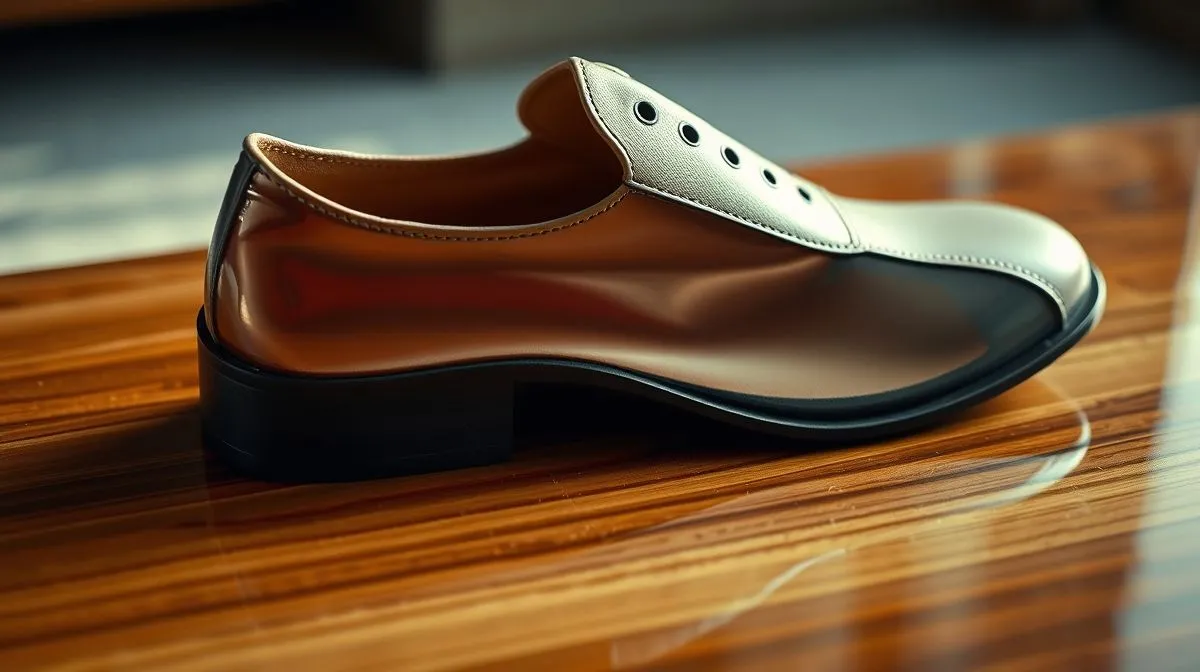
The Silent Struggle: Adapting Fashion Footwear for Comfortable Orthotic Use
Have you ever found yourself staring longingly at a pair of exquisite shoes, only to sigh with resignation, knowing your orthotics simply wouldn't fit, or worse, would make them unbearable? It's a common dilemma for millions: the perceived battle between maintaining foot health and embracing personal style. For too long, the narrative has been that one must sacrifice the other, leading to a wardrobe of sensible but often uninspiring footwear for orthotic users.
This article aims to address that very frustration. The problem isn't your desire for fashionable shoes, nor is it the necessity of your orthotics. The real challenge lies in bridging the gap between bespoke foot support and the diverse world of fashion footwear. It’s about understanding the subtle nuances of shoe construction, orthotic design, and the clever modifications that can transform a seemingly incompatible pair into a comfortable, supportive ally.
By the end of this comprehensive guide, you will learn practical strategies, expert tips, and innovative solutions for adapting fashion footwear for comfortable orthotic use. We'll explore how to choose the right shoes, discuss various modification techniques, and empower you to step out in style without compromising the vital support your feet need. Prepare to redefine your relationship with your shoe collection.
Understanding the Orthotic-Footwear Dynamic
Before diving into adaptations, it’s crucial to grasp why orthotics and certain shoes often clash. Orthotics, whether custom-made or over-the-counter, are designed to provide biomechanical support, correct gait imbalances, and alleviate pain. They occupy space within a shoe, and their effectiveness hinges on a stable foundation.
Traditional fashion footwear, however, prioritizes aesthetics, often at the expense of internal volume or structural support. High heels, pointed toes, and minimalist designs leave little room for an orthotic to function correctly, leading to discomfort, instability, or even new foot problems. The goal is to find harmony, where the shoe complements the orthotic's function.
The Purpose of Orthotics
Orthotics serve various purposes, from correcting pronation (inward rolling of the foot) to cushioning painful areas like plantar fasciitis. They redistribute pressure, improve alignment, and absorb shock. Their rigid or semi-rigid structure is essential for their corrective capabilities, which is why simply 'squeezing' them into any shoe often fails.
Shoe Anatomy and Orthotic Fit
Understanding shoe anatomy is key. Elements like the toe box (space for toes), midfoot volume, heel counter (stiff part at the back), and removable insoles significantly impact orthotic compatibility. Shoes with shallow toe boxes or non-removable insoles are often the biggest culprits in the fashion-orthotic conflict. A good fit means the orthotic sits flush, without buckling or causing the foot to lift excessively out of the shoe.
Key Considerations When Choosing Fashion Footwear for Orthotics
The journey to harmonizing fashion and orthotics begins with mindful shoe selection. Not every shoe can be adapted, but many more are suitable than you might think. Prioritize shoes designed with adequate internal volume and stable construction.
Look for Removable Insoles
This is arguably the most critical feature. Many athletic shoes, boots, and even some dress shoes come with factory insoles that can be easily removed. This creates the necessary space for your orthotic, allowing it to sit properly without crowding your foot. Always check if the existing insole can be taken out before purchasing.
Prioritize Adequate Toe Box Volume
A roomy toe box is essential to prevent compression and discomfort. Pointed-toe shoes, while stylish, are often problematic. Opt for shoes with round, almond, or square toe shapes that allow your toes to splay naturally, especially important when an orthotic slightly elevates your foot within the shoe.
Consider Heel Height and Stability
While high heels pose challenges, not all heels are off-limits. A block heel or a wider, more stable heel offers better support than a stiletto. Generally, a heel height of 1-2 inches is more accommodating for orthotics. Wedges can also be a good option, as they provide continuous support from heel to toe.
Evaluate Midfoot and Arch Support
Even with an orthotic, a shoe with inherent midfoot support can enhance overall stability. Look for shoes that don't twist easily in the middle. The shoe's arch should align reasonably well with your orthotic's arch, even if the orthotic provides the primary support.
Practical Strategies for Shoe Adaptation
Once you've selected a potentially suitable pair, there are several methods for adapting fashion footwear for comfortable orthotic use. These range from simple adjustments to professional modifications.
Removing Existing Insoles
As mentioned, this is the first and easiest step. Simply pull out the factory insole and replace it with your orthotic. If the orthotic is too thick, sometimes a thinner, low-profile orthotic might be necessary for certain shoes.
Using Half-Length or ¾ Length Orthotics
For shoes with limited toe box space, such as some dress shoes or heels, a half-length or ¾ length orthotic can be a game-changer. These orthotics provide arch and heel support while leaving the forefoot area clear. They are less intrusive and often fit where full-length orthotics cannot. However, they may not offer the same level of comprehensive support as full-length versions.
Strategic Padding and Filling
Sometimes, an orthotic might slip or not sit snugly. You can use thin foam padding or small pieces of felt underneath the orthotic to fill any gaps and ensure a secure fit. This is particularly useful in shoes that are slightly too wide or deep for your orthotic.
Professional Shoe Stretching
If a shoe is just a little too snug in width or depth, a professional cobbler can often stretch specific areas. This is especially effective for leather shoes. Stretching can create the extra millimeter of space needed for an orthotic without compromising the shoe's integrity. Be cautious not to overstretch, as this can damage the shoe.
Heel Lifts and Wedges
In some cases, a small heel lift can be added to the shoe's heel to accommodate the orthotic's heel cup, particularly if the orthotic is thick. Similarly, if an orthotic causes your heel to slip out, a heel grip can be added to the shoe's collar. These are minor adjustments that can make a significant difference.
Minor Surgical Shoe Modifications
For persistent issues, a skilled cobbler specializing in orthopedic modifications can perform more intricate adjustments. This might include:
- Deepening the toe box: Carefully altering the shoe's upper to create more vertical space.
- Adding a lift: Permanently building up a portion of the sole to accommodate the orthotic's depth.
- Adjusting the throat line: Modifying the opening of the shoe to allow for easier entry with an orthotic.
These modifications should only be performed by experienced professionals to ensure the shoe's structure and aesthetic are maintained. According to the American Podiatric Medical Association (APMA), proper footwear is paramount for foot health, and professional modifications can extend the life and utility of your shoes with orthotics.
The Role of Professional Guidance and Customization
While DIY adaptations can be effective, consulting professionals is often the most reliable path to success, especially when considering adapting fashion footwear for comfortable orthotic use.
Consulting Your Podiatrist or Orthotist
Your podiatrist or orthotist can provide invaluable advice. They understand the specific biomechanics of your foot and the design of your orthotics. They can recommend specific shoe types or even suggest modifications to your orthotics themselves (e.g., thinning them, creating a lower profile) to better fit certain shoes. They may also have connections with cobblers who specialize in orthopedic shoe modifications.
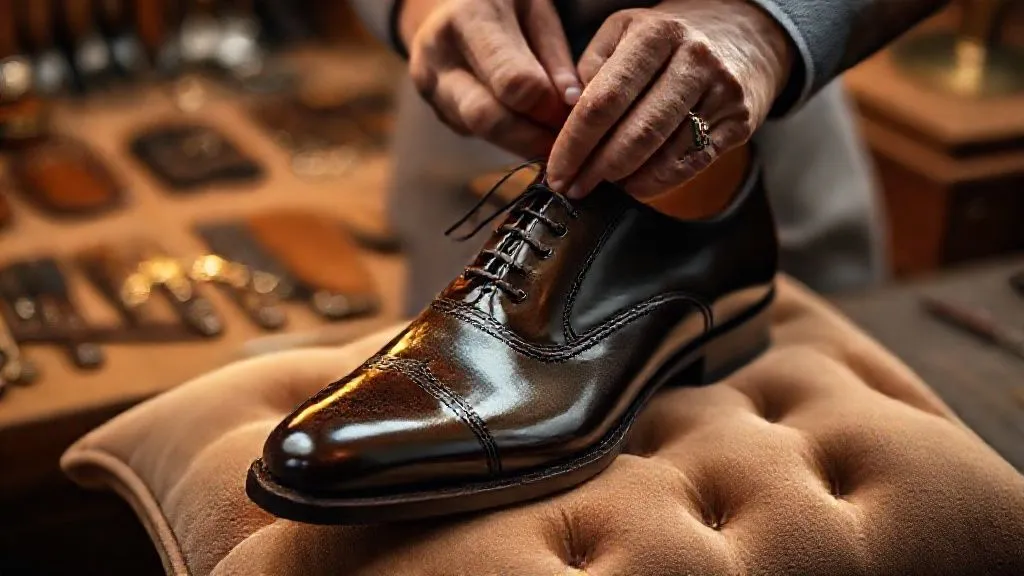
Working with a Skilled Cobbler
A cobbler experienced in orthopedic shoe repair is an invaluable resource. They can assess a shoe's potential for modification, perform stretching, deepen toe boxes, or add lifts discreetly. Always seek out a cobbler with good reviews and specific experience in this niche.
Considering Custom-Made Orthotics for Specific Shoes
In some cases, if you have a particular style of shoe you frequently wear (e.g., dress shoes for work), your podiatrist might recommend a specific pair of custom orthotics designed to fit that shoe type. These are often slimmer or shorter than standard orthotics, optimized for shoes with limited space.
Maintaining Foot Health and Orthotic Efficacy
Adaptation isn't a one-time fix; it's part of an ongoing commitment to foot health. Proper care of your shoes and orthotics will ensure their longevity and continued effectiveness.
Regular Cleaning and Inspection
Clean your orthotics regularly according to your provider's instructions. Inspect both your orthotics and your shoes for signs of wear and tear. Worn-out cushioning in shoes or cracked orthotics can diminish their supportive qualities.
Rotating Your Footwear
Don't wear the same pair of shoes with your orthotics every day. Rotating your footwear allows shoes to air out and regain their shape, extending their lifespan. It also provides your feet with slight variations in support, which can be beneficial.
Listening to Your Feet
Your feet are the ultimate indicator. If a shoe, even after adaptation, causes discomfort, rubbing, or new pain, it's not the right fit. Don't force it. Persistent pain can lead to more serious issues. Remember, the goal is comfortable support, not just fitting an orthotic into a shoe.
Dispelling Common Myths About Orthotics and Fashion
The perception that orthotics mean sacrificing style is largely a myth, perpetuated by a lack of knowledge and innovation. Let's debunk some common misconceptions:
- Myth 1: Orthotics only fit in 'ugly' shoes. Reality: While some shoes are more accommodating, a vast and growing range of stylish footwear, from sneakers to boots and even some heels, can work with orthotics, especially with the right adaptations.
- Myth 2: You can't wear orthotics with heels. Reality: While stilettos are challenging, many block heels, wedges, and lower heels (1-2 inches) can be worn with slim, ¾ length, or custom-made orthotics designed for heels.
- Myth 3: Orthotics are a permanent limitation. Reality: Orthotics are a tool for better foot health and mobility. With proper shoe selection and adaptation, they empower you to enjoy a wider range of activities and styles than you might imagine.
- Myth 4: Adapting shoes is too expensive or complicated. Reality: Many adaptations are simple DIY fixes. Professional modifications, while costing more, are often less expensive than buying multiple pairs of specialized orthopedic shoes and can extend the life of your favorite fashion items.
Innovations in Orthotic-Friendly Fashion Footwear
The footwear industry is slowly but surely responding to the demand for stylish, orthotic-compatible shoes. Many brands are now designing shoes with features that make them inherently more suitable for orthotic users.
Brands with Removable Insoles
Increasingly, mainstream and fashion-forward brands are incorporating removable insoles into their designs across various categories, including sneakers, casual shoes, and even some dressier options. Look for brands that highlight this feature.
Footwear Designed for Comfort and Support
Many comfort-focused brands are now also prioritizing aesthetics. They often feature wider toe boxes, more stable constructions, and deeper footbeds, making them excellent candidates for orthotic use. While not strictly 'fashion' brands, their designs are becoming more appealing.
Modular Shoe Designs
Some emerging companies are even exploring modular shoe designs where the footbed can be swapped out entirely, allowing for seamless integration of custom orthotics. This innovative approach promises a future where style and support are intrinsically linked. Research from institutions like the National Institutes of Health (NIH) often highlights the importance of proper footwear for long-term musculoskeletal health, driving these design innovations.
Frequently Asked Questions (FAQ)
Can I wear my orthotics in any fashion shoe? No, not all fashion shoes are suitable. Shoes with removable insoles, adequate toe box volume, and stable construction are the best candidates for adapting. Very narrow, pointed, or high-heeled shoes can be challenging.
Will adapting my shoes damage them? Simple adaptations like removing insoles or using half-length orthotics typically won't damage shoes. Professional modifications, when done by a skilled cobbler, are designed to enhance functionality without compromising the shoe's integrity.
How do I know if my orthotics fit properly in a shoe? Your orthotics should sit flush in the shoe, without buckling or creating pressure points. Your heel should feel secure, and your toes should have room to move. If you experience new pain, rubbing, or instability, the fit is likely incorrect.
Are there specific types of fashion shoes that are generally better for orthotics? Sneakers, boots (especially those with zippers or laces), and loafers with removable insoles often accommodate orthotics well. Look for brands that emphasize comfort features and deeper footbeds.
What's the difference between a full-length and a ¾ length orthotic for fashion shoes? A full-length orthotic extends from the heel to the toes, offering comprehensive support. A ¾ length orthotic stops before the toes, providing arch and heel support while leaving the toe box clear, making it suitable for shoes with limited toe space, like some dress shoes or heels.
Recommended Reading
- Clean Vintage Beaded Purses Safely: The Ultimate Care Guide
- Iconic Haute Couture Houses: Unveiling the Secrets & History!
- Find Your Perfect Fit: Best Luxury Eyewear Brands for Oval Faces
- Draping Dreams: Best Fabric for Textile Art Costumes REVEALED!
- 1950s Dresses: Which Neckline Flatters You Most? Find Out!
Conclusion
The notion that style must be sacrificed for foot health is outdated. By understanding shoe anatomy, making informed choices, and applying clever adaptation strategies, adapting fashion footwear for comfortable orthotic use is not only possible but increasingly achievable. From simple insole swaps to professional modifications, a world of stylish possibilities awaits. Don't let your orthotics limit your wardrobe; instead, empower them to enhance your comfort and confidence, allowing you to step out in style, knowing your feet are well-supported and cared for.



Your email address will not be published. Required fields are marked *