

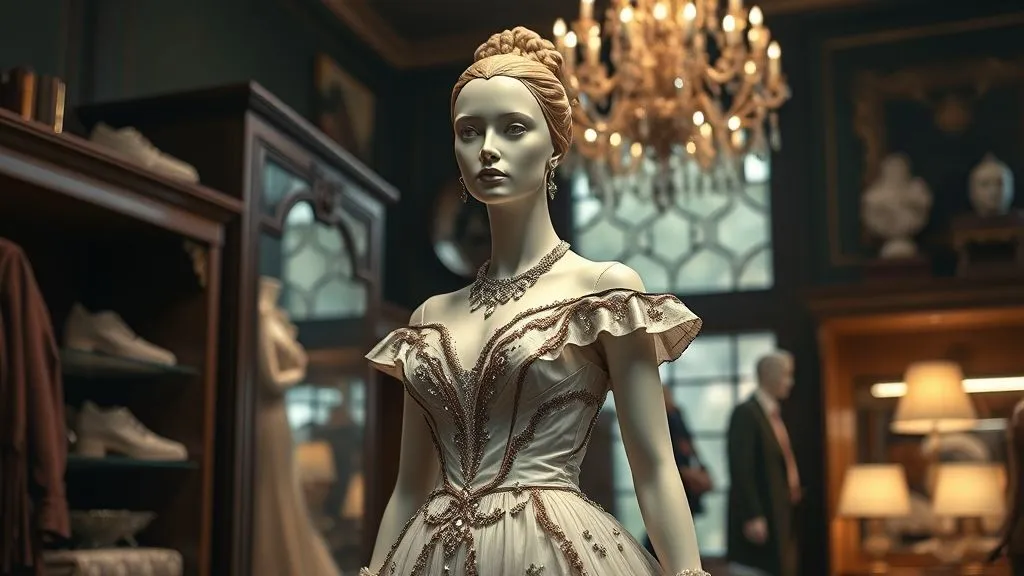
How to market authentic 1950s vintage to a niche luxury buyer?
For over two decades in the intricate world of vintage fashion, I've observed a common pitfall: many passionate sellers acquire exquisite 1950s pieces, yet struggle to connect with the discerning luxury buyers who truly appreciate their value. They often present these treasures with generic marketing tactics, overlooking the unique psychographics and expectations of the affluent collector.
The challenge isn't merely finding a buyer; it's about understanding the profound difference between a casual vintage enthusiast and a high-net-worth individual seeking a unique investment, a piece of wearable history, or a statement of unparalleled personal style. These buyers aren't just purchasing clothing; they are acquiring provenance, artistry, and exclusivity. Without a tailored approach, even the most stunning 1950s couture can languish, underappreciated and unsold.
In this definitive guide, I will share the strategies I've honed over years, providing you with actionable frameworks, real-world insights, and expert advice on how to market authentic 1950s vintage to a niche luxury buyer. We'll delve into authentication, storytelling, presentation, and bespoke outreach to ensure your remarkable pieces find their rightful, appreciative owners.
Understanding the Niche Luxury Buyer of 1950s Vintage
Before you even consider pricing or promotion, you must deeply understand your target audience. The luxury buyer of 1950s vintage fashion isn't driven by fleeting trends or bargain hunting; their motivations are far more complex and personal.
In my experience, these individuals are often collectors, connoisseurs, or those with a profound appreciation for historical craftsmanship and unique artistry. They value rarity, authenticity, and the story behind each garment. They are less price-sensitive and more value-driven, where 'value' encompasses provenance, condition, designer heritage, and exclusivity.
- Psychographic Profile: They are typically well-educated, well-traveled, and possess a sophisticated aesthetic. They often have a passion for history, art, and design.
- Motivations: Investment potential, personal expression, desire for unique and rare items, nostalgia for a perceived 'golden era' of fashion, and a commitment to sustainable luxury.
- Expectations: Impeccable condition, verifiable authenticity, seamless purchasing experience, discreet service, and personalized communication.
Ignoring these nuances means missing the mark entirely. You're not selling a dress; you're selling a curated piece of history, an heirloom, a unique statement.
The Art of Authentication: Building Unshakeable Trust
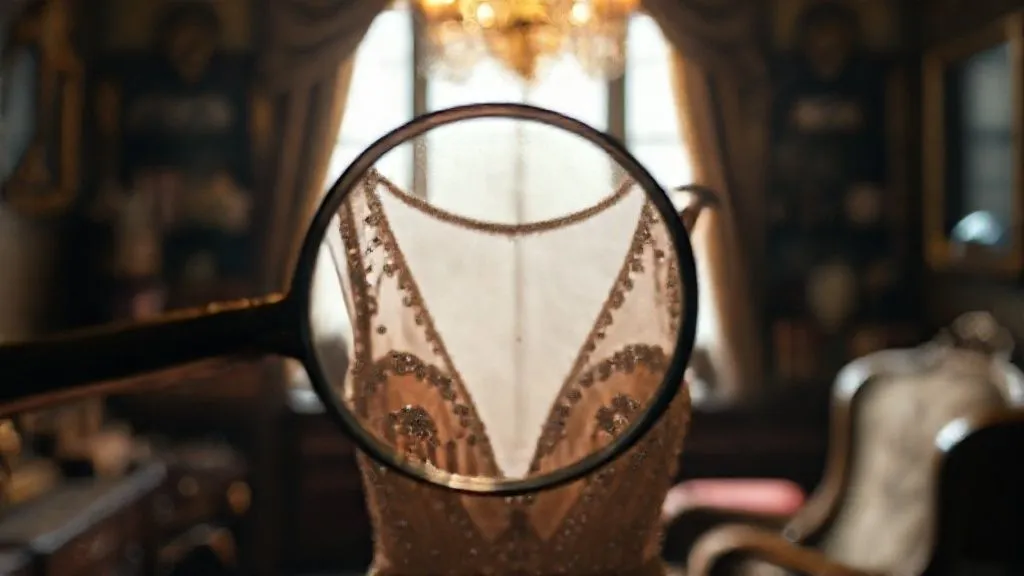
For the luxury buyer, trust is paramount. They invest significant sums, and the fear of counterfeits or misrepresentation is a major barrier. Your ability to provide ironclad authentication is your most potent marketing tool when you want to market authentic 1950s vintage to a niche luxury buyer.
I've seen countless sellers undermine their credibility by failing to provide comprehensive provenance. It's not enough to say 'it's authentic'; you must prove it. This involves meticulous research and transparent documentation.
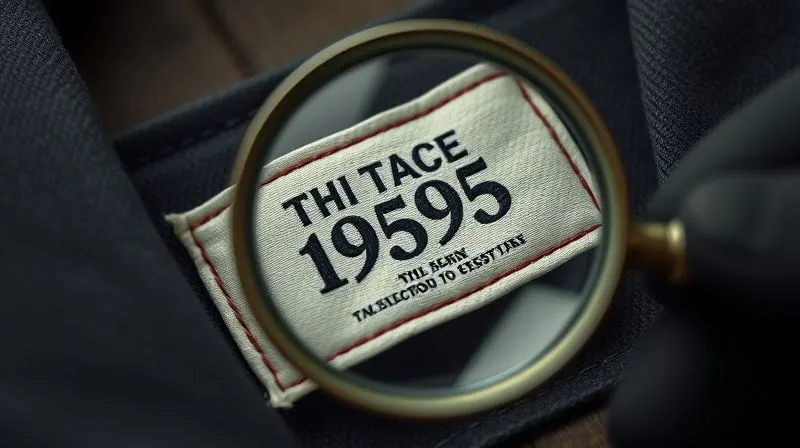
- Document Provenance: Trace the item's history. Was it owned by a notable figure? Was it featured in a publication? Provide original tags, labels, designer marks, and any available documentation (receipts, letters, exhibition catalogs).
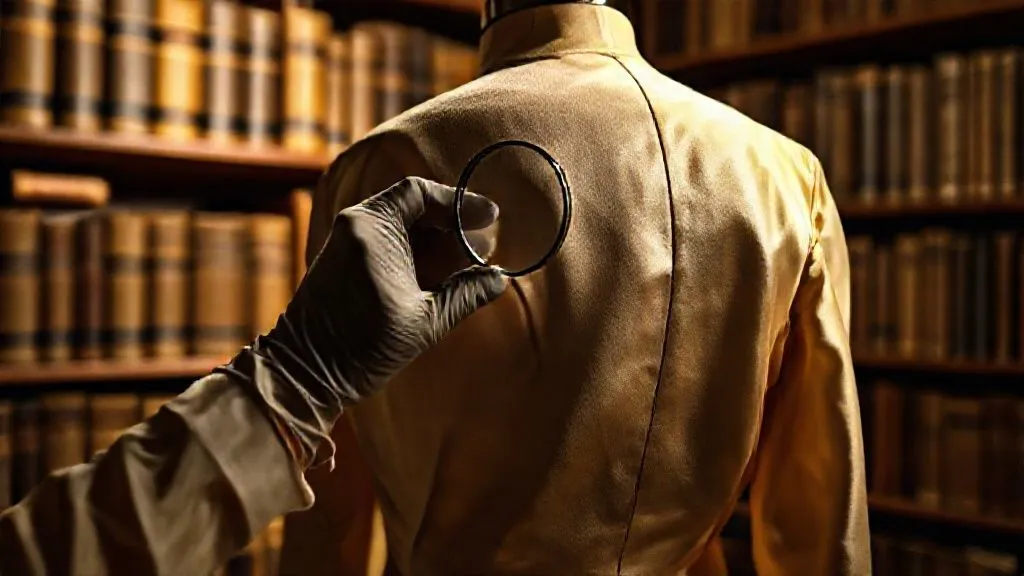
- Expert Verification: Engage independent, recognized vintage fashion appraisers or textile conservators for third-party authentication. Their seal of approval adds immense credibility.
- Detailed Condition Reports: Go beyond a simple 'good condition.' Provide a comprehensive, honest report detailing any flaws, repairs, or alterations, no matter how minor. Use high-resolution photographs to illustrate these points.
- Material Analysis: For high-value pieces, consider professional textile analysis to confirm fabric composition and age, especially for rare silks, brocades, or furs.
"In the luxury vintage market, authenticity isn't a feature; it's the foundation upon which all value is built. Without it, you have nothing but a pretty garment." - Industry Veteran Insight
Crafting an Irresistible Narrative: Storytelling the Era
Luxury buyers are not just purchasing objects; they are buying into a story, an emotion, a piece of history. Your ability to weave a compelling narrative around each 1950s vintage item is crucial for emotional connection and perceived value. This is how you differentiate yourself when you seek to market authentic 1950s vintage to a niche luxury buyer.
Each dress, suit, or accessory from the 1950s holds a unique narrative of its time. It reflects the cultural shifts, the post-war optimism, the rise of haute couture, and the changing role of women. Tapping into this rich tapestry elevates your offering beyond mere clothing.
- Historical Context: Research the specific year or period of the item. What was happening in fashion, art, politics, and society? How does the garment reflect these trends?
- Designer Biography: If it's a designer piece (e.g., Dior, Balenciaga, Chanel, Givenchy), delve into the designer's life, their aesthetic philosophy, and their impact on the era. What made their work groundbreaking?
- Original Owner Anecdotes (if available): If you can verify details about the original owner – perhaps a socialite, an actress, or a prominent figure – this adds immense cachet. Discretion is key, but verifiable stories are gold.
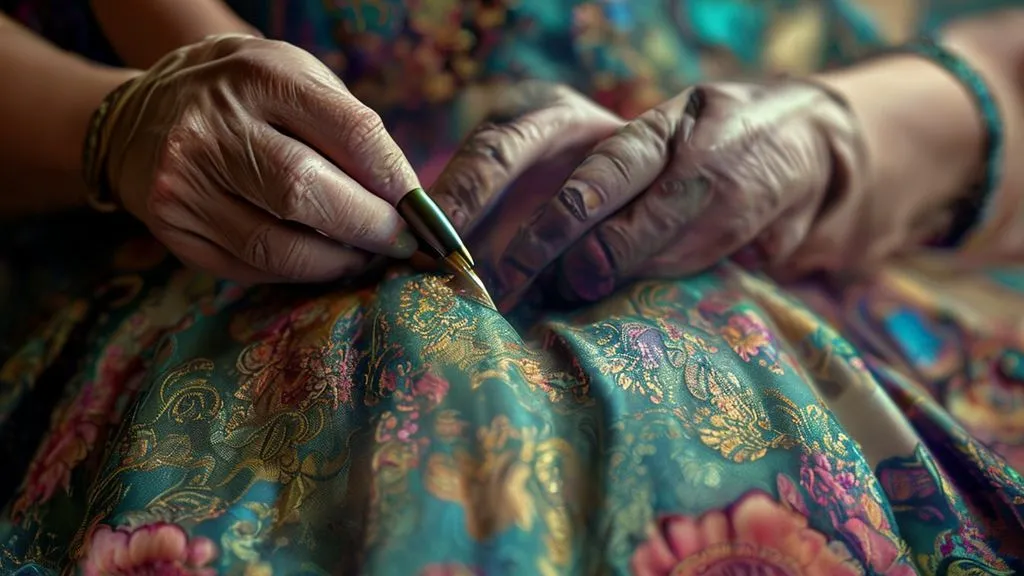
- Craftsmanship Details: Highlight the intricate hand-stitching, the unique fabric choices, the bespoke tailoring. Explain *why* 1950s craftsmanship is superior and how it reflects a bygone era of quality.
Case Study: The "Parisian Summer" Cocktail Dress
I worked with a client who had an exquisite, unworn 1955 cocktail dress by a lesser-known Parisian couturier. Instead of just listing it as 'vintage dress,' we researched the couturier's small atelier, discovering their specialty in luxurious silk brocades and their clientele among visiting American socialites. We then crafted a story about a young American heiress attending a summer fête in Paris, evoking images of sophisticated evenings and romance. This narrative, combined with detailed authentication and stunning photography, resulted in a swift sale at a premium price to a collector who appreciated the dress's 'untold story' as much as its beauty.
Premium Presentation: Elevating the Visual Experience
First impressions are everything, especially in the luxury market. The visual presentation of your 1950s vintage items must be impeccable, reflecting the inherent value and exclusivity. This extends from digital imagery to physical packaging.
I've seen beautiful pieces photographed poorly, diminishing their perceived worth. Think like a high-end art gallery or a luxury auction house; every detail matters.
- Professional Photography: Invest in professional photography. Use models (period-appropriate if possible) or high-quality mannequins. Ensure natural, soft lighting, sharp focus, and multiple angles. Capture details: fabric texture, closures, lining, and any unique embellishments.
- Contextual Styling: Style the garments with authentic 1950s accessories (gloves, hats, jewelry, shoes) to evoke the era and help the buyer visualize the complete look. This shows your expertise and attention to detail.
- High-Resolution Digital Display: On your website or luxury marketplace, provide zoom functions, 360-degree views, and perhaps short video clips of the garment in motion.
- Exquisite Packaging: When shipping, use acid-free tissue paper, custom garment bags, and sturdy, elegant boxes. Include a hand-written note, care instructions, and the authentication certificate. The unboxing experience should feel like receiving a precious heirloom.
Strategic Pricing: Valuing Rarity and Condition
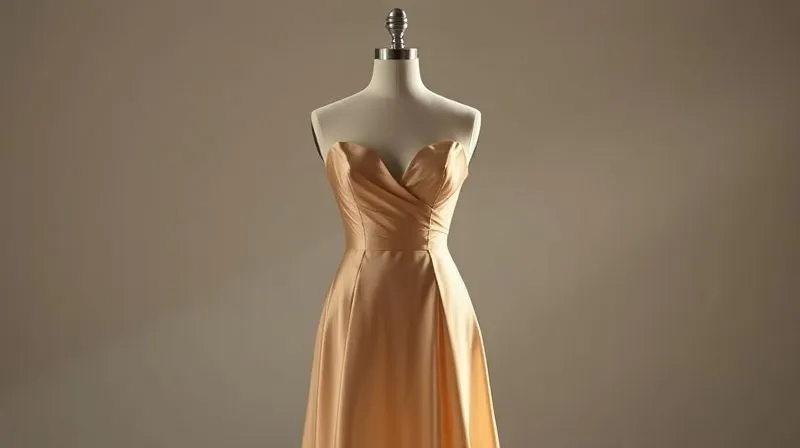
Pricing authentic 1950s vintage for the luxury market requires a nuanced approach, far beyond simple cost-plus margins. It's about understanding perceived value, market rarity, and the item's condition. Underpricing signals low quality, while overpricing alienates even the most eager buyers.
According to a Deloitte report on the luxury consumer, these buyers are willing to pay a premium for uniqueness and quality, but they are also highly informed. Transparency in your pricing justification is key.
| Factor | Impact on Price | Description |
|---|---|---|
| Rarity/Exclusivity | High | One-of-a-kind, limited edition, or extremely hard-to-find pieces command the highest premiums. |
| Designer Pedigree | High | Haute couture from iconic designers (e.g., Dior, Balenciaga, Chanel) consistently fetches top dollar. |
| Condition | Critical | Pristine, unworn, or museum-quality pieces are significantly more valuable than those with noticeable flaws. |
| Provenance/Story | Moderate to High | Items with verifiable historical significance or celebrity ownership add considerable value. |
| Material Quality | Moderate | Luxurious fabrics (silk, cashmere, couture lace) and intricate embellishments increase value. |
My advice is to conduct thorough market research, analyzing recent auction results and sales data from reputable luxury vintage platforms. Don't be afraid to price for the true value, but be prepared to articulate *why* it's priced that way. This transparency builds trust.
Exclusive Outreach: Connecting with Discerning Collectors
Mass marketing tactics are largely ineffective when you aim to market authentic 1950s vintage to a niche luxury buyer. Instead, focus on exclusive, personalized outreach that respects their time and preferences. This is where networking and discretion become paramount.
As marketing guru Seth Godin often says, "Don't find customers for your products. Find products for your customers." This sentiment is particularly true in the luxury vintage space, where relationships drive sales.
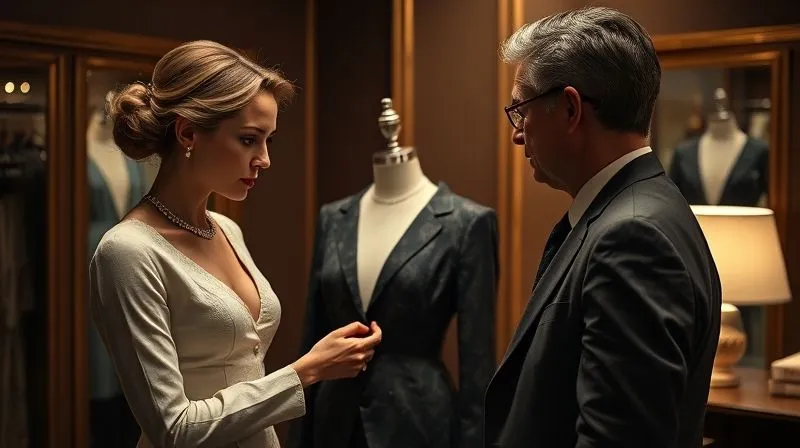
- Private Viewings and Appointments: Offer exclusive, one-on-one viewings either virtually or in a discreet, elegant setting. This allows for personalized service and a deeper connection.
- Curated Events and Pop-ups: Partner with luxury boutiques, art galleries, or high-end antique dealers for exclusive pop-up events. Target events frequented by your ideal clientele.
- Direct Marketing and Personal Introductions: Build a curated list of collectors and reach out directly with personalized emails or even physical lookbooks tailored to their known preferences. Leverage introductions from trusted contacts.
- Partnerships with Luxury Concierge Services: Collaborate with concierge services that cater to high-net-worth individuals. They can introduce your collection to clients seeking unique and exclusive items.
- Luxury Publications and Influencers: Seek editorial features in high-end fashion magazines or partner with micro-influencers who genuinely embody luxury and have an authentic following in the vintage space.
The Digital Showcase: Platforms and Personalization
While personal connections are vital, a sophisticated digital presence is non-negotiable. Your online showcase must mirror the exclusivity and quality of your physical offerings, catering to the luxury buyer's expectation of a seamless, elegant digital experience.
A generic e-commerce site won't cut it. You need platforms that reflect your brand's prestige and offer bespoke functionalities.
- Bespoke Website Experience: Invest in a custom-designed website that exudes luxury. It should be visually stunning, easy to navigate, and mobile-responsive. Features should include high-resolution imagery, detailed descriptions, and secure payment gateways.
- Luxury Marketplaces: Consider exclusive online marketplaces that cater specifically to high-end goods, like 1stDibs or Vestiaire Collective (for certain segments). These platforms already attract the desired clientele and offer built-in trust mechanisms.
- Private Digital Galleries: For your most exclusive pieces, create password-protected digital galleries that you can share directly with specific collectors. This adds an extra layer of exclusivity.
- Social Media for HNWI: While general social media can be noisy, platforms like Instagram can be used strategically. Focus on stunning visual storytelling, behind-the-scenes glimpses of restoration or authentication, and engaging with luxury lifestyle accounts. Avoid overt sales pitches; instead, cultivate an aspirational brand image.
Remember, your digital presence is often the first touchpoint. It must communicate expertise, exclusivity, and an unwavering commitment to quality. For further insights on digital luxury, explore resources like McKinsey's reports on the luxury market.
Beyond the Sale: Cultivating Long-Term Relationships
The transaction isn't the end; it's the beginning of a potentially long and fruitful relationship. Luxury buyers often return to sellers they trust and admire. Cultivating these relationships is paramount for repeat business and word-of-mouth referrals within their exclusive circles.
I've always found that the true mark of a successful luxury vintage dealer is not just making a sale, but turning a buyer into a lifelong client and advocate.
- Exceptional Aftercare: Provide detailed care instructions, recommendations for specialized dry cleaners or conservators, and even offer follow-up consultations.
- Exclusive Access: Offer existing clients first dibs on new acquisitions, private previews, or invitations to exclusive events. Make them feel like VIPs.
- Personalized Communication: Remember their preferences, their past purchases, and send personalized updates about new arrivals that align with their interests. A handwritten thank-you note after a purchase goes a long way.
- Community Building: If appropriate, consider creating a small, exclusive community (online or offline) for your top collectors. This fosters a sense of belonging and shared passion.
- Advisory Services: Position yourself as an expert advisor for their collection, offering insights on market trends, storage, or even sourcing specific pieces for them. This solidifies your authority and value.
By focusing on building genuine, long-term relationships, you transform one-time buyers into loyal patrons who will not only purchase repeatedly but also advocate for your brand among their peers, which is invaluable in the luxury sector. For more on relationship marketing in luxury, consider resources like those from the Harvard Business Review.
Frequently Asked Questions (FAQ)
Q: How do I price a 1950s haute couture gown from a less-known designer compared to a famous one? A: For less-known designers, focus heavily on exceptional craftsmanship, unique design elements, fabric quality, and historical context rather than just the name. Document its provenance meticulously, perhaps highlighting its rarity. While it might not fetch Dior prices, a pristine, unique piece with a compelling story can still command a significant luxury premium, especially if it resonates with a collector looking for something truly individual.
Q: What are the biggest red flags for luxury buyers when considering 1950s vintage? A: The primary red flags are lack of verifiable authenticity, poor condition (especially irreversible damage), and vague or unprofessional photography/descriptions. Inconsistent sizing information, undisclosed alterations, and a lack of transparency about an item's history also deter discerning buyers who expect perfection and honesty.
Q: Is it better to restore a damaged 1950s vintage piece before selling, or sell it 'as is' with a detailed condition report? A: This depends on the severity of the damage and the expertise required for restoration. For minor, professional repairs that don't alter the garment's integrity, restoration can increase value. However, for significant damage requiring extensive intervention, it's often better to sell 'as is' with a comprehensive condition report, allowing the luxury buyer (who may have their own preferred conservator) to decide on restoration. Always disclose any repairs made.
Q: How important is sustainability messaging when marketing 1950s vintage to luxury buyers? A: Increasingly important. Many luxury buyers are also environmentally conscious and appreciate the inherent sustainability of vintage fashion – extending the life cycle of beautiful garments. Frame 1950s vintage as a sustainable alternative to fast fashion, a conscious choice that reduces environmental impact while offering unparalleled quality and uniqueness. This resonates strongly with modern luxury values.
Q: What role do personal stylists or fashion consultants play in reaching luxury vintage buyers? A: A significant role. Many high-net-worth individuals rely on personal stylists to curate their wardrobes. Building relationships with these stylists can open doors to a network of affluent clients. Offer them exclusive previews, detailed product knowledge, and a seamless sourcing experience. They become trusted intermediaries who can advocate for your authentic 1950s pieces.
Key Takeaways and Final Thoughts
Marketing authentic 1950s vintage to a niche luxury buyer is an art form, demanding more than just a love for fashion; it requires strategic thinking, meticulous attention to detail, and a deep understanding of human psychology. It’s about building a brand synonymous with trust, exclusivity, and unparalleled quality.
- Know Your Buyer: Understand their motivations for collecting beyond mere aesthetics.
- Authenticate Rigorously: Provide undeniable proof of provenance and condition.
- Tell a Story: Weave compelling narratives that connect emotionally and historically.
- Present Flawlessly: Invest in professional visuals and a luxurious unboxing experience.
- Price Strategically: Reflect true value, rarity, and market insights.
- Engage Exclusively: Focus on personalized outreach and relationship building.
- Cultivate Loyalty: Turn buyers into advocates through exceptional aftercare and VIP access.
By adopting these expert-level strategies, you won't just sell vintage clothing; you'll become a trusted curator and purveyor of wearable history. Your journey to effectively market authentic 1950s vintage to a niche luxury buyer begins with embracing this holistic, value-driven approach. Go forth and share these timeless treasures with the discerning collectors who truly appreciate them.
Recommended Reading
- Halve Fashion Returns: Your Guide to Accurate Body Scan Data
- 7 Ways to Spot True Luxury Investment Pieces vs. Overrated Trends
- Beyond Sponsored Posts: 7 Proven Streams for Fashion Blog Income?
- 5 Steps to Truly Inclusive Activewear Sizing for Diverse Body Types
- Mastering Luxury Launches: 7 Ways to Prevent Exclusive Collection Failures

Your email address will not be published. Required fields are marked *