

How to Discern True Luxury Investment Pieces from Overrated Trends?
For over two decades in the luxury fashion sphere, I've witnessed firsthand the cyclical nature of style – the meteoric rise of 'it' items and their inevitable, often swift, descent into obsolescence. It's a landscape I've navigated for discerning clients and personal collections alike, and I've seen countless individuals make the mistake of conflating exorbitant price tags with genuine, enduring value.
The problem isn't a lack of desire for luxury; it's the overwhelming noise of marketing hype, social media trends, and celebrity endorsements that often obscure the fundamental qualities of a true investment piece. Many find themselves with wardrobes full of expensive items that no longer spark joy or hold their value, purchased in the heat of a trend cycle, rather than with a strategic, long-term vision.
This article isn't just another fashion guide; it's a deep dive into the philosophy, mechanics, and practical strategies I've honed over years to help you master the art of discernment. I'll equip you with actionable frameworks, real-world insights, and a critical lens to confidently identify true luxury investment pieces that will enrich your wardrobe and potentially appreciate over time, steering clear of fleeting fads that ultimately diminish your investment.
Understanding the Core Philosophy of Luxury Investment
Before we delve into specifics, it's crucial to grasp the mindset behind a luxury investment. It's not about conspicuous consumption; it's about acquiring items that embody enduring design, superior craftsmanship, and a narrative of heritage. These pieces transcend seasonal shifts and become pillars of personal style.
Beyond Price Tag: Defining True Value
A high price tag alone does not an investment make. True value in luxury fashion is multifaceted. It encompasses the intrinsic quality of materials, the meticulousness of construction, the timelessness of the design, and the brand's legacy. As a veteran in this industry, I've observed that items which hold their value, or even appreciate, are those where every element, from the initial sketch to the final stitch, reflects a commitment to excellence.
Consider the difference between a mass-produced item with a designer label and a handcrafted piece from a maison with generations of expertise. The latter often tells a story, carries a soul, and possesses a tangible quality that mass production simply cannot replicate. This is the essence of true value.
The Psychology of Enduring Desire
Why do some luxury items maintain their allure for decades while others fade? It's often rooted in a blend of psychological factors: rarity, cultural significance, and a powerful brand narrative. Brands that cultivate an aura of exclusivity and tradition, rather than chasing every passing trend, tap into a deeper human desire for authenticity and permanence. This creates a sustained demand that underpins an item's investment potential.
The Anatomy of a Timeless Piece: What to Look For
Identifying a true luxury investment piece requires a keen eye and an understanding of specific attributes. I've developed a checklist over the years that I share with my most discerning clients.
Uncompromising Craftsmanship and Materials
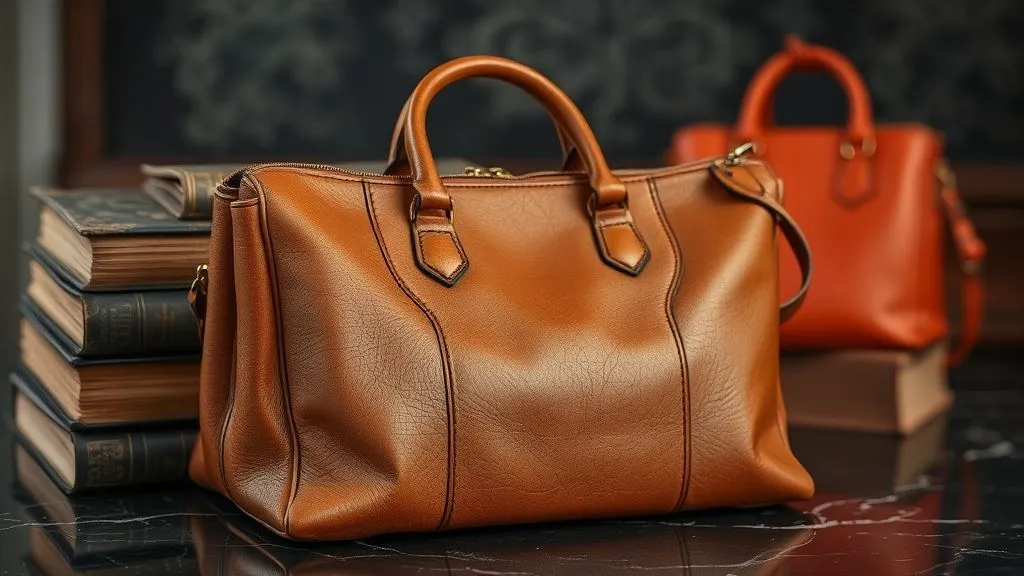
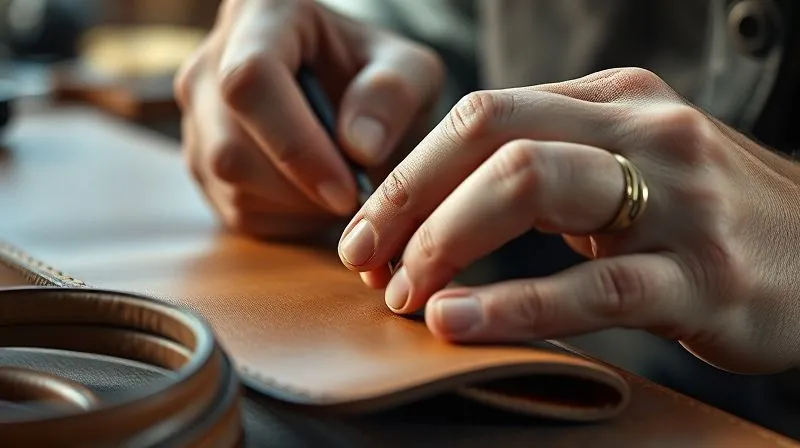
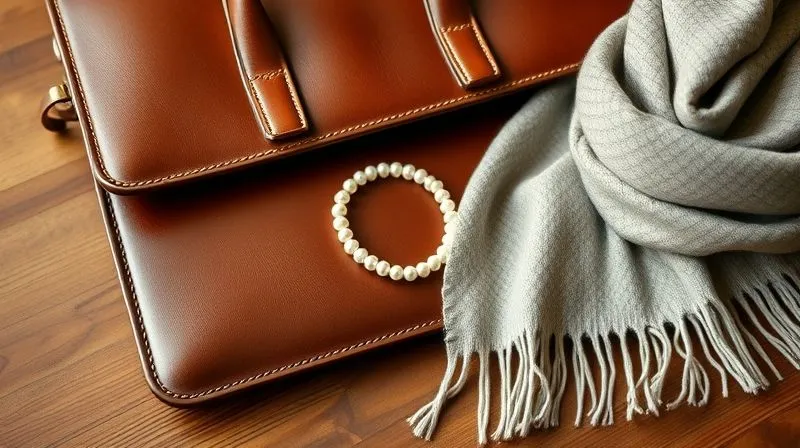
This is arguably the most critical factor. Look for evidence of exceptional quality: precision stitching, perfectly matched patterns, robust hardware, and luxurious, durable materials. For leather goods, examine the grain, feel, and finish. Is it full-grain leather that will develop a beautiful patina, or a cheaper, coated alternative? For garments, analyze the fabric composition (natural fibers like cashmere, silk, virgin wool are preferred), the lining, and the integrity of seams. A true investment piece is built to last, often for generations.
Design Integrity and Aesthetic Longevity
A timeless design is one that is elegant, balanced, and devoid of excessive ornamentation that might date it. Think classic silhouettes, neutral palettes, and functional forms. These pieces serve as the foundation of a versatile wardrobe, easily integrated with different styles and trends over the years. They are not designed to shout but to whisper enduring sophistication.
Heritage and Brand Story
Brands with a rich history and a consistent design philosophy often produce investment-worthy items. Their commitment to their legacy translates into products that adhere to high standards and maintain a distinct identity. Research the brand's origins, its iconic designs, and its reputation for quality. Brands like Hermès, Chanel, Louis Vuitton, and Rolex have built their empires on this very principle, creating pieces that are instantly recognizable yet perpetually relevant.
Deconstructing Trends: Identifying Fleeting Fads
The fashion industry thrives on novelty, but not all novelty is created equal. Learning to differentiate between a passing trend and an emerging classic is key to smart investing.
The Hype Cycle: From Novelty to Saturation
Most trends follow a predictable trajectory: they emerge as novelties, gain traction among early adopters, reach peak popularity (often fueled by social media and celebrity endorsements), and then swiftly decline as saturation sets in. An item that is ubiquitous one season is often considered 'over' the next. Investment pieces, conversely, resist this cycle, maintaining a steady, underlying desirability.
Red Flags: Overly Specific or Gimmicky Designs
Be wary of items that are hyper-specific to a particular season, era, or aesthetic. Exaggerated logos, unconventional materials that lack durability, or designs that prioritize shock value over elegance are often indicators of a fleeting trend. While fun for a moment, these items rarely retain their appeal or value. As marketing guru Seth Godin often says, the 'new' often quickly becomes 'old' when it lacks a deeper purpose or connection.
| Characteristic | Design Philosophy | Material Quality | Brand Approach | Resale Potential |
|---|---|---|---|---|
| True Luxury Investment | Timeless, Versatile, Enduring | Exceptional, Durable, Natural | Heritage, Craftsmanship, Exclusivity | High, Stable, or Appreciating |
| Overrated Trend | Seasonal, Specific, Novelty-driven | Variable, Often Synthetic, Less Durable | Hype, Fast Fashion Adaptations, Mass Appeal | Low, Rapid Depreciation |
The Resale Market as Your Barometer
The secondary market is an invaluable tool for discerning the true investment potential of a luxury item. It offers a clear, data-driven perspective on what pieces genuinely hold their value.
Tracking Value Retention
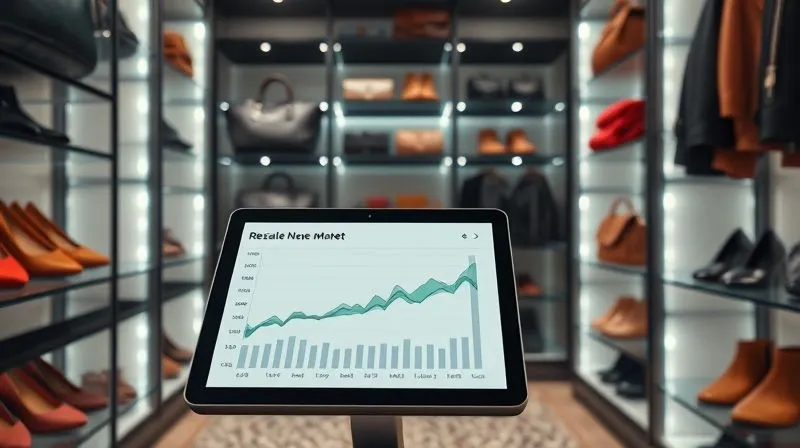
Before making a significant purchase, research how similar items from the same brand and collection perform on reputable resale platforms. Does a particular handbag model consistently sell for a high percentage of its original retail price? Does its value even increase over time, especially for rare or limited-edition pieces? This is a strong indicator of an item's investment status. According to a Deloitte study on the luxury resale market, certain heritage luxury bags can retain up to 80% of their value, and some even appreciate beyond retail price, a stark contrast to trendy items that often lose 50-70% of their value immediately after purchase.
Platforms and Authenticity
Utilize established luxury resale platforms such as Vestiaire Collective, The RealReal, or Sotheby's for high-value collectibles. These platforms often employ rigorous authentication processes, providing peace of mind and accurate pricing data. Their curated selections also give you a pulse on what's genuinely sought-after versus what's merely abundant.
Building Your Investment Wardrobe: A Strategic Approach
Cultivating an investment-worthy wardrobe isn't about buying the most expensive items; it's about making smart, informed choices that align with your personal style and long-term goals.
Focus on Foundation Pieces
Start with classics: a well-tailored trench coat, a versatile leather handbag, classic pumps, a quality watch, or a simple diamond stud. These are the workhorses of any wardrobe, providing timeless elegance that can be dressed up or down. They are the anchor points around which you can experiment with more trendy, less expensive accessories.
The "Cost Per Wear" Metric
This is a concept I preach vigorously. Instead of looking at the upfront cost, consider how many times you'll wear or use an item. A €2000 coat worn 200 times costs €10 per wear. A €200 trendy jacket worn 5 times costs €40 per wear. The luxury investment piece often proves to be the more economical choice in the long run. It's a pragmatic approach to luxury that shifts focus from price to true value and utility.
Actionable Steps for Building a Sustainable Luxury Wardrobe:
- Define Your Personal Style: Understand what truly resonates with you, not just what's popular. This prevents impulsive, trend-driven purchases.
- Research Thoroughly: Before any significant purchase, delve into the brand's history, craftsmanship, and resale value. Read reviews and seek expert opinions.
- Prioritize Quality Over Quantity: Invest in fewer, higher-quality items that will last and retain their appeal, rather than many disposable pieces.
- Consider Versatility: Choose pieces that can be styled in multiple ways and suit various occasions, maximizing their cost per wear.
- Care for Your Investments: Proper maintenance and storage are crucial for preserving the condition and value of your luxury items.
The Role of Sustainability and Ethical Sourcing
In today's conscious consumer landscape, the long-term value of a luxury item is increasingly intertwined with its ethical and environmental footprint. This is a critical aspect of how to discern true luxury investment pieces from overrated trends.
Beyond Greenwashing: Genuine Commitment
Authentic luxury brands are increasingly transparent about their supply chains, sourcing practices, and labor conditions. They invest in sustainable materials, ethical production methods, and contribute positively to communities. This isn't merely a marketing tactic; it's a fundamental shift that resonates with modern values and adds another layer of 'investment' to a piece. Consumers are more educated than ever, and a brand's genuine commitment to sustainability enhances its authority and trustworthiness, which in turn bolsters the desirability and long-term value of its products.
Impact on Long-Term Value
As consumer preferences shift towards more responsible consumption, items from brands with strong ethical credentials are likely to hold their value better and appeal to a broader, more conscious market in the future. This foresight is crucial for any true luxury investment. A piece that is beautiful but carries a questionable ethical background may face diminishing appeal over time.
Case Study: The Hermès Birkin vs. The 'It' Bag of the Season
Why One Endures and the Other Fades
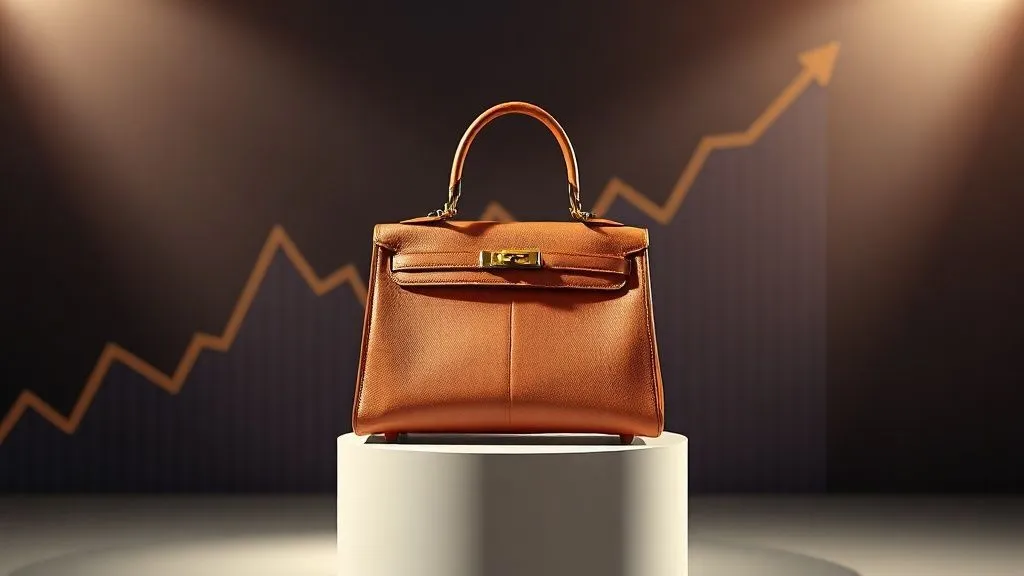
Let's take a classic example from my experience: the Hermès Birkin bag versus a highly publicized 'it' bag from a contemporary designer that dominates fashion week for a single season. The Birkin, with its stringent production, exceptional leather, hand-stitched construction, and waiting list, is a prime example of a luxury investment. Its value has consistently appreciated, often selling for more than its retail price on the secondary market. It's a symbol of timeless elegance and craftsmanship, not fleeting trendiness.
Conversely, the 'it' bag, while initially commanding high prices and significant media attention, often sees its value plummet as soon as a new trend emerges. Its appeal is tied to novelty and marketing hype, rather than intrinsic design or enduring quality. This stark contrast perfectly illustrates how to discern true luxury investment pieces from overrated trends.
Case Study: How Hermès Maintained Its Investment Status
Hermès, a brand I've followed closely for decades, has masterfully navigated the luxury landscape. Their strategy isn't about mass production or chasing micro-trends; it's about upholding an unwavering commitment to unparalleled craftsmanship, using the finest materials, and maintaining an aura of exclusivity. They've consciously limited production, fostering a sense of rarity and desirability. This approach, combined with iconic, unchanging designs like the Birkin and Kelly, has allowed their core products to not just retain value, but often appreciate, defying typical depreciation seen in other luxury goods.
| Attribute | Hermès Birkin (Investment) | 'It' Bag (Trend) |
|---|---|---|
| Brand Strategy | Limited Production, Heritage-focused, Exclusivity | High Production, Trend-driven, Widespread Marketing |
| Design Longevity | Timeless, Iconic Silhouette, Unchanged for Decades | Seasonal, Distinctive to a Specific Era, Quickly Dates |
| Material & Craftsmanship | Finest Leathers, Hand-stitched, Meticulous Detail | Variable Quality, Often Machine-made, Less Durable |
| Resale Value Trajectory | Appreciation, Stable High Value | Rapid Depreciation, Low Secondary Market Value |
Expert Insights: My Personal Framework for Discernment
After years of observation and engagement with the luxury market, I've distilled my approach to a simple, yet powerful framework:
“True luxury isn't about what's new or what's expensive. It's about what endures. It’s the whisper of quality, not the shout of a trend. It’s the item that becomes more cherished with age, not less.”
This philosophy guides every acquisition recommendation I make. It encourages a shift from impulsive buying to thoughtful curation, from chasing fleeting desires to building a legacy of style.
I always advise my clients to ask themselves three key questions before investing:
- Does this piece align with my core personal style, independent of current trends? If it feels like a costume or something you're buying just because everyone else is, reconsider.
- Is the craftsmanship and material quality genuinely exceptional, built to withstand the test of time? Inspect every detail. If it doesn't feel substantial, it likely isn't.
- Does the brand have a history of producing enduring designs and maintaining high standards? A consistent track record is often a better indicator than a sudden surge in popularity.
Frequently Asked Questions (FAQ)
Q: How long should I wait before deciding if a luxury item is an investment or a trend? Generally, I advise waiting at least one full fashion cycle, typically 6-12 months, after an item's initial hype. If its desirability and presence in discerning circles persist beyond the initial buzz, it has a higher chance of being an investment. For truly timeless pieces, their appeal is often evident from the outset due to their classic design and brand heritage, transcending seasonal timelines.
Q: Are all vintage luxury items considered investment pieces? Not necessarily. While many vintage pieces offer great value and unique character, their investment status depends on the same criteria as new items: brand legacy, original quality, condition, and rarity. A vintage Chanel flap bag is a strong investment, whereas a vintage item from a brand that was trendy for only a few years might not be, even if it's old. Condition plays a paramount role; a poorly maintained vintage piece will have significantly diminished value.
Q: What role does brand recognition play in an item's investment potential? Brand recognition is crucial, but specifically, it's about the brand's established reputation for quality and timelessness, not just widespread popularity. Brands like Rolex, Hermès, and Cartier have built their recognition on decades, if not centuries, of consistent excellence and iconic designs. This deep-rooted recognition translates into sustained demand and higher resale values, making their products more reliable investments compared to brands whose popularity might be more ephemeral.
Q: Can a trendy item ever become an investment piece later on? It's rare, but not impossible. Sometimes, a highly influential or culturally significant 'it' item from a particular era can gain collector status years later, particularly if it was limited edition and represents a pivotal moment in fashion history. However, this is largely unpredictable and should not be relied upon as a strategy for how to discern true luxury investment pieces from overrated trends. It's an exception, not the rule, and often requires a confluence of factors like scarcity, celebrity association, and enduring cultural impact.
Q: Is investing in luxury fashion a reliable financial investment? While certain luxury items, particularly rare handbags (like some Hermès Birkins) or watches, have outperformed traditional investments in specific periods, it's important to view luxury fashion primarily as an investment in your personal style, quality, and legacy, rather than a guaranteed financial asset. Market fluctuations, changing tastes, and condition can all impact value. The true 'return' is often in the enduring pleasure, utility, and aesthetic value it brings to your life. For financial advice, always consult a certified financial advisor.
Key Takeaways and Final Thoughts
- Discernment is Key: The ability to differentiate between hype and genuine value is your most powerful tool.
- Quality Over Quantity: Prioritize impeccable craftsmanship, durable materials, and timeless design.
- Research the Resale Market: Use secondary market data to gauge true value retention and demand.
- Embrace Longevity: Choose pieces that align with your personal style and can be worn for years, if not decades.
- Consider Sustainability: Ethical sourcing and brand transparency are increasingly important for long-term value.
Navigating the complex world of luxury fashion requires more than just a sizable budget; it demands knowledge, patience, and a refined eye. By applying the principles and frameworks I've shared, you're not just buying luxury items; you're curating a collection of enduring beauty and value. Embrace the journey of becoming a truly discerning collector, and your wardrobe will thank you for years to come.
Recommended Reading
- 7 Essential Strategies: Differentiate Your New Womenswear Accessories Brand
- Unveiling the Secrets: How Couturiers Achieve Haute Couture Precision
- Predicting Hypebeast Trends: 7 Strategies for Smart Inventory Planning
- 7 Steps to Earn Consumer Trust in New Cosmetic Innovations
- How to Maintain Creative Integrity with Restrictive Fashion Briefs

Your email address will not be published. Required fields are marked *