

Unlocking Haute Couture Precision: The Couturier's Meticulous Art
Have you ever gazed upon a haute couture gown, perhaps gliding down a Parisian runway or gracing a red carpet, and found yourself utterly mesmerized by its flawless execution, its seemingly impossible perfection? It’s a common reaction. These aren’t just clothes; they are wearable masterpieces, each a testament to an art form that defies the norms of mass production.
But beyond the dazzling spectacle and the astronomical price tags, a fundamental question often arises: How do couturiers achieve haute couture precision? What unseen processes, what profound dedication, what ancient techniques, and what modern innovations coalesce to create garments that fit like a second skin, flow like liquid, and sparkle with unparalleled intricacy?
This article will pull back the velvet curtain, inviting you into the hallowed ateliers where magic is meticulously made. We will demystify the rigorous journey from initial sketch to final stitch, revealing the precise techniques, the unwavering commitment to quality, and the profound philosophy that underpins every single haute couture creation. Prepare to discover the true artistry behind fashion’s most exclusive domain.
The Foundation: Uncompromising Design and Pattern Mastery
Precision in haute couture begins long before a needle touches fabric. It starts with an uncompromising vision and an almost architectural approach to design and pattern making. This foundational stage is where the garment’s ultimate fit, form, and flow are meticulously engineered.
Vision to Blueprint: Initial Sketches and Draping
Every haute couture piece starts as a vision, often captured in a designer’s initial sketches. However, these are merely starting points. The true translation of vision to tangible form often happens through draping – the art of manipulating fabric directly on a dress form. This hands-on process allows couturiers to understand how different textiles behave, how they fall, gather, and flow, and how they interact with the human body. It’s an iterative process of pinning, cutting, and adjusting, transforming a two-dimensional idea into a three-dimensional sculpture.
The Art of the Toile: Perfecting the Silhouette
Once the initial drape provides a conceptual shape, the next critical step is the creation of the toile (pronounced “twahl”). A toile is a preliminary version of the garment, typically made from inexpensive cotton muslin. This allows the atelier to refine the design, test construction methods, and, most importantly, perfect the fit and silhouette without wasting precious, often prohibitively expensive, final fabric. Every seam, dart, and curve is adjusted until the toile hangs and fits flawlessly, becoming the precise blueprint for the final garment. This stage alone can involve multiple iterations and hundreds of hours of work, ensuring every line is perfect.
Precision Pattern Making: The Blueprint of Perfection
From the perfected toile, a master pattern maker creates the final paper patterns. This is a highly specialized skill, requiring an acute understanding of geometry, anatomy, and fabric properties. Each pattern piece is meticulously drafted, often adjusted to the millimeter, to ensure seamless construction and an impeccable fit. These patterns are the definitive guide for cutting the exquisite outer fabric and lining, guaranteeing that the garment will come together with absolute precision. Errors at this stage can be disastrous, making the pattern maker’s role paramount.
Fabric Selection: More Than Just Material
The choice of fabric in haute couture is not merely aesthetic; it is fundamental to achieving precision and the desired drape. Couturiers treat fabrics as living entities, understanding their unique properties and how they will contribute to the garment’s final form and movement.
The Quest for Exquisite Textiles
Haute couture houses source the world’s most luxurious and rare textiles – silks, satins, organzas, tweeds, brocades, and intricate laces. These are often custom-woven or hand-embroidered specifically for a collection, making them truly unique. The quality of the fiber, the weave, and the finish all play a crucial role in how the fabric will perform under the needle and on the body. Inferior fabric simply cannot yield the desired level of precision and luxurious feel.
Understanding Fabric Behavior for Flawless Execution
A couturier’s understanding of fabric behavior is encyclopedic. They know how silk charmeuse will bias-cut and cling, how stiff duchess satin will hold architectural volume, or how delicate chiffon will require specific handling to prevent puckering. This intimate knowledge dictates cutting techniques, seam finishes, and even the type of needle and thread used. For instance, working with a highly fluid fabric like silk requires extreme patience and a steady hand to maintain precision, as even the slightest misstep can distort the garment. Haute Couture, by definition, requires hand-finishing, and this attention to detail extends to every fiber.
Artisanal Techniques: Handcrafting Excellence
The true heart of haute couture precision lies in the unparalleled artisanal techniques employed. While ready-to-wear relies heavily on machines, haute couture is almost entirely handcrafted, often involving hundreds, if not thousands, of hours of painstaking labor.
The Invisible Stitch: Hand Sewing Techniques
One of the hallmarks of haute couture is the near-invisibility of its construction. Seams are often hand-stitched with such finesse that they disappear into the fabric, creating a seamless, flowing silhouette. Techniques like the French seam, the bound seam, and various forms of felling are employed to create clean, durable, and beautiful interior finishes. Every stitch is a deliberate act, ensuring tension is perfect, and alignment is exact. This meticulous handwork allows for a level of control and subtlety simply unachievable by machine.
Embellishment as Engineering: Embroidery and Beading
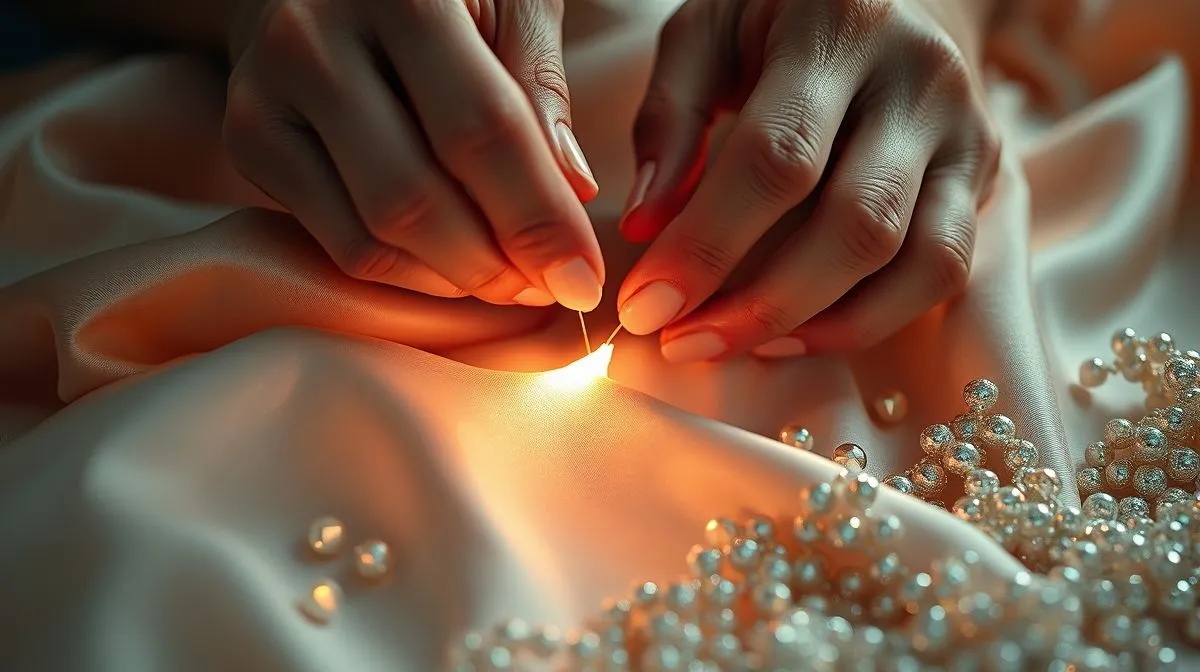
Many haute couture pieces are renowned for their exquisite embellishments – intricate embroidery, sparkling beading, and delicate appliqué. This is not merely decorative; it is an integrated part of the garment’s structure and design. Artisans, often specialists in separate ateliers (like Maison Lesage for embroidery or Atelier Montex for specialized embellishments, both part of Chanel’s Métiers d’Art), spend countless hours meticulously applying each bead, sequin, or thread. The placement must be exact, the tension consistent, and the overall effect harmonious, contributing to the garment’s structural integrity and visual impact. This is where precision meets artistry on the smallest scale.
Mastering the Drape and Form
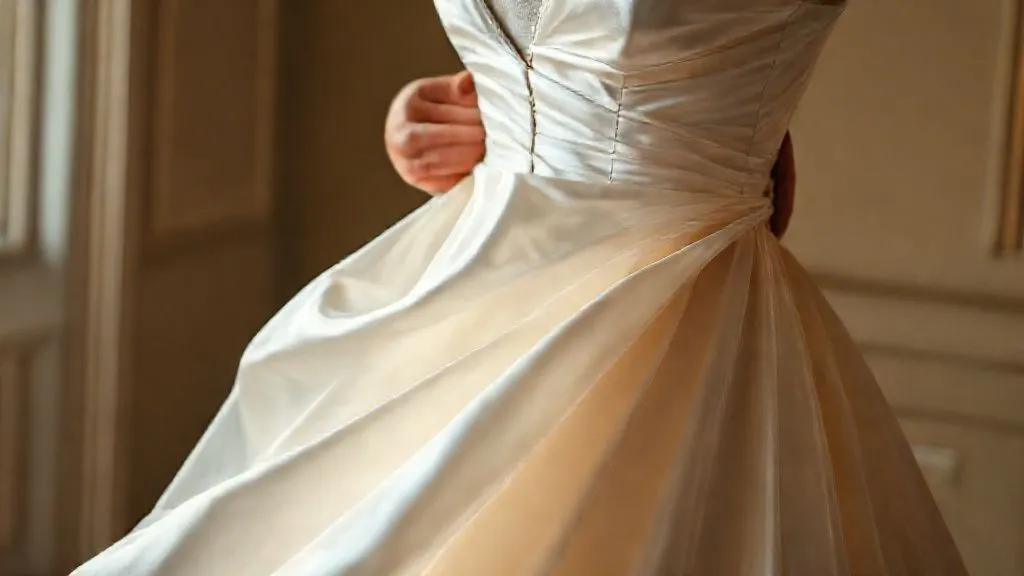
Achieving the perfect drape is a nuanced art. It involves understanding how gravity interacts with fabric, how cuts and seams influence movement, and how to create volume and fluidity simultaneously. Couturiers employ techniques like bias cutting to create garments that flow sensuously around the body, or strategic darting and pleating to sculpt fabric into architectural forms. The mastery of these techniques ensures that the garment not only fits but moves with the wearer, expressing elegance and grace in every step.
The Role of the Atelier: A Symphony of Skilled Hands
The haute couture atelier is not just a workshop; it’s a highly specialized ecosystem of artisans, each contributing their unique expertise to the creation of a single garment. This collaborative, yet deeply individual, approach is crucial to achieving unparalleled precision.
Specialization within the Atelier (Flou, Tailleur)
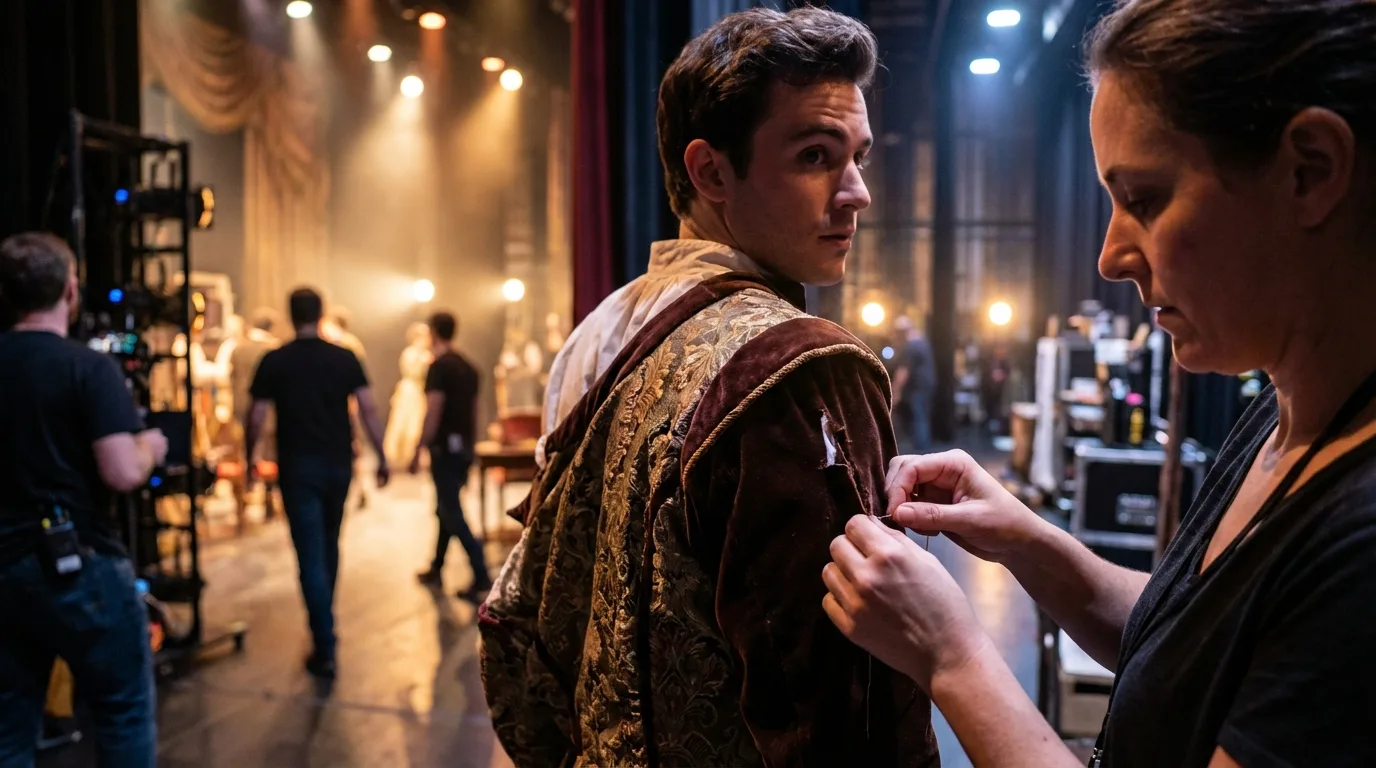
Within a couture house, there are typically two main ateliers: the flou (“floaty”) atelier, which specializes in delicate dresses, blouses, and soft garments, and the tailleur (“tailor”) atelier, focused on structured suits, coats, and more architectural pieces. Each atelier is staffed by premières (head seamstresses) and petites mains (literally “little hands” – the highly skilled seamstresses and tailors). This specialization ensures that each garment is handled by experts proficient in the specific techniques required for its construction. The petites mains often begin their careers as apprentices, undergoing years of rigorous training to master the exacting standards of haute couture. Their collective experience and dedication are the backbone of precision.
The Rigor of Fittings: Perfecting the Fit
Unlike ready-to-wear, haute couture garments are made to measure for individual clients, requiring multiple fittings – often three to five, or even more for complex pieces. During these fittings, the garment is meticulously adjusted on the client’s body. This is where true custom precision comes into play. Every curve, every posture nuance, every desired movement is taken into account. Pins are inserted, chalk lines are drawn, and adjustments are made directly on the garment, ensuring a fit that is absolutely unique and perfectly flattering. This iterative process of fitting and refining is essential to the final, flawless outcome.
Quality Control: An Obsessive Pursuit
Every step of the haute couture process is subject to relentless quality control. From the initial cutting of the fabric to the final press, nothing is overlooked. Seams are checked for evenness, stitches for consistency, embellishments for security, and the overall garment for balance and symmetry. This obsessive pursuit of perfection means that any deviation, no matter how minor, is corrected immediately. It’s a culture where “good enough” is simply not an option, and this uncompromising standard is central to how do couturiers achieve haute couture precision.
Innovation and Tradition: Balancing the Old with the New
While steeped in centuries of tradition, haute couture is not static. It constantly evolves, integrating new technologies and materials while fiercely protecting its artisanal heritage. This balance is key to its enduring relevance and its ability to push the boundaries of precision.
Embracing New Technologies (where appropriate)
While handcraftsmanship remains paramount, couture houses are not averse to embracing new technologies where they can enhance precision or efficiency without compromising artistry. For instance, advanced CAD (Computer-Aided Design) software might be used for initial pattern drafting, or laser cutting for highly intricate, repetitive shapes on certain materials. However, the finishing and true construction will always revert to the hand, ensuring that the human touch and the nuanced understanding of fabric remain at the core. The goal is to leverage technology to achieve even greater levels of accuracy in initial stages, freeing up artisans to focus on the intricate handwork that defines couture.
Preserving Legacy Techniques
Simultaneously, haute couture is a guardian of disappearing crafts. Techniques like intricate lacemaking, feather work (plumasserie), specialized pleating (pliage), and traditional embroidery methods are painstakingly preserved and passed down through generations of artisans. The Fédération de la Haute Couture et de la Mode, which governs haute couture, plays a vital role in upholding these standards. This dedication to legacy techniques ensures that the unique, unreplicable precision of true handcraftsmanship continues to define the art form.
The Philosophy of Precision: Patience, Passion, and Perfection
Ultimately, the precision seen in haute couture is not just about techniques or tools; it’s about a profound philosophy that permeates every aspect of the work. It’s a mindset of unwavering dedication and an almost spiritual commitment to the craft.
The Unseen Hours of Dedication
A single haute couture garment can take hundreds, sometimes thousands, of hours to create. This is time spent meticulously stitching, embroidering, fitting, and refining. It’s a testament to patience – the willingness to spend countless hours on a single detail, knowing that every single stitch contributes to the overall perfection. This dedication is often unseen by the public, but it is the very essence of couture’s exclusivity and quality.
A Commitment to Uncompromising Standards
For couturiers, precision isn’t just a goal; it’s a fundamental principle. There is an inherent understanding that every garment is a work of art, and as such, it must be perfect in every conceivable way. This commitment extends beyond the visible aspects to the garment’s hidden interior, its durability, and its comfort. It’s a standard that demands absolute excellence, pushing the boundaries of what is humanly possible in garment creation.
Frequently Asked Questions (FAQ)
What defines haute couture precision? Haute couture precision is defined by an unparalleled attention to detail, flawless fit, seamless construction, and the use of exquisite, often hand-applied, techniques. It’s about creating a garment that is custom-made, perfectly balanced, and aesthetically perfect from every angle, inside and out.
How long does it take to create a haute couture garment? The time required varies greatly depending on the complexity of the design, but a single haute couture garment can take anywhere from 100 to over 2,000 hours of work. Embellished gowns often require the most time due to the intricate hand-application of beads, sequins, and embroidery.
Are machines ever used in haute couture? While the vast majority of haute couture construction and finishing is done by hand, machines may be used for specific tasks like initial fabric cutting or basic seaming on certain components. However, the critical elements – fitting, shaping, intricate embellishment, and final assembly – are always performed by skilled artisans using traditional hand techniques.
What is the role of the ‘petite main’ in achieving precision? The ‘petite main’ (literally “little hand”) is a highly skilled seamstress or tailor in a couture atelier. They are the backbone of the precision, executing the intricate hand-stitching, embellishment, and construction under the guidance of the première. Their years of training and unwavering dedication to meticulous work are crucial for the final, flawless outcome.
Recommended Reading
- Effortless Style: Comfortable Everyday Outfits for Busy Moms
- The Ultimate Guide: How to Preserve Haute Couture Runway Masterpieces Forever
- The Secret to Preserving Vintage Silk Heirlooms: A Home Guide
- Eco-Chic Fashion: Unveiling the Truth – Is It Truly Sustainable and Ethical?
- Unlocking the Secret: How Fashion Jewelry Trends Shape Design
Conclusion
The journey of a haute couture garment, from a fleeting sketch to a breathtaking reality, is a profound testament to human skill, dedication, and artistic vision. We’ve explored how couturiers achieve haute couture precision through a multifaceted approach: from the foundational mastery of design and pattern making, through the judicious selection of the finest fabrics, to the application of time-honored artisanal techniques. The collaborative environment of the atelier, with its specialized expertise and rigorous quality control, further elevates this pursuit of perfection. Ultimately, it is a philosophy rooted in patience, passion, and an uncompromising commitment to excellence that truly defines this unparalleled art form. Haute couture is more than just fashion; it is a living legacy of craftsmanship, a benchmark of quality, and an enduring symbol of what is possible when human hands and minds unite in the pursuit of absolute beauty and precision.



Your email address will not be published. Required fields are marked *