

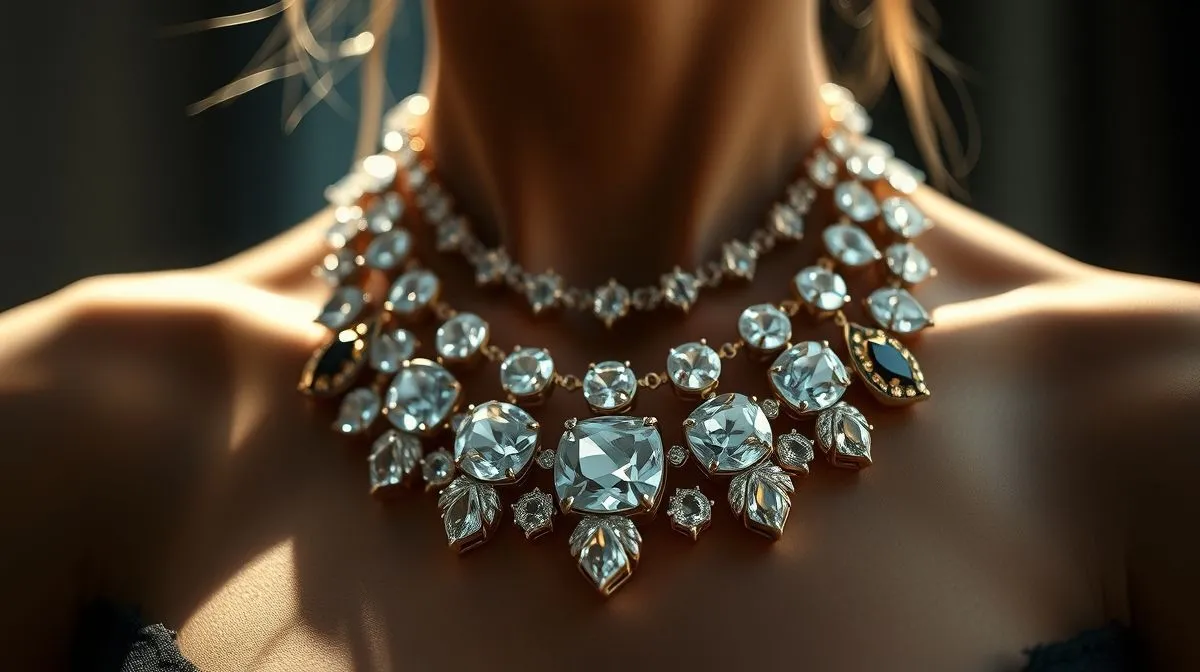
How Do Fashion Jewelry Trends Influence Design? Unveiling the Dynamic Connection
Have you ever wondered why certain jewelry styles seem to appear everywhere, only to fade and be replaced by something entirely new? From chunky chain necklaces to delicate layered pieces, the world of fashion jewelry is in constant flux. It's a vibrant, ever-evolving landscape where yesterday's must-have can quickly become tomorrow's forgotten relic. This rapid transformation is not accidental; it's the direct result of a complex interplay between cultural shifts, technological advancements, and the relentless march of fashion trends.
The core question that fascinates both designers and consumers alike is: How do fashion jewelry trends influence design? This isn't merely about what's 'in' or 'out'; it delves into the very essence of creativity, material innovation, and consumer psychology. Understanding this intricate relationship is crucial for anyone involved in the jewelry industry, from the artisan crafting unique pieces to the large-scale manufacturer producing for the global market.
This comprehensive guide will explore the multifaceted ways in which fashion jewelry trends influence design. We will dissect the mechanisms through which trends emerge, how they are adopted and adapted by designers, and the profound impact they have on material choices, production methods, and the very aesthetic language of jewelry. By the end of this reading, you will gain a profound appreciation for the dynamic forces that shape the dazzling world of adornment.
The Ephemeral Nature of Fashion and Its Echo in Jewelry
Fashion, by its very definition, is transient. It's a mirror reflecting the current societal mood, technological capabilities, and economic climate. Jewelry, as an integral part of fashion, inevitably dances to the same rhythm. What begins on haute couture runways or emerges from street style subcultures eventually trickles down, influencing everything from the cut of a gemstone to the finish of a metal.
Understanding Trend Cycles
Jewelry trends operate within distinct cycles, ranging from fleeting micro-trends that last a single season to macro-trends that define an era. Micro-trends might involve a specific charm motif or a particular color palette. In contrast, macro-trends, like the rise of minimalist aesthetics or the demand for sustainable practices, have a much longer lifespan and a more profound impact on design philosophies.
Designers must constantly monitor these cycles, discerning between a passing fad and a significant shift in consumer preference. This foresight allows them to innovate and adapt, ensuring their collections remain relevant and desirable. Ignoring these cycles can lead to stagnation, while over-reliance on fleeting trends can dilute a brand's identity.
The Role of Cultural Zeitgeist
Beyond the fashion industry itself, broader cultural shifts significantly impact jewelry design. Social movements, political events, technological breakthroughs, and even popular entertainment can inspire new forms and aesthetics. For instance, the growing awareness of environmental issues has fueled a strong trend towards sustainable and ethically sourced jewelry.
Consider the influence of digital culture: the rise of social media platforms has made highly visual, 'Instagrammable' jewelry incredibly popular. Pieces that photograph well, offer unique textures, or feature bold statements often gain rapid traction. This cultural zeitgeist creates a fertile ground for designers to explore new themes and narratives through their creations.
From Runway to Retail: The Trend Forecasting Pipeline
The journey of a jewelry trend often begins far from the consumer, in the specialized world of trend forecasting. These agencies act as scouts, identifying nascent ideas and predicting their trajectory, providing invaluable insights to designers and manufacturers.
Key Trend Forecasters and Agencies
Agencies like WGSN and color authorities like Pantone play a pivotal role in shaping future trends. They analyze global socio-economic data, art movements, technological advancements, and consumer behavior to identify overarching themes. Their reports often dictate everything from dominant color palettes to preferred materials and silhouettes for seasons ahead.
Jewelry designers subscribe to these services to gain a competitive edge. This allows them to start developing collections months, or even years, in advance, ensuring their offerings align with anticipated consumer desires. This proactive approach is essential in a fast-paced market.
The Influence of Haute Couture and Ready-to-Wear
The fashion runways, particularly those showcasing haute couture and ready-to-wear collections, are primary incubators for jewelry trends. High-fashion designers often collaborate with renowned jewelers or create their own statement pieces to complement their apparel. These pieces, while sometimes avant-garde and impractical for everyday wear, signal new directions in scale, material combinations, and conceptual approaches.
What starts as an experimental piece on a Parisian runway can inspire countless interpretations down the line. A bold silhouette, an unusual material pairing, or a novel way of wearing jewelry seen at a fashion show often trickles down, becoming a more wearable and mass-market accessible trend in subsequent seasons. This trickle-down effect is a fundamental aspect of how fashion jewelry trends influence design.
Material Innovations and Technological Advancements Driven by Trends
The desire for novelty and the push for sustainability often drive significant advancements in materials and manufacturing techniques. Trends don't just dictate what a piece looks like; they also influence what it's made from and how it's produced.
New Materials and Sustainability
The past decade has seen a strong trend towards ethical sourcing and sustainable practices in the jewelry industry. This has led to a surge in the use of recycled metals, responsibly mined gemstones, and innovative alternatives like lab-grown diamonds. Lab-grown diamonds, for instance, offer a conflict-free and often more affordable option, appealing to a growing segment of environmentally and socially conscious consumers.
Designers are increasingly incorporating unconventional materials such as bio-resins, reclaimed wood, recycled plastics, and even industrial components, transforming them into high-fashion pieces. This trend reflects a broader societal shift towards environmental responsibility and a desire for unique, narrative-rich objects.
Digital Design and Production
Technological advancements, particularly in digital design and manufacturing, have revolutionized jewelry creation. Computer-Aided Design (CAD) and Computer-Aided Manufacturing (CAM) allow designers to create intricate models with unparalleled precision. 3D printing, in particular, has democratized the prototyping process, enabling rapid iteration and the creation of complex geometries that were previously impossible or prohibitively expensive.
This digital revolution means designers can translate trend-inspired concepts into tangible prototypes much faster, allowing for quicker adaptation to evolving tastes. It also opens up new possibilities for customization and personalization, another significant trend in the modern market.
Consumer Demand and Social Media as Trend Catalysts
In the age of instant gratification and hyper-connectivity, consumers are no longer passive recipients of trends. They are active participants, often initiating and accelerating trends through their purchasing power and online interactions.
The Power of Influencers and Micro-Trends
Social media platforms like Instagram, TikTok, and Pinterest have become powerful trend incubators. Fashion influencers, celebrities, and even everyday users showcasing their personal style can rapidly popularize specific jewelry pieces or ways of wearing them. A single viral post can propel a niche design into mainstream popularity almost overnight.
This phenomenon has given rise to countless micro-trends, often characterized by their rapid ascent and equally rapid decline. Designers must be agile to capitalize on these fleeting opportunities, often relying on direct-to-consumer models and quick production cycles to meet sudden spikes in demand.
Personalization and Customization
A significant trend driven by consumer demand is the desire for personalization and customization. In a world of mass production, consumers increasingly seek unique pieces that reflect their individuality and tell a personal story. This has led to a surge in demand for initial necklaces, birthstone jewelry, custom engravings, and modular designs that can be adapted by the wearer.
Jewelry designers are responding by offering bespoke services, customizable options, and collections that encourage layering and mixing. This trend underscores a shift from simply following fashion to actively participating in its creation, making the consumer an integral part of the design process.
Historical Echoes and Cyclical Resurgence in Jewelry Design
While fashion is forward-looking, it also frequently draws inspiration from the past. Jewelry design is particularly susceptible to cyclical trends, with historical styles often re-emerging with a contemporary twist.
Revival of Vintage Styles
The allure of vintage and antique jewelry is enduring. Periods like the Art Deco era, the Victorian age, and the Mid-century Modern movement continue to inspire contemporary designers. We see this in the resurgence of geometric patterns, elaborate filigree work, or specific gemstone cuts that harken back to previous decades.
However, these revivals are rarely exact replicas. Modern designers reinterpret these styles, incorporating current materials, updated manufacturing techniques, and contemporary sensibilities. For instance, an Art Deco-inspired piece might feature lab-grown diamonds or recycled gold, blending historical aesthetics with modern ethical considerations.
The Enduring Appeal of Classics
Certain jewelry pieces transcend trends and are considered classics: the pearl necklace, diamond studs, the simple gold hoop earring. Yet, even these staples subtly adapt to prevailing fashion currents. Their size, texture, or the way they are worn might change slightly from season to season, reflecting the broader aesthetic. A classic gold chain, for example, might be chunky and bold one season, then delicate and layered the next, without losing its fundamental appeal.
This adaptation ensures that even the most timeless pieces remain relevant, demonstrating the subtle yet pervasive way fashion jewelry trends influence design across the entire spectrum of adornment.
The Business of Adapting: Challenges and Opportunities for Designers
For jewelry designers, navigating the ever-changing landscape of trends presents both significant challenges and exciting opportunities. It requires a delicate balance between artistic vision and commercial viability.
Balancing Innovation with Commercial Viability
The pressure to be innovative and fresh is constant. Designers must push boundaries, experiment with new forms and materials, and anticipate future desires. However, this innovation must also resonate with consumers and be commercially viable. A groundbreaking design that nobody buys is ultimately unsustainable.
This often means creating a diversified collection: some pieces that are highly trend-driven and appeal to the immediate market, alongside core, timeless designs that provide a stable revenue stream. Successful designers are those who can skillfully blend their unique artistic voice with an acute awareness of market demands.
Navigating Fast Fashion vs. Timelessness
The rise of fast fashion has accelerated trend cycles, particularly in the lower-priced jewelry market. This creates a dilemma for designers: should they chase fleeting trends to capture a larger, more immediate audience, or focus on creating timeless, high-quality pieces that appeal to a more discerning clientele?
Many independent designers and luxury brands choose the latter, emphasizing craftsmanship, longevity, and ethical production. They aim to create heirloom-quality pieces that transcend seasonal fads, appealing to consumers who prioritize value and sustainability over rapid consumption. This strategic choice is a direct response to, and an influence on, the broader trends within the industry.
Frequently Asked Questions (FAQ)
How quickly do jewelry trends change? Jewelry trends can change rapidly, often influenced by social media and fast fashion cycles. Micro-trends might last only a few months, while broader macro-trends can evolve over several years.
What is the difference between a trend and a classic in jewelry? A trend is a popular style or aesthetic that gains traction for a limited period, reflecting current tastes. A classic is a timeless design that maintains its appeal and relevance across generations, often due to its versatility, inherent beauty, or historical significance.
Can individual designers set new jewelry trends? Yes, highly influential designers, particularly those in haute couture or with strong celebrity endorsements, can certainly set new trends. Their innovative designs can inspire broader adoption and influence the market.
How important is sustainability in current jewelry trends? Sustainability is increasingly vital. Consumers are demanding ethically sourced materials, recycled metals, and transparent production processes. This has become a significant driver of design innovation and consumer choice.
What role do celebrities play in jewelry trends? Celebrities and influencers play a massive role. When a high-profile individual wears a particular piece or style, it can instantly become a highly sought-after trend, driving consumer demand and influencing designers.
Recommended Reading
- Shine On: How to Clean Diamond Jewelry at Home Safely (Easy Guide)
- Unlock Fashion Event Networking: The Blogger's Ultimate Guide to Connections
- Are Virtual Fashion Shows Eco-Friendly? The Surprising Truth Revealed
- Ultimate Guide: How to Style Fashion Lookbook Outfits
- The Hidden Dangers: What Are the Privacy Risks of Fashion Wearables?
Conclusion
The question of How do fashion jewelry trends influence design? reveals a complex and fascinating ecosystem. It's a dynamic interplay of global influences, cutting-edge technology, consumer desires, and the creative vision of designers. From the subtle shifts in material preferences to the dramatic reinterpretation of historical styles, every facet of jewelry design is touched by the ever-evolving currents of fashion.
Ultimately, jewelry design is not a static art form but a living, breathing reflection of our times. As trends continue to emerge and evolve, fueled by innovation and a growing consciousness, designers will undoubtedly continue to push the boundaries of creativity, ensuring that the world of adornment remains as captivating and expressive as ever. Embrace the fluidity, understand the influences, and watch as the next dazzling chapter of jewelry design unfolds.

Your email address will not be published. Required fields are marked *