

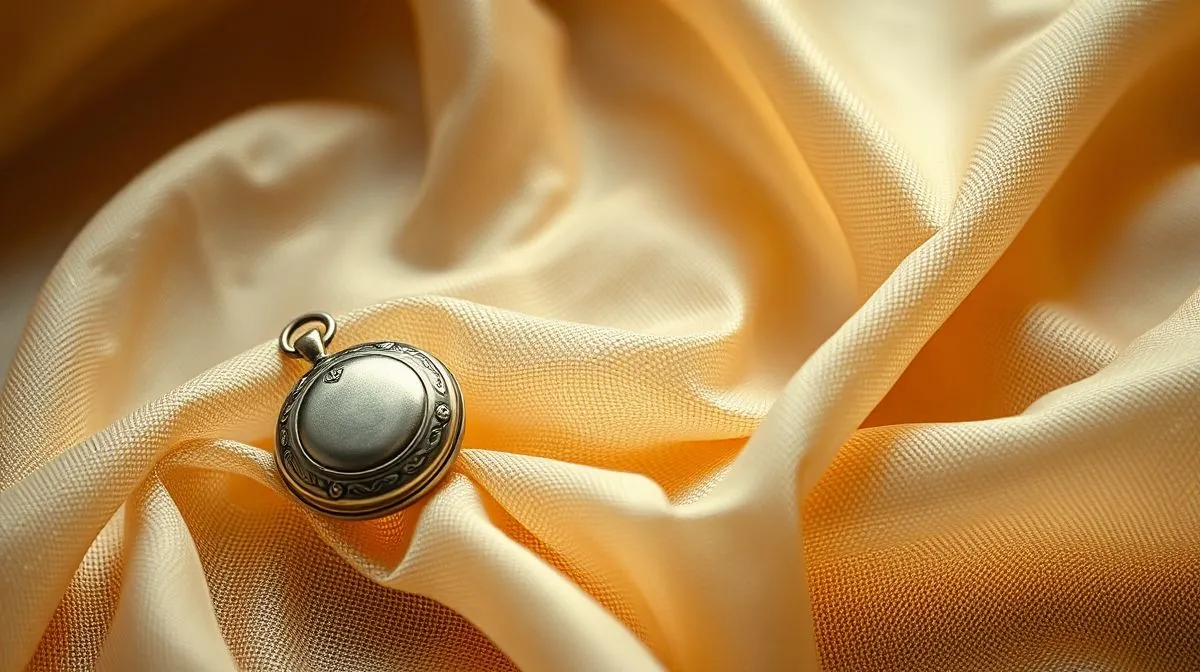
The Secret to Preserving Vintage Silk Heirloom Garments at Home: A Comprehensive Guide
Imagine holding a piece of history in your hands – a delicate silk gown worn by your grandmother, a shimmering scarf from a bygone era, or perhaps a christening gown passed down through generations. These aren't just clothes; they are tangible memories, imbued with stories and sentimental value. But how do you ensure these fragile treasures endure, resisting the relentless march of time and the subtle forces of decay?
The challenge of safeguarding vintage silk lies in its inherent delicacy. Silk, a natural protein fiber, is susceptible to a myriad of threats: light, moisture, pests, and even improper handling can cause irreversible damage, leading to discoloration, brittleness, and eventual disintegration. Many owners of these precious heirlooms face the daunting question of how to prevent such loss without professional, often costly, intervention.
This definitive guide will unravel the mysteries of textile preservation, providing you with actionable, expert-backed strategies for how to preserve vintage silk heirloom garments at home. From understanding silk's unique properties to mastering environmental control and safe handling, you'll gain the knowledge and confidence to protect your cherished pieces for generations to come, transforming anxiety into assurance.
Understanding Your Vintage Silk: A Foundation for Preservation
Before embarking on any preservation efforts, it's crucial to understand the material itself. Silk is not merely a fabric; it's a marvel of natural engineering, but one that demands respect and specific care due to its unique protein structure.
The Nature of Silk Fibers
Silk is primarily composed of two proteins: **fibroin**, which forms the structural core, and **sericin**, a gummy coating that is often removed during processing. This protein composition gives silk its renowned strength, lustrous sheen, and soft drape. However, it also makes it vulnerable to certain environmental factors. Acids, alkalis, and even prolonged exposure to sunlight can degrade these protein bonds, leading to a loss of strength and a phenomenon known as 'shattering,' where the fabric literally falls apart.
Understanding this molecular vulnerability is the first step in effective preservation. Unlike synthetic fibers, which might simply fade or pill, silk's degradation can be catastrophic, turning a beautiful garment into dust. Its hygroscopic nature means it readily absorbs moisture, making it susceptible to mold and mildew in humid conditions, and becoming brittle in dry environments.
Identifying Silk vs. Synthetics
It's surprisingly common for vintage garments labeled as 'silk' to be rayon, acetate, or other synthetics, especially from the mid-20th century onwards. Proper identification is vital because care methods differ significantly. A simple burn test (on an inconspicuous thread if possible) can confirm silk: it smells like burning hair, leaves a fine, powdery ash, and extinguishes quickly. Synthetics will melt, smell like plastic, and leave a hard bead. You can also feel the fabric; silk often feels cool to the touch and drapes uniquely. Look for irregularities in the weave, which are more common in natural fibers.
Preparing for Preservation: Initial Steps and Assessment
Once you've confirmed your garment is indeed silk, the next phase involves careful preparation. This stage is critical for removing existing contaminants and assessing the garment's current condition.
Gentle Cleaning Techniques for Delicate Silk
Cleaning vintage silk is often the most daunting step, but it's essential for removing oils, dirt, and hidden pests that can cause long-term damage. Always err on the side of caution. If the garment is extremely fragile, has intricate embellishments, or is very old, professional textile conservation is highly recommended. For less fragile pieces, spot cleaning or a gentle hand wash may be appropriate.
- Spot Cleaning: For small stains, use a very dilute solution of pH-neutral soap (like Orvus WA paste or a gentle baby shampoo) applied with a cotton swab. Blot, do not rub. Always test on an inconspicuous area first.
- Hand Washing (Extreme Caution): Fill a clean basin with cool, distilled water and a tiny amount of pH-neutral soap. Submerge the garment gently, supporting its weight. Do not agitate, wring, or twist. Rinse thoroughly in cool, distilled water until no suds remain.
- Drying: Never put vintage silk in a dryer. Lay it flat on a clean, white towel, reshaping it gently. Roll it in the towel to absorb excess water, then unroll and air dry away from direct sunlight or heat. Support the garment's weight as it dries to prevent stretching or distortion.
Remember, the goal is not to make it look brand new, but to stabilize it and prevent further deterioration. Over-cleaning can be as damaging as no cleaning.
Inspecting for Damage and Degradation
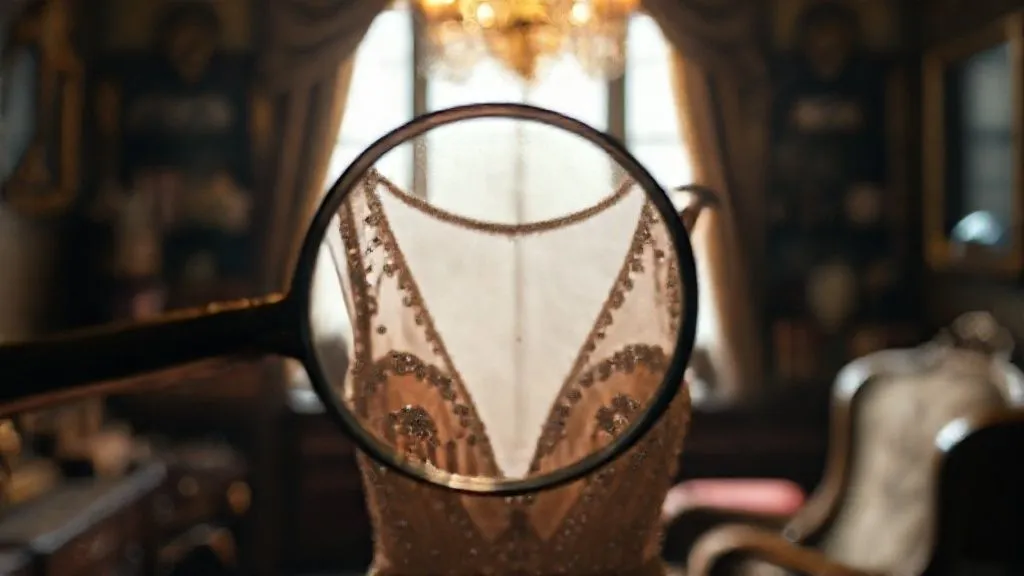
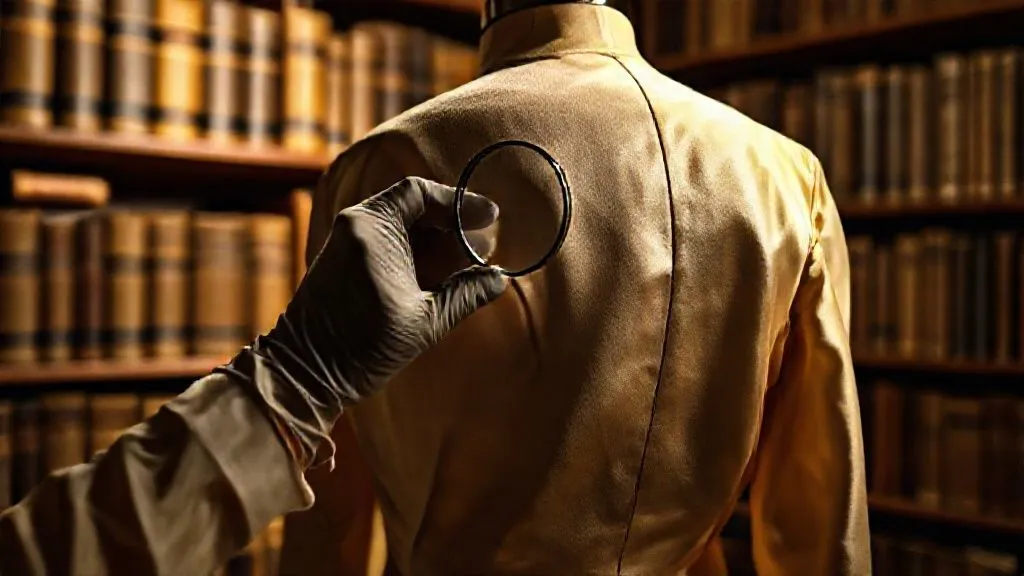
After cleaning and drying, perform a thorough inspection under good light. Look for:
- Fabric Shattering: Areas where the silk has become brittle and breaks easily, often along folds or stress points. This is irreversible damage caused by light exposure and acidity.
- Discoloration: Yellowing, browning, or 'foxing' (small brown spots) can indicate oxidation, acid migration, or mold.
- Insect Damage: Tiny holes, tunnels, or frass (insect droppings) are signs of moths, carpet beetles, or silverfish. Inspect seams and hidden areas carefully.
- Stains: Even after cleaning, some stains may remain. Note their location and type if possible (e.g., rust, oil, watermarks).
- Weakened Seams or Embellishments: Check the integrity of stitching, beading, and other attachments.
Document any damage with photographs and notes. This record will be invaluable for future reference and for tracking the garment's condition over time.
Optimal Storage Solutions: Creating a Safe Haven for Silk Heirlooms
Proper storage is the cornerstone of how to preserve vintage silk heirloom garments at home. It's about creating a stable, protective environment that shields your textiles from their greatest enemies.
Choosing the Right Materials: Acid-Free and Unbuffered
The materials you use for storage are just as important as the storage location. Standard cardboard boxes and plastic containers can release harmful chemicals that degrade silk over time. Instead, opt for **archival-quality, acid-free, and lignin-free materials**.
- Archival Boxes: These sturdy, pH-neutral boxes protect garments from light, dust, and physical damage. Ensure they are large enough to avoid tight folds.
- Acid-Free Tissue Paper: Use unbuffered, acid-free tissue paper to pad folds, support delicate areas, and prevent creasing. It also acts as a barrier against acid migration from other materials. Avoid colored tissue paper, as dyes can bleed.
- Textile Storage Bags: If hanging is unavoidable (though generally not recommended for heavy or bias-cut silks), use unbleached cotton or polypropylene garment bags. Never use plastic dry-cleaning bags, which trap moisture and off-gas harmful chemicals.
For more detailed guidelines on archival materials, the National Archives provides excellent resources on selecting appropriate supplies for long-term preservation. You can find general information on archival standards at archives.gov.
Environmental Control: Temperature and Humidity
Temperature and humidity are perhaps the most critical factors in textile preservation. Fluctuations are more damaging than stable, slightly less-than-ideal conditions. The goal is to minimize chemical reactions and inhibit mold and pest activity.
- Temperature: Aim for a cool, stable environment, ideally between 60-70°F (15-21°C). Avoid attics, basements, or garages where temperatures can fluctuate wildly.
- Relative Humidity (RH): Maintain RH between 45-55%. High humidity promotes mold growth and insect activity, while low humidity can cause silk to become brittle. A hygrometer can help monitor conditions.
For professional insights into environmental control for collections, institutions like the Smithsonian have published extensive research. Their conservation guidelines often recommend consistent conditions to prevent material degradation, as detailed in various publications on museum environmental standards, which can be explored via their conservation research sites.
Proper Folding and Support Techniques
Folding is necessary for boxed storage, but it must be done carefully to prevent permanent creases and stress points that lead to shattering. Place layers of acid-free tissue paper between each fold to cushion the fabric and distribute pressure. For garments with sleeves or bodices, stuff them lightly with tissue to maintain their shape. Avoid hanging heavy silk garments, as the weight can stretch and distort the fabric over time, especially at the shoulders.
Battling the Elements: Light, Pests, and Pollutants
Even with optimal storage materials and environmental control, external threats can still compromise your vintage silk. Proactive measures against these elements are non-negotiable for long-term preservation.
The Destructive Power of UV Light
Light, especially ultraviolet (UV) radiation, is one of silk's most insidious enemies. It causes irreversible fading, discoloration, and weakens the silk fibers, leading to brittleness and shattering. This damage is cumulative and cannot be reversed. Store silk garments in **dark, enclosed spaces** – archival boxes or opaque garment bags – away from windows, direct sunlight, and even strong indoor lighting.
If you must display a silk heirloom, do so for short periods, in a dimly lit area, and preferably behind UV-filtering glass or acrylic. Rotate displayed items frequently to minimize exposure.
Safeguarding Against Pests: Moths, Beetles, and More
Insects like clothes moths, carpet beetles, and silverfish feed on protein fibers, making silk a prime target. A single infestation can devastate a collection. Prevention is key:
- Cleanliness: Ensure garments are clean before storage. Food stains or body oils can attract pests.
- Sealed Storage: Archival boxes provide a physical barrier. Ensure they are tightly sealed.
- Regular Inspection: Periodically check stored items for signs of pest activity (frass, holes, cocoons, adult insects).
- Avoid Repellents: Mothballs (paradichlorobenzene or naphthalene) can damage silk and are toxic. Natural deterrents like cedar or lavender are often ineffective against established infestations and can stain fabric.
- Freezing (Extreme Caution): For suspected infestations, very carefully sealed and gradual freezing can kill pests, but this should be a last resort and performed with expert guidance due to moisture risks.
Mitigating Air Pollutants
Airborne pollutants, such as sulfur dioxide, nitrogen oxides, and ozone, can react with silk fibers, causing yellowing, embrittlement, and accelerated degradation. These pollutants often originate from industrial emissions, heating systems, and even household cleaning products.
Storing garments in sealed archival boxes significantly reduces exposure. Ensure storage areas are well-ventilated but not exposed to open air with high pollutant levels. Avoid storing garments near heating vents, freshly painted walls, or areas with strong chemical odors.
Handling and Display: Preserving Integrity Through Care
Even outside of long-term storage, how you interact with your vintage silk can significantly impact its longevity. Mindful handling and temporary display practices are crucial for its integrity.
Best Practices for Handling Vintage Silk
Before touching any vintage silk garment, wash your hands thoroughly to remove oils, lotions, and dirt. Consider wearing clean, white cotton gloves, especially for very fragile or light-colored pieces. Handle the garment as little as possible, and always support its entire weight, particularly when moving it. Never pull, stretch, or apply undue pressure to any part of the fabric, as this can cause irreversible damage, especially to already weakened areas.
Temporary Display Considerations
While long-term display is generally discouraged for vintage silk due to light exposure, temporary display for special occasions or personal enjoyment is understandable. If displaying, ensure:
- Low Light: Use indirect, low-intensity lighting. Avoid direct sunlight or spotlights.
- Support: Never hang heavy or delicate silk garments on standard hangers. Use padded, archival-quality hangers for lighter pieces, or ideally, display them flat or on a custom-made, padded mannequin that fully supports the garment's shape.
- Environmental Stability: Display in a room with stable temperature and humidity, away from vents, fireplaces, or open windows.
- Short Duration: Limit display time to a few days or weeks at most, then return the item to its proper dark, archival storage.
Long-Term Maintenance and Reassessment
Preservation is an ongoing process, not a one-time task. Regular monitoring and documentation are vital to ensure your efforts are effective and to catch any issues before they become catastrophic.
Periodic Checks and When to Intervene
Aim to inspect your stored silk heirlooms at least once or twice a year. Gently remove them from their boxes, check for any signs of pest activity, mold, or new damage. Air them out briefly (away from direct light), and then refold them along different lines to prevent permanent creases from forming in the same places. If you notice any new damage or signs of degradation, reassess your storage conditions and consider professional conservation advice.
Documenting Your Heirloom's Journey
Create a simple record for each garment. Include:
- Date of acquisition and origin (if known).
- Description of the item.
- Photographs (before and after cleaning/storage).
- Notes on its condition upon acquisition and during subsequent checks.
- Details of any cleaning or conservation treatments.
This documentation not only adds to the heirloom's story but also provides a crucial history of its care, invaluable if it ever needs professional intervention or is passed to another caretaker.
Common Mistakes to Avoid When Preserving Silk
Even with the best intentions, certain pitfalls can inadvertently harm your cherished vintage silk. Being aware of these common mistakes can save your heirlooms from irreversible damage.
- Using Plastic Dry Cleaning Bags: These trap moisture, promoting mold, and off-gas chemicals that can yellow and degrade silk over time. Always remove garments from these bags immediately.
- Storing in Attics, Basements, or Garages: These areas are prone to extreme temperature and humidity fluctuations, as well as pest infestations, making them unsuitable for delicate textiles.
- Using Cedar Chests or Mothballs: While cedar has some repellent qualities, it's not foolproof against pests and its oils can stain fabrics. Mothballs release toxic chemicals that are harmful to textiles and humans.
- Hanging Heavy or Bias-Cut Silks: The weight of the garment can cause stretching, distortion, and stress on seams and shoulders, especially with bias cuts.
- Washing Without Testing: Never machine wash vintage silk. Even hand washing should be approached with extreme caution and only after testing for colorfastness and fabric integrity.
- Exposing to Direct Light: Even indirect sunlight or strong artificial light will cause irreversible fading and fiber degradation over time.
- Using Unbuffered/Acidic Materials: Standard cardboard, colored tissue paper, and even some plastic containers contain acids that will migrate to the silk, causing yellowing and brittleness.
Frequently Asked Questions (FAQ)
Can I wash vintage silk in a machine? No, absolutely not. Machine washing is far too harsh for delicate vintage silk, leading to irreversible damage, shrinkage, and fiber breakage. Always opt for professional conservation or extremely cautious hand washing if the garment's stability allows.
How often should I air out my silk heirlooms? It's a good practice to air out your silk heirlooms gently once or twice a year during your periodic inspections. Do this in a clean, stable environment away from direct light, dust, and pollutants. This helps to refresh the fibers and prevents stagnant air.
What if my silk garment is already damaged? If your silk garment is already brittle, shattered, or significantly stained, attempting home remedies can cause further damage. It's best to consult a professional textile conservator. They have the expertise and specialized tools to stabilize and, in some cases, repair delicate textiles.
Is it okay to hang vintage silk? Generally, no. For most vintage silk garments, especially those with any weight or on the bias, hanging can cause irreversible stretching, distortion, and stress at the shoulders or seams over time. Flat storage in an archival box with proper support is almost always the preferred method.
Can I use vacuum-sealed bags for vintage silk storage? No, vacuum-sealed bags are not recommended for vintage silk. While they save space and protect against pests, they compress the fibers unnecessarily, can trap residual moisture, and the lack of air circulation is detrimental to the long-term health of natural fibers like silk, potentially leading to permanent creasing and weakening.
Recommended Reading
- Ultimate Guide: Best Casual Shoes for Wide Feet Men
- The Avant-Garde: How Haute Couture Challenges Traditional Art Boundaries
- Unveiling the Secrets: What Techniques Elevate Haute Couture Craftsmanship?
- The Ultimate Guide: How to Find Practical Kids Wear That Lasts & Grows
- Beyond the Shine: How to Identify Truly Sustainable Jewelry Brands Now
Conclusion
Learning how to preserve vintage silk heirloom garments at home is a rewarding endeavor that connects you directly to the past. By understanding the vulnerabilities of silk, adopting meticulous cleaning and storage practices, diligently controlling environmental factors, and avoiding common pitfalls, you equip yourself with the knowledge to protect these irreplaceable pieces of history. Your efforts ensure that the beauty and stories woven into each silk fiber will continue to be cherished and admired by future generations, transforming fragile memories into enduring legacies. Embrace the role of a guardian for these delicate treasures, and they will continue to tell their tales for years to come.

Your email address will not be published. Required fields are marked *