

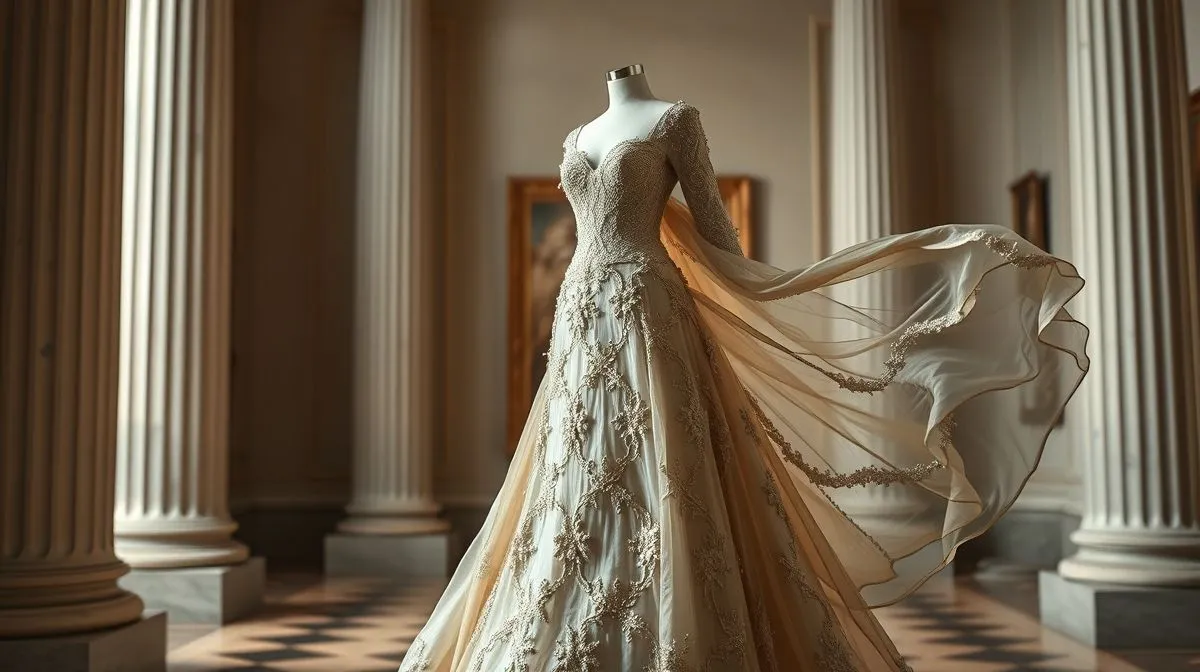
How Haute Couture Challenges Traditional Art Boundaries
Have you ever stood before a canvas, a sculpture, or a performance and felt that profound, almost inexplicable connection to something beautiful, provocative, or deeply meaningful? Now, imagine feeling that same surge of emotion not in a hushed gallery, but while gazing upon a garment – a dress, a suit, a fantastical ensemble. Is it merely clothing, or is it something more? This question lies at the heart of one of the most compelling debates in contemporary culture.
For centuries, the art world has held a somewhat rigid definition of what constitutes 'art,' often placing fashion, particularly the functional aspects of clothing, outside its hallowed halls. Yet, as the lines between disciplines continue to blur in our modern age, a compelling argument emerges: that haute couture, with its unparalleled craftsmanship, visionary design, and often subversive conceptual underpinnings, is not just fashion, but a legitimate, potent form of artistic expression. The challenge, then, is to understand precisely how haute couture challenges traditional art boundaries, forcing a re-evaluation of our aesthetic and cultural categories.
This comprehensive exploration will delve into the intricate relationship between haute couture and fine art, dissecting its historical roots, its conceptual depth, and its undeniable impact on both the runway and the gallery space. By the end of this journey, you will gain a profound appreciation for how these masterworks of fabric and form are not just garments, but profound statements that push the very limits of what we consider art, demanding recognition for their creativity, skill, and emotional resonance.
Defining the Canvas: What is Haute Couture?
Before we can fully appreciate how haute couture transcends conventional definitions of art, it's crucial to understand what this exclusive term truly signifies. Far from mere expensive clothing, haute couture represents the pinnacle of fashion design, a rarefied realm governed by strict rules and unparalleled dedication to artistry.
Craftsmanship Beyond Clothing
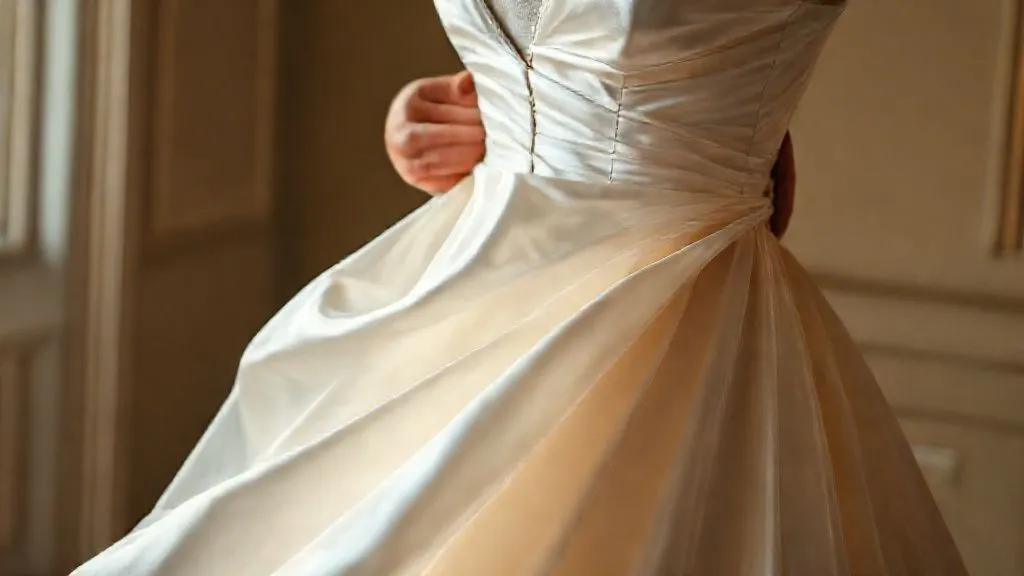
At its core, haute couture is about meticulous, hand-crafted excellence. The term, literally meaning 'high sewing' or 'high dressmaking' in French, refers to the creation of exclusive, custom-fitted clothing. These garments are made entirely by hand from start to finish, using high-quality, expensive, and often unusual fabrics, sewn with extreme attention to detail and finished by the most experienced and capable sewers. A single haute couture gown can take hundreds, sometimes thousands, of hours to complete, involving multiple artisans specializing in embroidery, beading, featherwork, and more.
This level of dedication to craft mirrors the painstaking processes found in traditional art forms. Just as a sculptor meticulously carves marble or a painter carefully blends pigments, a couture artisan dedicates countless hours to shaping fabric, applying embellishments, and ensuring every stitch is perfect. It's a commitment to perfection that elevates the creation beyond simple utility into an object of profound aesthetic value.
The Exclusive Realm of Creation
The Chambre Syndicale de la Haute Couture in Paris sets stringent rules for houses to be granted the 'haute couture' appellation. These include designing custom-made garments for private clients, having a workshop (atelier) in Paris with at least 15 full-time technical staff, and presenting a collection of at least 50 original designs (both day and evening wear) to the public each season. This exclusivity and rigorous standard-setting contribute to its perception as an art form, much like a gallery curates specific artists or a museum authenticates historical pieces. It's a protected designation, ensuring the integrity and unparalleled quality of the craft.
The Historical Confluence of Fashion and Art
The dialogue between fashion and art is not a modern phenomenon. Throughout history, these two creative fields have frequently intersected, influencing and inspiring one another in profound ways. Understanding this historical context helps illuminate how haute couture challenges traditional art boundaries today.
From Patronage to Avant-Garde
In earlier centuries, wealthy patrons commissioned both artists and dressmakers, often viewing exquisite garments as symbols of status and beauty, much like commissioned portraits or sculptures. Royal courts were centers of both artistic and sartorial innovation. As the concept of the 'designer' emerged in the 19th century with figures like Charles Frederick Worth, fashion began to assert its own creative authority, moving beyond mere functionality.
The early 20th century saw a more explicit embrace of artistic movements within fashion. Designers like Paul Poiret were influenced by Orientalism and Art Deco, while Elsa Schiaparelli famously collaborated with Surrealist artists such as Salvador Dalí and Jean Cocteau, creating garments that were overtly conceptual and provocative. Her 'Lobster Dress' or 'Tears Dress' were not just clothes; they were wearable manifestos, challenging perceptions and blending the boundaries between the body, clothing, and artistic expression. These collaborations laid crucial groundwork for the ongoing conversation about fashion's place in the art world.
Influential Designers as Visionaries
Many haute couture designers are viewed as visionaries, akin to master painters or sculptors. Christian Dior's 'New Look' after World War II was not just a style; it was a cultural reset, an architectural reshaping of the female silhouette that had a profound artistic and social impact. Cristóbal Balenciaga was revered for his innovative cuts and sculptural forms, often referred to as the 'architect of couture.' His designs were less about embellishment and more about the purity of line and volume, treating fabric as a malleable medium for sculptural expression. These designers didn't just follow trends; they created them, often drawing from artistic movements and philosophical ideas, thereby infusing their creations with deeper meaning.
Couture as Conceptual Art and Performance
Beyond the sheer beauty and technical mastery, haute couture frequently operates on a conceptual level, using garments to tell stories, explore themes, and provoke thought. This is where its kinship with conceptual art and performance art becomes most evident.
Narrative Through Fabric
Many haute couture collections are built around a central theme or narrative, much like an artist develops a series of works. Designers use fabric, silhouette, color, and embellishments to convey complex ideas – from social commentary to historical reflections, fantastical dreams, or philosophical musings. Alexander McQueen, for example, consistently used his collections to explore dark romanticism, rebellion, and the human condition, often pushing boundaries to the point of discomfort. His shows were theatrical spectacles, each garment a chapter in a larger, often unsettling, story. This narrative depth elevates the clothing from mere attire to a medium for storytelling, a hallmark of artistic endeavor.
The Runway as a Gallery
Haute couture shows are far more than simple presentations of clothing; they are meticulously orchestrated performances, often involving elaborate sets, lighting, music, and choreography. The runway becomes a stage, and the models, living sculptures embodying the designer's vision. These events are designed to evoke emotion, challenge perceptions, and create an immersive experience for the audience. In this sense, the entire presentation functions as a form of performance art, where the garments are central, yet part of a larger, ephemeral artistic event. This transformation of the runway into a theatrical, ephemeral gallery space is a powerful way how haute couture challenges traditional art boundaries.
Materiality and Technique: Sculpting with Fabric
The tactile nature of haute couture, the extraordinary materials used, and the innovative techniques employed further solidify its claim as an art form. It is in the atelier that fabric transforms from a flat textile into a three-dimensional masterpiece.
The Atelier as a Studio
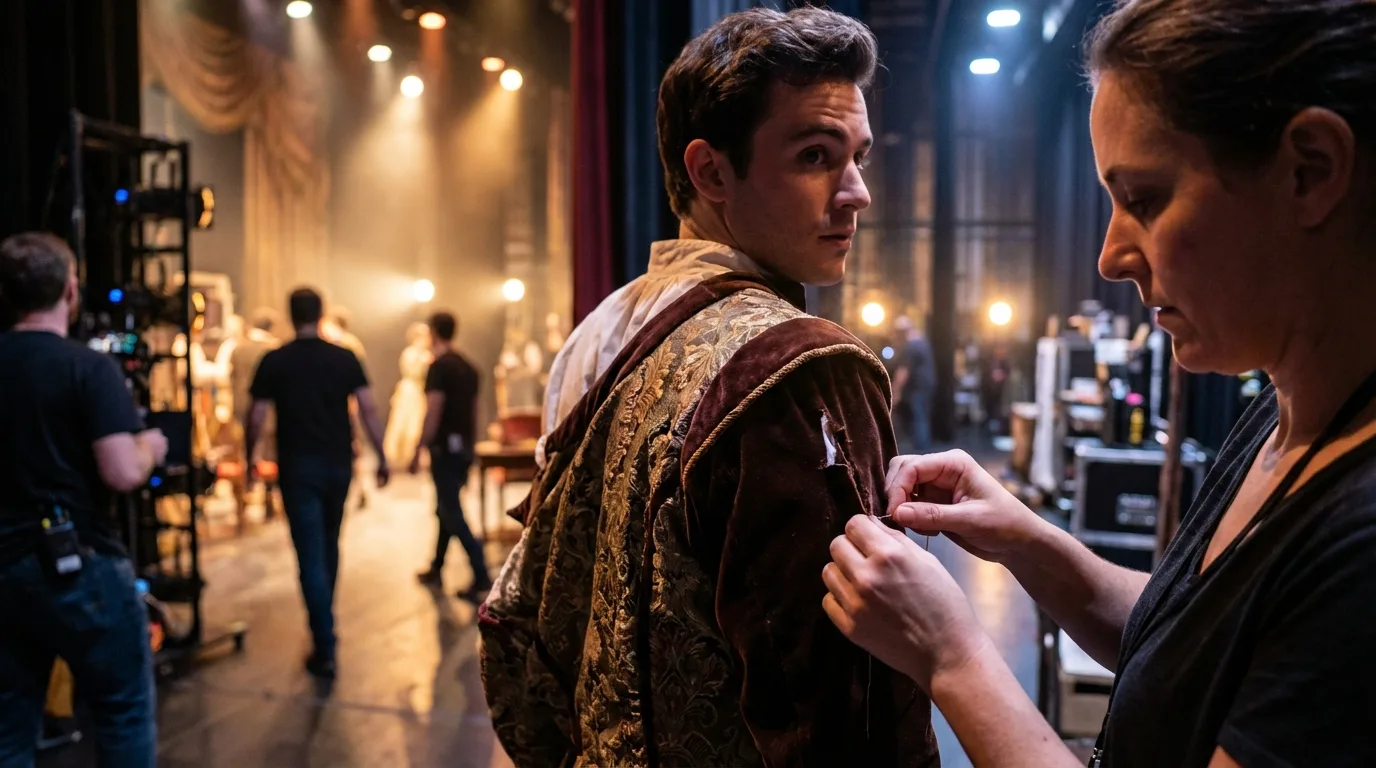
The haute couture atelier is akin to an artist's studio – a place of intense creative focus, experimentation, and skilled labor. Here, master artisans (known as 'petites mains') work with unparalleled precision, transforming raw materials into exquisite forms. They understand the drape of every silk, the weight of every bead, and the potential of every feather. This intimate knowledge of materials and their manipulation is a defining characteristic of both high art and haute couture.
Handwork, Innovation, and Experimentation
Unlike ready-to-wear, which relies on mass production, couture thrives on individuality and painstaking handwork. Techniques like intricate embroidery (often by houses like Lesage), elaborate pleating, and precise draping are elevated to an art form. Designers constantly push the boundaries of what is possible with fabric, experimenting with new materials, technologies, and construction methods. Iris van Herpen, for instance, is renowned for her use of 3D printing and innovative textile manipulations, blurring the lines between fashion, architecture, and sculpture. This relentless pursuit of innovation and mastery of technique is a shared trait with fine artists who constantly seek new ways to express their vision.
Challenging the White Cube: Exhibiting Couture
Perhaps one of the most definitive indicators of haute couture's artistic status is its increasing presence within traditional art institutions. Museums worldwide are embracing fashion as a legitimate subject for scholarly study and exhibition, fundamentally altering public perception.
Fashion in Museums
Major art museums, once exclusively dedicated to painting, sculpture, and ancient artifacts, now regularly host blockbuster fashion exhibitions. The Metropolitan Museum of Art's Costume Institute, the Victoria and Albert Museum in London, and the Palais Galliera in Paris are prime examples. Exhibitions like 'Savage Beauty' (Alexander McQueen) or 'Heavenly Bodies: Fashion and the Catholic Imagination' (Met Gala) have drawn record-breaking crowds, demonstrating that haute couture can evoke the same awe and intellectual engagement as any other art form. These exhibitions curate garments as artifacts, presenting them with the same reverence and contextualization given to classical masterpieces. According to The Business of Fashion, such exhibitions have become crucial for museum attendance and engagement, proving the cultural resonance of fashion as art. Read more about fashion exhibitions here.
Redefining Curatorial Practices
The display of haute couture in museum settings often requires innovative curatorial approaches. Garments are presented as sculptural objects, sometimes on custom-built mannequins designed to capture the designer's original vision. Lighting, spatial arrangement, and accompanying multimedia elements are carefully orchestrated to highlight the artistic merit of each piece, fostering contemplation rather than just observation. This integration into the 'white cube' environment, traditionally reserved for fine art, directly asserts how haute couture challenges traditional art boundaries by demanding its inclusion and re-framing its perception.
The Economic and Cultural Impact of Couture as Art
The recognition of haute couture as an art form extends beyond aesthetic appreciation, influencing its economic value and cultural discourse.
Value Beyond Wearability
Unlike ready-to-wear, the value of haute couture pieces often transcends their function as clothing. They become collectibles, investments, and historical artifacts. Vintage couture pieces by legendary designers fetch astronomical prices at auction, similar to rare paintings or sculptures. This secondary market value is driven not just by brand recognition but by the unique artistic and historical significance embedded in each garment. They are not merely worn; they are preserved, studied, and admired for generations, much like any other work of art.
Shaping Artistic Discourse
The elevation of haute couture to art status has also enriched academic and cultural discourse. Scholars now analyze fashion through lenses traditionally applied to art history, sociology, and philosophy. Fashion theory has become a robust field, exploring themes of identity, power, gender, and consumption through the medium of clothing. This intellectual engagement further solidifies couture's position as a significant contributor to the broader artistic and cultural landscape, prompting a deeper understanding of its complex role in society. Moreover, the conceptual depth of many couture collections often sparks debates about beauty, ugliness, conformity, and rebellion, mirroring the critical discussions surrounding fine art.
Critiques and Counterarguments: Is it Truly Art?
Despite the compelling arguments for haute couture as art, the debate is not without its critics. Understanding these counterpoints provides a more nuanced view of the ongoing discussion.
Commercial Imperatives vs. Artistic Freedom
One primary critique is that fashion, even haute couture, is ultimately driven by commercial imperatives. Unlike fine art, which can theoretically exist purely for aesthetic or conceptual purposes, fashion is inherently tied to the market, seasonality, and the need to sell. Critics argue that this commercial aspect compromises its artistic purity, suggesting that true art is created without the direct pressure of consumer demand. However, this argument overlooks the commercial realities of the art world itself, where galleries, auctions, and patrons also influence artistic production. Many celebrated artists also operate within a commercial framework.
Accessibility and Elitism
Another point of contention is haute couture's extreme exclusivity and elitism. Designed for a tiny fraction of the world's wealthiest individuals, it is inherently inaccessible to the vast majority. Some argue that art, by its nature, should strive for broader accessibility and democratic appeal. This contrasts with haute couture's bespoke nature and exorbitant price tags. Yet, it can also be argued that rarity and exclusivity contribute to its mystique and perceived value, much like rare artifacts or one-of-a-kind artworks. The limited audience for couture mirrors the limited ownership of high art, but its public presentation in shows and museums allows for wider appreciation.
The Future Landscape: Blurring Lines Further
As technology advances and creative boundaries continue to dissolve, the relationship between haute couture and traditional art forms is set to become even more intertwined. This ongoing evolution will further illustrate how haute couture challenges traditional art boundaries.
Digital Couture and Virtual Realities
The advent of digital fashion and virtual reality offers new frontiers for haute couture. Designers are creating garments that exist only in digital spaces, pushing the very definition of what clothing can be. These digital creations are unconstrained by physical limitations, allowing for fantastical, gravity-defying designs that are pure artistic expression. They can be 'worn' in video games, virtual worlds, or on social media, expanding the audience and challenging notions of materiality. This virtual realm provides a new canvas for couture designers to explore purely conceptual and aesthetic ideas, free from the constraints of wearability, directly aligning with the experimental nature of contemporary art.
Sustainability and Artistic Expression
The growing emphasis on sustainability in the fashion industry is also prompting designers to explore innovative, art-driven approaches. Upcycling, repurposing, and the use of unconventional, eco-friendly materials are becoming central to many couture collections. This focus on ethical production and resourcefulness adds another layer of artistic intent, turning environmental concerns into creative opportunities. This echoes movements in contemporary art that address social and environmental issues through artistic means, further blurring the lines between fashion as a commercial enterprise and fashion as a platform for profound artistic and social commentary. For instance, the use of intricate patchwork from discarded textiles can be seen as a form of artistic collage, making a statement about consumption and value.
Frequently Asked Questions (FAQ)
Is all fashion considered art? No, while all fashion involves design, haute couture, with its bespoke nature, meticulous handcraftsmanship, conceptual depth, and focus on artistic expression rather than mass production, is often distinguished as an art form, unlike everyday ready-to-wear.
What's the main difference between haute couture and ready-to-wear? Haute couture is custom-made for an individual client, entirely hand-sewn, and produced in extremely limited quantities, focusing on artistic expression and unparalleled craftsmanship. Ready-to-wear is factory-produced in standard sizes for mass consumption, prioritizing commercial viability and widespread distribution.
Which designers are most known for blurring art and fashion? Designers frequently cited for their artistic contributions include Elsa Schiaparelli (Surrealism), Cristóbal Balenciaga (sculptural forms), Alexander McQueen (theatrical narratives), Rei Kawakubo (conceptual deconstruction), and Iris van Herpen (technological innovation and sculptural designs).
How do museums acquire haute couture pieces? Museums acquire haute couture through donations from designers, private collectors, or fashion houses, as well as through purchases. Pieces are selected based on their historical significance, artistic merit, and their representation of key moments in fashion history or specific designers' oeuvres.
Can haute couture be a form of social commentary? Absolutely. Many haute couture designers use their collections to address social, political, or cultural issues, employing symbolism, narrative, and provocative imagery to offer critiques or reflections on contemporary society, much like visual artists do.
Recommended Reading
- Killer Fashion Blog Posts: Your Ultimate Writing Guide!
- Find Your Perfect Hat: The Ultimate Guide to Choosing the Right Style for Your Face Shape
- Unveiling the Secrets: What Techniques Elevate Haute Couture Craftsmanship?
- Authenticate Vintage Designer Handbags: The Expert's Secret Guide
- Best Activewear for CrossFit Beginners: Crush Your First WOD!
Conclusion
The journey through the world of haute couture reveals a compelling narrative of creativity, mastery, and audacious vision. Far from being mere garments, these extraordinary creations are profound statements, meticulously crafted works that challenge, provoke, and inspire. By dissecting its historical connections to art, its conceptual depth, its innovative techniques, and its undeniable presence in the most respected art institutions, it becomes clear how haute couture challenges traditional art boundaries, consistently pushing the limits of what we define as artistic expression.
The debate over whether fashion is art will likely continue, but haute couture stands as a formidable testament to the profound artistic potential within the realm of clothing. It reminds us that art is not confined to canvases or pedestals, but can emerge from any medium, any discipline, that is infused with human ingenuity, passion, and a fearless commitment to beauty and meaning. Embrace this expanded definition of art, and allow the artistry of haute couture to inspire your own appreciation for creativity in all its magnificent forms.


Your email address will not be published. Required fields are marked *